Direct Portfolio Access
Primary Intermodal Fleet Inventory
Explore our top-tier standardized high-cube and specialized ISO container configurations precision-fabricated for mission-critical logistics operations worldwide.
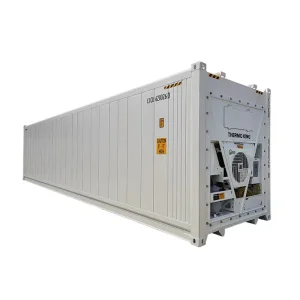
OEM New 40ft High-Cube Certified Reefer Shipping Cargo Container Pricelist
Request Direct Quote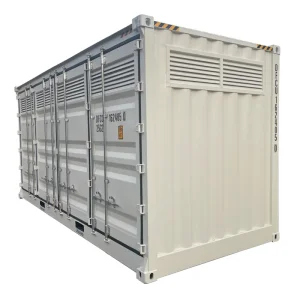
Famous 20FT High-cube Dangerous Goods Container Side Open Door
Request Direct Quote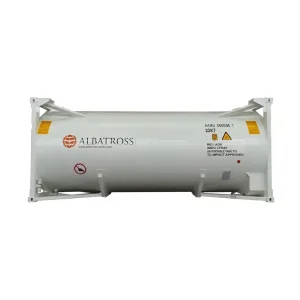
China 25000 Liters ISO 20ft Gas Tank Container for Sale Product
Request Direct Quote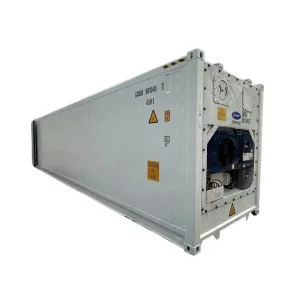
Buy Ninety Percent New Used 40ft HC Carrier Refrigerated Container
Request Direct Quote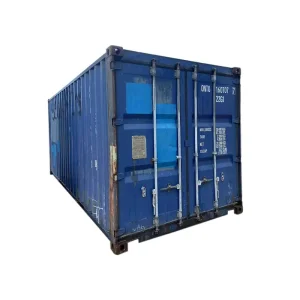
ODM 40ft Used Dry Cargo Shipping Container Manufacturers Quotes
Request Direct Quote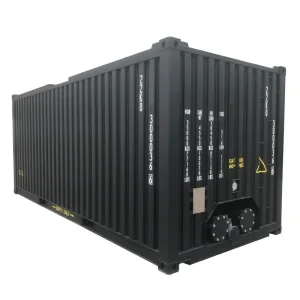
China 20 Feet Heated Shipping Asphalt Container Exporter
Request Direct Quote
Buy New Half Height Ore Carrier Container Offshore Container
Request Direct Quote
Authoritative Engineering Analysis
Dimensional Mathematics & Structural Mechanics of High Cube Assets
Evaluating the volumetric efficiency, load-bearing corner casting physics, and Corten SPA-H metallurgical integrity behind standard versus high cube configurations.
The 305mm (1 Foot) Volumetric Advantage
High Cube containers elevate nominal exterior height from 8ft 6in (2,591 mm) to 9ft 6in (2,896 mm). This 305 mm vertical elevation increases the internal volumetric cube from 67.7 m³ in standard 40ft units to 76.3 m³ in 40HC dry variants—a net cubic gain of 12.7% without altering the container's berth or rail wagon footprint.
ISO 1496-1 Dynamic Load Deflection
Operating with an elevated center of gravity requires reinforced corner posts fabricated from Corten SPA-H high-strength atmospheric weathering steel. Corner posts and castings withstand stacking compression test loads reaching 86,400 kg (equivalent to an 8-high or 9-high stacked laden container column on container vessels).
Thermal & Tare Weight Physics
In refrigerated high-cube systems (40RH), internal polyurethane foaming and T-bar airflow flooring balance thermal transfer (K-factor ≤ 0.38 W/m²K) against interior clearance, retaining 67.6 m³ of refrigerated payload capacity while supporting automated forklift axle loads up to 7,260 kg.
| ISO Series 1 Designation | Exterior Dims (L × W × H) | Interior Dims (L × W × H) | Door Aperture (W × H) | Max Gross Mass | Cubic Capacity |
|---|---|---|---|---|---|
| 20ft Standard (20GP) | 6,058 × 2,438 × 2,591 mm | 5,898 × 2,352 × 2,393 mm | 2,340 × 2,280 mm | 30,480 kg (67,200 lbs) | 33.2 m³ (1,172 cu ft) |
| 20ft High Cube (20HC) | 6,058 × 2,438 × 2,896 mm | 5,898 × 2,352 × 2,698 mm | 2,340 × 2,585 mm | 30,480 kg (67,200 lbs) | 37.4 m³ (1,320 cu ft) |
| 40ft Standard (40GP) | 12,192 × 2,438 × 2,591 mm | 12,032 × 2,352 × 2,393 mm | 2,340 × 2,280 mm | 30,480 kg (67,200 lbs) | 67.7 m³ (2,390 cu ft) |
| 40ft High Cube (40HC) | 12,192 × 2,438 × 2,896 mm | 12,032 × 2,352 × 2,698 mm | 2,340 × 2,585 mm | 32,500 kg / 34,000 kg | 76.3 m³ (2,694 cu ft) |
| 40ft Reefer HC (40RH) | 12,192 × 2,438 × 2,896 mm | 11,583 × 2,290 × 2,553 mm | 2,290 × 2,500 mm | 34,000 kg (74,950 lbs) | 67.6 m³ (2,387 cu ft) |
Real-World Deployments
Specialized Industrial & Regional Use Cases
Beyond transoceanic freight, high cube architectural volumes provide critical structural envelopes for advanced decentralized engineering projects.
Utility-Scale BESS Enclosures
Battery Energy Storage Systems (BESS) require standard 40HC structural chassis. The 2.698 m interior vertical clearance accommodates multi-tier LFP battery rack installations, overhead liquid coolant manifolds, FM200 fire suppression tubing, and integrated HVAC ventilation louvers compliant with NFPA 855.
Modular Architecture & Camp Infrastructure
Civil construction contractors and remote mining basecamps utilize 20HC and 40HC skeletons to bypass the cramped ceiling heights of standard boxes. The extra foot permits standard residential ceiling ductwork, subfloor insulation, and finished 2.4 m interior living clearances without compromising building code thresholds.
Cold-Chain Food Logistics Hubs
Featuring 40ft High-Cube Reefers paired with Daikin, Thermo King, or Carrier Transicold units, temperature-sensitive food distribution centers deploy our units as scalable, rapidly relocatable blast freezers and multi-temperature staging depots maintaining -30°C to +30°C setpoints in hot equatorial regions.
Precision Machinery & Robotics Transit
Modern CNC automation centers, high-tonnage stamping presses, and electric vehicle battery assembly modules frequently exceed standard container door openings of 2,280 mm. High Cube rear door apertures (2,585 mm clear height) provide effortless crane and heavy-duty forklift passage.
Hazardous Materials & Chemical Storage
Customized high-cube units configured with mechanical explosion-proof ventilation, lower containment sumps for chemical spill mitigation, and secondary egress doors provide safe, turn-key hazardous chemical and paint storage solutions compliant with local environmental protection regulations.
Supply Chain Dominance
Chinese Manufacturing Ecosystem & Coastal Efficiency
Decades of industrial scaling across our Tianjin and Suzhou manufacturing corridors deliver unparalleled cost efficiency, rapid turnaround, and robust metallurgy.
Direct Mill Steel Integration
Strategically partnered with China’s premier state steel mills (including Baosteel and HBIS), our plants procure top-grade Corten-A/SPA-H weathering hot-rolled coils directly. This raw material security eliminates intermediaries, guarantees precise yield strength (>355 MPa), and defends procurement margins against volatile steel commodity swings.
Robotic Arc-Welding Automation
Production lines integrate multi-axis robotic welding gantries for corrugated wall panels, corner castings, and floor crossmembers. Standardizing welding current and shielding gas delivery guarantees consistent weld penetration, eliminating cold-lap defects and ensuring seamless compliance with Bureau Veritas (BV) structural integrity criteria.
Low Intermodal Gateway Friction
Located less than 100 kilometers from the Port of Tianjin and Shanghai/Taicang maritime clusters, our factory staging yards mitigate inland haulage bottlenecks. We seamlessly coordinate shipper-owned container (SOC) one-way revenue export movements, saving international buyers thousands in deadhead positioning costs.
Next-Gen Roadmap
The Future of Container Engineering (2025–2030)
Anticipating regulatory decarbonization, smart logistics connectivity, and lightweight structural composites in modern container manufacturing.
Phase 1: 2025
Autonomous IoT Sensor Arrays
Embedding battery-free RFID and sat-linked NB-IoT condition monitors into corner posts to stream internal temperature, relative humidity, door-tamper events, and G-force impacts directly to cloud telematics dashboards.
Phase 2: 2026
Low-VOC Waterborne Bio-Resins
Transitioning 100% of our paint lines to advanced zinc-rich primer and ultra-low VOC waterborne epoxy topcoats, drastically lowering emissions while exceeding 15-year marine salt spray endurance benchmarks (ISO 12944 C5-M).
Phase 3: 2028
Composite Hybrid Decking
Replacing traditional 28mm Apitong/Keruing tropical hardwood plywood with recyclable thermoplastic and steel-mesh reinforced composite panels that resist rot, insect infestation, and eliminate chemical treatment fumigation requirements.
Phase 4: 2030
Carbon-Neutral Circular Builds
Pioneering hydrogen-reduced green steel manufacturing workflows to produce certified net-zero embodied carbon container chassis targeted at European ETS maritime border tax compliance.
Compliance & Governance
Worldwide Intermodal Standards & Statutory Certification
Every container leaving our facilities carries ironclad third-party safety credentials, safeguarding importers against customs delays and sea-rail interline rejections.
CSC Safety Approval Plates
Each dry and reefer unit features an internationally recognized stainless steel CSC (International Convention for Safe Containers) plate affixed to the left door. This plate validates structural capability, stack weight ratings, transverse racking test certifications, and Bureau Veritas (BV) classification society inspections.
DNV 2.7-1 / EN 12079 Offshore Rigor
For harsh marine environments and drilling platforms, our offshore range satisfies rigorous DNVGL-ST-E271 protocols. Certified lifting lugs, pad eyes, and specialized NDT (non-destructive testing) of primary load welds assure offshore crane hoist reliability in sub-zero North Sea and tropical Gulf waters.
Customs Clearance & TIR Carnet Readiness
Our containers are certified under the Customs Convention on Containers (CCC/TIR), guaranteeing international customs seal integrity for seamless overland rail crossing across Eurasian corridors and Pan-American highway networks without intermediate border unpacking.
Buyer Procurement Intelligence
Frequently Asked Technical & Sourcing Inquiries
Direct answers to the practical questions fleet operators, freight forwarders, and procurement directors evaluate during container acquisition.
What are the exact external and internal measurements of a standard 40ft High Cube container?
A standard 40ft High Cube (40HC) container measures 12,192 mm (40 ft) in length, 2,438 mm (8 ft) in width, and 2,896 mm (9 ft 6 in) in exterior height. Internally, usable clearances are 12,032 mm in length, 2,352 mm in width, and 2,698 mm in vertical height. The rear door opening provides 2,340 mm width by 2,585 mm height, delivering a total internal volume of 76.3 cubic meters (2,694 cu ft) and a tare weight of approximately 3,900 kg.
Why choose a High Cube container over a Standard General Purpose (GP) unit?
A 40HC container provides an additional 305 mm (12 inches) of vertical headroom, resulting in an immediate 12.7% gain in cubic capacity. This volumetric surplus is essential for high-volume, low-density cargo (such as footwear, garments, electronics, and furniture), automated pallet stacking systems, large industrial machinery, and modular housing conversion projects where interior ceiling clearances must comply with building codes.
Can our engineering team order custom OEM/ODM modifications directly from the factory?
Yes. Our specialized engineering division provides extensive OEM/ODM configuration services. We support custom door locations (side-open doors, rollup shutters, end double-doors), reinforced floor ratings for heavy mobile battery or machinery sets, custom internal bulkheads, high-spec passive ventilation, interior lining, electrical raceways, and custom corporate exterior polyurethane paint schemes.
What certifications accompany each container to ensure maritime and rail compliance?
Every manufactured unit is inspected and certified according to ISO 668, ISO 1496-1, and ISO 1161 standards. CSC safety approval plates are issued under classification society witness (Bureau Veritas, ABS, or CCS). For offshore platform equipment, units comply with DNV 2.7-1 and EN 12079 guidelines with full material traceability records (3.1 certificates) and non-destructive weld testing dossiers.
How does the factory manage delivery, and what are SOC options for international shipping?
Positioned less than 100 km from the Port of Tianjin and near Shanghai/Taicang ports, we offer convenient FOB, CIF, or DDP terms. Buyers can purchase units as Shipper-Owned Containers (SOC), coordinating with freight forwarding lines to load export cargo directly at our staging yards, effectively moving the newly procured containers to destination ports with minimal positioning overhead.
What is the service life expectation of a Corten SPA-H steel container?
Manufactured from genuine Corten SPA-H atmospheric corrosion-resistant steel, paired with zinc-rich primer and multi-layer marine epoxy systems, our dry freight containers provide a dependable operational lifespan exceeding 15 to 20 years in intensive deep-sea service, and upwards of 30+ years when repurposed for static on-site storage or modular housing.
Specialized Intermodal Fleet
Specialty, Modular & Offshore Container Solutions
Expanding fleet capabilities with purpose-built chemical tanks, heavy-density ore transport, roll-up reefer assets, and certified offshore logistics units.
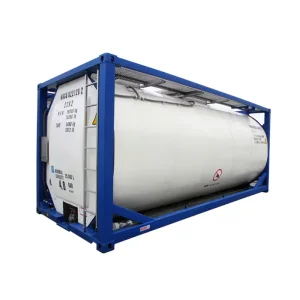
Buy ISO Standard 20ft Versatile Tank Container for Transport Chemicals
Request Direct Quote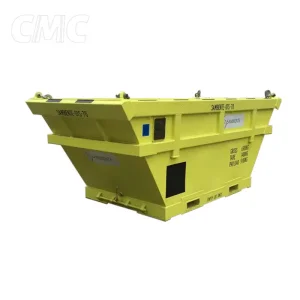
Famous DNV Certification Silt Basket Container Used in Offshore Operations
Request Direct Quote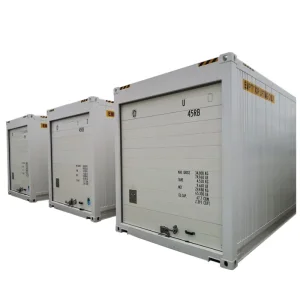
China 40ft High-Cube Roll Up Reefer Container Customized Shipping Containers
Request Direct Quote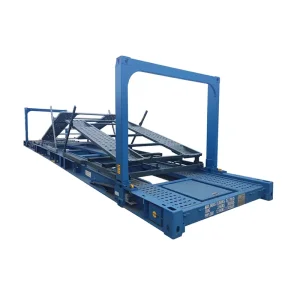
China New 20ft Car Carrier Container Special Container Exporter
Request Direct Quote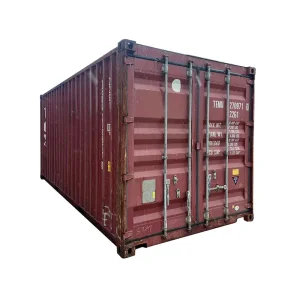
Buy 20ft Used Shipping or Storage Container Manufacturer Products
Request Direct Quote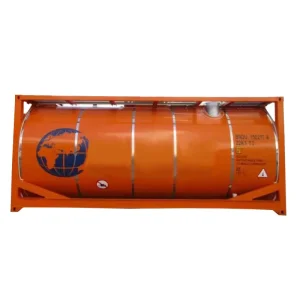
China 20 Foot ISO Liquid Tank Container for Water Manufacturer
Request Direct Quote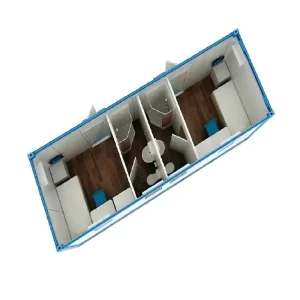
Famous 20ft 40ft Standard Size Accommodation Modular House Container
Request Direct Quote