
Primary Industrial Inventory & Specialized Equipment
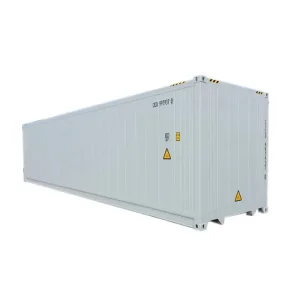
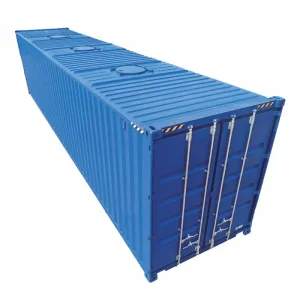
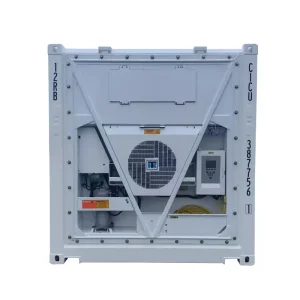
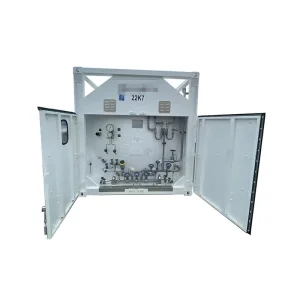
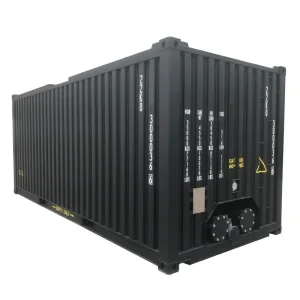
Direct manufacturer supply for certified reefer units, cryogenic systems, hanging meat reefers, and bulk heavy-haul containers built to ISO and DNV standards.
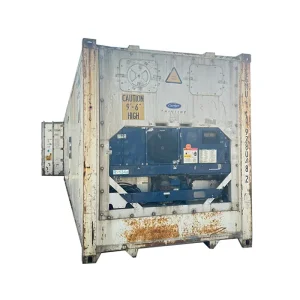
Inside Reefer Containers: Global Commercial & Industrial Realities
A rigorous examination of interior microclimates, thermal loss mitigation, and structural metallurgy powering modern global distribution.
In the modern globalized cold chain ecosystem, the decision to buy inside reefer containers from established manufacturers and direct exporters represents far more than an operational procurement of standard ISO metal boxes. An "inside reefer container" refers to the highly engineered internal environment—an enclosed thermodynamic chamber combining structural metallurgy, advanced polyurethane insulation chemistry, precision air handling, and closed-loop refrigeration control. As perishable foodstuffs, high-value biologic pharmaceuticals, and chemical precursors transit cross-continental sea lanes and intermodal rail corridors, the thermal envelope of the container interior is the critical defense preventing metabolic degradation, microbial spoiling, and crystallization shocks.
Engineering Definition: The internal cavity of an ISO 1496-2 refrigerated intermodal container operates under extreme mechanical and environmental stresses. Ambient maritime conditions range from -40°C in Arctic rail transit to +55°C with 95% relative humidity in equatorial waters, while maintaining internal setpoints within ±0.25°C across a volume of up to 67.6 cubic meters.
Historically, refrigerated transport suffered from asymmetric airflow distribution, thermal bridging across structural ribbing, and insulation degassing. Contemporary inside reefer architecture addresses these physical constraints through the integration of deep extrusion aluminum T-bar flooring, high-pressure cyclically blown polyurethane foam, stainless steel interior lining (food-grade SUS 304 or MGSS), and intelligent inverter-driven scroll compressor machinery. Whether deployed as mobile ocean freight units, intermodal rail assets, or static buffer cold storage on agricultural consolidation sites, the inside reefer is a calibrated industrial instrument.
Operating from production epicenters in Tianjin and Suzhou, China—positioned within 100 kilometers of deep-water port gates—CIMIC Group (Tianjin Cimic Imp&Exp Co., Ltd.) has developed container structural solutions since 1983. Supported by Bureau Veritas (BV) certification, ISO-9001 quality audits, and DNV offshore lifting compliance, our engineering division crafts custom inside configurations engineered to withstand severe maritime and terrestrial environments.
Internal Anatomy of an Inside Reefer Container
Deconstructing the inner envelope: from food-grade lining and aerodynamic floor channels to anti-convection door seals.
Interior Lining: Food-Grade SUS304 / MGSS
The inside walls of our reefer containers are faced with high-finish Stainless Steel 304 or Muffler Grade Stainless Steel (MGSS), eliminating microbial harborage, resisting corrosive chemical sanitizers, and providing zero vapor permeability over decades of washdowns.
Extruded Aluminum T-Bar Aerodynamics
Heavy-duty extruded aluminum T-floor profiles form an elevated static plenum. Cold supply air driven from the bottom evaporator unit moves horizontally beneath pallet loads before rising uniformly through palletized cargo columns, preventing warm hot-spots.
Polyurethane Foam Thermal Core
Foamed in-situ under high mechanical clamping pressure using high-performance cyclopentane blowing agents, the insulation matrix reaches a density of 42-45 kg/m³. Thermal bridging is isolated using engineered polymer spacers at every steel-to-interior junction.
Tier-1 Machinery Integration
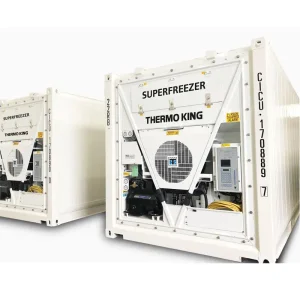
Factory matched interfaces for Thermo King Magnum Plus, Carrier Transicold PrimeLINE, and Daikin LXE series. Each machine unit bolts into the reinforced front bulkhead with double-gasket perimeter elastomeric seals to negate ambient humidity infiltration.
Microclimate & Sensor Ports
Standard inclusion of calibrated USDA cold treatment probe sockets, return/supply temperature thermistors, humidity sensors, and provision for Controlled Atmosphere (CA) nitrogen purging ports to manage respiration rates of climacteric fruits.
Multi-Lip EPDM Hermetic Door Gaskets
Double rear opening leaf doors utilize multi-fin EPDM gasket profiles with thermal isolators. Stainless steel door hardware, forged cams, and anti-racking keeper plates maintain positive gasket deflection under severe dynamic torque at sea.
Inside Reefer Container Dimensional & Thermal Reference Table
Comprehensive engineering specifications for standardized 20ft, 40ft High Cube, and multi-compartment temperature-controlled containers.
| Container Classification | External Dimensions (L × W × H) | Internal Dimensions (L × W × H) | Internal Cubic Volume | Tare Weight (Excl. Machinery) | Max Gross Mass (Payload Cap) | Primary Industrial Use-Case |
|---|---|---|---|---|---|---|
| 20FT Standard Reefer (20RF) | 6,058 × 2,438 × 2,591 mm | 5,444 × 2,290 × 2,275 mm | 28.3 m³ (1,000 cu.ft) | 2,980 kg | 30,480 kg (27,500 kg) | Dense frozen proteins, seafood, pharmaceuticals, field buffer storage |
| 40FT High Cube Reefer (40RH) | 12,192 × 2,438 × 2,896 mm | 11,583 × 2,290 × 2,550 mm | 67.6 m³ (2,387 cu.ft) | 4,480 kg | 34,000 kg (29,520 kg) | Palletized international trade, fresh fruits, vegetables, flowers |
| 40FT Thickened Foam Insulated | 12,192 × 2,438 × 2,896 mm | 11,480 × 2,240 × 2,500 mm | 64.3 m³ (2,270 cu.ft) | 4,850 kg | 34,000 kg (29,150 kg) | Deep-freeze storage (-40°C), extreme heat route stability |
| 20FT Offshore Reefer (DNV 2.7-1) | 6,058 × 2,438 × 2,591 mm | 5,320 × 2,200 × 2,180 mm | 25.5 m³ (900 cu.ft) | 4,200 kg | 15,000 kg – 20,000 kg | Rig provisions, hazardous offshore biological samples, dynamic lifting |
| Dual-Temperature Multi-Zone 40HC | 12,192 × 2,438 × 2,896 mm | Partitioned (60/40 Config) | 62.0 m³ total | 5,100 kg | 34,000 kg (28,900 kg) | Simultaneous chilled (+4°C) and deep frozen (-25°C) distribution |
Note: Internal dimensions, particularly internal length and height, are directly influenced by the selected refrigeration machine face depth and the height of the interior red load limit line. Cargo must never be stacked above the red limit line marked along the interior sidewall perimeter; doing so blocks the return air path to the refrigeration evaporator, disrupting thermal equilibrium and risking catastrophic localized hotspots.
Localized Industry Applications: Cold Chain in Action
How global supply chain directors leverage specialized inside reefer containers to secure mission-critical transport lanes.
Global Pharmaceutical & Biologic Distribution
Strict adherence to GDP (Good Distribution Practice) requires continuous validation between +2°C and +8°C or deep frozen states at -20°C. Our containers utilize redundant temperature datalogging, calibrated multi-point thermistor trees, and modified air ducting to eliminate localized microclimates that could denature sensitive vaccines and biologic therapeutics.
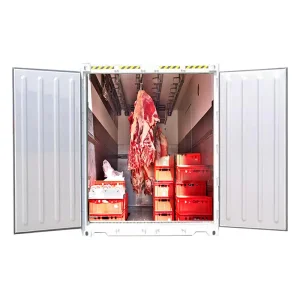
Hanging Meat & Carcass Cold Logistics
Equipped with overhead stainless steel meat hook rail networks, reinforced roof trusses, and anti-sway lateral stabilizers. Carcasses can be loaded directly from abattoir overhead conveyors into the reefer chamber. Deep air exchange channels ensure constant blast chill circulation around every individual carcass during long-haul road and maritime routing.
Controlled Atmosphere (CA) Tropical Fruit Transit
Avocados, bananas, and mangos generate metabolic heat, CO2, and ethylene gas during transit. Our inside reefers integrate active CA systems that reduce oxygen (O2) levels to 2-4% and balance carbon dioxide (CO2), putting produce into biochemical dormancy and dramatically expanding maximum transit times from 18 to over 45 days.
Offshore Energy Rig Provisions & Hazmat Samples
Manufactured to rigorous DNV 2.7-1 / EN 12079 structural safety standards, offshore inside reefers withstand heavy sea impacts, saltwater dousing, and continuous vibration on supply vessels and semi-submersible platforms. Features include certified offshore lifting slings, pad eyes, and explosion-proof machinery options.
Static Modular Cold Storage & Food Buffering
When permanent brick-and-mortar cold storage facilities require prohibitive capital expenditure or extended municipal permitting, stationary inside reefer containers provide turnkey cold room functionality. Fitted with flat interior anti-slip floors, LED interior strip lighting, internal safety releases, and strip curtains, they are ideal for supermarket distribution nodes.
Solar-Hybrid Remote Micro-Grid Cooling
For rural agricultural aggregators and developing markets lacking reliable three-phase power grids, our DC-inverter solar-assisted reefer units pair with rooftop photovoltaic arrays and battery banks. This setup maintains interior cold storage throughout daytime peak thermal loads without costly diesel genset fuel burn.
Technology Roadmap: The Evolution of Inside Reefer Intelligence
Anticipating environmental compliance, natural refrigerant integration, and AI-driven predictive control.
The refrigerated shipping container industry is navigating a transformational shift driven by global ESG mandates, stricter greenhouse gas (F-gas) regulations, and the ubiquitous deployment of IoT sensor networks. Buyers who purchase inside reefer containers today must anticipate regulatory horizons over a 15-year operational asset lifecycle.
Transition to Ultra-Low GWP Refrigerants
Phase-down of R-134a and R-404A in favor of R-513A, R-452A, and carbon dioxide (R-744 CO2 trans-critical systems). Inside evaporator coils and expansion valves are engineered to tolerate higher operating pressures while achieving a Global Warming Potential (GWP) rating approaching zero.
Autonomous Telematics & AI Defrost Cycles
Replacement of static timer-based defrost cycles with machine-learning algorithms monitoring frost accumulation through delta-pressure airflow sensors. Evaporators defrost only when airflow restriction is detected, reducing aggregate energy consumption across a container fleet by 18-24%.
Vacuum Insulation Panels (VIP) Hybrid Core
Combining aerogel vacuum insulation sheets within polyurethane wall cores to achieve U-values below 0.22 W/(m²·K). This permits thinner sidewalls, increasing internal width to accommodate standard Euro-pallets side-by-side without sacrificing overall thermal resistance.
At CIMIC Group, our factory engineering laboratories conduct comprehensive cyclic heat chamber testing, simulated marine vibration testing, and computerized thermal modeling to validate structural and machinery designs against these future standards before production steel is cut.
Procurement Engineering: Buyer's Audit & Inspection Protocol
Essential checklist criteria for shipping lines, forwarders, and institutional buyers inspecting inside reefer builds.
Procuring industrial reefer assets from overseas manufacturers requires technical scrutiny. A compromised thermal envelope or inadequate corrosion mitigation will quickly degrade profitability through spoiled cargo claims, elevated power draws, and premature structural retirement. When vetting an export partner, require proof of the following key milestones:
1. K-Value Thermal Heat Leakage Test
Ensure the manufacturer conducts certified heat transmission tests conforming to ISO 1496-2 / ATP Class FRC specifications. The container must prove that overall thermal transmittance does not exceed 0.35 W/(m²·K) under calibrated ambient temperature deltas.
2. Internal Airtightness & Leak Decay
A pressurized air tightness test measures internal pressure drop over time. An inside reefer must maintain positive pressure with leakage rates under 5 m³/hr at an internal static gauge pressure of 250 Pa. High leakage indicates defective door seals or insulation void channels.
3. Floor Weld & Sub-Floor Load Bearing
Extruded T-bar floors must be supported by transverse floor cross-members rated for dynamic forklift loading up to 5,460 kg axle loads in accordance with ISO standards. Inspect robotic floor seam welds to verify complete seal penetration and water-tight bonding.
CIMIC provides full pre-shipment documentation dossiers, including Bureau Veritas inspection certificates, factory pre-trip inspection (PTI) run logs, dimensional QA sign-offs, and paint dry film thickness (DFT) calibration reports.
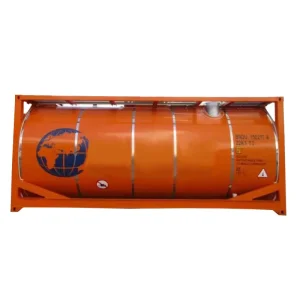
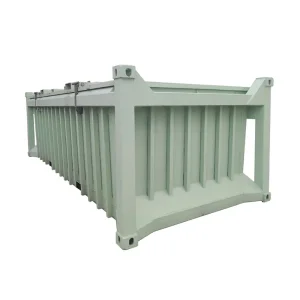
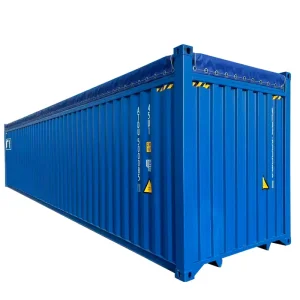
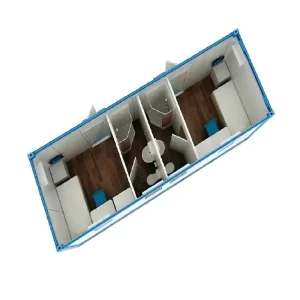
Specialized Freight, Tank Containers & Multimodal Solutions
High-specification equipment engineered for extreme temperatures, cryogenic bulk chemicals, heavy minerals, and intermodal logistical demands.

Frequently Asked Questions: Inside Reefer Engineering & Export
Technical, logistical, and operational answers addressing the core questions of fleet operators and cargo importers.
What defines an "inside reefer container" and how does its internal climate operate?
Which refrigeration machinery brands can be installed into the container front bulkhead?
Why is the internal volume of a reefer container smaller than a standard dry container?
What certifications are provided for maritime, road, and offshore deployments?
Can CIMIC manufacture custom interior layouts like dual-temperature zones or hanging rails?
What is the typical shipping process and export lead time from Tianjin or Suzhou?
How do you handle maintenance, spares, and international warranty coverage?
What are the power supply requirements for inside reefer containers in field or static use?
Request Engineering Drawings & Export Quotation
Connect directly with our Tianjin and Suzhou container engineering divisions. Provide your route specifications, temperature profiles, and machinery requirements for CAD drawings, thermal capacity models, and competitive seaport-direct pricing.