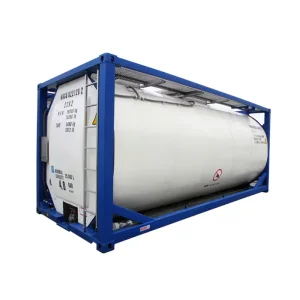
Precision-Engineered Intermodal Fleet Products
Explore BV & ISO standard containers built with Corten weathering steel, high-integrity twist-lock castings, and heavy-duty structural lashing points for multimodal transit security.
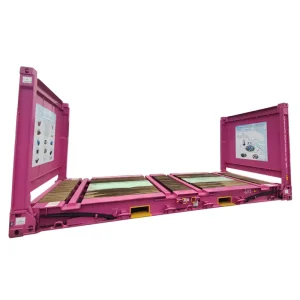
ODM New 20ft Platform Frame Container
Explore Specs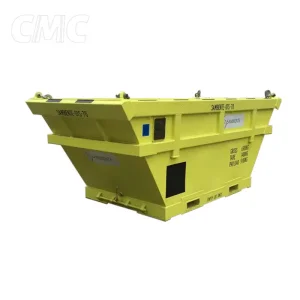
DNV Certified Offshore Silt Basket Container
Explore Specs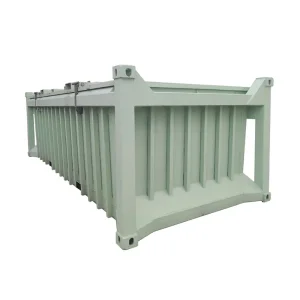
New Half Height Ore Carrier Offshore Container
Explore Specs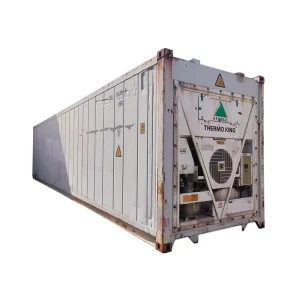
ODM New 40ft Refrigerated Freezer Container
Explore Specs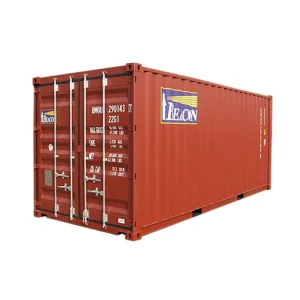
ODM 40ft New Certified Dry Shipping Container
Explore Specs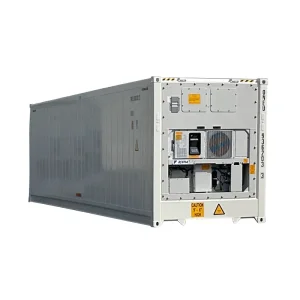
OEM 40ft High-Cube Daikin Freezer Container
Explore Specs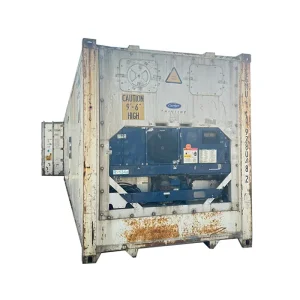
Used 40ft High-Cube Certified Reefer Container
Explore Specs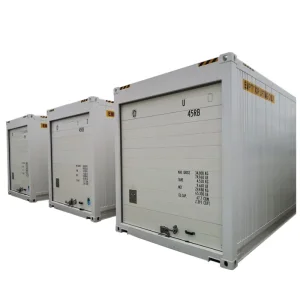
China 40ft High-Cube Roll Up Reefer Container
Explore SpecsThe Architecture of Securing A Shipping Container: Engineering & Risk Mitigation
In modern intermodal freight operations, container security has expanded far beyond simple padlock application. Today, securing a shipping container represents a multi-tiered engineering discipline incorporating metallurgy, anti-racking structural rigidity, electronic cargo seals, and supply chain telemetry.
Global logistics executives face compounding challenges: cargo theft across intermodal hubs has grown increasingly sophisticated, maritime rough-sea dynamics impose extreme accelerations (up to 2.5g vertically and 1.8g transversely), and stringent customs protocols demand non-repudiable audit trails. When international procurement heads search to buy securing a shipping container manufacturer solutions, they require direct engineering collaboration with manufacturers that master both physical perimeter fortification and ISO 1496/CSC structural compliance.
Key Takeaway: The Triad of Cargo Security
True end-to-end container security comprises three inseparable pillars: Structural Integrity (yield strength of SPA-H Corten steel, corner castings rated beyond 86,400 kg), Mechanical Barrier Locking (tamper-proof lockboxes, 4-cam anti-lever locking rods), and Cyber-Physical Telemetry (IoT smart seals with real-time shock, breach, and atmospheric logging).
Anti-Racking Structural Geometry
Under heavy rail switching and dynamic vessel rolling, container frame distortion (racking) allows door gasket separation and mechanical intrusion. Modern automated fabrication incorporates cold-rolled high-tensile end-frame assemblies that resist lateral racking forces up to 150 kN.
Integrated Shrouded Lockboxes
Factory-welded high-security lockboxes enclose master padlocks in 8mm thick hardened steel shields. This impenetrable housing prevents angle-grinder entry, hydraulic bolt-cutter leverage, and thermal lance attacks directly at the container access node.
IoT-Enabled Optical & Pressure Telemetry
Next-generation secured containers integrate low-profile IoT modules into the roof corrugation or reefer machinery housing. These sensors broadcast breach alerts, thermal shifts, and GPS route anomalies via satellite/5G networks to enterprise TMS consoles.
China 4.0: Supply Chain Resilience, Automation & Scale
Tianjin Cimic Imp&Exp Co., Ltd. (founding heritage since 1983) harnesses advanced smart manufacturing clusters around Tianjin and Suzhou ports to deliver unmatched precision, zero-defect welding, and global export scalability.
Robotic Seam Welding
Automated dual-torch robotic welding cells eliminate human error on critical corner posts, longitudinal rails, and perimeter lock-box seals, guaranteeing consistent depth of fusion.
Eco-Friendly Zinc Coating
Continuous automated shot-blasting to SA 2.5 standard followed by waterborne zinc-rich epoxy primers guarantees corrosion resistance exceeding 3,000 salt-spray hours.
Digitized CSC Certification
Every dry, offshore, and reefer unit leaves our production lines with traceable Bureau Veritas (BV) and DNV certificates, complete with stamped CSC safety plates.
Deep Upstream Supply Chain
Direct pipeline agreements with top-tier steel mills provide raw material cost stability and predictable lead times, insulating global buyers from commodity market volatility.
Localized Applications: Meeting Critical Industry Demands
Secured container architectures are deployed across diverse operating theatres—from turbulent offshore platforms in the North Sea to remote lithium mining facilities and cross-continental refrigerated cold chains.
Offshore Exploration & Energy
Offshore oilfields and renewable platforms require containers certified to DNV 2.7-1 / EN 12079 standards. High-impact sling sets, recessed internal lashing rings, and pad-eye reinforcement prevent cargo shifting and structural failure during extreme sea-state crane lifts.
High-Value Pharmaceutical & Reefer Cargo
For high-value perishables, securing a container requires uninterrupted temperature control coupled with door-access auditability. Units equipped with Thermo King, Daikin, or Carrier engines integrate secondary interior panic latches and electronic seal micro-switches.
Mining, Bulk Chemicals & Remote Storage
Transporting dense minerals, caustic chemicals, or critical mining parts requires custom half-height frames, heavy ISO tank containers, or reinforced double-door units designed to resist localized puncture and static floor loading up to 7,260 kg per wheel footprint.
Frequently Asked Technical & Sourcing Questions
Transparent technical answers addressing certifications, structural customization, locking security, and factory export procedures for professional B2B procurement managers.
What is the most effective mechanical locking mechanism for shipping containers?
The industry benchmark is a factory-welded steel lockbox enclosure combined with high-security ISO 17712 'H' Class barrier bolt seals. CIMIC supplies units with hardened anti-cut shrouds that encase the padlock body, preventing unauthorized access via bolt cutters, pry bars, and high-leverage saws.
How does CIMIC ensure structural compliance across multimodal routes?
Every container manufactured at our facilities undergoes strict Bureau Veritas (BV) and ISO quality inspections. This covers longitudinal deflection tests, transverse racking verification under full load, corner casting radiography, and rain tightness testing according to ISO 1496-1 parameters.
Can you provide custom internal lashing rings and tie-down configurations?
Yes. In addition to standard 1,000 kg and 2,000 kg D-rings welded along the top and bottom side rails, our engineering team can incorporate heavy-duty 5,000 kg recess-mounted lashing points, recessed airline tracks, and vertical shoring beams configured directly to your cargo requirements.
What lead times and logistics benefits does your port proximity offer?
With manufacturing facilities strategically located within 100 km of Tianjin and Suzhou major deepwater ports, inland drayage costs are significantly minimized. We provide immediate vessel booking, rapid depot staging, and streamlined customs clearance for international sea delivery.
Advanced Logistics, Chemical & Specialized Equipment
Review our specialized container portfolio including vehicle transport frameworks, ISO liquid tank containers, heavy-duty DNV certified dry cargo boxes, and intermodal tank units.
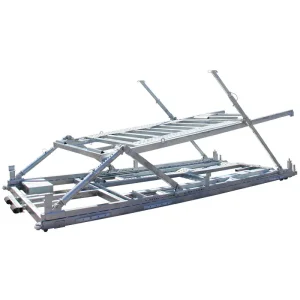
China Vehicle Transport Rack Framework
Explore Specs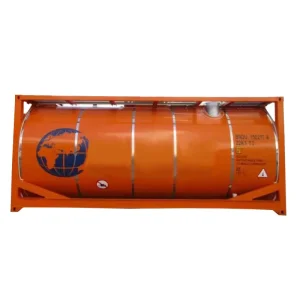
China 20ft ISO Liquid Tank Container for Water
Explore Specs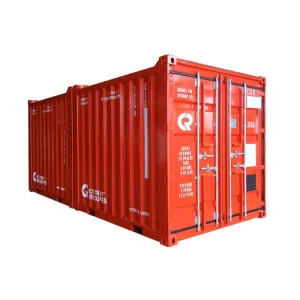
DNV Certification Offshore Dry Cargo Container
Explore Specs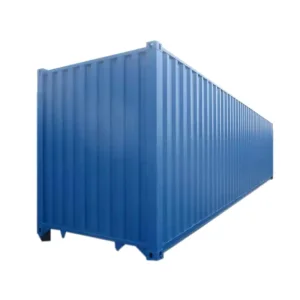
China 40ft High Cube Certified Dry Cargo Container
Explore Specs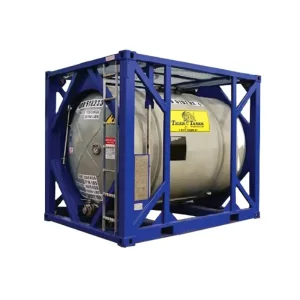
DNV Certification 10ft Offshore Tank Container
Explore Specs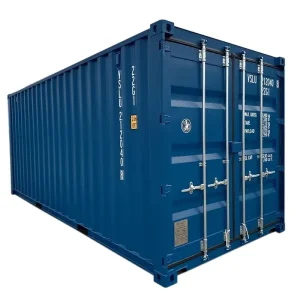
New 20ft Double Door Dry Cargo Shipping Container
Explore Specs
TK SLXI Mobile Power Generation Cooling Unit
Explore Specs