
Featured Industrial Cargo Containers & Cold-Chain Systems
Precision-built standard dry cargo units, cryogenic and liquid chemical ISO tanks, offshore carriers, and advanced inverter-driven cold-storage systems engineered for international multimodal logistics corridors.
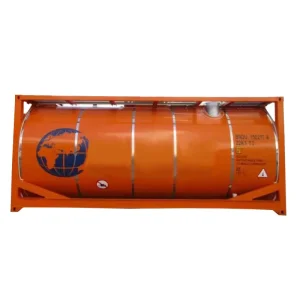 Liquid Bulk
China 20 Foot ISO Liquid Tank Container for Water Manufacturer, Product
View Specifications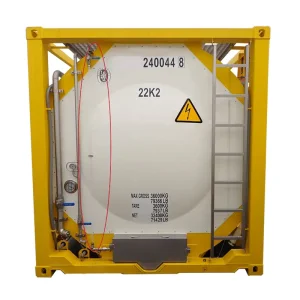 Hazardous / Food
ODM 20ft Tank Container for Alcohol Manufacturer, Quotes
View Specifications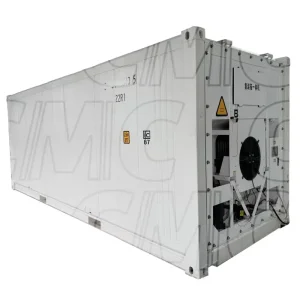 Solar Reefer
ODM The Smart Chain Cold Storage 20ft/40ft Solar Refrigerated Container 220V With DC Inverter Unit
View Specifications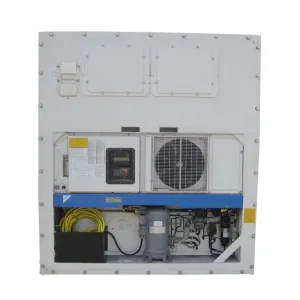 HVAC Machining
Buy Refrigeration Equipment /Cooling Unit For Refrigerated Containers Products, Exporters
View Specifications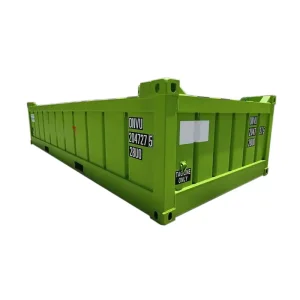 DNV Offshore
ODM New DNV Certification Offshore Half-Height Open Top Container Products, Exporters
View Specifications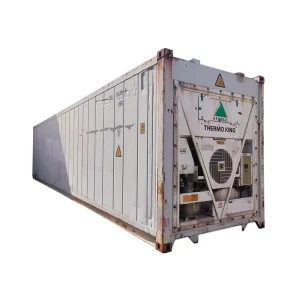 Deep Freeze
ODM New 40ft Refrigerated Freezer Container for Sale Factory, Exporter
View Specifications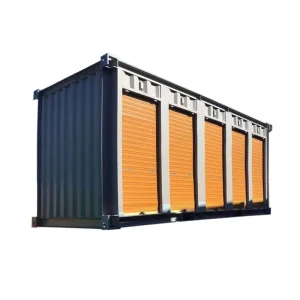 Modular Dry
OEM New 20ft Storage Roll-Up Door Dry Cargo Container Pricelist, Product
View Specifications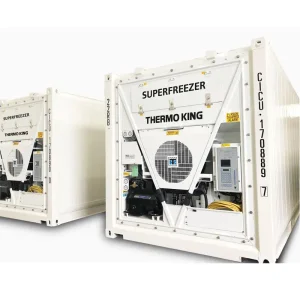 Ultra-Low Temp
OEM New Deep Freezer Refrigerator Container For Sale Factory, Quotes
View SpecificationsState of Global Intermodal Freight Equipment & Typologies
An authoritative analysis of intermodal cargo container manufacturing, market volume trends, structural engineering classifications, and cross-border regulatory compliance.
The international trade network operates upon a foundation of standardized steel modular units governed by the International Organization for Standardization (ISO), primarily standard ISO 668 and ISO 1496. Over 90% of global manufactured goods are transported across water, road, and railway networks via standardized cargo containers. What began in the mid-20th century as a rudimentary method to minimize bulk cargo breakages has evolved into a hyper-specialized, multi-billion-dollar global equipment vertical comprising hundreds of structural configurations, metallurgy variations, and intelligent telematics systems.
Today's international supply chain faces dynamic volatility. Port congestion, multi-modal shifts across Eurasian rail corridors, heightened safety expectations for volatile chemicals, and strict decarbonization targets enforced by the International Maritime Organization (IMO) have accelerated corporate procurement requirements. Procurement officers and supply chain directors can no longer treat freight equipment as homogenous commodity steel boxes. The decision to buy types of cargo containers requires exhaustive structural analysis, payload-to-tare ratio calculation, corrosion protection verification, and lifecycle total cost of ownership (TCO) modeling.
Macroeconomic Shifts & Intermodal Volume Growth
According to global maritime freight statistics, the worldwide fleet of shipping containers exceeds 52 million TEU (Twenty-foot Equivalent Units). While standard General Purpose (GP) dry vans constitute the lion's share of overall capacity, specialized container segments are outpacing basic boxes in annual compound growth rate (CAGR). Advanced refrigeration units (reefers) are experiencing exponential demand propelled by global agricultural trade and high-value biotechnology cold chains. Furthermore, specialized ISO tank containers (UN Portable Tanks) continue to cannibalize traditional flexibags and steel drums due to zero-leakage safety parameters and rapid mechanical turnaround at rail-sea transfer points.
Dry Cargo / General Purpose
The ubiquitous backbone of ocean trade. Engineered with corrugated Corten-A weathering steel, heavy-duty rear swinging cargo doors, and water-resistant laminated marine hardwood or bamboo plywood floors capable of sustaining forklift axle loads exceeding 5,460 kg.
- Available in 20ft GP, 40ft GP, and 40ft High Cube (HC)
- Corner castings tested to 86,400 kg stacking limit
- Full CSC Certification with high security door gear
Precision Reefer & Cold Room
Thermal insulated sandwich panels with closed-cell polyurethane foam, stainless steel exterior/interior lining, extruded aluminum T-floor grating, and integrated refrigeration machinery (Carrier, Thermo King, Daikin) sustaining continuous internal ranges from -40°C to +30°C.
- Advanced microprocessors with remote telematics
- Blast freezer configurations capable of deep chilling
- Low GWP refrigerants meeting EU F-Gas regulations
ISO Liquid & Gas Tanks
Pressurized cylindrical vessels enclosed within a 20-foot standard ISO structural frame. Constructed utilizing 316L austenitic stainless steel, carbon steel, or specialized PTFE lining for potable water, alcohols, hazardous acids, compressed gas, and liquid bitumen.
- IMDG, ADR, RID, US DOT, and ASME Section VIII
- Steam, glycol, or electrical thermal heating jackets
- Capacities spanning 14,000L to 35,000L
Offshore DNV 2.7-1 / EN 12079
Extreme-duty containers built for high dynamic sea forces during crane lifts to and from offshore oil platforms, wind farms, and subsea exploration vessels. Features certified pad eyes, four-part wire rope lifting slings, and sub-zero Charpy impact-tested steels (-20°C).
- Half-height open tops for heavy drilling bits and pipe
- Third-party DNV / Lloyd's Register marine proof test
- Heavy internal tie-down lashings and louver vents
Specialized Architectural & Roll-Up
Engineered for localized storage, rapid access, or intermodal project freight. Incorporates full continuous side-opening bifold doors, architectural roll-up roller doors, removable hard-tops, or heavy-duty vinyl tarpaulins for top-crane loading of out-of-gauge (OOG) machinery.
- Unrestricted side loading for oversized crated cargo
- Dual-end double doors for roll-on / roll-off logistics
- Modular conversion ready for power distribution hubs
Chinese Factory Efficiency: Metallurgy, Automation & Hub Synergies
How Chinese industrial clusters along the Bohai Rim and Yangtze River Delta deliver unprecedented scale, structural consistency, and export velocity for global procurement teams.
China currently produces over 85% to 90% of the world's intermodal shipping containers. This dominance is not simply driven by raw volume; it is the natural consequence of an integrated industrial ecosystem that fuses primary steel production, specialized chemical coatings, automated robotic welding cells, and deep-water maritime infrastructure into a singular, cohesive supply chain.
Factories situated in central manufacturing clusters—such as Tianjin FTA Pilot Area and Suzhou—benefit from immediate proximity to domestic steel giants like Baosteel and Ansteel. This ensures direct access to certified SPA-H / Q345B weathering alloy steel coils without intermediate logistics markups. The metallurgical composition of Corten-A steel provides an atmospheric corrosion resistance 4 to 8 times higher than standard structural carbon steel, forming a dense protective patination layer when exposed to sea spray and atmospheric humidity.
Automated Robotic Assembly
High-precision automated submerged-arc and multi-axis MAG robotic welding lines ensure uninterrupted, pore-free seam integrity across all primary structural members, corner posts, and cross-floor bearers, drastically minimizing human defect rates.
Eco-Friendly Surface Finishing
Full-automated shot-blasting to SA 2.5 profile followed by electrostatic application of waterborne zinc-rich epoxy primers and polyurethane topcoats, cutting VOC emissions while providing 2,000+ hours of ASTM B117 salt-fog resistance.
Port-Proximate Gateways
Manufacturing plants located less than 100 km from major container hubs like Tianjin Port and Shanghai Port drastically reduce inland drayage expenses, guarantee priority terminal gate-in slots, and provide direct vessel feeder connectivity.
Bureau Veritas & Classification QC
On-site permanent surveyor stations from Bureau Veritas (BV), ABS, Lloyd's Register (LR), and China Classification Society (CCS) execute full transverse/longitudinal rigidity, door racking, floor deflection, and air-tightness testing.
ISO Dimensional, Volume & Gross Weight Engineering Matrix
Definitive engineering parameters for shipping containers across standard, refrigerated, high-cube, and open-top variants to optimize payload utilization and freight economics.
| Classification | External Dims (L × W × H) | Internal Dims (L × W × H) | Cubic Vol. | Tare Weight | Max Gross Mass | Optimum Industry Payload |
|---|---|---|---|---|---|---|
| 20' Standard Dry (20GP) | 6,058 × 2,438 × 2,591 mm | 5,898 × 2,352 × 2,393 mm | 33.2 m³ | 2,230 kg | 30,480 kg | Dense minerals, machinery, structural steel, ceramic tiles |
| 40' Standard Dry (40GP) | 12,192 × 2,438 × 2,591 mm | 12,032 × 2,352 × 2,393 mm | 67.7 m³ | 3,740 kg | 30,480 kg | Consumer electronics, automotive spares, apparel, packaged retail |
| 40' High Cube Dry (40HC) | 12,192 × 2,438 × 2,896 mm | 12,032 × 2,352 × 2,698 mm | 76.4 m³ | 3,900 kg | 32,500 kg | High-cube volume freight, light machinery, modular chassis kits |
| 20' ISO Tank Container | 6,058 × 2,438 × 2,591 mm | Cylindrical Vessel Dia: ~2,100 mm | 24,000–26,000 L | 3,650 kg | 36,000 kg | Hazardous chemicals, fuels, potable liquids, pharmaceuticals |
| 40' High Cube Reefer (40RH) | 12,192 × 2,438 × 2,896 mm | 11,583 × 2,290 × 2,557 mm | 67.8 m³ | 4,480 kg | 34,000 kg | Fresh fruits, frozen seafood, biologic pharmaceuticals (-30°C to +30°C) |
| 20' Open Top Container | 6,058 × 2,438 × 2,591 mm | 5,898 × 2,352 × 2,348 mm | 32.5 m³ | 2,350 kg | 30,480 kg | Heavy transformers, sheet glass, overhead crane drop-in cargo |
| Offshore Half-Height DNV | 6,058 × 2,438 × 1,280 mm | 5,860 × 2,240 × 1,020 mm | 13.4 m³ | 2,700 kg | 20,000 kg | Subsea drill collars, iron ore concentrates, marine salvage tools |
*Note on Reefer Interiors: Refrigerated containers incorporate approximately 100mm to 120mm of rigid polyurethane foam core on roof, floor, and sidewalls, in addition to housing the machinery compartment. As a consequence, internal payload volume is reduced compared to dry equivalents, but temperature stability is maintained within ±0.25°C of setpoint across transit periods exceeding 45 days at sea.
Localized Application Scenarios & Strategic Corporate Procurement
Addressing the operational pain points of multinational logistics carriers, mining conglomerates, offshore EPC contractors, and cold-chain operators across key regional environments.
Trans-Eurasian Rail Corridors
Rail operations along the New Silk Road (Yiwu-Madrid, Chongqing-Duisburg) subject rolling stock to severe temperature swings ranging from +40°C in Central Asian deserts to -45°C in Siberian winter plains. Procurement demands specialized thermal insulated lining, cold-resistant door gaskets, and anti-vibration locking rods capable of enduring 4,000+ continuous rail kilometers.
Equatorial Agricultural Cold Chains
Fruit, vegetable, and seafood exporters across West Africa, Southeast Asia, and Latin America face significant post-harvest losses. Enterprise buyers deploy solar-assisted DC inverter refrigerated containers that eliminate reliance on erratic municipal power grids, providing self-sustaining cold storage in remote plantation harvest hubs.
Offshore Oil, Gas & Wind Farm EPC
Marine drilling operations in the North Sea, Gulf of Guinea, and Middle Eastern offshore fields require strict compliance with DNV GL-ST-E271 (DNV 2.7-1). Standard ISO boxes will buckle under dynamic sea-lift loads; our offshore units utilize structural tubular steel frames and magnetic particle inspected (MPI) welds.
Modular Battery Energy Storage (BESS)
The global green energy transition has spawned intense demand for modified 20ft and 40ft High Cube containers transformed into turn-key BESS enclosures, mobile hydrogen refuelers, and data center pods. Features structural cutouts, thermal firewalls (A60 fire class), and HVAC ducting reinforcements.
Industry Trends: Telematics, Solar DC Inverters & Smart Logistics
How technological convergence is transforming the container from a passive steel shell into an active, intelligent asset integrated into global automated supply chains.
The cargo container manufacturing landscape is undergoing its most profound evolutionary leap since containerization was first codified in the 1960s. Driven by artificial intelligence, the Internet of Things (IoT), and global ESG (Environmental, Social, and Governance) mandates, tomorrow's intermodal equipment embodies three core technological transformations:
Active IoT & Satellite Telemetry
Every modern fleet container can be integrated with battery-powered low-power wide-area (LPWAN) and satellite communication transceivers. Sourcing teams receive real-time geolocation, door-open intrusion timestamps, internal atmospheric humidity, multi-axis G-shock impact detection, and temperature anomaly alerts directly into their ERP dashboard.
Solar-Powered DC Inverters
Traditional diesel-generator-dependent reefer boxes are giving way to high-efficiency DC inverter compressors driven by rooftop photovoltaic arrays and onboard LiFePO4 battery banks. These reduce fuel expenditures by up to 60%, drastically lower acoustic decibels in urban freight yards, and provide zero-emission cold chain compliance.
Decarbonized Green Steel & Recycled Plywood
In response to European CBAM (Carbon Border Adjustment Mechanism), Chinese tier-one foundries are adopting electric arc furnace (EAF) steelmaking techniques that cut embedded carbon per container by 35%. Concurrently, traditional tropical hardwood flooring is systematically replaced with FSC-certified sustainable fast-growth moso bamboo composite.
Engineered Gas Tanks, High-Cube Carriers & Open Top Solutions
Explore specialized pressure vessels, heated bitumen carriers, side-access distribution containers, and soft/hard top units designed for heavy industrial operations.
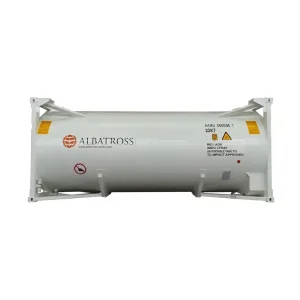 Gas Vessel
China 25000 Liters ISO 20ft Gas Tank Container for Sale Product, Factories
View Specifications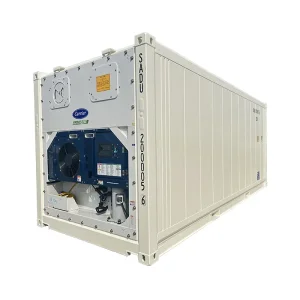 Carrier Unit
High-Quality New 40ft High Cube Carrier Refrigerator Freezer Cold Room Product, Exporters
View Specifications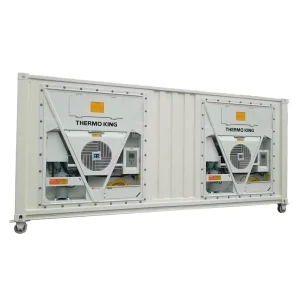 Classification Cert
High-Quality The new blast reefer containers are certified by classification societies Manufacturers, Factories
View Specifications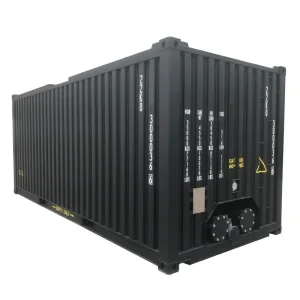 Heated Asphalt
China 20 Feet Heated Shipping Asphalt Container Exporter, Manufacturers
View Specifications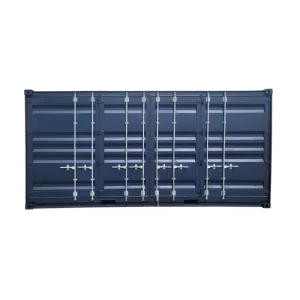 Full Side Access
High-Quality New 20ft Customized Side Door Dry Cargo Shipping Container Factory, Product
View Specifications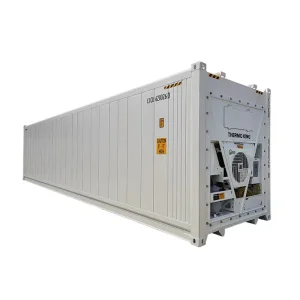 High-Cube Reefer
OEM New 40ft High-Cube Certified Reefer Shipping Cargo Container Pricelist, Product
View Specifications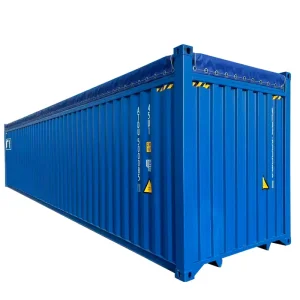 Tarpaulin Cover
Buy 40ft High-Cube New Soft Open Top Shipping Container with Tarpaulin Cover Manufacturer, Product
View Specifications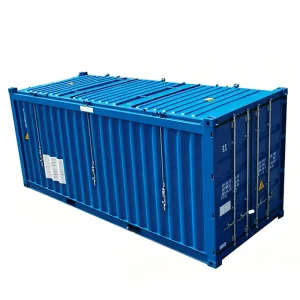 Steel Hard Roof
China 20ft New Hard Open Top Shipping Container Manufacturer, Factories
View SpecificationsFrequently Asked Technical & Commercial Questions
Clear, engineering-backed answers addressing structural certifications, OEM/ODM customizations, inspection protocols, and export logistics from Chinese production hubs.
What specific metallurgical certifications are mandatory when purchasing new cargo containers?
Containers built for commercial sea freight must strictly comply with ISO 1496-1 structural criteria. Primary wall corrugations, corner posts, and perimeter rails must be manufactured from certified atmospheric corrosion-resistant Corten-A (SPA-H / Q345B) steel, accompanied by Mill Test Certificates (MTC). Additionally, every operational unit must bear a valid CSC (Container Safety Convention) Safety Plate issued by an IACS-member classification society (e.g., Bureau Veritas, ABS, CCS, or Lloyd's Register), verifying structural testing under 9-high fully laden stacking loads (86,400 kg gross).
How do you guarantee temperature integrity in deep-freeze blast reefer containers?
Our deep-freeze reefers and blast freezing containers utilize high-density, high-pressure injected polyurethane foam insulation (zero ODP) achieving thermal conductivity (K-value) below 0.38 W/m²K. Coupled with world-class refrigeration machinery from Thermo King (Magnum Plus), Carrier (PrimeLINE), or Daikin, units can sustain pull-down temperatures down to -40°C or -60°C (ultra-deep freeze models) even in tropical ambient environments reaching +50°C, backed by automatic defrost management and air exchange sensors.
Can custom OEM / ODM side doors or roll-up doors be built without invalidating ISO classification?
Yes. When adding continuous side-open bifold doors or roll-up shutters for rapid warehousing access, structural load paths are disrupted. Our engineering team compensates by reinforcing upper and lower side rails with thickened high-tensile hollow structural steel sections (HSS). The finalized drawing is submitted to Bureau Veritas (BV) for Finite Element Analysis (FEA) and witnessed physical prototype destruction testing, ensuring a valid CSC safety plate remains affixed for unrestricted intermodal transport.
What is the standard export delivery protocol from Tianjin or Suzhou factories?
Buyers have two primary export choices: One-Way Free-Use (Cabotage) or Shipper Owned Container (SOC) Direct Loading. Under SOC export, containers are moved directly from our factory staging yard (100 km from the quay) to the container terminal, gated in, and loaded onto the booked vessel as an empty equipment parcel or laden with the buyer's own export freight, minimizing dead-freight positioning penalties.
What safety protocols govern your 20ft ISO liquid and gas tank containers?
All ISO liquid and chemical tanks conform strictly to the UN Portable Tank (T-Code) specification, IMDG Code for maritime hazardous goods, RID for European rail, and ASME Section VIII Boiler and Pressure Vessel Code. Vessels feature 316L stainless steel shell plates cold-rolled and 100% radiographic X-ray tested on longitudinal seams, equipped with pressure relief valves, bursting discs, bottom foot-valve emergency remote shutoff cables, and optional electric/steam heating channels.
What is the expected structural service life and maintenance cycle of new Corten steel containers?
A genuine Corten-A steel container subjected to commercial international ocean routes typically delivers an operational service life of 15 to 25+ years. Routine maintenance involves periodic inspection of EPDM door gasket elasticity, zinc-rich paint touch-ups over abrasion scars, and lubrication of door hinge pins and cam locks. For stationary on-site cold storage or modular housing applications, structural longevity routinely surpasses 30 years.
Accelerate Your Fleet Procurement With Direct Factory Engineering
Whether you require a standard parcel of 40ft High Cube dry vans, specialized DNV-certified offshore mining skips, or custom temperature-controlled solar reefer systems, our Tianjin and Suzhou engineering divisions provide comprehensive CAD drawings, classification approvals, and turnkey ocean export delivery.