Engineered Heavy-Duty Shipping Containers
High-specification intermodal units meeting CSC, ISO 1496-1, and international classification society approvals for ocean and railway freight.
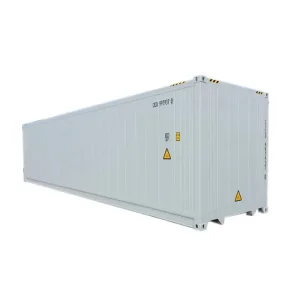
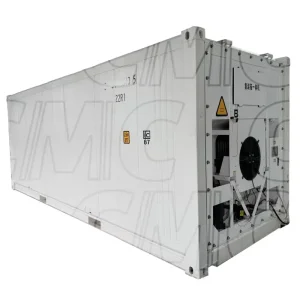
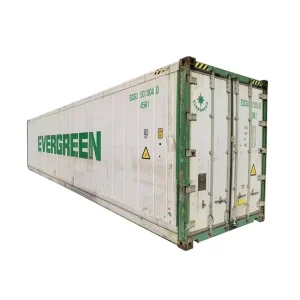
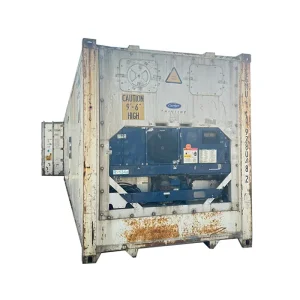
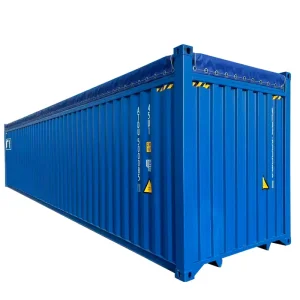
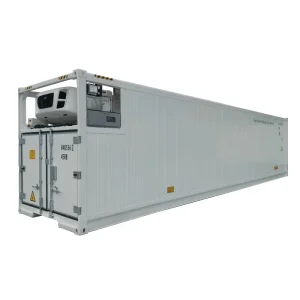
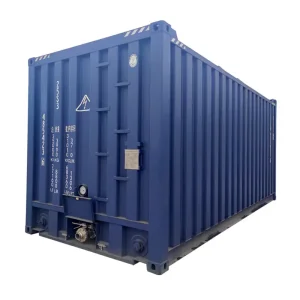
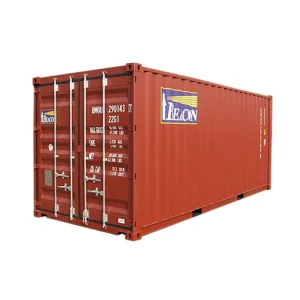
Global Commercial Status of 20 Ft Dry Containers
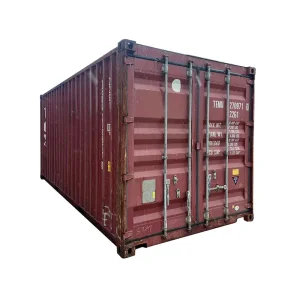
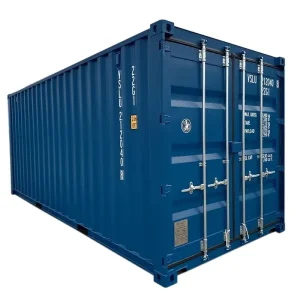
As the core foundation of intermodal transport, the standard 20-foot general purpose container (ISO 20GP) continues to dominate dense cargo transits, resource mining distribution, and flexible supply networks.
High-Density Freight Handling
While 40-foot containers accommodate voluminous consumer cargo, the 20 ft dry container is universally recognized as optimal for concentrated weight goods. Mineral concentrates, refined chemicals, building machinery, architectural ceramics, and grain products prioritize the 20GP form factor to meet gross weight constraints without underutilizing interior space.
Intermodal Routing Agility
International shipping networks leverage 20 ft dry units for land-sea bridge corridors, such as the Trans-Eurasian railway routes and secondary feeder ports across Africa and Latin America. Its compact profile facilitates easy crane navigation, simpler drayage trailer handling in congested urban networks, and reduced tare weight impacts.
Asset Valuation & Secondary Resiliency
20 ft dry units retain the highest secondary market liquidity worldwide. With a normalized service life of over 15 to 25 years when built from SPA-H Corten steel, these assets provide high residual value after marine retirement, quickly transitioning into on-site self-storage, architectural conversions, and modular structural installations.
China Factory Supply Chain Resilience & Export Advantage
China manufactures over 90% of global ISO intermodal dry containers, supported by raw material integration, robotics, and port logistics speed.
Vertically Integrated Upstream Materials
From top-tier domestic blast furnaces delivering weather-resistant SPA-H atmospheric corrosion-resistant hot-rolled coils to multi-ply certified Apitong or Keruing hardwood floorboards, Chinese factories avoid component bottlenecks. Scale procurement ensures stable unit costing against global commodity fluctuations.
Automated Robotic Assembly Lines
Production lines integrate multi-axis robotic CO2 shielded arc welding, precision punch press forming for side panel corrugation, and automatic shot blasting reaching Sa 2.5 cleanliness standards. This guarantees microscopic primer penetration and airtight joint integrity across every manufactured lot.
Proximity to Coastal Mega Hubs
Manufacturing centers located roughly 100 km from deepwater seaports like Tianjin and Shanghai slash intermodal repositioning overheads. Units roll off final quality assurance ramps directly onto chassis trailers, obtaining customs clearance and vessel berthing slots with minimal logistics delay.
Standard 20 Ft Dry Cargo Container Specifications
Engineered to comply with ISO 668, ISO 1161, and ISO 1496-1 dimensional tolerances and strength criteria.
| Structural Parameter | Imperial Dimension | Metric Dimension | Engineering Specification / Material |
|---|---|---|---|
| External Length | 19' 10.5" | 6,058 mm (+0, -6 mm) | Heavy-gauge longitudinal side sills (SPA-H Corten) |
| External Width | 8' 0" | 2,438 mm (+0, -5 mm) | Crossmembers integrated into structural corner castings |
| External Height | 8' 6" | 2,591 mm (+0, -5 mm) | Corner post vertical yield limit ≥ 345 MPa |
| Internal Length | 19' 4" | 5,898 mm | Clear interior unobstructed cargo envelope |
| Internal Width | 7' 8.5" | 2,352 mm | 1.6mm corrugation profiled side panels |
| Internal Height | 7' 10" | 2,393 mm | Roof camber design for water runoff protection |
| Door Opening Dimensions | 7' 8.1" (W) × 7' 5.7" (H) | 2,340 mm (W) × 2,280 mm (H) | Forged steel locking gear with anti-rack cam keepers |
| Internal Cubic Capacity | 1,172 cu.ft | 33.2 cu.m | Optimized for palletization and bulk loose cargo |
| Tare Weight | 4,850 lbs | 2,200 kg ± 2% | Lightweight high-strength steel formulation |
| Maximum Payload | 62,350 lbs | 28,280 kg | Floor tested to handle 5,460 kg axle forklift loads |
| Max Gross Weight (MGM) | 67,200 lbs | 30,480 kg | Certified by BV / ABS / CCS / DNV classification |
| Flooring System | 1.1" thickness | 28 mm marine-grade | Treated plywood / bamboo composite (anti-pest treated) |
Localized Engineering & Operational Scenarios
Adapting standard 20 ft dry containers across global operational terrains, climates, and regional industrial requirements.
Arid & Tropical Maritime Regions
For equatorial logistics along African and Southeast Asian coastlines, high UV index and saline spray accelerate surface degradation. We apply heavy-build zinc-rich epoxy primers combined with polyurethane topcoats exceeding 120 microns total dry film thickness (DFT), paired with labyrinth labyrinth-style air breather vents to eliminate condensation while stopping water ingress.
Sub-Zero Rail Transit Corridors
Units servicing northern rail freight over Central Asia and the Nordics operate in ambient conditions down to -40°C. Structural steel grades receive Charpy V-notch impact validation to avert brittle fracture along stress-bearing corner posts, while door gaskets utilize low-temperature EPDM elastomers that retain flexible sealing memory under severe frost.
On-Site Modular Deployment
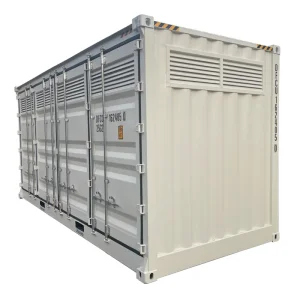
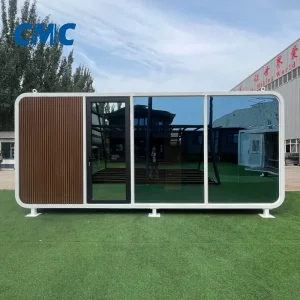
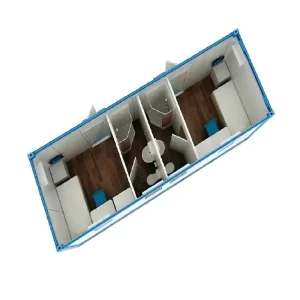
Across regional mines, infrastructure projects, and urban development zones, 20 ft dry shipping units provide self-contained structural integrity. Pre-engineered forklift pockets, inner cargo lashing rings rated to 1,500 kg each, and standardized corner castings allow turnkey conversion into power inverter enclosures, tool shelters, or modular housing.
Technology Roadmap & Sustainable Manufacturing Outlook
Integrating IoT intelligence, green metallurgy, and low-emission coatings to build the next generation of shipping containers.
Eco-Friendly Waterborne Coatings
In compliance with global VOC restrictions, our factory operations run 100% waterborne paint application lines. This reduces volatile chemical release during drying cycles while preserving superior corrosion protection against salt fog and industrial moisture exposure.
Built-In Smart Telematics & IoT
Modern dry container fleets are shifting from passive steel boxes to active data nodes. We offer integrated chassis brackets and sensor cavities for solar-harvested micro-trackers that report GPS geolocation, shock/impact alerts, unauthorized door openings, and internal humidity levels directly to fleet management platforms.
Renewable Flooring Composites
To combat tropical deforestation, our technical route transitions from traditional tropical hardwood veneers to high-density fast-growing hybrid bamboo composites and recyclable synthetic polymer decking. These alternatives deliver equal or greater flexural strength while reducing lifecycle carbon footprints.
International Compliance & Regulatory Certifications
Every 20 ft dry container carries international certification to ensure seamless clearance across worldwide customs, terminals, and transport authorities.
CSC Safety Approval Plating
Containers are fitted with stainless steel International Convention for Safe Containers (CSC) plates. Each plate documents structural type approvals, maximum gross weights, stacking test allowances (up to 216,000 kg for 9-high stacking), and dynamic racking resistance values.
Classification Society Witnessing
Our manufacturing runs undergo random prototype destructive testing and continuous inline validation overseen by Bureau Veritas (BV), ABS, CCS, or LR. Testing includes longitudinal floor bending, transverse racking, roof loads, door header integrity, and air/water tightness checks.
TCT Wood Quarantine Treatments
Timber flooring components undergo Timber Treatment Certification (TCT) in compliance with Australian Department of Agriculture, Fisheries and Forestry (DAFF) biosecurity requirements. Treatment options include pressure impregnation with micronized copper quat (MCQ) or zinc-based preservatives to avoid quarantine delays.
Frequently Asked Questions for Importers & Fleet Buyers
Clear, practical answers covering technical specs, ordering workflows, and custom options for dry cargo containers.
What is the structural difference between Corten SPA-H steel and standard carbon steel?
Corten SPA-H is an atmospheric corrosion-resistant copper-chromium alloy steel. When scratched or exposed to humidity and salt fog, it forms an oxide patina that seals the underlying metal and stops progressive rusting. Standard carbon steel flaking causes fast structural degradation, making genuine Corten essential for marine longevity.
Can 20 ft dry shipping containers be exported with cargo inside (One-Way / Shipper Owned)?
Yes. We supply SOC (Shipper Owned Container) units certified for one-way export loading. We register the prefix codes and provide valid CSC certificates so your freight forwarder or logistics company can load them with export cargo directly from China, significantly cutting empty positioning costs.
What door configurations and interior access options can be engineered?
Beyond standard end double doors, our factories build double-end access units (tunnel containers), full-side opening bi-fold doors (open sides), roll-up shutters, and customized security lockboxes. Custom floorings including anti-slip chequered steel plates or aluminum flat decks are also available.
How does China factory lead time and MOQ operate for specialized dry containers?
Standard RAL-color 20 ft dry containers typically run with low MOQs (often 1 to 5 units depending on current production cycles). Lead times run from 2 to 3 weeks for standard specifications. Highly tailored OEM/ODM modifications (side doors, insulation framing) typically require 3 to 5 weeks from approved CAD drawings.
Specialized Modular & Intermodal Container Portfolio
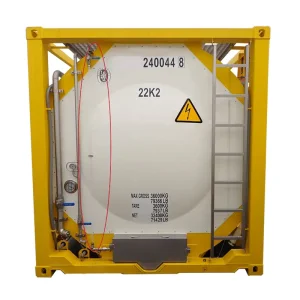
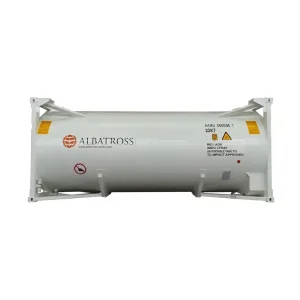
From ISO gas tanks to modular prefabricated units, explore our specialized export models engineered to international standards.