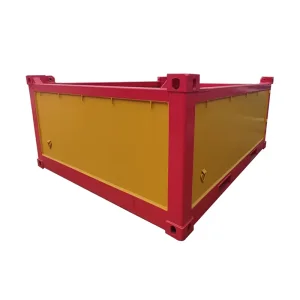
Offshore / DNV 2.7-1
Verified Bureau Veritas (BV) and DNV-certified structural configurations ready for worldwide maritime export.
Evaluating trade corridor bottlenecks, geopolitical circumnavigations, steel pricing, and the structural fundamentals of Chinese container production.
In global trade logistics, enterprise procurement leaders frequently conflate two distinct economic metrics: spot ocean container freight rates (the variable maritime shipping tariff charged per FEU/TEU across carriers like Maersk, MSC, or COSCO) and ex-factory capital container asset acquisition rates (the structural production price of new ISO intermodal boxes manufactured in Chinese fabrication hubs). Over the 2024–2026 shipping cycle, disruptions in traditional transit arteries—most notably the Red Sea crisis necessitating extended voyages around the Cape of Good Hope—absorbed substantial TEU capacity, driving severe localized equipment deficits in Western logistics terminals.
Consequently, multinational forwarders, energy syndicates, and supply chain operators have shifted from leasing dependence to direct asset capital investment. By procuring container assets directly from premier Chinese manufacturing yards in Tianjin and Suzhou, logistics entities hedge against ocean rate volatility, avoid crippling demurrage and detention (D&D) penalties, and secure continuous cargo movement across volatile trade lanes.
Container production costs correlate directly with raw Corten-A / SPA-H weather-resistant alloy prices. Chinese smelters maintain vertically integrated rolling mills that mitigate spot metallurgical inflation, guaranteeing stable quotation schedules for dry and refrigerated box frames.
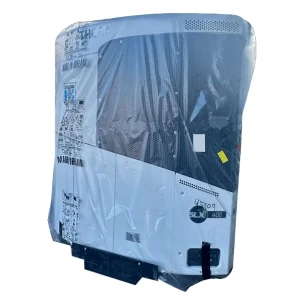
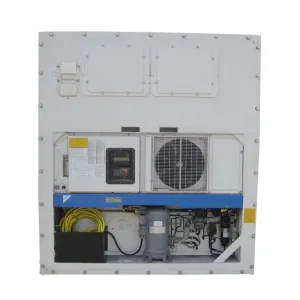
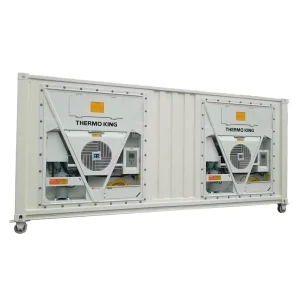
Surging global cold-chain demands across pharmaceuticals, biologics, and premium horticulture have strained reefer manufacturing supply. Direct access to Daikin, Thermo King, and Carrier refrigeration units within Chinese assembly bays enables rapid turnaround on blast reefer units.
Shipper-Owned Containers (SOC) empower freight managers to bypass ocean liner equipment monopolies. Procuring certified new or IICL-graded used containers directly from Tianjin ports provides instant asset ownership, eliminating port detention fees upon arrival in emerging markets.
How four decades of fabrication heritage, clustered port ecosystems, and tight QA controls optimize delivered container economics.
Our core manufacturing complexes in Tianjin FTA Pilot Area and Suzhou sit under 100 km from world-class maritime container terminals. This spatial alignment eliminates inland drayage delays, prevents pre-carriage bottlenecks, and slashes domestic handling tariffs.
Automated gantry welding fixtures deliver continuous seam integrity across corner posts, headers, and corrugated side strakes. Every welded joint exceeds ISO 1496 tensile criteria, preventing maritime ingress under extreme torsional pitching.
Corten structural steel receives high-velocity SA 2.5 shot-blasting followed immediately by multi-coat marine epoxy primer and polyurethane topcoats. This barrier formulation achieves verified C5-M extreme marine corrosion resistance.
Independent classification society surveyors inspect material mill certs, witness non-destructive weld testing (NDT), verify CSC safety data plates, and issue valid BV shipping certificates directly on the factory staging apron prior to export.
The convergence of satellite mesh networking, high-efficiency insulation cores, and circular manufacturing standards.
The traditional "passive steel box" is undergoing structural digitization. International maritime decarbonization mandates from the IMO, coupled with real-time supply chain transparency demands, have catalyzed the adoption of active intelligent nodes. CIMIC engineering divisions are actively deploying integrated telematics architectures, cryogenic phase-change thermal envelopes, and sustainable metallurgical formulations that fundamentally transform fleet operational lifetimes and lower aggregate lifecycle emissions.
Next-gen dry and reefer units feature recessed, solar-assisted IoT transceivers transmitting door-open timestamps, internal shock metrics, atmospheric humidity, and GPS coordinates via Iridium satellite fallback when deep sea vessels exit cellular coastal ranges.
New insulated and blast reefer shells utilize 4th-generation hydrofluoroolefin (HFO) blowing agents. These eco-formulations achieve thermal conductivity coefficients (K-values) down to 0.30 W/m²K, slashing compressor electrical draw by up to 28% under extreme ambient temperatures.
Hybrid flooring systems replacing tropical hardwood veneers with basalt-fiber reinforced recycled thermoplastics. This technical substitution yields significant tare-weight reductions, increasing legal payload ceilings for dense road-rail corridors while remaining impervious to moisture decay.
Engineered structural modifications responding directly to harsh environmental operational profiles.
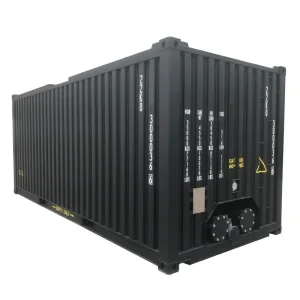
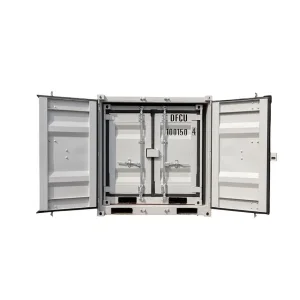
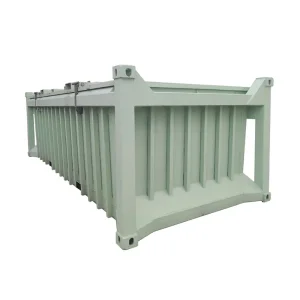
DNV 2.7-1 and EN 12079 certified offshore baskets and half-height mineral containers designed for crane dynamic impact, side loading, and saltwater spray on harsh North Sea and Gulf of Guinea drilling rigs.
Deep-freeze blast units fitted with Thermo King Magnum Plus or Carrier PrimeLINE units capable of holding -40°C to -60°C core temperatures for bluefin tuna, sea fisheries, and blood plasma logistical transport.
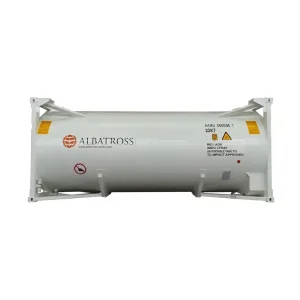
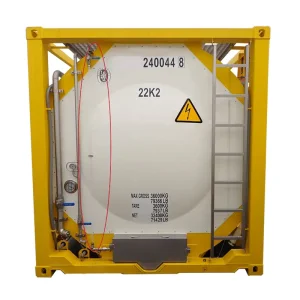
Heavy-gauge 316L stainless steel pressure vessels with steam heating tubes and polyurethane insulation for cross-border transit of food-grade ethyl alcohols, corrosive chemicals, and industrial hydrocarbons.
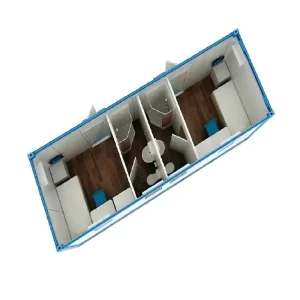
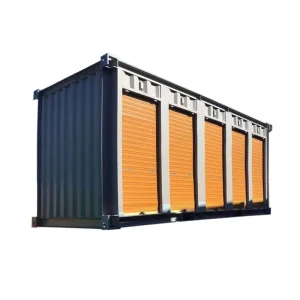
Factory-modified ISO high cubes re-engineered with load-bearing perimeter cutouts, pre-installed conduits, thermal break studs, and interior rockwool acoustic fireproofing for remote workforce camps and luxury pods.
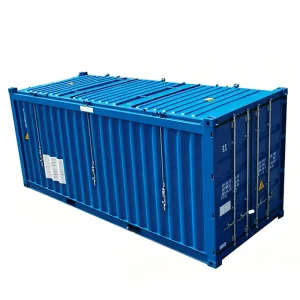
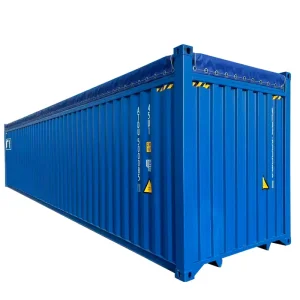
Hard and soft open-top containers equipped with removable steel roof bows, weather-sealed heavy tarpaulins, and swinging header gates engineered specifically for overhead gantry crane charging of industrial heavy machinery.
Reference guide for structural calculation, tare-weight planning, and payload capacity allocation.
| ISO Configuration | Ext. Dimensions (L×W×H) | Int. Volume | Tare Weight | Max Gross Mass | Max Payload | Primary Industrial Utility |
|---|---|---|---|---|---|---|
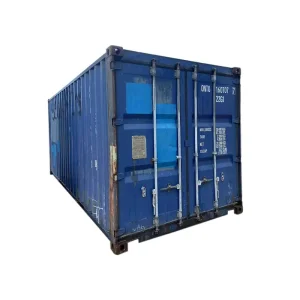
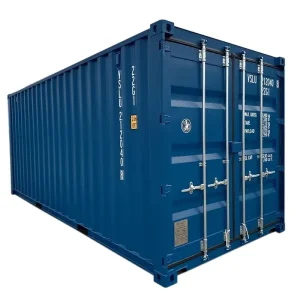
| 20ft Standard Dry (20GP) | 6.058 × 2.438 × 2.591 m | 33.2 m³ | 2,200 kg | 30,480 kg | 28,280 kg | Dense mineral ores, industrial machinery, ceramics |
| 40ft High Cube (40HC) | 12.192 × 2.438 × 2.896 m | 76.3 m³ | 3,900 kg | 32,500 kg | 28,600 kg | Voluminous retail cargo, consumer electronics, modular pods |
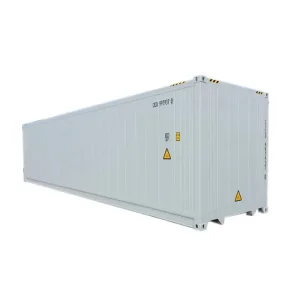
| 40ft HC Reefer (40RH) | 12.192 × 2.438 × 2.896 m | 67.6 m³ | 4,600 kg | 34,000 kg | 29,400 kg | Temperature-critical seafood, poultry, pharmaceuticals |
| 20ft ISO Tank Container | 6.058 × 2.438 × 2.591 m | 25,000 L | 3,650 kg | 36,000 kg | 32,350 kg | Bulk hazardous chemicals, liquid beverages, food ethanol |
| DNV 2.7-1 Offshore Basket | Custom Lengths (10–40ft) | Open Matrix | Variable | Up to 25,000 kg | Certified Lifting | Drill pipes, subsea blowout preventers, offshore tools |
| 20ft Hard Open Top | 6.058 × 2.438 × 2.591 m | 32.1 m³ | 2,450 kg | 30,480 kg | 28,030 kg | Overheight mining pumps, raw lumber, foundry castings |
Ensuring zero border stoppages through worldwide statutory certification and localized destination assistance.
Every container leaves our Tianjin factory permanently affixed with a heavy-gauge stainless steel International Convention for Safe Containers (CSC) plate detailing stacking loads (up to 216,000 kg), transverse racking values, and timber treatment certificates.
Fabrics and door lock systems strictly conform to the Customs Convention on the International Transport of Goods (TIR). Heavy-duty cam keepers and tamper-evident fastener guards prevent illegal entry without breaking visible customs seal locks.
For refrigerated reefers headed to European Union corridors, units are produced and certified under the ATP agreement on the International Carriage of Perishable Foodstuffs, validating insulation degradation rates and active cooling performance.
Authoritative technical, commercial, and logistical clarity for global procurement executives.
Engineered liquid bulk tanks, insulated cubes, used fleets, and modular accommodation structures ready for global export.