
Standard & Specialized Intermodal Product Range
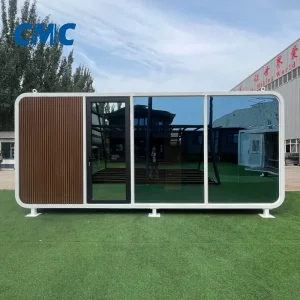
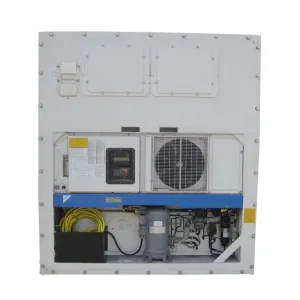
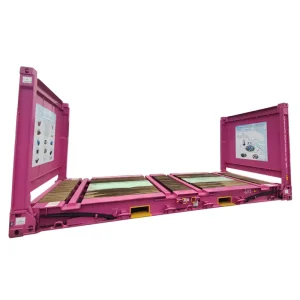
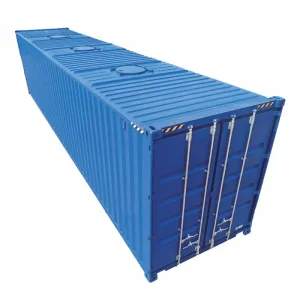
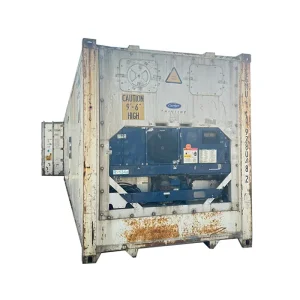
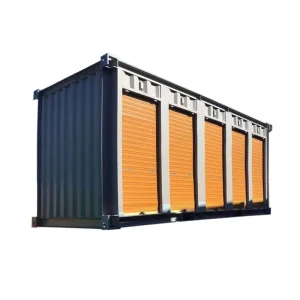
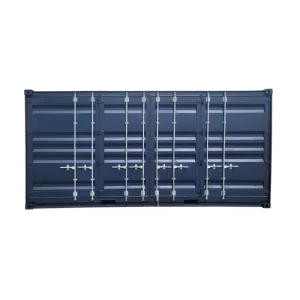
Explore our top-tier inventory of prefabricated modular enclosures, high-efficiency refrigeration assemblies, platform flat racks, and customized dry cargo units ready for immediate worldwide deployment.
Global Shipping Cost Container Economics & Exporter Architecture
Analyzing the total cost of ownership (TCO), material cost indices, intermodal positioning imbalances, and strategic procurement advantages from China's primary container production hubs.
In modern global trade, international procurement directors face unprecedented volatility across ocean freight tariffs, raw material surcharges, and localized equipment shortages. When industrial buyers evaluate a China shipping cost container exporter & manufacturer, the core purchase consideration goes far beyond the headline factory gate price (FOB). Today's supply chain leaders evaluate landed multi-year economic value: structural corrosion resistance, structural payload-to-tare ratio, international classification society certification life, and the logistics cost of positioning newly fabricated equipment directly into commercial revenue lanes.
China continues to manufacture over 90% of the world's intermodal shipping containers, centered around world-class industrial clusters in Tianjin, Suzhou, Shanghai, Qingdao, and Guangdong. The strategic integration of steel production, high-speed automated rolling lines, specialized polyurethane foaming chemical plants, and immediate deepwater seaport proximity enables Chinese manufacturers to compress manufacturing cycle times while maintaining strict adherence to ISO 668, ISO 1496, and CSC (International Convention for Safe Containers) regulations.
Strategic Insight: Balancing Container Asset Purchase vs. Shipping Cost Fluctuations
Procuring shipper-owned containers (SOC) directly from Chinese export manufacturers drastically mitigates demurrage, detention, and carrier-owned container (COC) rental surcharges. During seasonal freight spikes and regional geopolitical disruptions, shipping lines impose restrictive equipment turnaround conditions. Owning certified intermodal containers gives energy operators, agricultural producers, infrastructure conglomerates, and intermodal leasing funds autonomous control over cargo storage, cross-border multi-stop staging, and secondary market disposition.
China Factory 4.0: Supply Chain Resilience & Efficiency Advantages
How robotic seam welding, automated environmental coating systems, and vertical industrial integration optimize structural integrity while lowering container production overhead.
Corten-A Weathering Metallurgy
High-yield SPA-H atmospheric corrosion-resistant steel forms dense protective copper-phosphorus-chromium oxide patinas. This metallurgy eliminates catastrophic structural delamination under harsh maritime salinity, reducing recoating maintenance intervals and extending overall operational lifecycles beyond 25 years.
Robotic Submerged Arc Welding
Precision six-axis automated robotic gantries perform continuous multi-pass submerged arc welding along corner castings, side corrugations, and floor crossmembers. Every joint undergoes non-destructive ultrasonic testing (NDT) to prevent micro-fissuring and guarantee watertightness under full dynamic flex loads.
Waterborne Epoxy Eco-Coatings
In compliance with stringent global VOC emissions criteria, our automated electrostatic coating lines apply multi-layer zinc-rich epoxy primers followed by heavy-duty polyurethane topcoats (120+ microns total DFT). This formulation provides proven 1,500+ hour salt-spray chamber resistance.
Modular CAD/CAM Reconfigurable Line
From standard ISO 20ft/40ft dry containers to complex side-open doors, roll-up shutter access, insulated offshore tool carriers, and apple-cabin modular units, our digital shop-floor system retools jigs in under 4 hours, drastically reducing lead times on customized OEM/ODM fabrication runs.
Deepwater Port Co-Location
Our core manufacturing yards in Tianjin and Suzhou sit within 100 kilometers of the world's highest-throughput container berths. This proximity cuts expensive overland drayage, guarantees immediate carrier booking allocations, and delivers one-way cargo loading opportunities for overseas buyers.
Full Bureau Veritas & DNV Certification
Each structural assembly undergoes stringent prototype testing witnessed by IACS surveyors: 9-high stacking load tests (up to 216,000 kg), longitudinal racking tests, wall strength deflection trials, and offshore dynamic sling pull testing according to DNV 2.7-1 / EN 12079 standards.
Technical Benchmarks: Standard, Reefer, Offshore & Modular Classes
Compare physical dimensions, volume displacement, tare weight limits, structural payload ratings, and specific international compliance benchmarks across key container categories.
| Container Classification | External Dimensions (L × W × H) | Internal Clearance (L × W × H) | Cubic Capacity | Max Gross Mass | Primary Industrial Applications | Compliance Rating |
|---|---|---|---|---|---|---|
| 20ft Standard Dry (20GP) | 6,058 × 2,438 × 2,591 mm | 5,898 × 2,352 × 2,393 mm | 33.2 m³ | 30,480 kg | High-density freight, heavy machinery, raw minerals, steel components | ISO 1496-1 / CSC / BV |
| 40ft High Cube Dry (40HC) | 12,192 × 2,438 × 2,896 mm | 12,032 × 2,352 × 2,698 mm | 76.4 m³ | 32,500 kg | Voluminous e-commerce goods, retail consumer products, furniture, vehicle parts | ISO 1496-1 / CSC / ABS |
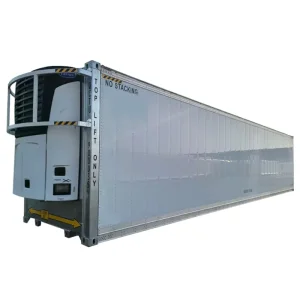
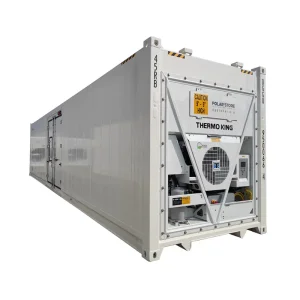
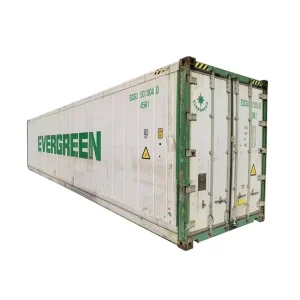
| 40ft HC Reefer (Cold Chain) | 12,192 × 2,438 × 2,896 mm | 11,583 × 2,290 × 2,544 mm | 67.5 m³ | 34,000 kg | Chilled produce, seafood, meat, pharmaceuticals, active biologicals | Carrier / Thermo King / Daikin |
| 20ft Platform Flat Rack | 6,058 × 2,438 × 2,591 mm | 5,940 × 2,400 × 2,233 mm | Open Profile | 45,000 kg | Out-of-gauge (OOG) transformers, construction machinery, marine propulsion | ISO Heavy-Load Tested |
| 20ft DNV Offshore Basket / Box | 6,058 × 2,438 × 2,591 mm | 5,840 × 2,200 × 2,250 mm | 28.9 m³ | 15,000 - 20,000 kg | Subsea extraction, drilling tools, offshore chemical transport, marine deck gear | DNV 2.7-1 / EN 12079 |
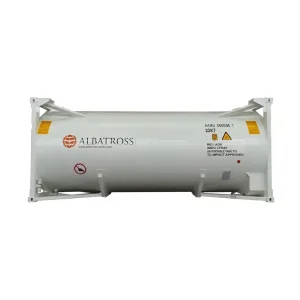
| 20ft ISO Intermodal Gas/Liquid Tank | 6,058 × 2,438 × 2,591 mm | 25,000 L (Vessel Interior) | 25.0 m³ | 36,000 kg | Hazardous chemicals, liquid food products, cryogenics, industrial solvents | ASME / IMDG / RID / ADR |
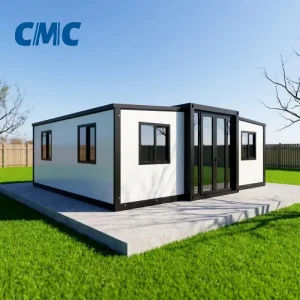
| 20ft Modular Prefab Pod / Cabin | 6,058 × 2,438 × 2,896 mm | 5,800 × 2,200 × 2,500 mm | 31.9 m³ | 12,000 kg | Mining camp housing, field command offices, commercial glamping capsules | CE / Structural Wind Tested |
Purchasing teams must verify that cubic volume constraints align with axle load limits in destination transit corridors. In European and North American inland drayage, high-density freight frequently maxes out gross legal road weight inside a standard 20ft container before filling its 33.2 cubic meters of space. Conversely, global shippers transporting finished goods, electronics, and prefabricated building pods leverage the vertical clearance advantage of 40ft High Cube containers (2.896m external height) to reduce landed freight charges per freight-ton by up to 28% compared to standard twenty-foot equivalent units (TEUs).
Localized Application Scenarios: Cross-Continental Value Realization
How leading enterprises across maritime logistics, energy exploration, global cold chains, and rapid infrastructure leverage China-manufactured shipping containers.
Remote Mining Camps & Infrastructure Quarters
Deployment Context: Large-scale copper extraction in Chile, bauxite mining in Guinea, and desert railway construction in the Middle East demand rapid structural shelter that withstands 50°C temperature deltas.
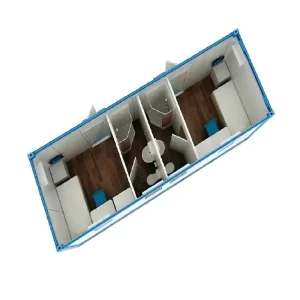
Engineering Solution: Our factory-integrated 20ft and 40ft modular accommodation containers arrive completely pre-wired with flame-retardant rockwool insulation (A1 fire class), aluminum alloy windows, integrated HVAC channels, and sanitary plumbing. Flat-pack modular versions allow 4 units to be interlocked into a single ISO footprint, shrinking ocean freight repositioning costs by 75%.
Ultra-Low Temperature Cold Chain Logistics
Deployment Context: High-value marine seafood exports from Southeast Asia to the EU and temperature-critical biomedical distribution require micro-fluctuation temperature controls within ±0.25°C.
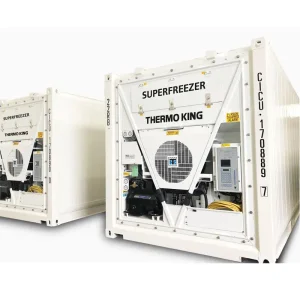
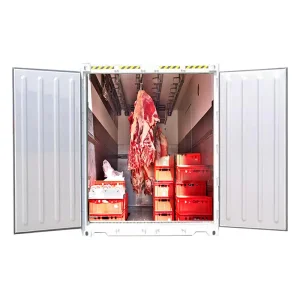
Engineering Solution: Integrating premium Carrier Transicold, Thermo King Magnum Plus, or Daikin LXE units with high-density polyurethane vacuum insulation foam panels. Equipped with micro-grooved stainless steel T-flooring and automated atmosphere management, these reefers ensure continuous fresh air exchange and dehumidification while operating efficiently under high ambient marine humidity.
Offshore Energy Support & Rig Servicing
Deployment Context: North Sea, Gulf of Mexico, and West African deep-sea exploration vessels encounter severe dynamic shock loads, green sea impact, and salt fog corrosion.
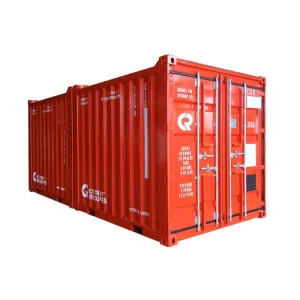
Engineering Solution: Engineered strictly to DNV 2.7-1 and EN 12079 criteria, our offshore dry cargo boxes, tool carriers, and open baskets feature heavy structural steel tubular sections, pad eyes rated for dynamic sling loads up to 45° angles, and special cold-temperature Charpy V-notch impact-tested steels (-20°C standard, -40°C arctic options).
Urban Self-Storage & Fast E-Commerce Staging
Deployment Context: Metropolitan industrial parks in Europe and the Americas require modular, tamper-proof, multi-compartment storage vaults for decentralized last-mile fulfillment.
Engineering Solution: OEM customized containers fitted with commercial-grade roll-up shutter doors, partition bulkheads, internal high-security lockboxes (Puck locks), and ventilation louvers. These units arrive finished and ready for immediate drop-off, converting vacant land into revenue-generating self-storage facilities within 48 hours of port customs discharge.
Strategic Drivers of Shipping Container Total Cost of Ownership (TCO)
Analyzing CapEx acquisition, freight repositioning, one-way cargo loading efficiencies, and ongoing residual salvage value in international container fleet deployment.
A procurement audit conducted across multinational transport operators confirms that container acquisition costs constitute only 40% to 55% of the total 10-year asset ownership expense. The remaining financial balance is determined by three pivotal variables: repositioning freight costs from point-of-origin, frequency of structural reconditioning, and terminal liquidation value.
1. One-Way "Cabotage" Optimization
Rather than shipping brand new containers empty ("deadheading") on ocean carriers, our factory export operations coordinate with premier freight forwarders and NVOCCs to load certified containers with benign commercial cargo bound for your target destination. This one-way arrangement frequently offsets between 60% and 100% of the transoceanic positioning freight.
2. Standardized Spare Parts Availability
Every hinge pin, EPDM rubber door gasket seal, locking bar rod, cam keeper, and marine floor screw follows exact ISO dimensional specifications. Overseas depot operators can replace parts immediately without sourcing proprietary components, eliminating prolonged port dwell times and costly out-of-service periods.
3. High Residual Secondary Value
Because of strict Corten-A chemical compositions and superior weld penetration, containers manufactured by certified Chinese export facilities retain up to 65% of their original acquisition value after a decade of commercial intermodal service, providing robust exit liquidity when recycling fleets into the stationary storage market.
Frequently Asked Questions on Sourcing Containers From China
In-depth technical answers addressing manufacturing quality, export customs, CSC classification, refrigeration machinery options, and SOC container logistics economics.
For standard ISO 20ft and 40ft dry containers, batch fabrication runs generally require 15 to 25 calendar days upon drawing sign-off and raw material booking. Highly customized units—such as side-opening doors, custom roll-up shutter access, specialized DNV offshore baskets, or integrated modular container cabins—typically range between 30 and 45 days, which includes prototype jigging, robotic welding setup, multi-coat paint curing, and surveyor inspection.
Every intermodal container manufactured at our facility is issued a valid stainless steel CSC safety approval plate. This plate certifies the container's structural compliance with ISO standards, approved stacking gross weight (standard 216,000 kg for 9-high stacked vessels), racking limits, and timber floor quarantine treatment (such as Australian AQIS standards). Without a valid CSC plate, shipping lines will refuse to load containers onto commercial ocean vessels.
Shipper-Owned Containers (SOC) belong to the cargo owner or industrial buyer rather than the ocean liner (Carrier-Owned Container or COC). Using SOC containers eliminates per-day demurrage and detention penalties during port congestion, inland transport delays, or prolonged storage periods on project sites. For remote infrastructure projects and multi-month logistics routing, deploying SOC containers significantly lowers operational cost risk.
Our reefer containers can be fitted with world-leading industrial refrigeration machinery based on client preference, including Carrier Transicold (ThinLINE, PrimeLINE), Thermo King (Magnum Plus), and Daikin (Zestia, LXE). All systems feature global warranty support, automated digital temperature data logging, micro-ventilation, and optional dual-power electricity/diesel generator (genset) interfaces.
We source mill-certified Corten-A weathering steel (SPA-H chemistry) exclusively from leading Chinese steel mills, complete with full traceability mill test certificates (MTC). The manufacturing line applies automated shot-blasting to Swedish SA 2.5 standards to strip mill scale before spraying zinc-rich epoxy primer and durable polyurethane topcoats. Our coating systems are tested to withstand over 1,500 continuous hours in neutral salt spray chambers without blistering.
Yes. To eliminate empty positioning freight charges, our export operations collaborate with international freight forwarders to identify non-damaging export cargo (such as boxed consumer goods or palletized dry freight) destined for your regional port. The revenue earned from this one-way transport leg offsets ocean freight costs, allowing you to take delivery of factory-fresh containers at your destination port at near-FOB economics.
Specialized Heavy-Duty & Custom Equipment
Certified offshore DNV cargo boxes, high-capacity chemical tank containers, deep-freeze cold chain systems, and expandable modular shelters built to rigorous international engineering standards.
Accredited Quality Control: From Raw Slab to Port Terminal Delivery
Every unit undergoes end-to-end quality validation supervised by certified IACS marine surveyors, ensuring complete structural reliability across intermodal transport networks.
Bureau Veritas (BV) Type Approval
Continuous production oversight guarantees dimensional precision to ISO 668, diagonal variance under 3mm, and certified wall panel strength. All certificates are archived and available for import customs clearance worldwide.
DNV 2.7-1 Dynamic Testing
Units bound for offshore service undergo 2.5× gross mass vertical drop impact trials, structural sling pull examinations, and cryogenic Charpy impact testing to guarantee flawless operation on offshore oil platforms and support vessels.
Pre-Trip Cold Chain Inspection (PTI)
Prior to release, every reefer container undergoes an automated 6-hour PTI diagnostic cycle: checking refrigerant pressures, compressor draw, sensor calibration, defrost cycles, and chamber airtightness via precision smoke testing.
Accelerate Your Container Procurement From China
Contact our export engineering team in Tianjin today. Request complete technical CAD blueprints, factory FOB/CIF pricing models, and explore one-way loaded logistics opportunities to optimize your landed container investment.