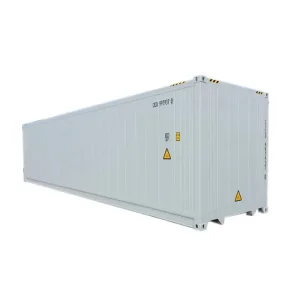
China Storage Container Trailers Factory & Exporters
A Comprehensive Technical Sourcing Guide on High-Yield Intermodal Chassis, Custom ISO Storage Platforms, Cold-Chain Haulage, and Offshore Heavy Machinery Supply Chains.
High-Spec Storage Containers & Intermodal Haulage Equipment
Direct export configurations engineered to ISO/CSC/DNV criteria, integrating high-strength Corten steel, smart thermal units, and multi-lock chassis adaptations.
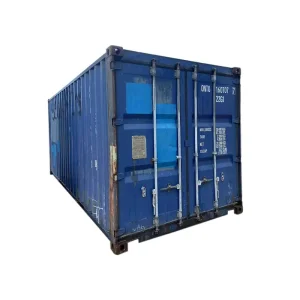
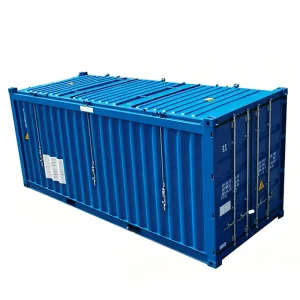
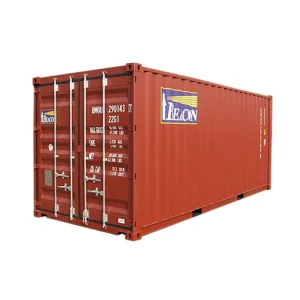
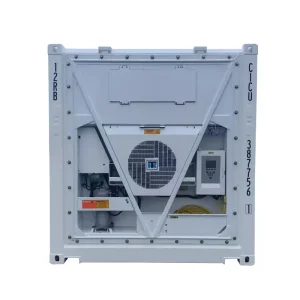
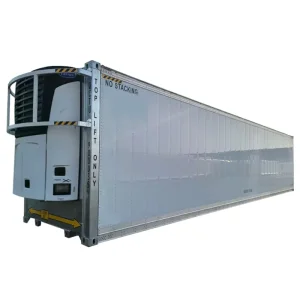
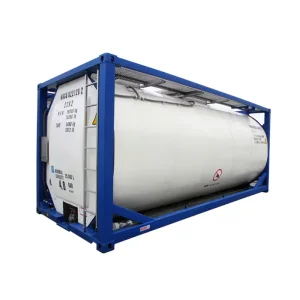
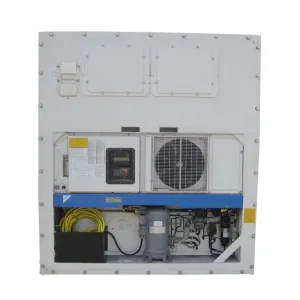
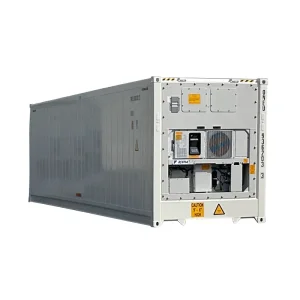
Structural Superiority: Why Global Fleets Source from China
The convergence of advanced metallurgy, robotics welding ecosystems, and coastal intermodal consolidation has established China as the undisputed nexus for container trailer manufacturing.
SPA-H Corten Steel Integrity
Modern Chinese container trailer fabrication utilizes heavy-gauge SPA-H atmospheric corrosion-resistant steel. This metallurgy creates a protective passive layer against harsh maritime humidity, extreme salt-mist environments, and continuous road torsion stress, ensuring prolonged operational life exceeding 20 years.
Automated Submerged-Arc Welding
Structural chassis longitudinal beams and side-rails undergo automated submerged arc welding with laser seam trackers. The result is total structural penetration without residual thermal deformation, yielding fatigue resistance designed to absorb high-impact dock landings and rough transcontinental terrain.
End-to-End Intermodal Modularization
With immediate access to specialized roll-lock mechanisms, pneumatic air suspension configurations, and twist-lock interfaces, Chinese production plants provide unmatched modular adaptability. From drop-deck container chassis to multi-point skeletal trailers, fleet integration is instantaneous.
The Next Frontier: Smart, Green & Multi-Modal Haulage
Global decarbonization mandates and supply chain telemetry requirements are reshaping container trailer manufacturing worldwide.
Solar-Hybrid Reefer Energy
Integrating ultra-thin monocrystalline rooftop solar panels into trailer-mounted cold containers to trickle-charge backup battery banks, cutting diesel generator runtime on long-haul routes by up to 35%.
High-Tensile Lightweighting
Adoption of T700/Q690 high-strength micro-alloyed steels reduces empty trailer tare weights by over 800 kg per chassis, directly increasing legal freight payload margins and reducing haulage fuel burn.
Integrated IoT & Telematics
Modern export units embed smart sensors that stream real-time twist-lock engagement, tire pressure monitoring (TPMS), payload weight deviation, and ambient temperature directly to central cloud platforms.
Zinc-Rich Eco Coatings
Environmental governance has accelerated the transition to waterborne polyurethane paints and thermal-sprayed zinc treatments, yielding superior salt-spray testing compliance exceeding 1,500 hours without red rust.
Engineered for High-Stress Industrial Ecosystems
From trans-desert mineral logistics to pharmaceutical cold chains, structural specifications align with exact regional operational environments.
Offshore Energy & Rig Logistics
High dynamic loads require certified DNV 2.7-1 / EN 12079 pad eyes, offshore container slings, and specialized trailers capable of handling deck impacts and wave motions in offshore oil fields and wind farm servicing hubs.
Mining & Bulk Heavy Minerals
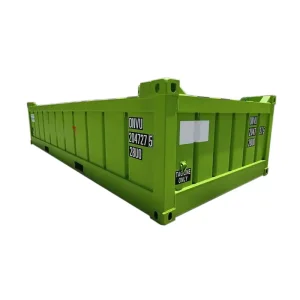
Half-height open-top containers combined with multi-axle heavy-duty tipping trailers permit continuous dumping and loading of dense ores, bauxite, and scrap metals without risking chassis distortion or structural fatigue.
Pharmaceutical & Perishable Cold Chain
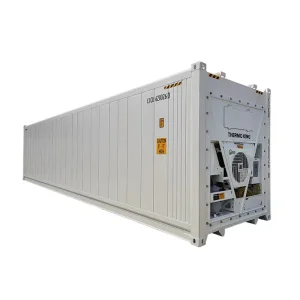
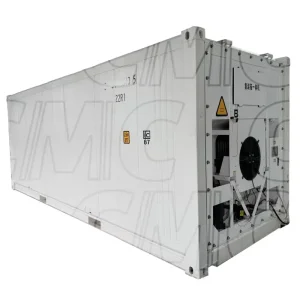
Custom 40ft High Cube reefer units coupled with Carrier X4 or Daikin inverter refrigeration systems ensure unwavering thermal uniformity between -30°C and +30°C across thousands of continuous road transit kilometers.
Enterprise Buyer Blueprint: Evaluating Factory Capabilities
Critical checkpoints for purchasing directors, supply chain VPs, and fleet operators when contracting container trailer manufacturers in China.
Classification Society Verification
Demand documented factory classification survey certificates (BV, ABS, Lloyd's Register, or DNV). Validate CSC (International Convention for Safe Containers) safety approval plates to guarantee global port acceptance.
Mechanical Fit-Out & Axle Standards
Ascertain origin of critical wearing parts: Fuwa or BPW axles, JOST landing gear, WABCO braking relays, and ISO twist locks ensure spare-parts availability across European, African, and American distributor networks.
Inland Haulage Port Proximity
Factory location plays a crucial role in reducing inland transport costs. Operating manufacturing hubs within 100 km of primary seaports like Tianjin minimizes drayage costs, prevents chassis transit damage, and stabilizes shipping windows.
Frequently Asked Technical & Sourcing Questions
In-depth responses resolving engineering tolerances, MOQ policies, certifications, and international delivery protocols.
What is the standard production cycle for custom OEM/ODM container trailers?
For standard ISO dry and skeletal trailer builds, lead times typically run 20–30 days. Specialized customizations—such as DNV-certified offshore frames, multi-door side modifications, or specialized explosion-proof chemical tank integrations—require 35–45 days inclusive of classification surveyor inspections.
How do you guarantee corrosion resistance on sea-bound equipment?
All structural steel undergoes SA 2.5 grit blast surface preparation, followed immediately by a two-component zinc-rich primer, an epoxy intermediate coating, and a polyurethane topcoat with a minimum total dry film thickness (DFT) of 120–140 microns, fully validated by cross-hatch adhesion and salt spray testing.
Can you provide factory-fitted reefer units from Tier-1 refrigeration brands?
Yes. As an authorized engineering integrator, we supply new and certified used reefer containers outfitted with genuine Carrier, Thermo King, and Daikin scroll compressor machinery, pre-tested with 24-hour continuous PTI (Pre-Trip Inspection) thermal logs prior to release.
What export documentation accompanies custom container trailer shipments?
Each delivery includes the Commercial Invoice, Packing List, Clean On-Board Bill of Lading, Certificate of Origin (CO/Form E/Form A), BV/ISO Third-Party Quality Inspection Certificate, and individual CSC Safety Approval certificates.
Modular, Offshore & Special Purpose Intermodal Fleet
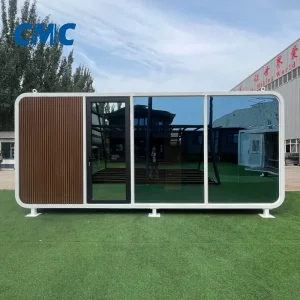
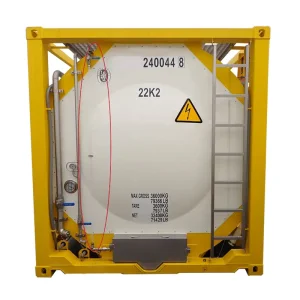
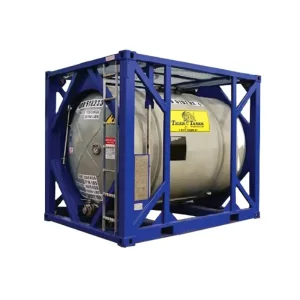
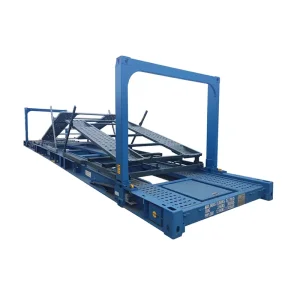
Explore heavy-load vehicle carriers, foam-insulated storage boxes, modular office pods, and DNV offshore chemical frames engineered to order.