
High-Specification Dangerous Goods & Thermal Containers
Explore engineered container units designed for certified hazardous material isolation, chemical cold chains, and extreme environmental durability.
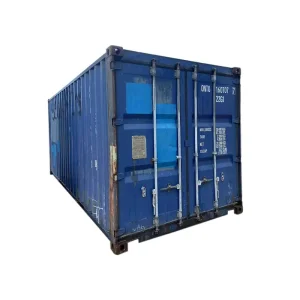
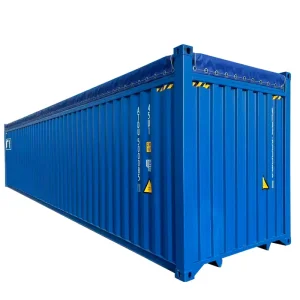
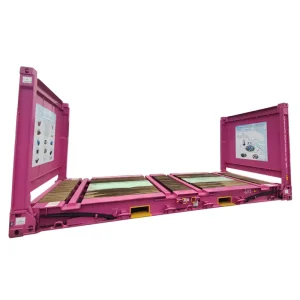

Executive Summary: Navigating Global Dangerous Goods Logistics
Analyzing the structural shifts, market velocity, and safety imperatives defining the industrial dangerous goods container sector worldwide.
Global Dangerous Goods Logistics Volatility
The modern intermodal logistics sector operates under stringent safety regulations governed by the International Maritime Organization (IMO) and the International Maritime Dangerous Goods (IMDG) Code. Moving hazardous cargo—ranging from Class 1 explosives and Class 3 flammable liquids to Class 9 lithium-ion energy storage systems—demands purpose-engineered container hardware.
As global supply chains expand across complex geopolitics and harsh climates, enterprise buyers are moving away from standardized intermodal boxes toward highly specialized, explosion-proof, temperature-monitored dangerous goods containers engineered for maximum containment integrity and zero-incident handling.
Lithium Energy & Chemical Storage Boom
The global transition to renewable energy and electric vehicles has created unprecedented demand for Class 9 certified storage solutions. Off-grid energy storage systems (ESS), raw battery precursor chemicals, and recycled battery packs present unique thermal runaway hazards during transit.
Modern dangerous goods containers now incorporate active gas detection, integrated liquid fire suppression, automated side-door ventilation panels, and specialized floor containment sumps designed to trap toxic chemical spills or battery electrolyte leakages before environmental contamination occurs.
Enterprise Sourcing Intent & Technical Requirements
Understanding the strict procurement metrics, engineering specifications, and custom OEM/ODM parameters demanded by global energy, defense, and chemical conglomerates.
Explosion-Proof Electrical Systems
Procurement teams sourcing containers for Class 3 flammable liquids (petroleum, solvents) or Class 2 hazardous gases demand ATEX and IECEx certified internal wiring, junction boxes, and HVAC cooling units. All electrical components must prevent sparking under hazardous atmosphere Class I, Division 1 conditions.
Bunded Floor Spill Containment
In compliance with environmental protection mandates, famous dangerous goods containers feature integrated steel catchment sumps welded into the sub-floor. Designed with galvanised steel grating and drain valves, these sumps capture up to 25% of the container's total fluid volume in case of drum ruptures.
CSC & DNV 2.7-1 Structural Rating
Offshore logistics operators require high-yield structural steel (SPA-H Corten) capable of enduring dynamic wave-impact stresses. Containers destined for energy platforms must hold DNV 2.7-1 / EN 12079 certification, featuring pad-eyes tested for non-destructive testing (NDT) sling lifting loads.
Engineering Architecture of Next-Generation Dangerous Containers
A deep dive into structural steel alloys, thermal insulation science, active safety integration, and telemetry systems.
Advanced Metallurgical & Structural Integrity
Dangerous goods containers undergo structural stress far exceeding standard dry cargo boxes. Manufactured using heavy-gauge SPA-H Corten atmospheric corrosion-resistant steel, the exterior corrugated wall panels provide structural yield strengths exceeding 345 MPa. For highly corrosive chemical transport, internal linings are customized with 316L stainless steel sheets or acid-resistant epoxy polyurethane coatings.
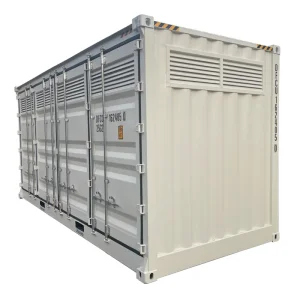
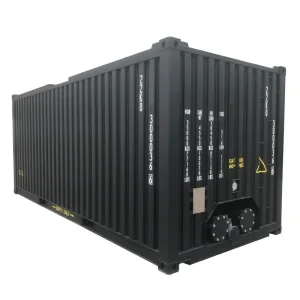
Side-opening door mechanisms are reinforced with multi-point locking bars, heavy-duty EPDM rubber seals, and mechanical hold-back latches to facilitate side loading via forklifts while preserving gas-tight seal integrity under torsional flexure during maritime transport.
Active Fire Suppression & Gas Venting
Safety engineering incorporates automatic pressure-relief louvers and explosion venting louvers designed to pop open at predetermined PSI thresholds, relieving internal pressure during thermal expansion. Sealed chemical units feature integrated FM200 or Novec 1230 clean agent fire suppression systems connected to smart gas sensors that detect VOCs, carbon monoxide, or thermal spiking instantly.
Technical Blueprint Specifications
- Structural Alloy: SPA-H Corten Steel (JIS G3125)
- Insulation Foam: High-Density Polyurethane (K-val 0.022)
- Spill Sump Standard: 110% Single Vessel / 25% Total Vol
- ATEX Rating: Zone 1 / Zone 2 Ex-d IIB T4 Gb
- Temperature Range: -40°C to +70°C Operational
- Telematics Integration: Satellite IoT + Real-time Temp/Humidity
Dangerous Goods Classification & Container Specification Matrix
Comprehensive technical mapping aligning IMDG hazardous material classes with engineered container safety configurations.
| HazMat Class | Primary Hazard Description | Container Material Spec | Ventilation & Safety Tech | Compliance Standards |
|---|---|---|---|---|
| Class 2 (Gases) | Compressed, Liquefied, Dissolved Gases | Corten-B Steel with Thermal Lining | Natural Louvered / Forced Mechanical Vents | ISO 1496-3, IMDG Code Part 6 |
| Class 3 (Flammables) | Flammable Liquids (Solvents, Fuels) | Reinforced Steel + Bunded Sump Floor | ATEX Zone 1 Fans, Spark-proof Wiring | ADR/RID, US DOT CFR 49, CSC |
| Class 4.1 / 4.2 | Flammable Solids & Spontaneous Combustibles | Insulated Polyurethane Core Wall Panel | Active Temperature Monitoring Telematics | ISO 6346, Bureau Veritas (BV) |
| Class 8 (Corrosives) | Acidic & Alkaline Corrosive Liquids | 316L Stainless Interior / Epoxy Coating | Sealed Internal Sump, Acid Drain Valve | ASME VIII, DNV 2.7-1 (Offshore) |
| Class 9 (Misc / ESS) | Lithium Battery Systems, Hazardous Goods | Fire-Rated Rockwool/Steel Sandwich Panel | Novec 1230 Suppression, Thermal Cameras | UN 38.3, NFPA 855 Storage Standard |
Macro Supply Chain & Cross-Border Freight Solutions
Tailored container architectures for oceanic shipping, transcontinental rail networks, and remote offshore energy platforms.
"Belt and Road" Rail Logistics
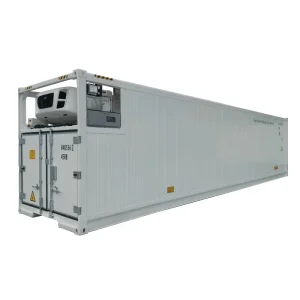
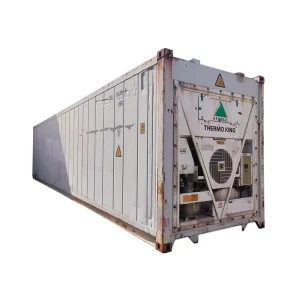
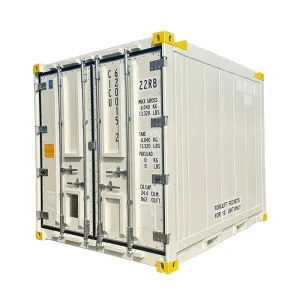
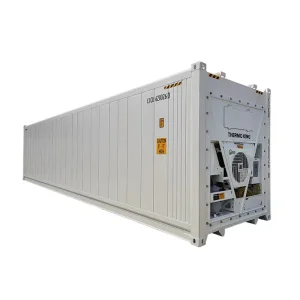
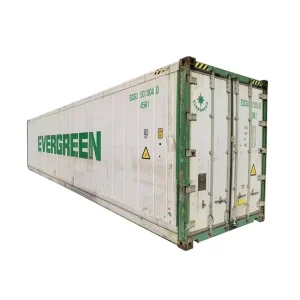
Long-distance intermodal rail corridors across Central Asia and Europe require specialized 40ft High Cube and 45ft refrigerated and insulated dangerous goods units. Fitted with dual-power diesel generator sets and smart temperature monitoring, these containers preserve cargo integrity through extreme winter ambient temperatures reaching -40°C.
Offshore Energy Platforms
Deep-water drilling rigs and offshore wind farms require specialized DNV 2.7-1 basket containers, offshore reefers, and heated asphalt tank containers. Built to withstand salt-spray corrosion and severe impact loads, these units ensure safe transit of hazardous drilling muds, chemicals, and hot bitumen under maritime wave stress.
Modular Storage & Mobile Labs
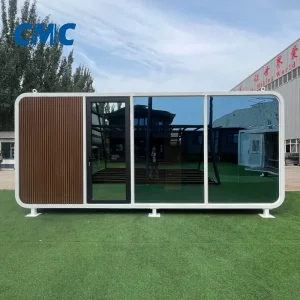
Beyond active transportation, famous dangerous goods containers serve as certified modular storage pods and outdoor apple cabin office units deployed in mining sites, chemical plant perimeters, and remote infrastructure projects requiring secure, climate-controlled, fire-isolated workspace environments.
Regulatory Framework, Certifications & Localization
Ensuring global market access through rigorous international testing protocols and regional customs compliance.
International Maritime & Railroad Standards
Every dangerous goods container manufactured must undergo strict certification tests administered by authorized classification societies such as Bureau Veritas (BV), ABS, Lloyds Register, or DNV. Compliance encompasses ISO 1496 testing parameters including end-wall strength, side-wall rigidity, floor payload stress, and stackability tests under 9-high stacking loads.
For European inland transit, containers comply fully with ADR (road transport) and RID (rail transport) frameworks. Custom dangerous goods side-open door units feature localized hazard placards, international UN coding plates, and tamper-evident locking assemblies needed for rapid customs clearance across international borders.
Global Compliance Verification Checklist
- CSC Safety Approval Plate (Convention for Safe Containers)
- IMDG Code Certification (Classes 2, 3, 4, 5, 6, 8, 9)
- DNV 2.7-1 / EN 12079 Offshore Freight Container Standard
- ATEX Directive 2014/34/EU (Explosive Atmospheres)
- ISO 9001 / ISO 14001 Quality & Environmental Systems
Technical Roadmap & Future Innovations in Hazardous Transport
Strategic development vectors shaping automated safety systems, eco-refrigerants, and smart satellite telematics.
AI-Powered Thermal Runaway Early Warning
Future hazardous reefer and storage containers integrate IoT thermal sensor matrices driven by predictive AI models. By monitoring micro-fluctuations in off-gas concentration and internal temperature gradients, systems trigger nitrogen purge routines before thermal runaway events occur.
Green Refrigerants & Solar Inverters
In response to global decarbonization mandates, dangerous goods cold chains are transitioning to natural R290 (Propane) and R744 (CO2) refrigerants with ultra-low Global Warming Potential (GWP). Solar-assisted 220V DC inverter refrigeration units reduce diesel genset fuel usage by up to 35% during long-haul transits.
Autonomous Telematics & Digital Twins
Fleet operators are adopting cloud-connected digital twin frameworks. Real-time satellite telematics relay structural stress levels, door open/close events, humidity readings, and GPS coordinates directly to port authorities and chemical enterprise risk dashboards in real-time.
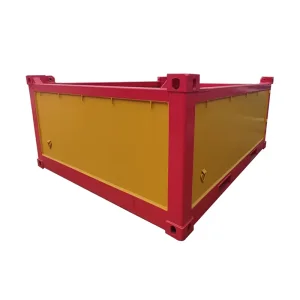
Specialized Marine, Offshore & Modular Container Units
Comprehensive procurement options for specialized industrial operations, offshore basket lifting, modular housing, and heated asphalt transport.
Frequently Asked Questions: Dangerous Goods Containers & Quotes
Expert answers addressing pricing variables, regulatory compliance, custom engineering parameters, and global delivery timelines.
What factors influence the price quote of a specialized dangerous goods container?
Pricing is governed by structural steel grade (e.g., SPA-H Corten steel vs. stainless steel 316L), safety certifications (IMDG, DNV 2.7-1, ATEX Zone 1/2), insulation thickness, floor spill containment sump capacity, door configuration (side-open vs. standard end doors), and active fire suppression systems (FM200 or Novec 1230). Custom OEM/ODM engineering parameters also affect unit cost based on production run volume.
How does a dangerous goods container differ from a standard ISO shipping container?
Standard ISO containers are designed for non-hazardous dry freight. Dangerous goods containers incorporate heavy-duty bunded spill containment sumps in the floor, natural or ATEX-certified forced ventilation louvers, explosion-proof electrical junction boxes, internal anti-spark coatings, emergency exit panic bars, and specialized thermal/fire insulation engineered to comply with IMDG hazardous material transport laws.
What hazardous cargo classes can be transported in these containers?
Depending on unit specification, engineered dangerous goods containers carry Class 2 compressed/liquefied gases, Class 3 flammable liquids (paints, fuels, thinners), Class 4 flammable solids, Class 5 oxidizing agents, Class 6 toxic substances, Class 8 corrosive chemicals (acids, alkalis), and Class 9 miscellaneous dangerous goods including lithium-ion battery energy storage systems (ESS).
Are side-open dangerous goods containers fully certified for ocean shipping?
Yes. Certified 20ft and 40ft side-open dangerous goods containers feature reinforced corner castings, heavy-duty door header lintels, and multi-locking point gear that pass standard ISO 1496 structural tests. They carry a valid CSC Safety Approval Plate issued by international classification societies (such as Bureau Veritas or ABS) for international maritime freight.
What is the standard lead time for customized OEM/ODM dangerous container manufacturing?
Standard ISO dangerous goods units typically ship within 15 to 25 days. Highly customized OEM/ODM units requiring ATEX electrical certification, custom internal partitions, integrated solar refrigeration, or DNV 2.7-1 offshore framing require approximately 30 to 45 days from final CAD drawing approval to port delivery.
How are chemical spills managed inside a dangerous goods container?
Containers feature an integrated internal sub-floor catchment sump covered by removable hot-dipped galvanised steel mesh flooring. If a container or drum ruptures during transit, leaking chemical fluids drain directly into the bunded sump, preventing fluid leakage outside the container. Captured liquids can be safely drained using external brass ball valves.
Can certified reefer containers be modified for dangerous goods chemical storage?
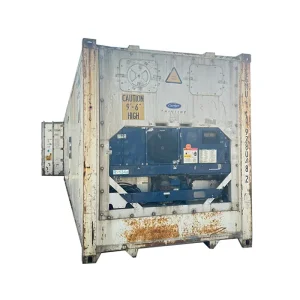
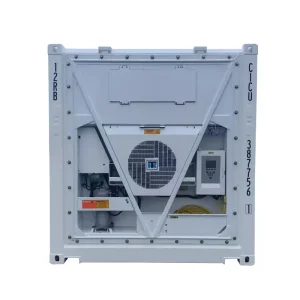
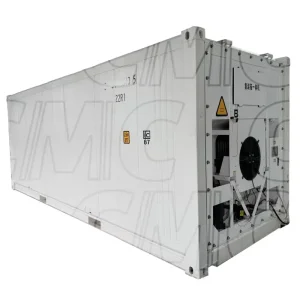
Yes. Specialized reefer containers (utilizing Thermo King, Daikin, or Carrier machinery) can be engineered with explosion-proof modification kits, ATEX zone-rated internal circulation fans, stainless steel floor liners, and active temperature monitoring systems to safely maintain volatile chemicals or peroxides within tight temperature ranges.
What documentation is provided with every container purchase?
Every exported unit is accompanied by a full quality documentation dossier including the CSC Safety Certificate, Bureau Veritas (BV) or DNV Inspection Certificate, Factory Mill Test Reports (MTR) for Corten steel, NDT weld inspection reports, pressure test certificates for bunded sumps, and electrical safety compliance certificates.