
Factory-Direct Precision Cold Chain & Specialized Equipment
Explore our classification-certified reefer solutions, blast freezers, integrated power units, and hazmat shipping enclosures manufactured to strict ISO and Bureau Veritas tolerances.
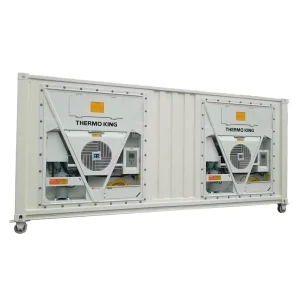
High-Quality The new blast reefer containers are certified by classification societies Manufacturers, Factories
View Specification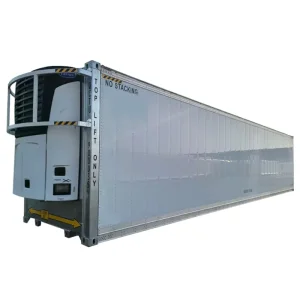
China Carrier X4-7300 Refrigeration and Electricity Integrated Container Exporter, Products
View Specification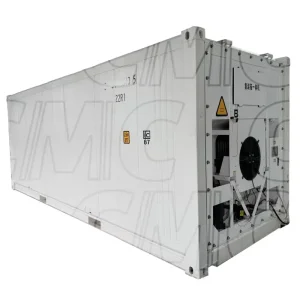
ODM The Smart Chain Cold Storage 20ft/40ft Solar Refrigerated Container 220V With DC Inverter Unit Pricelist, Exporters
View Specification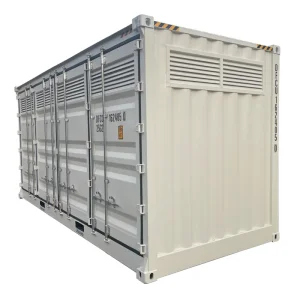
Famous 20FT High-cube Dangerous Goods Container Side Open Door with Ventilation Opening Manufacturer, Exporter
View Specification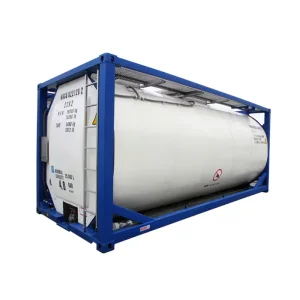
Buy ISO Standard 20ft Versatile Tank Container for Transport Chemicals Exporter, Product
View Specification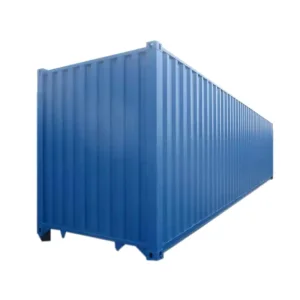
China 40ft High Cube Certified Dry Cargo Shipping Container contaoner Factory, Product
View Specification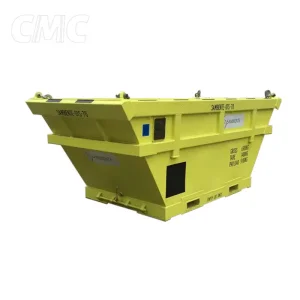
Famous DNV Certification Silt Basket Container Used in Offshore Operations Factories, Exporters
View Specification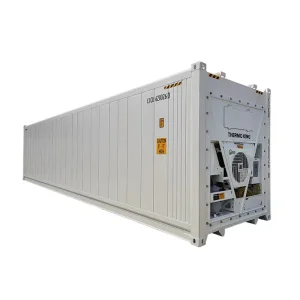
OEM New 40ft High-Cube Certified Reefer Shipping Cargo Container Pricelist, Product
View SpecificationGlobal Intermodal Cold Chain & Inside Reefer Landscape
Analyzing cross-continental food security mandates, pharmaceutical cold-chain integrity, and the engineering requirements of refrigerated container architecture.
Perishable Cargo Integrity
Global perishables logistics has evolved beyond passive insulation. Modern high-volume food networks require hermetically sealed inside reefer envelopes that maintain uniform microclimates across voyages exceeding 45 days. Even a 1.5°C delta can result in chilling injury or accelerated respiration in climacteric fruits.
- Elimination of thermal bridging along side rails
- Floor T-bar air recirculation exceeding 90 dynamic ACH
- Compliance with USDA cold-treatment pest eradication
Pharmaceutical GDP Standards
The global proliferation of temperature-sensitive biologic drugs, monoclonal antibodies, and active pharmaceutical ingredients (APIs) has reshaped inside reefer specifications. Standard refrigerated containers are modified with redundant sensor matrices to meet strict World Health Organization and Good Distribution Practice (GDP) protocols.
- Multi-point calibrated PT100 temperature probes
- Real-time autonomous cellular & Iridium satellite links
- Anti-tampering mechanical & digital locking records
Decarbonization & Refrigerants
Global environmental treaties (including the Kigali Amendment to the Montreal Protocol) mandate an expedited transition from high-GWP fluorinated refrigerants. The manufacturing sector is redesigning reefer machinery to integrate ultra-low GWP chemical agents like R-452A and natural refrigerants like R-744 (Carbon Dioxide).
- High-pressure reciprocating transcritical CO2 circuits
- Permanent magnet DC brushless variable speed compressors
- Zero-ODP rigid polyurethane cyclopenta-blown foam core
Engineering Insight: What Dictates "Inside Reefer" Performance?
The true benchmark of a superior reefer container lies not merely on the exterior shell, but fundamentally within the inside thermal cavity. A structurally sound inside reefer container combines marine-grade austenitic stainless steel (grade 304 or 316) interior cladding with high-density polyisocyanurate/polyurethane insulation. When engineered with sub-millimeter precision, interior joints prevent moisture absorption into the insulation cavity, thereby preserving thermal efficiency and cargo freshness over decades of severe maritime exposure.
Thermodynamic Construction & Inside Structural Anatomy
Technical specifications and material properties across our certified refrigerated shipping container product line.
| Structural Parameter | 20ft ISO Standard Reefer | 40ft High Cube (HC) Reefer | Deep Blast Freezer (-60°C) |
|---|---|---|---|
| Internal Dimensions (L × W × H) | 5,444 × 2,290 × 2,275 mm | 11,583 × 2,290 × 2,557 mm | 11,450 × 2,260 × 2,480 mm |
| Internal Usable Volume | 28.3 m³ (999 cu.ft) | 67.8 m³ (2,394 cu.ft) | 64.1 m³ (2,263 cu.ft) |
| Insulation Composition | Cyclopentane-blown PU (45kg/m³) | Dual-density PU + VIP Inserts | Ultra-thick Vacuum Panel Matrix |
| Interior Wall Lining | 0.7 mm Stainless Steel (SUS 304) | 0.7 mm Food-grade Stainless Steel | Heavy-gauge Marine SUS 316L |
| Flooring Design Profile | Extruded Aluminum T-Bar (63 mm) | Heavy-duty Airflow T-Floor (75 mm) | Continuous High-draft Recirculation |
| Temperature Regulation Range | -30.0°C to +30.0°C (±0.25°C) | -35.0°C to +30.0°C (±0.25°C) | -60.0°C to -10.0°C (Dual-stage) |
| Classification & Compliance | ISO 1496-2, BV, TIR, ATP, CSC | ISO 1496-2, BV, ISO 9001, CSC | DNV-GL / Bureau Veritas / ATP |
Hermetic Micro-Environment
Every inside reefer container built in our Tianjin and Suzhou production plants features unbroken interior seam welding. Dual-lip EPDM silicone gasket systems line the rear swing and side doors to prevent vapor infiltration and ice buildup during long sea voyages.
Aerodynamic Cold Distribution
By pairing high-pressure centrifugal fans with longitudinal extruded aluminum T-floor channels, refrigerated air is uniformly driven beneath pallets, rising through internal cargo gaps before returning to the evaporator coil without warm-pocket stagnation.
Dynamic Controlled Atmosphere
For climacteric produce shipments, our advanced reefer containers integrate automated Controlled Atmosphere (CA) valves and nitrogen generator couplings. These systems actively regulate O2 and CO2 levels to retard ripening processes and extend shelf life across intermodal transit routes.
Global Operational & Localized Use-Case Scenarios
Discover how CIMIC inside reefer solutions perform reliably across diverse logistical environments, harsh climatic zones, and demanding operating sectors.
High-Latitude Deep Sea Rigs
DNV 2.7-1 certified offshore dry and refrigerated provision containers deployed in the North Sea and Arctic waters. Engineered with high-impact Corten steel structural corner castings and internal electric heating pads that maintain safe cargo temperatures even when outside ambient conditions drop to -40°C.
Tropical Agricultural Hubs
Export applications across Sub-Saharan Africa and Southeast Asia, handling temperature-sensitive fruit crops like pineapples, bananas, and avocados. Built with high-capacity Carrier Primeline and Daikin LXE refrigeration machines that maintain cargo integrity under intense tropical sun and ambient humidity exceeding 95%.
Cold Chain Storage Depots
Modular, high-cube refrigerated units equipped with side-opening doors and roll-up shutter access. Designed for supermarket staging yards, regional cold distribution centers, and rural pharmaceutical storage sites, providing stable thermal storage without expensive permanent warehouse construction.
Hazardous Chemical Transport
Custom explosion-proof refrigerated intermodal containers engineered for volatile industrial chemicals, volatile solvents, and catalysts. Incorporates continuous interior air ventilation, spark-free motor enclosures, and gas detection systems to mitigate flashpoint risks during transport.
Enterprise Logistics & Strategic Sourcing Ecosystem
From custom CAD engineering to port staging, discover how our integrated supply chain model reduces total cost of ownership (TCO) for global fleet procurement managers.
1. Technical Specification & Modeling
Every custom container project begins with direct consultation from our structural and thermodynamic engineers. We review your route corridors, stacking weight demands (up to 9-high laden stacking per ISO 1496), door configurations, and target internal temperature parameters before issuing approved production shop drawings.
2. High-Precision Automated Assembly
Utilizing high-tensile SPA-H Corten atmospheric corrosion-resistant steel, robotic MIG welding lines, shot-blasting surface pre-treatments, and high-pressure polyurethane foaming rigs, our manufacturing facilities achieve uniform insulation core density with no voids, ensuring optimal K-value retention across decades of service.
3. Bureau Veritas & Factory Pre-Trip Inspections
Prior to release, every finished reefer unit undergoes an automated multi-hour Pre-Trip Inspection (PTI). We verify compressor amperage, refrigerant subcooling and superheat parameters, controller diagnostics, airtightness pressure decay, and door gasket seals, backed by documented Bureau Veritas (BV) or ISO test certificates.
Technology Roadmap: Next-Generation Reefer Innovation
Forecasting the engineering advancements that will shape tomorrow's sustainable, autonomous, and digitalized refrigerated transport equipment.
AI Predictive Defrost Cycles
Traditional timer-based or differential pressure defrost routines waste electrical energy and introduce subtle thermal shocks to the cargo space. Next-generation reefer controllers incorporate machine learning models that assess ambient humidity, compressor loading, and evaporator coil frost accretion to initiate defrosting only when strictly necessary, reducing energy consumption by up to 18%.
Satellite-Linked Telematics (IoT)
The transition toward end-to-end cargo visibility is underpinned by autonomous telematics boxes hardwired into the refrigeration micro-controller. Utilizing low-power Bluetooth Low Energy (BLE) interior cargo sensors alongside dual-mode 5G cellular and low-earth-orbit (LEO) satellite communications, operators can adjust setpoints remotely from any web browser.
Aerogel Composite Insulation
To maximize interior cargo capacity while maintaining or improving thermodynamic K-values, CIMIC's research division is pioneering hybrid panels containing silica aerogel blankets and vacuum core barriers. This configuration permits a reduction in insulated wall thickness from 75 mm to 52 mm, unlocking cubic cargo space for high-volume consumer goods.
Frequently Asked Questions on Reefer Manufacturing & Logistics
Comprehensive engineering, operational, and commercial insights for port authorities, shipping lines, and supply chain directors.
What distinguishes an "Inside Reefer Container" from a standard insulated box?
A standard insulated box relies purely on passive thermal resistance to slow temperature changes, whereas an inside reefer container incorporates an active, high-precision thermodynamic machine (such as Carrier, Thermo King, or Daikin) paired with an engineered interior airflow architecture. This includes extruded aluminum floor channels (T-bars), high-pressure air circulation fans, stainless-steel food-grade lining, and integrated heating coils, allowing active temperature maintenance from -30°C up to +30°C regardless of extreme exterior ambient conditions.
Which refrigeration machinery brands are integrated into CIMIC builds?
We work directly with leading refrigeration machinery manufacturers worldwide. Depending on your fleet commonality and regional service preferences, we outfit containers with Carrier Transicold (e.g., Primeline, ThinLine), Thermo King (e.g., Magnum Plus, SuperFreezer), or Daikin (e.g., LXE series). We also manufacture self-contained solar-assisted DC inverter units and integrated diesel genset-powered systems for inland and off-grid transit corridors.
What testing and international certifications accompany export shipments?
All CIMIC shipping and specialized containers are manufactured under strict ISO 9001 quality systems and fully satisfy ISO 1496-2 standards for thermal containers. Units carry certified CSC (Convention for Safe Containers) safety plates, TIR customs approvals, and classification society certifications from Bureau Veritas (BV), ABS, or DNV for offshore service. Comprehensive Pre-Trip Inspection (PTI) diagnostic logs are completed and archived prior to container dispatch.
Can you manufacture custom dimensions and specialized door geometries?
Yes. OEM and ODM customization represent core strengths of our manufacturing operations. Beyond standard 20ft and 40ft High Cube footprints, our production lines build 10ft mini-reefers, full side-opening door containers for rapid pallet access, dual-temperature divided internal compartments, roll-up shutter reefers for local route delivery, and hazardous chemical temperature-controlled storage modules.
What is the logistical advantage of your Tianjin and Suzhou manufacturing bases?
Our production facilities are situated approximately 100 kilometers from major deepwater maritime container terminals (including the Port of Tianjin and Shanghai/Taicang ports). This strategic coastal positioning minimizes inland transportation expenses, shortens delivery schedules, and simplifies direct vessel positioning for international export across North America, Europe, Africa, Australia, and Latin America.
How does CIMIC manage refurbished and used reefer container quality?
In addition to new equipment construction, we maintain strategic depots across Chinese coastal ports offering certified "90% new" refurbished reefer containers. Every secondary unit undergoes structural realigning, structural panel insulation repairs, complete electrical sub-system testing, brand-new door seal installations, and comprehensive machinery overhaul to deliver reliable service life at an attractive capital cost.
Specialized Heavy Freight, Bulk, and Refurbished Fleet Units
Explore our heavy-duty industrial containers, specialized liquid asphalt haulers, car carrier racks, and certified cost-effective refurbished refrigerated solutions.
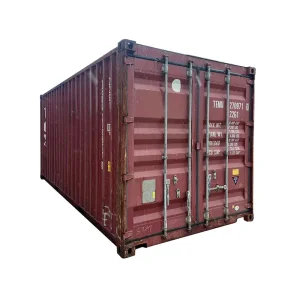
Buy 20ft Used Shipping or Storage Container Manufacturer, Products
View Specification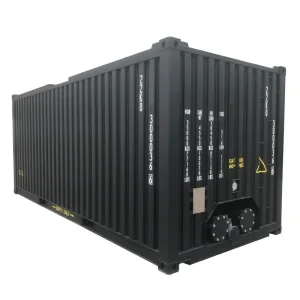
China 20 Feet Heated Shipping Asphalt Container Exporter, Manufacturers
View Specification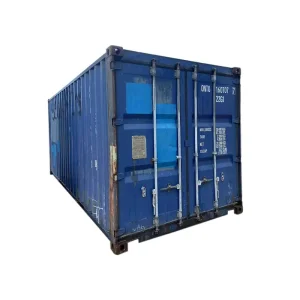
ODM 40ft Used Dry Cargo Shipping Container Manufacturers, Quotes
View Specification
Buy New Half Height Ore Carrier Container Offshore Container Manufacturers, Quotes
View Specification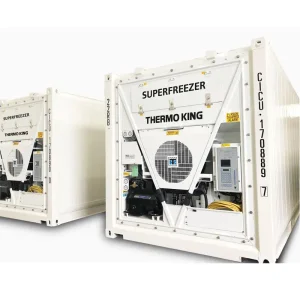
OEM New Deep Freezer Refrigerator Container For Sale Factory, Quotes
View Specification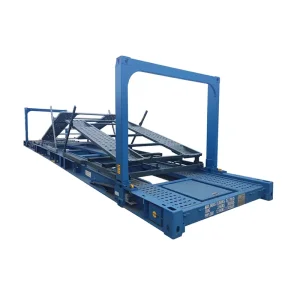
China New 20ft Car Carrier Container Special Container Exporter, Quotes
View Specification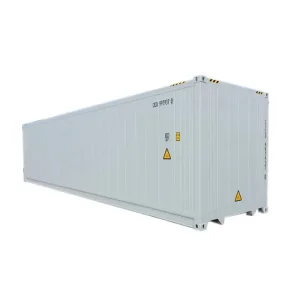
Buy New 40ft High Cube Thickened Foam Insulation Container Factory, Exporters
View Specification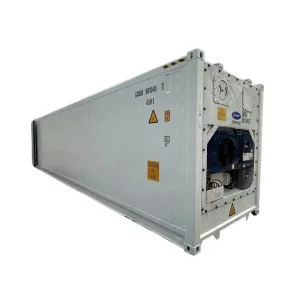
Buy Ninety Percent New Used 40ft HC Carrier Refrigerated Container Product, Quotes
View SpecificationInitiate Your Inside Reefer Engineering Audit
Whether securing a 500-unit high-cube refrigerated container order or commissioning a custom blast freezer with specialized doors, our engineering team in Tianjin and Suzhou prepares detailed thermodynamic calculations, general arrangement drawings, and competitive export quotations.