
Standard & Advanced Marine Enclosures
Precision-manufactured shipping and storage containers built to rigorous ISO, BV, and DNV maritime benchmarks, optimized for aggressive field longevity and intermodal efficiency.
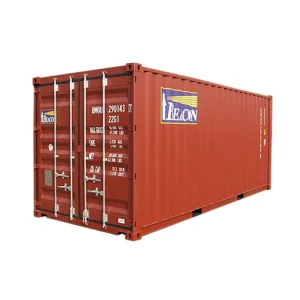
ODM 40ft New Certified Dry Shipping Container Pricelist, Exporters
View Specifications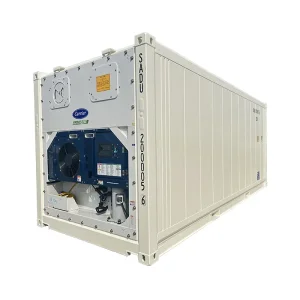
High-Quality New 40ft High Cube Carrier Refrigerator Freezer Cold Room Product, Exporters
View Specifications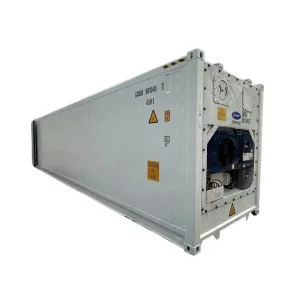
Buy Ninety Percent New Used 40ft HC Carrier Refrigerated Container Product, Quotes
View Specifications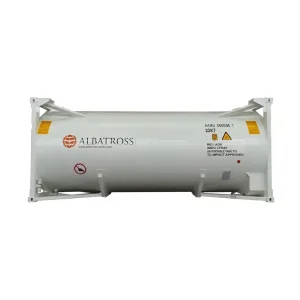
China 25000 Liters ISO 20ft Gas Tank Container for Sale Product, Factories
View Specifications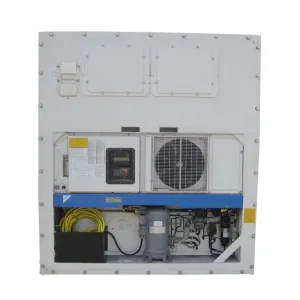
Buy Refrigeration Equipment /Cooling Unit For Refrigerated Containers Products, Exporters
View Specifications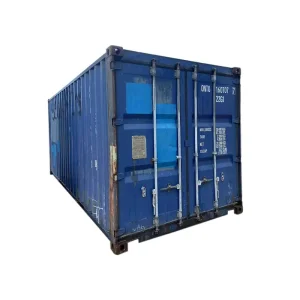
ODM 40ft Used Dry Cargo Shipping Container Manufacturers, Quotes
View Specifications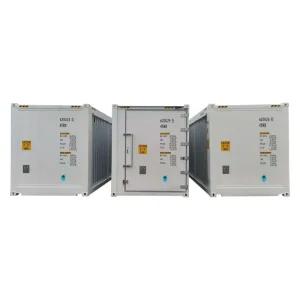
China OEM 40ft High-Cube Customized Three-in-One Combination Reefer Storage Container Manufacturer, Quotes
View Specifications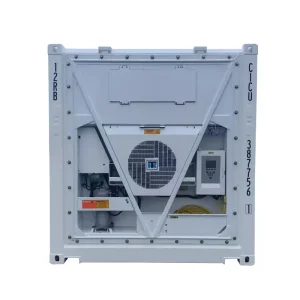
OEM 20ft Offshore Refrigerated Container DNV Certification Is More Durable Exporter, Exporters
View SpecificationsThe Structural Evolution of Global Storage & Shipping Infrastructure
Navigating post-pandemic supply chain restructuring, cold chain capacity crunches, and the exponential surge in on-site modular storage demand.
Multimodal Fleet Modernization
International maritime trade is undergoing an aggressive capital renewal cycle. Liner operators and container leasing companies are phasing out aging boxes built with standard carbon steels in favor of SPA-H Corten atmospheric corrosion-resistant steel. As shipping lanes confront volatile geopolitical choke points and extended reroutings via the Cape of Good Hope, container structural integrity over 15 to 25 operating years has shifted from a secondary preference to a baseline procurement necessity.
Cold-Chain Infrastructure Deficit
High-value pharmaceutical transportation, fresh agricultural trade, and marine protein supply chains face an acute shortage of reliable refrigerated infrastructure. Traditional stationary cold storage facilities require years of zoning, capital outlays, and immovable real estate commitments. High-cube active reefer containers equipped with Carrier Transicold, Thermo King, and Daikin micro-controlled scroll compressors provide an instantaneous, scalable plug-and-play solution across global ports and inland fulfillment hubs.
Decentralized Storage & Edge Modularization
Industrial enterprises are progressively decentralizing their inventory storage away from mega-warehouses. ISO containers provide military-grade security, watertight weatherproofing, and standardized intermodal mobility for secure distributed warehousing. From heavy-duty mining machinery stockpiles in Sub-Saharan Africa to battery energy storage system (BESS) integration enclosures across North America, the shipping container has transcended marine transit to become the standardized building block of modern modular industry.
China Factory Supply Chain Resilience & Production Integrity
How deep industrial clustering in Tianjin and Suzhou enables unparalleled lead-time predictability, robotic structural precision, and marine-grade corrosion defenses.
Bohai Rim & Yangtze Delta Industrial Synergies
Operating from our dual heavy-manufacturing complexes in Tianjin and Suzhou places our production lines within an integrated 100-kilometer radius of Tier-1 international seaports (Port of Tianjin and Port of Shanghai/Taicang). China’s upstream metallurgy ecosystems supply prime-grade hot-rolled Corten-A weathering coils within 48 hours of casting. Our facilities operate with zero intermediary freight bottlenecks, allowing large-scale OEM dry cargo runs and complex reefer batches to transition from raw structural coil slitting to pier-side vessel loading in a fraction of standard Western or European turnaround timelines.
Corten Steel Formulation & Continuous Seam Welding
Every structural component—including bottom corner castings, crossmembers, top rails, side corrugations, and end door assemblies—is manufactured from certified SPA-H / Corten-A weathering steel. Unlike conventional carbon structural steel, Corten forms a dense, self-regenerating oxide passivation layer upon atmospheric exposure, effectively arresting corrosive pitting. Automated multi-axis robotic welding rigs maintain uniform penetration profiles across all continuous seam joints, eliminating micro-voids, porosity, and localized residual stress risers that compromise longevity during dynamic marine transit.
Automated Sa 2.5 Shot-Blasting & Tri-Coat Paint Systems
Long-term exposure to salt spray, offshore UV degradation, and rough container handling requires military-spec surface treatments. Assembled shells pass through our automated high-velocity steel grit blasting chamber to achieve an exact ISO 8501-1 Sa 2.5 surface profile, eliminating all mill scale, rust, and surface contaminants. This is immediately followed by a zinc-rich epoxy primer (minimum 30μm), an epoxy intermediate barrier coat (40μm), and a high-build polyurethane or acrylic topcoat (40μm). Total dry film thickness (DFT) exceeds 110μm, delivering tested resistance against 1,000+ hours of continuous ASTM B117 salt spray testing.
Comprehensive Quality Verification Protocols
Under our documented ISO 9001:2015 quality management system and Bureau Veritas (BV) surveillance, every container undergoes rigorous structural proof testing prior to receiving its CSC safety plate. This includes a nine-high stacking load test (transmitting up to 86,400 kg per corner post), longitudinal racking tests, floor load strength verifications exceeding 7,260 kg front axle weight (ISO 1496-1), and high-pressure door gasket water tightness tests utilizing calibrated 2.0 bar hydro-nozzles.
Engineered Localized Applications Across Global Industries
From remote arctic energy facilities to extreme tropical offshore rigs, our shipping and storage enclosures adapt to specific operational demands.
Renewable Energy & Battery Storage (BESS)
Custom-modified 20ft and 40ft High Cube containers serve as turn-key enclosures for lithium-iron-phosphate (LFP) Battery Energy Storage Systems. Fitted with structural thermal breaks, explosion-relief roof hatches, integrated FM200/Novec fire suppression plumbing, and HVAC thermal conditioning channels, these enclosures ensure utility-scale battery banks operate safely within critical temperature thresholds regardless of external climatic extremes.
Offshore Oil, Gas & Subsea Exploration
Offshore exploration demands equipment capable of withstanding rough sea lifting and aggressive North Sea salt atmospheres. Our specialized DNV 2.7-1 / EN 12079 certified offshore dry containers, tool baskets, and offshore reefers incorporate structural pad-eyes designed for certified four-part wire rope sling sets, charpy-tested impact-resistant structural steel for minus-20°C sub-zero environments, and non-sparking electrical containment.
Pharmaceutical & Deep-Frozen Cold Chain
Equipped with Carrier ThinLINE, PrimeLINE, or Thermo King Magnum Plus refrigeration machinery, our certified reefer containers maintain setpoint stability within ±0.25°C from -35°C deep freeze up to +30°C ambient. Featuring food-grade 304 stainless steel interior lining, extruded aluminum T-bar flooring for laminar airflow distribution, and automatic de-humidification controls, these units ensure uncompromising compliance with global Good Distribution Practices (GDP).
Remote Mining & Infrastructure Camps
For extraction sites situated thousands of kilometers from urban supply lines in Australia, South America, and Central Asia, containers provide vandal-proof, vermin-resistant on-site parts storage, mobile lubricant distribution hubs, and secure explosives magazines. High-capacity forklift pockets and heavy-duty steel lockboxes safeguard high-value tooling against theft and environmental ingress.
Intermodal Rail & Transcontinental Freight
Engineered for high-frequency handling on China-Europe Rail Express corridors and North American double-stack rail systems, our containers withstand extreme longitudinal dynamic forces. Enhanced twistlock interfaces and heavy-duty front/rear sill channels resist high-acceleration shunting loads, preserving cargo safety over 10,000+ kilometer overland rail journeys.
Disaster Relief & Emergency Deployment
When humanitarian crises or natural disasters strike, standard shipping containers function as immediate mobile field hospitals, purified water storage shelters, and emergency rations depots. Their standardized corner castings allow rapid sea, air, and flatbed transport without requiring specialized material handling equipment at destination ports.
Technology Roadmap: Intelligent & Sustainable Logistics
Pioneering the convergence of IoT edge computing, ultra-low GWP refrigerants, and structural aerogels for next-generation global fleet deployments.
Autonomous IoT Asset Telematics
Integration of solar-harvesting 5G/satellite transceivers with Bluetooth Low Energy (BLE) interior mesh sensors. Real-time logging of internal cargo vibration, unauthorized door openings via optical flux sensors, internal humidity, and geographic geofencing without battery recharges for up to 10 years.
VIP & Aerogel Composite Cores
Replacing conventional polyurethane foam blowing agents with micro-porous Vacuum Insulation Panels (VIP) and silica aerogel blankets. Achieves a 35% reduction in wall thickness while lowering thermal conductivity (lambda value to <0.012 W/m·K), increasing internal cubic capacity for high-cube reefers.
Ultra-Low GWP / CO2 (R-744) Systems
Phasing out legacy HFCs (such as R-134a and R-404A) in compliance with Kigali Amendment mandates. Deploying natural refrigerant systems including carbon dioxide (CO2, R-744, GWP=1) and hydrofluoroolefins (HFOs like R-452A) engineered for trans-critical marine cooling with near-zero environmental impact.
High-Strength Structural Light-Weighting
Implementing 700 MPa ultra-high yield strength steels and recyclable bamboo-composite flooring laminates. Reduces tare weight by approximately 320 kg per 40ft High Cube container, directly expanding maximum allowable cargo payload while curbing voyage carbon emissions per ton-kilometer.
Engineering Specifications & Dimension Matrix
Standardized reference parameters for dry, refrigerated, open-top, and tank container configurations built to ISO 668 and ISO 1496 Series 1 classifications.
| Classification | External Dimensions (L × W × H) | Internal Dimensions (L × W × H) | Max Gross (kg) | Tare Weight (kg) | Max Payload (kg) | Capacity |
|---|---|---|---|---|---|---|
| 20ft General Purpose (20GP) | 6,058 × 2,438 × 2,591 mm | 5,898 × 2,352 × 2,393 mm | 30,480 kg | 2,200 kg | 28,280 kg | 33.2 m³ |
| 40ft General Purpose (40GP) | 12,192 × 2,438 × 2,591 mm | 12,032 × 2,352 × 2,393 mm | 30,480 kg | 3,750 kg | 26,730 kg | 67.7 m³ |
| 40ft High Cube (40HC) | 12,192 × 2,438 × 2,896 mm | 12,032 × 2,352 × 2,698 mm | 32,500 kg | 3,900 kg | 28,600 kg | 76.4 m³ |
| 20ft ISO Reefer (20RF) | 6,058 × 2,438 × 2,591 mm | 5,444 × 2,290 × 2,275 mm | 30,480 kg | 2,980 kg | 27,500 kg | 28.3 m³ |
| 40ft HC Reefer (40RH) | 12,192 × 2,438 × 2,896 mm | 11,583 × 2,290 × 2,555 mm | 34,000 kg | 4,480 kg | 29,520 kg | 67.8 m³ |
| 20ft ISO Tank (UN T11) | 6,058 × 2,438 × 2,591 mm | Cylindrical 316L Vessel | 36,000 kg | 3,650 kg | 32,350 kg | 25,000 Liters |
*All dimensions, payload capacities, and tare weights conform to standard production tolerances (±2%). Custom door cutouts, roll-up shutters, and modified insulation profiles alter baseline parameters.
Compliance Framework & International Certification
Meeting non-negotiable international maritime, customs, and environmental regulations to guarantee seamless customs clearance across global destination ports.
CSC Safety Approval Plating
Under the International Convention for Safe Containers (1972), every container exported by our factory features a corrosion-proof stainless steel CSC approval plate riveted to the exterior left door. This plate documents country of approval, manufacturing serial numbers, maximum gross weight rating, allowable stacking weight (typically 192,000 kg / 216,000 kg), and transverse racking test values verified by Bureau Veritas or China Classification Society (CCS).
DNV 2.7-1 / EN 12079 Offshore Mandates
For offshore installations operating in hazardous North Sea, Gulf of Mexico, or Australasian waters, standard ISO containers are prohibited from dock-to-rig dynamic crane lifting. Our offshore series is fully engineered, inspected, and certified to DNV Standard for Certification No. 2.7-1 and BS EN 12079, featuring non-destructive weld testing (NDT), charpy V-notch impact toughness steel, and certified lifting pad-eyes.
TIR, UIC & Food-Grade ATP Accreditations
Our reefer enclosures fulfill strict ATP international refrigerated transport treaty requirements, certifying overall heat transfer coefficients (U-value ≤ 0.4 W/m²·K for heavily insulated units). Furthermore, our designs comply with Customs Convention on the International Transport of Goods Under Cover of TIR Carnets, featuring secure door hinge fasteners, rivet seals, and customs cable points that eliminate illicit interior access.
Frequently Asked Strategic Questions
Direct technical answers for commercial procurement officers, fleet operations directors, and modular conversion engineers.
Q: What specific grades of steel are utilized in CIMIC container manufacturing?
We utilize high-yield-strength SPA-H or Corten-A weathering steel conforming to JIS G3125 / GB/T 4171 standards for all exterior corrugated panels, roof sheets, floor sills, and corner posts. Corten contains trace amounts of copper, chromium, and nickel that create a stabilizing rust-protective patina upon atmospheric exposure. For cryogenic and offshore applications, we utilize structural steels with certified Charpy impact values tested at minus-20°C or minus-40°C.
Q: How do you compare Carrier, Thermo King, and Daikin machinery for reefer containers?
Carrier Transicold (e.g., PrimeLINE) is renowned for superior energy efficiency, deep power-factor management, and widespread global parts availability. Thermo King (e.g., Magnum Plus) excels in ultra-low sub-freezing capability down to -40°C, fast pulldown cycles, and advanced MP-4000 digital microprocessors. Daikin (e.g., LXE series) features durable scroll compressors with fewer moving parts, providing exceptional temperature stability with minimal maintenance overhead.
Q: Can containers be customized for specialized equipment enclosures prior to export?
Yes. Our engineering department specializes in OEM/ODM custom fabrication. We provide comprehensive CAD and SolidWorks drafting to integrate industrial personnel access doors, heavy-duty roll-up shutters, louvered ventilation panels, internal structural thermal insulation (rockwool, polyurethane, or VIP), cable glands, ceiling-mounted monorail cranes, and explosion-proof electrical ducting prior to final painting.
Q: What is the operational lifespan of your dry cargo and storage containers?
Under rigorous deep-sea commercial shipping conditions, our containers have an active certified fleet service life of 12 to 15 years. When transitioned to stationary on-site storage, modular housing, or battery storage applications with basic routine maintenance, our Corten-A shells treated with Sa 2.5 shot-blasting and polyurethane marine paint systems regularly exceed 25 to 30 years of operational life without structural degradation.
Q: What are the conditions and inspection criteria for your used container inventory?
Our second-hand inventory stored across key Chinese coastal ports (Tianjin, Qingdao, Shanghai, Ningbo) is strictly graded under Cargo Worthy (CW) and IICL-5 standards. Every unit is inspected to ensure it is wind-and-watertight (WWT), with fully functional door gaskets, intact locking bars, sound floorboards, and a valid CSC plate suitable for immediate international marine booking.
Q: How are newly manufactured empty containers shipped cost-effectively to overseas buyers?
To avoid excessive "dead freight" or empty repositioning charges, we coordinate One-Way "Shipper Owned Container" (SOC) leasing arrangements. With our proximity (~100 km) to Tianjin and Shanghai ports, new containers are loaded with export dry cargo for international shippers on their maiden voyage, arriving at your discharge port with zero or minimal ocean shipping fees incurred by the container buyer.
Q: What certifications accompany offshore DNV-standard containers?
Every DNV 2.7-1 / EN 12079 offshore unit leaves our plant with a comprehensive Manufacturing Data Book (MDB). This includes material mill test certificates (MTRs), weld procedure specifications (WPS), non-destructive testing reports (100% MPI and 20% Ultrasonic testing), prototype drop test documentation, proof load pull-test certificates, and classification survey endorsements by DNV or Bureau Veritas.
Q: What is the typical Minimum Order Quantity (MOQ) and production lead time?
For standard ISO 20ft and 40ft dry containers, our minimum order quantity starts at 1 to 5 units, with large-scale fleet batches delivered at 100+ TEU per production schedule. Highly customized OEM enclosures or specialized DNV offshore reefers typically require an MOQ of 1 to 2 units. Standard manufacturing lead time ranges from 15 to 30 days from final approved engineering drawings.
Special Purpose, Open-Top & Intermodal Enclosures
Explore our extended portfolio of open-top units, bulk carriers, roll-up reefer enclosures, and heavy-duty offshore equipment ready for worldwide deployment.
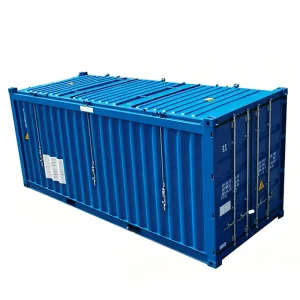
China 20ft New Hard Open Top Shipping Container Manufacturer, Factories
View Specifications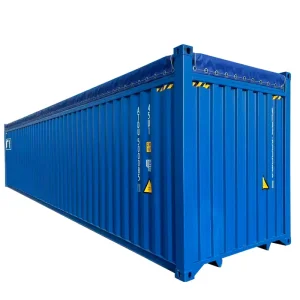
Buy 40ft High-Cube New Soft Open Top Shipping Container with Tarpaulin Cover Manufacturer, Product
View Specifications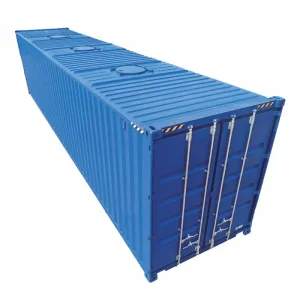
Buy 20 Feet Shipping Bulk Container Manufacturer, Exporters
View Specifications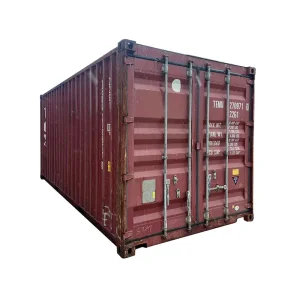
Buy 20ft Used Shipping or Storage Container Manufacturer, Products
View Specifications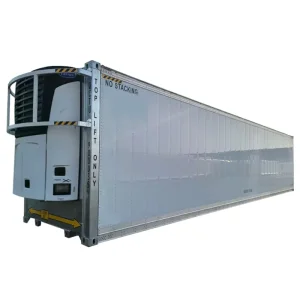
China Carrier X4-7300 Refrigeration and Electricity Integrated Container Exporter, Products
View Specifications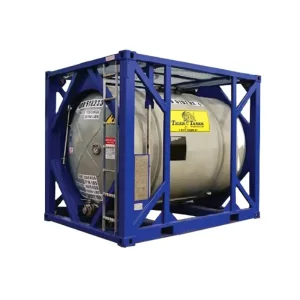
Buy New DNV Certification 10ft Offshore Tank Container Factory, Products
View Specifications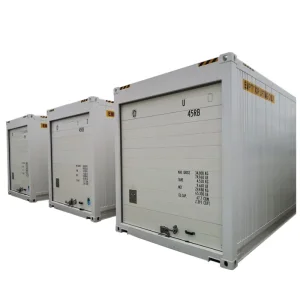
China 40ft High-Cube Roll Up Reefer Container Customized Shipping Containers Factory, Manufacturers
View Specifications