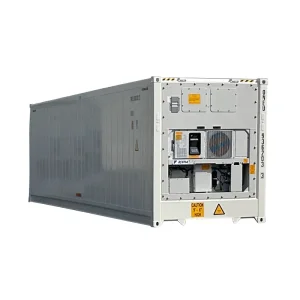
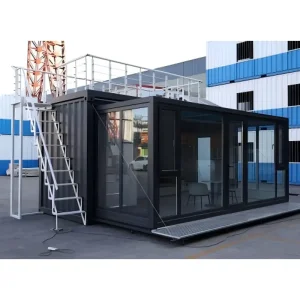
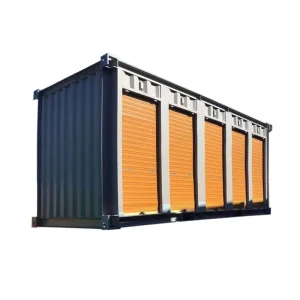
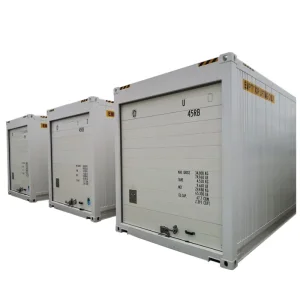
Primary Modular & Specialized Units
Verified factory-direct inventory engineered from high-tensile Corten weathering steel with full CSC sea freight certification.
Global Commercial & Macro Industrial Realities
Navigating the intermodal shipping landscape, raw material supply dynamics, and payload density optimization for global enterprise logistics.
Heavy Cargo & Density Ratio Advantages
While 40-foot containers dominate consumer freight due to volumetric capacity, the standard 20ft intermodal container (1 TEU) remains irreplaceable for dense, heavyweight industrial items. Minerals, structural steel, heavy machinery parts, architectural stone, agricultural bulk, and liquid commodities in flexitanks leverage the 20ft envelope to maximize the legal gross road and rail payload limits (up to 30,480 kg) without "cubing out" early, offering substantial freight-cost efficiency.
Raw Material Dynamics & SPA-H Steel Indices
Over 85% of total dry container manufacturing costs correlate directly with the benchmark price of SPA-H Corten atmospheric corrosion-resistant steel coil. The supply curve reflects hot-rolled strip steel pricing, fluorocarbon and waterborne paint systems, and industrial energy inputs. Buyers tracking capital expenditures gain significant leverage by synchronizing large fleet renewals with steel commodity troughs rather than peak ocean-freight seasons.
Decarbonization & Circular Fleet Repurposing
Modern sustainability directives (IMO 2030/2050 and Corporate ESG criteria) accelerate secondary container lifecycles. Corten structural frames provide continuous, high-integrity service for 12 to 15 years on maritime trade routes. Following maritime retirement, units are re-engineered for stationary modular architecture, distributed battery energy storage (BESS) enclosures, and cold-chain urban farming, curbing upfront embodied carbon.
Structural Anatomy & Metallurgical Standards
A granular evaluation of base materials, protective coatings, floor sub-assemblies, and corner fittings engineered to withstand severe maritime shock loads.
SPA-H Weathering Steel
Every structural rail, corrugated side sheet, and header is formed from hot-rolled SPA-H or Corten-A weathering steel. Its proprietary alloy content (copper, chromium, nickel) develops a dense, self-healing oxide patina when exposed to airborne saline, arresting rust migration deep within the substrate.
Corner Castings (ISO 1161)
Forged from low-temperature carbon steel (SCW480 or equivalent), the 8 corner castings serve as the sole transfer points for dynamic stacking, twist-lock engagement, and offshore slings. Each casting is ultrasonically tested for internal voids and micro-fractures to handle top-lifting stress.
Flooring Matrix (28mm)
The standard floor consists of 19-ply hardwood marine plywood or dense laminated bamboo composite, vacuum-infused with anti-termite and pesticide treatment conforming to Australian Department of Agriculture (AQIS) standards. Tested to bear axle wheel point loads of up to 5,460 kg.
Industrial Coating Cycle
Surface preparation requires SA 2.5 near-white abrasive blasting. The coating schedule combines an inorganic zinc-rich primer (30µm), a high-build epoxy intermediate barrier coat (40µm), and a durable acrylic or polyurethane external topcoat (40µm) engineered to survive 1,000+ hours in salt spray testing.
Verification Check: CSC Safety Plate Requirements
Every intermodal unit must feature a stainless steel International Convention for Safe Containers (CSC) safety plate riveted to the left door. Key certified data points include: Approved Stacking Weight for 1.8G (minimum 216,000 kg), Racking Test Load Value (15,240 kg), Timber Component Treatment particulars, Country of Approval, and First Maintenance Date (valid for 5 years on new builds, 30 months following recertification).
20ft Container Global Pricelist & Cost Drivers
Factory-direct benchmark indicators for international procurement officers, fleet operators, and infrastructure development consortiums.
| Container Classification | Dimensions (Ext. L×W×H) | Tare Weight (Approx.) | Est. Price (New / Ex-Factory) | Est. Price (Cargo Worthy Used) | Primary Industrial Application |
|---|---|---|---|---|---|
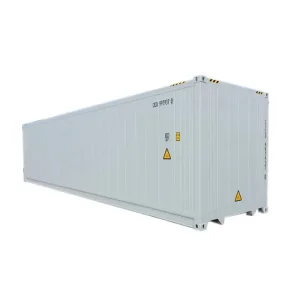
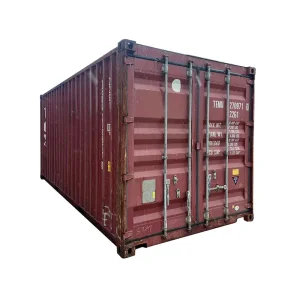
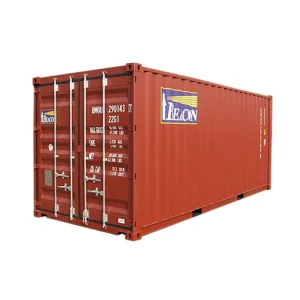
| 20ft Standard Dry (20GP) | 6.058 × 2.438 × 2.591 m | 2,150 – 2,250 kg | $1,750 – $2,300 | $950 – $1,350 | Dense minerals, tiles, metals, intermodal dry cargo |
| 20ft High-Cube Dry (20HC) | 6.058 × 2.438 × 2.896 m | 2,350 – 2,450 kg | $2,100 – $2,650 | $1,200 – $1,650 | Volumetric goods, equipment shelters, modular housing |
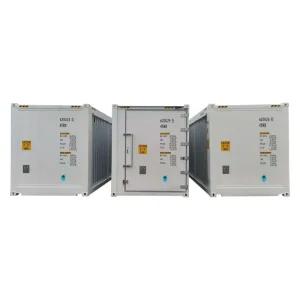
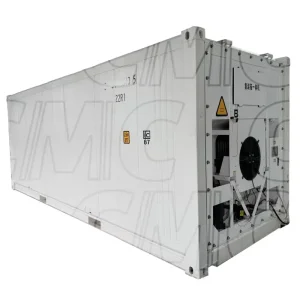
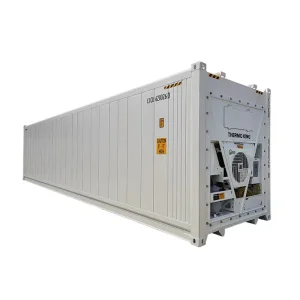
| 20ft Reefer (Daikin/Carrier) | 6.058 × 2.438 × 2.591 m | 2,950 – 3,150 kg | $9,500 – $14,200 | $4,200 – $6,800 | Fresh/frozen meat, pharmaceuticals, chemicals (-30°C to +30°C) |
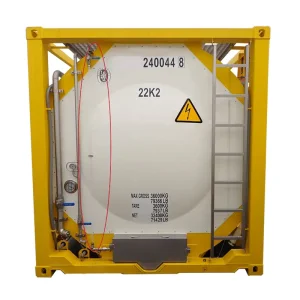
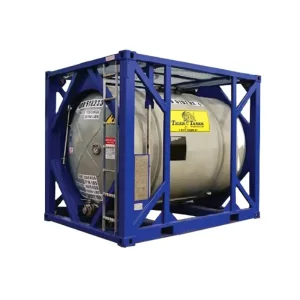
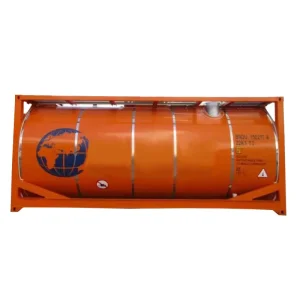
| 20ft ISO Tank (T11 Stainless) | 6.058 × 2.438 × 2.591 m | 3,400 – 3,800 kg | $13,500 – $19,800 | $6,500 – $9,800 | Food-grade liquids, spirits, oils, hazardous Class 3-8 chemicals |
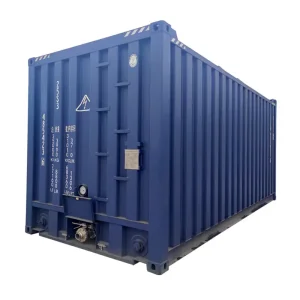
| 20ft Full Side-Open (OSD) | 6.058 × 2.438 × 2.591 m | 3,100 – 3,300 kg | $3,600 – $4,800 | $2,200 – $2,900 | Oversized palletized machinery, rapid military/site deployment |
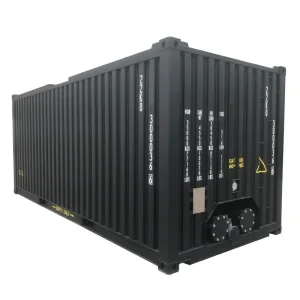
| 20ft Offshore DNV 2.7-1 / EN12079 | 6.058 × 2.438 × 2.591 m | 3,800 – 4,200 kg | $5,800 – $8,200 | $3,200 – $4,600 | Dynamic high-seas rig transfer, subsea tooling, offshore drilling |
Key Procurement Variables Affecting Final Landed Quotations:
1. Delivery Status: One-Way "Cabotage" Freight (container carries commercial cargo to destination, dropping positioning fees) vs. Empty Shipper-Owned Container (SOC) repositioning.
2. Flooring Options: Standard tropical apitong hardwood vs. environmental bamboo vs. anti-spark checkered steel plate floors (+12% to +18% premium).
3. Reefer Machinery: Selection of Carrier Transicold PrimeLINE, Daikin LXE, or Thermo King Magnum Plus compressors with digital telematics.
Localized Compliance, Testing & Warranty Framework
Eliminating customs friction and structural liability through standardized manufacturing tolerances and classification society audits.
Classification Society Endorsement
Production runs are inspected and stamped under the oversight of major International Association of Classification Societies (IACS) members: Bureau Veritas (BV), American Bureau of Shipping (ABS), Lloyd’s Register (LR), or DNV. Each unit passes pressure, dimensional squareness, and light-tight seal tests before leave the plant.
Customs & Intermodal Treaties
Fully compliant with the Customs Convention on Containers (CCC / TIR) for secure customs transit under seal, ISO 6346 prefix coding (BIC registration), and UIC 592 guidelines for seamless European rail intermodal operations without handling delays at border control points.
Destructive & Non-Destructive QA
Every prototype design undergoes type testing: Stacking test loaded to 1.8× maximum gross weight, transverse racking tests (150 kN), roof longitudinal strength testing (300 kg over 600×300 mm area), and door shear testing under full cargo simulation.
Localized Application Scenarios & Custom Engineering
Adapting the versatile 20-foot footprint across varied environmental and operational parameters.
Remote Energy Storage (BESS)
Reinforced 20ft enclosures equipped with integrated fire suppression (Novec 1230), thermal rockwool insulation, HVAC climate controllers, and heavy load floors designed to house multi-megawatt lithium-iron-phosphate (LFP) grid-stabilization batteries.
Offshore Platform Logistics
Certified to DNV 2.7-1 and EN 12079, these units are fabricated with specialized low-temperature impact-tested steel (grade charpy V-notch tested at -20°C or -40°C) with dedicated four-point lifting bridle slings for high-seas oil platform resupply.
Cold-Chain Mobile Chambers
High-efficiency polyurethane insulated 20ft reefers maintaining stable conditions (-30°C to +30°C) deployed as static regional micro-warehouses for food distributors, pharmaceutical cold chains, and field disaster relief staging.
Mobile Industrial Plant Enclosures
Custom side-opening and drop-chassis conversions fitted with water treatment reverse-osmosis filtration modules, mobile diesel/gas generators, air compressors, and localized hydrogen electrolyzer systems ready for plug-and-play hookup.
Technical Roadmap & Next-Gen Container Developments
The progression from passive steel boxes to intelligent, decarbonized, and sensor-monitored intermodal assets.
IoT Telematics & Smart Shipping
Integration of low-power satellite and 5G cellular transceivers embedded flush within the corrugation profile. Real-time telemetry tracks GPS positioning, internal humidity, ambient temperature variations, shock impact (G-force), door opening cycles, and electronic tamper detection.
Eco-Composite Structural Panels
Active research and adoption of advanced composite sandwich sidewalls, replacing traditional Cor-Ten corrugation with fiberglass-reinforced basalt and high-density recycled PET foams. This design reduces container tare weight by up to 20%, unlocking higher dry-cargo payload capacity.
Solar-Assisted Micro-Inverters
Next-generation 20ft reefers engineered with roof-recessed monocrystalline flexible photovoltaic arrays coupled with smart DC inverters. The onboard generation supports auxillary electrical loads and retains chilled temperatures during extended rail staging or terminal storage.
Frequently Asked Questions (FAQ)
Technical, logistical, and commercial inquiries answered by senior intermodal manufacturing engineers.
Refrigerated, Modular & Heavy Industry Fleets
Explore heavy-duty roll-up reefers, liquid tank enclosures, expandable housing, and vehicle carriers built to international intermodal standards.