
Flagship Industrial Containers & Heavy Cargo Assemblies
Direct manufacturer deployment of open-side, multi-temperature combination reefers, ISO chemical tank modules, and reinforced dry intermodal units engineered to maritime standards.
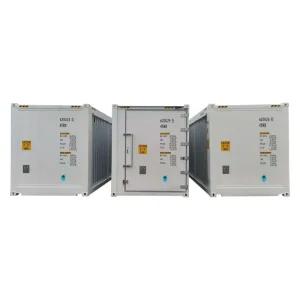
China OEM 40ft High-Cube Customized Three-in-One Combination Reefer Storage Container Manufacturer, Quotes
- Triple-zone climatic partitions
- -30°C to +30°C thermal control
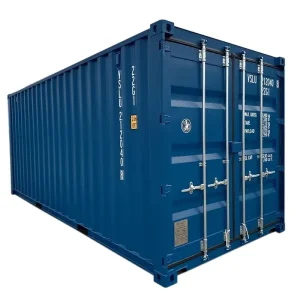
Buy New 20ft Double Door Dry Cargo Shipping Container Products, Manufacturers
- Dual-end opening for rapid turnaround
- Corten-A weathering steel frame
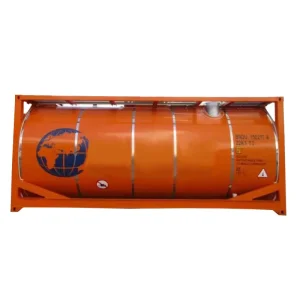
China 20 Foot ISO Liquid Tank Container for Water Manufacturer, Product
- Food-grade 316L stainless steel
- ISO 1496/3 hydraulic validation
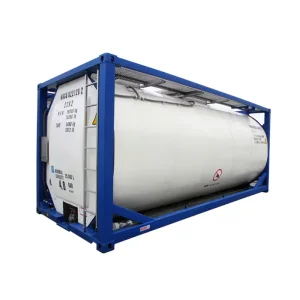
Buy ISO Standard 20ft Versatile Tank Container for Transport Chemicals Exporter, Product
- IMDG / ASME / ADR hazardous class
- Pressurized multi-layer steam trace
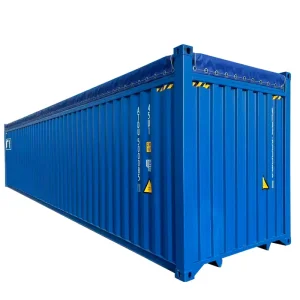
Buy 40ft High-Cube New Soft Open Top Shipping Container with Tarpaulin Cover Manufacturer, Product
- Removable TIR-certified roof bows
- Heavy machinery top crane access
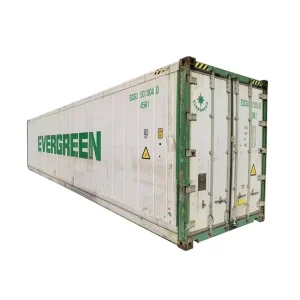
Buy Used 40ft HC Shipping Reefer Container Manufacturers, Exporters
- Rigorous PTI automated test passing
- High-cube stainless interior profile
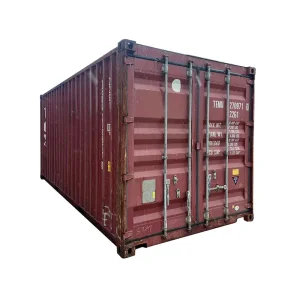
Buy 20ft Used Shipping or Storage Container Manufacturer, Products
- Wind & water tight (WWT) certified
- Ready for site conversion & security
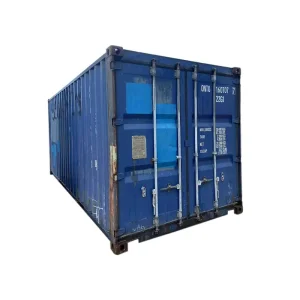
ODM 40ft Used Dry Cargo Shipping Container Manufacturers, Quotes
- Cargo Worthy (CW) / CSC compliant
- Multi-port immediate stock dispatch
Global Intermodal Dynamics & The Open Manufacturing Paradigm
Analyzing structural shifts in cross-border logistics, heavy-cargo handling limitations, and why transparent "Open Factory" access has emerged as the definitive procurement model.
Supply Chain Realignment & Out-of-Gauge Surges
Modern intermodal freight logistics is no longer constrained to standardized enclosed 20ft and 40ft standard dry boxes. The unprecedented acceleration of heavy renewable infrastructure—such as offshore wind turbine nacelles, battery energy storage systems (BESS), and hydrogen electrolysis modules—demands specialized open-top, platform-frame, and full-side-access configurations. Global supply chains require freight equipment capable of seamless intermodal transfers across rail flatcars, automated port gantry cranes, and specialized ocean bulk carriers without cargo de-vanning.
The Open Factory Paradigm: Direct Engineering Transparency
Historically, procurement managers faced opaque intermediary markups, unverified mill certifications, and variable welding qualities that led to premature structural fatigue in maritime environments. The Open Factory engineering doctrine pioneered by Tier-1 manufacturers completely dissolves these barriers. Buyers gain unmediated access to steel batch spectrometry, ultrasonic weld seam testing, robotic automated paint-line logs, and live structural load testing (ISO 1496/1) directly from our manufacturing bases in Tianjin and Suzhou.
Capital Optimization via Hybrid New & CW Port Stock
Capital expenditure management requires precise alignment between asset lifespan and operational ROI. By combining custom-engineered new builds (featuring Corten-A weathering steel and marine zinc-rich primers) with strategically audited port-ready Cargo Worthy (CW) and Wind & Water Tight (WWT) fleets across key Asian coastal ports, industrial clients lower their fleet lifecycle cost by up to 34% while maintaining strict adherence to International Convention for Safe Containers (CSC) guidelines.
Advanced Open Factory Metallurgy & Structural Fabrication
From automated CNC plasma profiling of SPA-H structural members to controlled thermal insulation curing: How industrial-grade open container bodies are constructed.
1. Metallurgy & Cold Forming
Fabrication begins with primary JIS G3125 SPA-H (Corten-A) weathering steel coils. High-tonnage hydraulic presses and laser-guided roll-forming lines generate corrugated sidewall and roof profiles with 2.0mm and 1.6mm thickness tolerances, ensuring superior stiffness-to-weight ratios and intrinsic atmospheric corrosion resistance.
2. Multi-Axis Robotic Welding
Corner posts, bottom side rails, and heavy-gauge crossmembers are clamped in high-precision pneumatic jigs. Submerged arc welding (SAW) and pulsed metal inert gas (MIG) multi-axis robots guarantee continuous, uniform weld penetration with zero cold-lapping or porosity, surpassing AWS D1.1 and ISO 15614 structural welding baselines.
3. Shot Blasting & Marine Coating
Assembled frames undergo total centrifugal automated wheel blast cleaning to ISO 8501-1 Sa 2.5 cleanliness. An automated 3-coat paint cycle immediately follows: zinc-rich epoxy primer (minimum 30µm dry film thickness), high-build epoxy intermediate barrier (40µm), and polyurethane topcoat (40µm), delivering over 1,500 hours of salt spray resistance.
4. Dynamic Proof Testing & CSC
Every production batch undergoes 1.8x maximum gross weight static floor deflection tests, 9-high stacking load tests (up to 86,400 kg per corner post), and high-pressure water tightness tests (200 kPa jet testing). The approved unit is affixed with a Bureau Veritas (BV) or Lloyd's Register stamped stainless steel CSC safety approval plate.
Unlike trading companies that consolidate anonymous stock, our open manufacturing infrastructure logs heat numbers for all hot-rolled structural steel, mill inspection certificates (EN 10204 Type 3.1), radiographic weld inspection reports, and paint adhesion cross-hatch results directly into the customer's technical inspection dossier prior to port gate-in.
Localized Support & International Compliance Assurance
Navigating cross-jurisdictional standards: How our container engineering ensures unhindered clearance across European, North American, Australasian, and emerging markets.
Maritime & Intermodal Safety: ISO & CSC
All production adheres to ISO 668 (Series 1 freight containers - classification, dimensions, and ratings) and ISO 1496/1 (specification and testing for general cargo containers). Our containers bear valid International Convention for Safe Containers (CSC) plates inspected and certified by Bureau Veritas (BV), allowing unobstructed integration onto major container liner vessels, rail flatcars, and container chassis globally.
Offshore & Dynamic Lifting: DNV 2.7-1 / EN 12079
For marine oil, offshore wind, and subsea engineering, standard ISO containers present severe lifting failure risks in rough sea states. Our specialized offshore units feature certified pad-eyes welded directly to primary corner posts, Charpy V-notch impact-tested structural steel designed for -20°C or -40°C harsh environments, and third-party certified sling sets complying strictly with DNVGL-ST-E271 (DNV 2.7-1) and EN 12079 standards.
Customs & Environmental: TIR, UIC & Low-GWP
Cross-border transit requires compliance with the Customs Convention on Containers (TIR) to permit bonded overland hauling without intermediate border inspections. For temperature-controlled units, our refrigeration engineering utilizes low-GWP refrigerants (R-452A, R-513A, and natural CO2 R-744) compliant with the EU F-Gas Regulation (EU 517/2014) and US EPA SNAP requirements, paired with food-grade stainless interior wall linings (FDA CFR Title 21).
| Certification / Protocol | Governing Body | Technical Scope & Validation Method | Target Regulatory Region |
|---|---|---|---|
| CSC Safety Approval | IMO / Bureau Veritas | Stacking (86.4T), transverse racking, end-wall & side-wall structural proof loading | Global Maritime |
| DNV 2.7-1 / EN 12079 | DNV Maritime | Dynamic multi-point pad-eye lifting, drop impact at -20°C, offshore marine fatigue | Offshore Platforms |
| ISO 1496/3 Tank | ASME / IMDG / ADR | Hydraulic pressure test (6.0 bar), longitudinal inertia, hazardous liquid containment | Chemical Transport |
| TIR Customs Seal | World Customs Org | Tamper-proof door hinge pins, continuous welded floor flanges, border clearance | Cross-Border Rail/Road |
| ATP Food Cold Chain | UNECE ATP Agreement | Overall thermal heat transfer coefficient (K-value ≤ 0.40 W/m²·K), reefer efficiency | Europe / Americas |
Engineered Field Deployments & Industrial Scenarios
Examining real-world operational deployments where specialized open and custom-engineered container units solve critical logistics bottlenecks.
1. Modular Battery Energy Storage (BESS) Enclosures
Operational Challenge: Utility-scale lithium iron phosphate (LFP) energy storage developers required high-rigidity structural housings capable of supporting 32,000 kg battery racks, integrated HVAC chillers, and automated aerosol fire suppression systems.
Engineered Solution: Custom 20ft and 40ft High-Cube container platforms built with reinforced 4.5mm floor crossmembers, explosion-relief roof hatches, thermal barrier rockwool core insulation, and full side-opening access panels for rapid module maintenance during commissioning in Texas and Northern Germany.
2. Bulk Mineral Ore & Mining Concentrate Logistics
Operational Challenge: Heavy mining operations in Western Australia and Chile faced catastrophic container deformation when loading abrasive, high-density copper concentrate using top front-end loaders.
Engineered Solution: Deployment of customized 20ft Half-Height open-top containers equipped with Hardox 450 abrasion-resistant steel bottom floors, heavy-duty tarpaulin lashing systems, and specialized rotating spreader twistlocks for direct 360-degree tipping into bulk vessel holds.
3. Multi-Temperature Humanitarian Cold Chains
Operational Challenge: Delivering pharmaceuticals requiring -25°C preservation alongside fresh food rations requiring +4°C to remote infrastructure project sites across East and West Africa.
Engineered Solution: Implementation of OEM 40ft High-Cube Three-in-One Combination Reefer Containers featuring movable insulated partition bulkheads, dual evaporator coils, secondary diesel generator power packs (clip-on gensets), and remote GSM temperature telematics.
Engineering Horizon: Smart IoT, Composite Alloys & Decarbonization
The transition from passive steel structures to intelligent, low-emission intermodal logistics hardware: What forward-looking procurement directors must anticipate.
Autonomous Edge Telematics & Predictive Maintenance
Tomorrow's shipping container fleet operates as an interconnected IoT node. Our next-generation production lines embed satellite/cellular telemetry sensors directly inside the corner casting cavities. These sensors continuously track structural shock incidents (>2.5G impacts), door opening timestamps via optical sensors, internal cargo humidity, and reefer compressor vibration profiles, feeding anomaly detection models for proactive terminal repair.
Advanced Lightweight Composites & Hybrid Metallurgy
To expand allowable cargo payloads under strict highway axle weight regulations (such as US DOT 80,000 lbs gross and European 40-tonne limits), our R&D division is validating continuous basalt fiber-reinforced polymers (BFRP) for interior roof skins and flooring. This achieves a 420 kg tare weight reduction per 40ft High Cube without compromising torsional stiffness or 9-high stacking certifications.
Net-Zero Lifecycle & Cryogenic Refrigeration
Addressing Maritime IMO 2030/2050 decarbonization mandates, our open reefer manufacturing is actively integrating closed-loop liquid nitrogen (LN2) cooling and natural hydrocarbon refrigerant systems. Paired with vacuum insulation panels (VIP) having thermal conductivities below 0.004 W/m·K, overall energy consumption during ocean transit is reduced by up to 48%.
Standardized ISO & Specialized Open Fleet Engineering Benchmarks
Comprehensive engineering specifications, dimensional tolerances, and payload capacities across primary container variants.
| Profile Specification | External Dimensions (L × W × H) | Internal Dimensions (L × W × H) | Tare Weight | Max Payload | Cubic Capacity |
|---|---|---|---|---|---|
| 20ft Standard Dry (20GP) | 6,058 × 2,438 × 2,591 mm | 5,898 × 2,352 × 2,393 mm | 2,200 kg | 28,280 kg | 33.2 m³ |
| 40ft High Cube Dry (40HC) | 12,192 × 2,438 × 2,896 mm | 12,032 × 2,352 × 2,698 mm | 3,900 kg | 26,580 kg | 76.4 m³ |
| 40ft Soft Open Top (40OT) | 12,192 × 2,438 × 2,591 mm | 12,028 × 2,348 × 2,342 mm | 3,850 kg | 26,630 kg | 66.1 m³ |
| 20ft Full Side Door (20SD) | 6,058 × 2,438 × 2,591 mm | 5,898 × 2,284 × 2,298 mm | 3,180 kg | 27,300 kg | 31.0 m³ |
| 40ft HC Reefer (40RH) | 12,192 × 2,438 × 2,896 mm | 11,583 × 2,290 × 2,544 mm | 4,480 kg | 29,520 kg | 67.5 m³ |
| 20ft ISO Liquid Tank (T11) | 6,058 × 2,438 × 2,591 mm | Shell Dia: 2,100 mm | 3,550 kg | 32,450 kg | 24,000 Liters |
| 10ft DNV Offshore Container | 2,991 × 2,438 × 2,591 mm | 2,831 × 2,278 × 2,260 mm | 2,100 kg | 10,000 kg | 14.5 m³ |
Engineering Inquiries & Procurement Clarifications
Rigorous, transparent answers covering metallurgy, classification society audits, and custom open-factory manufacturing procedures.
Heavy Duty Special Purpose & Modular Container Platforms
Engineered for complex logistics, extreme environmental insulation, certified offshore lifting, and customized intermodal access.
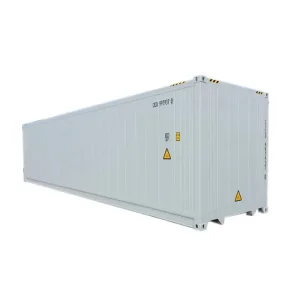
Buy New 40ft High Cube Thickened Foam Insulation Container Factory, Exporters
- Ultra-dense polyurethane core
- Extreme temperature stability
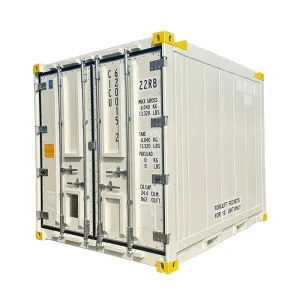
High-Quality New 10ft Certified Thermo King Freezer Container Exporter, Manufacturers
- Thermo King precision micro-unit
- Marine BV containerized approval
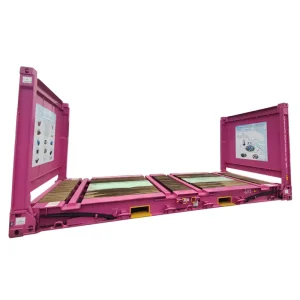
ODM New 20ft Platform Frame Container Pricelist, Exporters
- Heavy structural perimeter beam
- Out-of-gauge heavy plant cargo
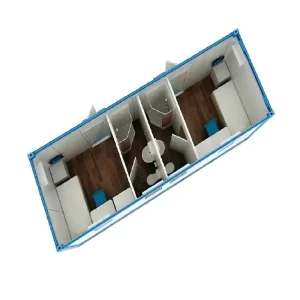
Famous 20ft 40ft Standard Size Accommodation Modular House Container Exporter, Products
- Fully integrated electrical & HVAC
- ISO corner structural interlock
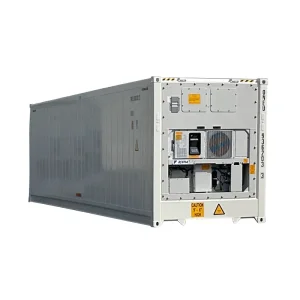
OEM New 40ft High-Cube Daikin Freezer Container Cold Storage Room Manufacturer, Products
- Daikin scroll compressor machinery
- On-site cold store walk-in door
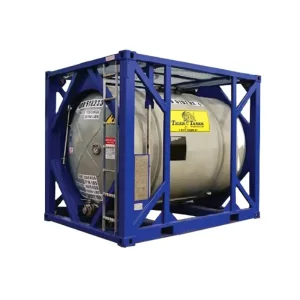
Buy New DNV Certification 10ft Offshore Tank Container Factory, Products
- DNV 2.7-1 / EN 12079 dynamic lifting
- Offshore chemical bunkering tank
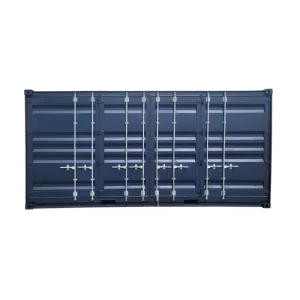
High-Quality New 20ft Customized Side Door Dry Cargo Shipping Container Factory, Product
- Full lateral bi-fold door access
- Direct forklift pallet clearance
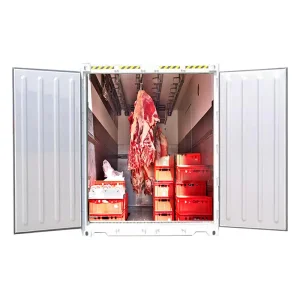
High-Quality Brand new hanging meat container for low temperature fresh transportation Pricelist, Products
- Reinforced ceiling meat rail tracks
- Food-grade hygienic airflow system