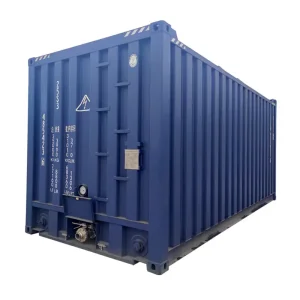
Primary Modular & Specialized Logistics Fleet Sourcing
Verified ISO, DNV, and reefer-grade structural platforms engineered for conversion into high-performance commercial and residential modular container units.
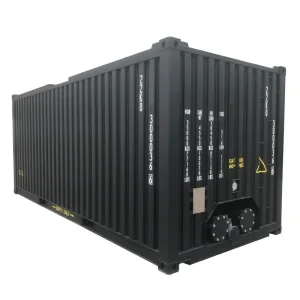
China 20 Feet Heated Shipping Asphalt Container Exporter, Manufacturers
Request Price Quote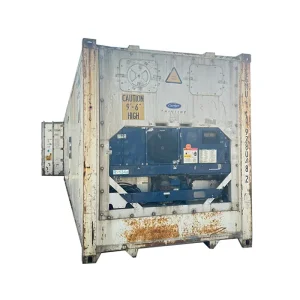
China Used 40ft High-Cube Certified Reefer Container Pricelist, Exporter
View Spec Sheet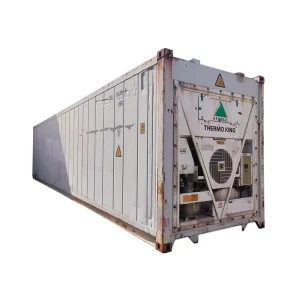
ODM New 40ft Refrigerated Freezer Container for Sale Factory, Exporter
Request ODM Quote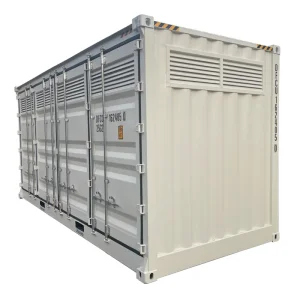
Famous 20FT High-cube Dangerous Goods Container Side Open Door with Ventilation Opening Manufacturer, Exporter
Inquire Inventory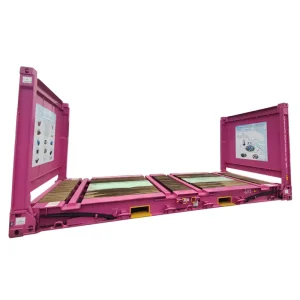
ODM New 20ft Platform Frame Container Pricelist, Exporters
Get Engineering Data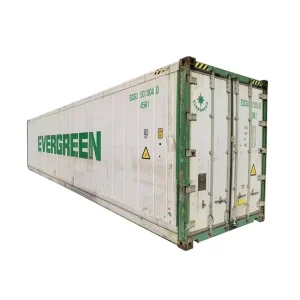
Buy Used 40ft HC Shipping Reefer Container Manufacturers, Exporters
Review Port Stock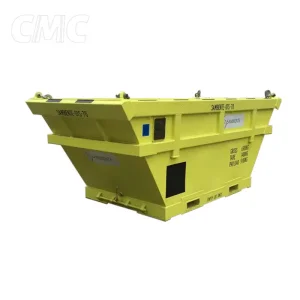
Famous DNV Certification Silt Basket Container Used in Offshore Operations Factories, Exporters
Check Compliance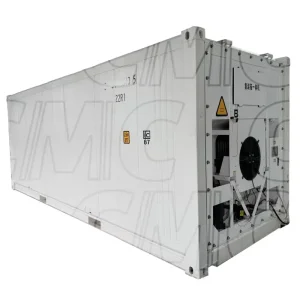
ODM The Smart Chain Cold Storage 20ft/40ft Solar Refrigerated Container 220V With DC Inverter Unit Pricelist, Exporters
Request Solar Hybrid QuoteGlobal Landscape: Commercial & Industrial Realities of Container Conversions
The global modular construction paradigm has shifted decisively toward ISO-certified, corten-steel conversions to mitigate inflation, site delays, and localized skilled-labor shortages.
Projected expansion across commercial & residential modular sectors through 2030
Anti-corrosive SPA-H Corten steel frame life in challenging coastal/offshore environments
Accelerated project completion via high-tolerance factory volumetric prefabrication
Net savings versus traditional in-situ civil and light-gauge steel construction
Civil Infrastructure & Commercial Real Estate
Developers increasingly replace volatile stick-built methods with standardized 20ft and 40ft High-Cube platforms for hotels, worker accommodation camps, retail hubs, and student housing. The inherent stackability up to 9-high simplifies density challenges on constrained urban plots.
Disaster Resilience & Remote Operations
Engineered to withstand harsh marine typhoons, Category 5 cyclonic activity, and seismic lateral shear forces, these units provide turnkey solutions for offshore drilling enclaves, military command bases, and humanitarian emergency rehousing without requiring extensive deep civil footings.
Decarbonization & Circular Construction
By transforming retired ISO shipping structures or using zero-waste precision factory manufacturing lines, developers earn high BREEAM and LEED credits. Embodied carbon metrics drop by up to 55% relative to standard reinforced concrete framework alternatives.
The Engine of Precision: Chinese Factory Efficiencies & Port Synergy
Combining heavy metallurgical vertical integration with maritime cluster proximity to eliminate intermodal transshipment inefficiencies.
Supply Chain Density
Direct mill relationships for automated continuous rolling of heavy-gauge SPA-H Corten steel, marine-grade primers, and specialized corner casting assemblies minimize material wait times.
Precision Robotics
Automated multi-axis robotic submerged arc welding lines eliminate human tolerance variances, producing water-tight structural joints meeting Bureau Veritas (BV) and DNV maritime classifications.
100km Port Gateways
Modern production facilities located within a short radius of Tianjin and Shanghai/Suzhou deepwater docks eliminate costly heavy-haul routing constraints and container storage backlogs.
Certified Compliance
Every structural variant ships complete with full mill certifications, ISO 1496 compliance, non-destructive test (NDT) reports, and maritime safety certifications ready for immediate customs release.
2025 Comprehensive B2B Cost Matrix & Quotation Framework
Reference factory-gate (FOB Tianjin/Qingdao) export price bands for modular containers, structural conversions, and specialized shells.
| Structural Model Class | Dimensions (L × W × H) | Standard FOB China Base | Insulated / Fitted Out FOB | Primary Certification |
|---|---|---|---|---|
| 20ft Standard Bare Shell (20GP) | 6,058 × 2,438 × 2,591 mm | $1,700 – $2,300 | $6,800 – $11,500 | ISO 668, CSC, BV Approved |
| 40ft High Cube Shell (40HC) | 12,192 × 2,438 × 2,896 mm | $3,100 – $4,200 | $12,500 – $22,000 | ISO 1496-1, Lloyd’s Register |
| 20ft Thermal Reefer Base (20RF) | 6,058 × 2,438 × 2,591 mm | $4,800 – $7,200 | $14,000 – $19,500 | Daikin/Carrier/Thermo King Unit |
| 40ft Side-Open / Dual Access | 12,192 × 2,438 × 2,896 mm | $5,200 – $6,900 | $18,000 – $29,000 | CSC Continuous Safety Approved |
| Offshore Accommodation Pod (DNV) | Configurable 10ft / 20ft | $8,500 – $13,500 | $24,000 – $42,000 | DNV 2.7-1 / EN 12079 / ATEX Unit |
*Note: Final prices vary based on raw steel indices, thermal insulation selections (PUR/PIR/Rockwool), and interior fit-out grade.
Localized Application Engineering Scenarios
Adapting container units for structural, thermal, and regulatory compatibility across distinct global climates.
Nordic & Canadian Sub-Zero
Requires thermal break wall framing with internal PUR continuous foam injection and triple-pane argon-gas glazing. Roof headers are re-engineered with structural trusses to support high ground snow loads while mitigating thermal bridging.
Gulf Region & Tropical Latitudes
Utilizes multi-layer ceramic reflective rooftop coatings, rockwool core sandwich panels, and tropicalized high-ambient HVAC chillers. Internal ducting avoids condensation corrosion behind wall panels.
Australasia & Cyclone Zones
Manufactured to meet Australian AS/NZS 1170 and AS 3000 electrical standards, reinforced with integrated hold-down twist-lock foundation plates rated for high wind velocity conditions.
Technological Vectors Driving Container Evolution
The container manufacturing sector is evolving from simple cargo modules to smart, connected, and energy-neutral deployable modular units.
Integrated Hybrid Solar Microgrids
Factory-installed fold-out rooftop solar PV arrays paired with lithium battery energy storage systems (BESS). These setups allow off-grid installations to run communication and climate control without diesel generators.
IoT Telemetry & Remote Diagnostics
Real-time edge sensors track humidity, frame structural strain, door openings, and HVAC performance via satellite and 5G connections for corporate logistics and housing operators.
BIM & Modular Digital Twins
Units are fully modeled in Revit/BIM prior to factory cutting. This helps global EPC contractors verify MEP tie-ins, stack stability, and municipal building code requirements before shipment.
Global Enterprise Procurement Checklist
Essential quality gates for EPC project managers, military logistics planners, and real estate investment trusts.
1. Steel Quality
Verify raw material mill sheets specify genuine SPA-H Corten alloy rather than lower-cost carbon steel, protecting against rapid corrosion at cutouts and weld points.
2. CSC Certification
Ensure structural cutouts and reinforced headers maintain certified CSC safety approvals so units can ship internationally via standard container vessels without breakbulk fees.
3. Coating Durability
Demand zinc-rich epoxy primers with chlorinated rubber or polyurethane topcoats at a minimum 120-micron dry film thickness (DFT) for reliable salt-spray resistance.
4. Factory FAT Protocols
Factory Acceptance Testing should include light-leak tests, hydraulic water spray checks, weld ultrasonic testing, and electrical dielectric isolation verification prior to dispatch.
Frequently Asked Sourcing & Engineering Questions
Direct answers from our engineering leads on MOQ, custom manufacturing, logistics, and compliance.
What is the typical lead time for custom ODM container homes?
Can converted container homes be shipped via regular container cargo vessels?
What insulation materials are used to prevent thermal bridging and condensation?
What is the minimum order quantity (MOQ) for custom-engineered configurations?
How are third-party certifications handled for international projects?
Complete Equipment & Specialty Conversion Lineup
Explore our full range of cold storage, high-cube liquid transport, offshore containers, and heavy machinery platforms.

OEM New Deep Freezer Refrigerator Container For Sale Factory, Quotes
Request Price Quote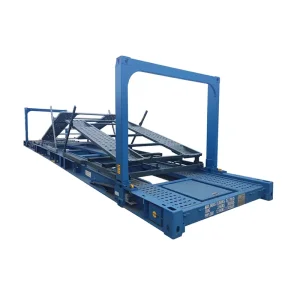
China New 20ft Car Carrier Container Special Container Exporter, Quotes
View Spec Sheet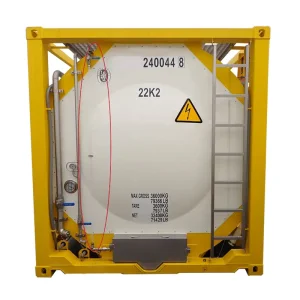
ODM 20ft Tank Container for Alcohol Manufacturer, Quotes
Request Tank Spec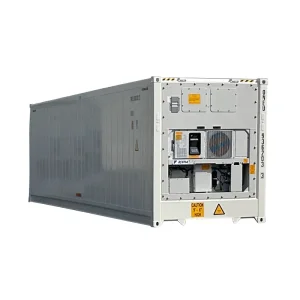
OEM New 40ft High-Cube Daikin Freezer Container Cold Storage Room Manufacturer, Products
Inquire Inventory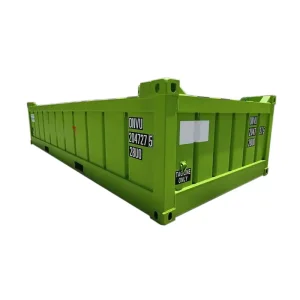
ODM New DNV Certification Offshore Half-Height Open Top Container Products, Exporters
Check Compliance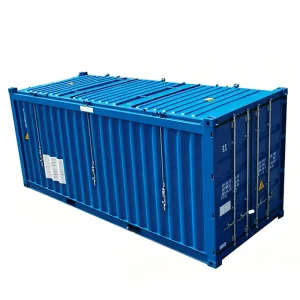
China 20ft New Hard Open Top Shipping Container Manufacturer, Factories
Request Open-Top Quote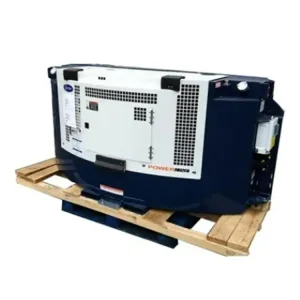
China Refrigerated container diesel generator Exporter, Quotes
Get Generator Data