
Reefer Box

Direct manufacturer deployment of certified Corten steel units engineered for long-haul maritime routes, cold chain logistics, and chemical transportation.
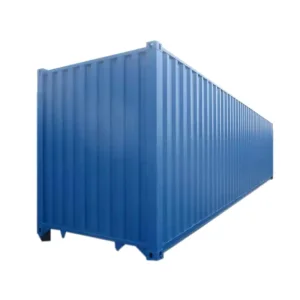
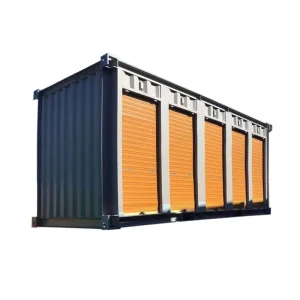
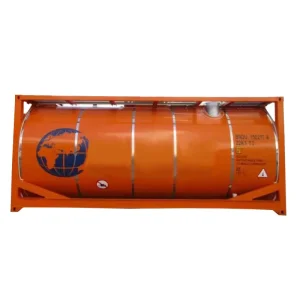
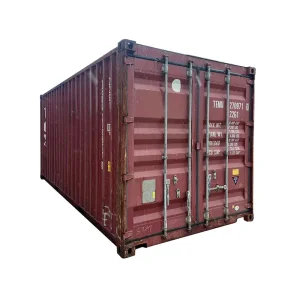
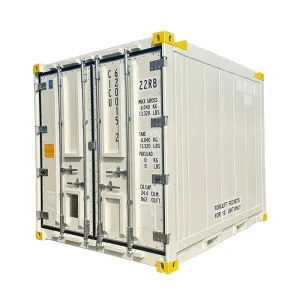
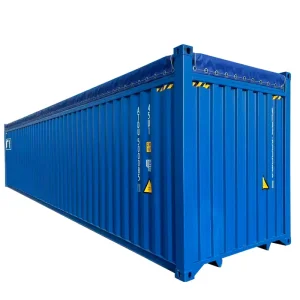
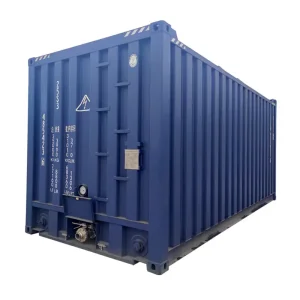
Modern global logistics require containers that transition beyond standard steel shells into modular, traceable, and thermal-efficient assets built for extreme payloads.
Structural reliability starts with corrosion-resistant Corten steel (SPA-H). Forming a dense patina layer upon oxidation, it mitigates progressive saltwater corrosion in aggressive marine environments.
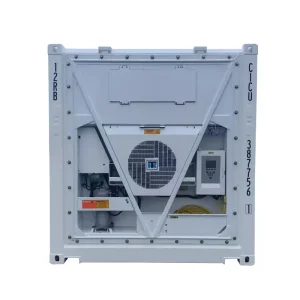
Next-generation reefer platforms integrate Carrier Transicold, Daikin, and Thermo King machinery with zero-ODP cyclopentane-blown polyurethane foam insulation, securing precise microclimates.
Real-time telematics deliver cellular and satellite tracking. Procurement operators gain full visibility into interior humidity, oxygen-carbon dioxide balance, and structural shock logging.
Harnessing automated continuous seam robotic welding, eco-friendly waterborne zinc silicate coatings, and port-adjacent assembly lines located in Tianjin and Suzhou.
High-amperage multi-axis automated welding eliminates human fatigue defects, creating leak-free corner casting unions compliant with ISO 1496-1 vertical stacking requirements.
Three-coat waterborne anti-corrosion paint systems reduce VOC emissions while yielding dry film thicknesses exceeding 120 microns for 15-year marine lifespan durability.
Direct arterial connection to Tianjin Port and Shanghai/Ningbo marine exits lowers drayage surcharges and protects delivery schedules against severe global supply pinches.
Custom container adaptations serve heavy extraction sectors, subsea operations, and high-efficiency transport routes worldwide.
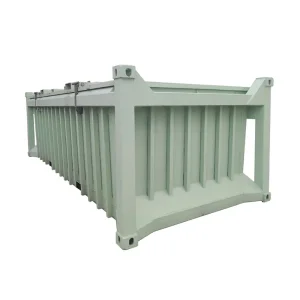
Certified offshore baskets, half-height ore bulk carriers, and hazardous tool enclosures fitted with pad eyes and calibrated four-leg sling assemblies withstand open ocean dynamics.
Special double-door and roll-up configurations streamline automated cargo handling along the Eurasian rail corridors, reducing dwell time during transshipment cycles.
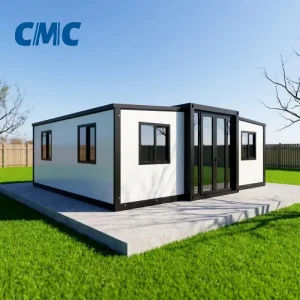
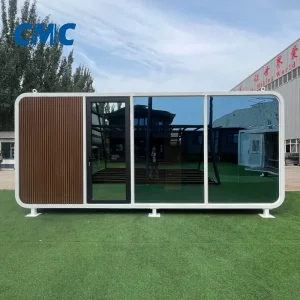
Engineered structural frames support conversion into field camps, mobile data hubs, and luxury capsule spaces with pre-installed insulation and utility routes.
Comprehensive baseline measurements for logistics project planning, payload balancing, and container selection.
| ISO Classification | Ext. Dimensions (L × W × H) | Internal Cube | Max Gross Mass | Tare Weight | Floor Load Integrity |
|---|---|---|---|---|---|
| 20GP Standard Dry | 6,058 × 2,438 × 2,591 mm | 33.2 m³ | 30,480 kg | 2,230 kg | 7,260 kg test axle load |
| 40GP Standard Dry | 12,192 × 2,438 × 2,591 mm | 67.7 m³ | 30,480 kg | 3,700 kg | Marine plywood (28mm) |
| 40HC High Cube Dry | 12,192 × 2,438 × 2,896 mm | 76.4 m³ | 32,500 kg | 3,920 kg | Bamboo composite option |
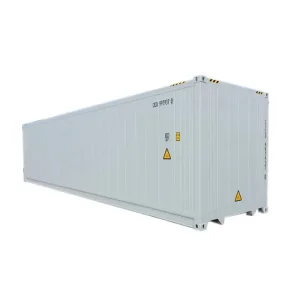
| 40HR High Cube Reefer | 12,192 × 2,438 × 2,896 mm | 67.9 m³ | 34,000 kg | 4,480 kg | Aluminum T-floor profile |
| 20FT ISO Liquid Tank | 6,058 × 2,438 × 2,591 mm | 17,500 - 26,000 L | 36,000 kg | 3,420 kg | 316L SS with steam heating |
Targeted manufacturing updates matching international emission reduction directives.
Deploying cold-rolled high-yield steel sections reducing empty unit tare weights by up to 4.5% to increase cargo payload capacities.
Integrating flexible rooftop photovoltaic laminates that keep digital telemetry, cold-chain sensors, and locks charged during intermodal transit.
Passive PCM insulation inserts inside reefer wall cores that hold targeted internal temperatures for 48 hours without shore power.
Securing structural maintenance histories, CSC inspections, and cargo custody records via cryptographic digital ledgers.
Every fabricated unit holds CSC certification verified by international classification societies to streamline port customs clearance and ship loading.
Audited by Bureau Veritas (BV), ABS, and DNV. Units display stainless steel CSC safety approval plates indicating maximum stack weights and transverse racking values.
Built under customs seal design mandates (CCC / TIR standards), ensuring hinges, locking cams, and keeper brackets remain tamper-proof throughout intercontinental routes.
Global availability of standardization parts, including door gaskets, EPDM seals, lock rods, and floor assemblies, lowers lifecycle maintenance expenses worldwide.
Engineered accommodations, nested logistics boxes, bulk mineral transport bins, and clip-on diesel generator sets.
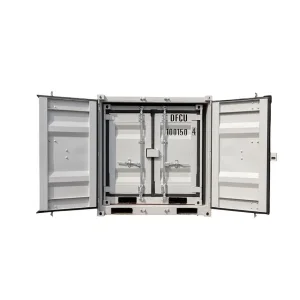
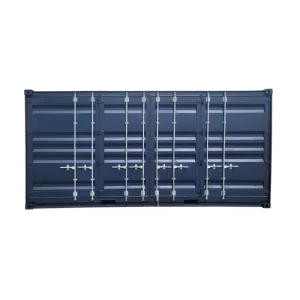
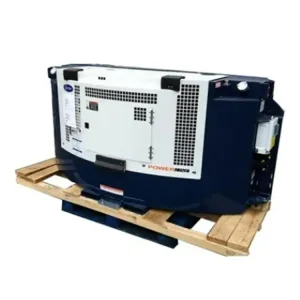
Key answers regarding production timelines, certification procedures, materials compliance, and intermodal transport requirements.
Standard ISO dry container batches typically require 15 to 25 days from drawing sign-off to port gate-in. Complex customizations—such as DNV 2.7-1 certified offshore models, side-opening reefer modifications, or hazardous liquid ISO tanks—generally take 30 to 45 business days to verify welding samples, non-destructive testing (NDT), and classification certification.
All containers ship with third-party verification, including Bureau Veritas (BV), ABS, or DNV certificates. Documentation bundles provide mill test certificates for SPA-H Corten steel, paint dry film thickness (DFT) logs, corner casting magnetic particle inspections, and CSC documentation plates stamped for active marine deployment.
We utilize 'One-Way Cargo' arrangements. Custom units are assigned an official BIC prefix and entered into the CSC database, allowing them to carry dry commercial cargo on their maiden export trip. This significantly offsets ocean drayage costs and eliminates empty positioning surcharges.
Yes. Plywood flooring complies with Australian Department of Agriculture, Fisheries and Forestry (DAFF) guidelines and AQIS timber treatment rules. We also offer alternative floor assemblies, including non-porous extruded aluminum T-sections, galvanized steel plates, and wear-resistant bamboo composite panels.
Connect with our technical design team in Tianjin. We supply detailed CAD cross-sections, insulation ratings, payload calculations, and full manufacturing quotes within 24 hours.