
Precision Specialized Containers & Multimodal Solutions
Engineered for extreme offshore conditions, cold-chain integrity, high-density bulk storage, and rapid modular deployment across worldwide trade corridors.
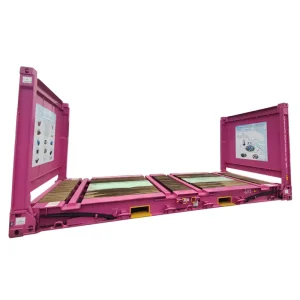
ODM New 20ft Platform Frame Container Pricelist, Exporters
Configure & Quote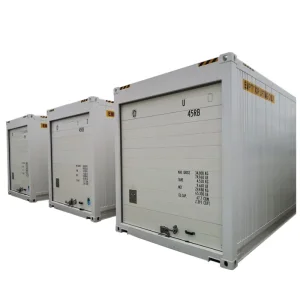
China 40ft High-Cube Roll Up Reefer Container Customized Shipping Containers Factory, Manufacturers
Configure & Quote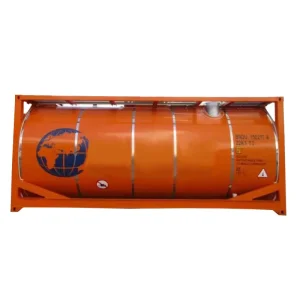
China 20 Foot ISO Liquid Tank Container for Water Manufacturer, Product
Configure & Quote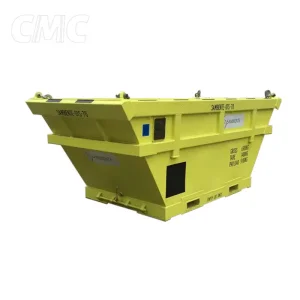
Famous DNV Certification Silt Basket Container Used in Offshore Operations Factories, Exporters
Configure & Quote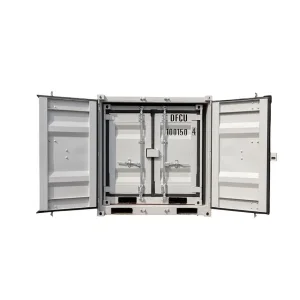
High-Quality Durable Cargo Shipping Container Mini Storage Nested Container
Configure & Quote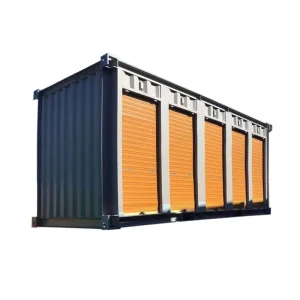
OEM New 20ft Storage Roll-Up Door Dry Cargo Container Pricelist, Product
Configure & Quote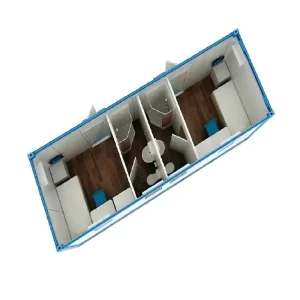
Famous 20ft 40ft Standard Accommodation Modular House Container Exporter
Configure & Quote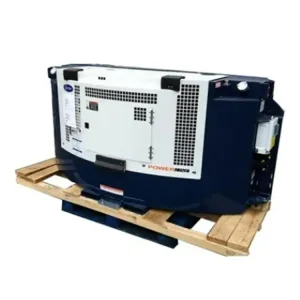
China Refrigerated Container Diesel Generator Exporter, Quotes
Configure & QuoteGlobal Intermodal Landscape: The Modern Paradigm of ODM Container Manufacturing
The global shipping container market has shifted from basic freight boxes to highly specialized, custom-engineered equipment. Driven by automated ports, cold chain demands, offshore energy projects, and modular architecture, procurement teams require durable equipment with verified certifications and predictable performance.
As a leading exporter and ODM/OEM manufacturing group with roots tracing back to 1983 in Tianjin and Suzhou, China, CIMIC operates at the intersection of metallurgical excellence, computerized thermal engineering, and international maritime law. Over the past 40 years, our engineering operations have evolved to support complex global supply chains. With international production facilities located within 100 kilometers of major deepwater seaports, our production pipelines eliminate inland freight friction, ensuring that custom-built container units transition directly from robotic assembly lines into active maritime, rail, and intermodal transport channels.
Macro Industry Solutions: Resolving Structural Deficits Across Four Core Sectors
Industrial clients across the Americas, Europe, Africa, Oceania, and Asia encounter distinct logistical hurdles that catalog-standard units cannot solve. Our design and fabrication protocols are engineered to resolve these exact friction points:
Severe Environment Offshore Rig Supply
Offshore oil, gas, and subsea operations require structural integrity under dynamic marine forces. Standard ISO freight containers fail under wave-slam and crane-impact loads. Our DNV 2.7-1 / EN 12079 certified offshore silt baskets, work boxes, and half-height carriers utilize high-tensile Corten steel with low-temperature impact properties (-20°C to -40°C), certified lifting pad-eyes, and 4-point wire rope slings.
Active & Passive Cold Chain Integrity
Pharmaceuticals, premium berries, exotic produce, and frozen animal proteins require precise temperature stability (±0.25°C) across volatile shipping routes. We integrate Carrier Transicold X4, Thermo King Magnum Plus, and Daikin LXE units into thickened high-density polyurethane insulated envelopes (thermal conductivity k ≤ 0.022 W/m·K) alongside dual-circuit solar and diesel gen-set backup systems.
High-Density Liquid & Bitumen Transport
Bulk liquids, hazardous chemicals, and viscous heated asphalt require specialized vessels. Our ISO 20ft liquid tank containers (316L stainless steel, 14,000L to 26,000L capacity) and thermal oil heated asphalt carriers allow direct multimodal switching between ship, train, and heavy chassis without transferring cargo, reducing demurrage and handling spills.
Rapid Modular Civil Infrastructure
Mining exploration, defense operations, disaster response, and remote commercial setups demand durable modular housing. We engineer structural accommodation units based on ISO corner castings that maintain full structural stackability (up to 9 high) while providing complete interior pre-fitments, fire-rated insulation, acoustic barriers, and plug-and-play MEP utilities.
Enterprise Manufacturing Metrics & Port Infrastructure
Four decades of manufacturing discipline backed by Bureau Veritas, ISO 9001 quality systems, and automated robotic fabrication yards.
Localized Application Scenarios: Strategic Fleet Deployment Across Core Geographies
Container engineering requirements vary significantly across different operating environments. A chassis unit operating across sub-Saharan Africa requires distinct structural and insulation characteristics compared to an intermodal unit traversing the European rail network or an offshore basket servicing North Sea oil installations.
1. The African Continent: Agricultural Corridors & Remote Mining Logistics
In developing logistics markets throughout East and West Africa, poor highway infrastructure and long delays at border crossings create severe temperature-control challenges. Our solar-assisted reefer units and integrated diesel generator configurations provide independent power for perishable exports (such as Kenyan cut flowers, Ethiopian coffee beans, and West African cocoa). For mineral extractors in Zambia and the DRC, our heavy-duty platform frame containers and half-height ore carriers handle high bulk payloads without chassis deflection.
2. European Union: Decarbonization, Low-GWP Refrigerants & Intermodal Rail
European environmental regulations mandate low Global Warming Potential (GWP) refrigerants (R-513A, R-1234yf) and strict energy efficiency profiles. Our Carrier X4-powered and Daikin reefer units align with EU F-gas regulations while providing lower energy draw per TEU. Additionally, our pallet-wide 40ft High Cube containers match Euro-pallet footprints (1200mm × 800mm), eliminating air space and lowering transport costs across European intermodal rail routes.
3. North America: Intermodal Chassis, Cold Room Micro-Hubs & Industrial Storage
In the North American logistics sector, roll-up door containers and side-opening reefers are increasingly deployed as static on-demand cold storage rooms for grocery distribution and urban fulfillment centers. Rather than building expensive cold storage facilities, fleet operators utilize our thickened-foam insulated boxes fitted with interior LED lighting and safety egress doors to rapidly scale temperature-controlled capacity.
4. Middle East & Offshore Exploration Zones
In high-ambient desert environments (upwards of +55°C) and corrosive offshore zones across the Arabian Gulf, structural steel quickly degrades without proper thermal engineering and surface treatment. We utilize zinc-rich primer coatings, heavy-gauge Corten-A steel panels, and thermal break engineering to prevent heat transmission and surface corrosion.
| Container Model & Type | Dimensions (Ext. L × W × H) | Internal Volume | Max Gross Mass | Primary Industrial Use-Case | Certification Compliance |
|---|---|---|---|---|---|
| 20ft Platform Frame | 6,058 × 2,438 × 2,591 mm | Flat-rack payload | 30,480 kg | Heavy industrial equipment & project cargo | ISO 1496-1 / CSC |
| 40ft High Cube Roll-Up Reefer | 12,192 × 2,438 × 2,896 mm | 67.6 m³ | 34,000 kg | Fast cross-dock cold distribution | BV / ATP / ISO |
| 20ft ISO Liquid Tank Container | 6,058 × 2,438 × 2,591 mm | 20,000 - 26,000 L | 36,000 kg | Potable water, food liquids, industrial fluids | IMDG / ASME / BV |
| DNV Offshore Silt / Cargo Basket | Custom lengths (10ft - 40ft) | Varies by basket | Up to 25,000 kg | Subsea tools, offshore drilling materials | DNV 2.7-1 / EN 12079 |
| Nested Mini Storage (4ft to 12ft) | Modular nested dimensions | 6.5 to 18.2 m³ | 5,000 - 10,000 kg | Self-storage centers, small jobsite storage | ISO Standard |
| 20ft Heated Asphalt Container | 6,058 × 2,438 × 2,591 mm | 27,000 L | 32,000 kg | Bitumen, crude tar, viscous road materials | ADR / RID / CSC |
Technology Roadmap: Smart Fleets, Corten Metallurgy & Carbon Neutrality
The shipping container sector is undergoing a quiet technological transformation. Rising fuel costs and sustainability targets have accelerated adoption of lighter materials, smart automation, and renewable auxiliary systems. Our production lines integrate these advancements across several engineering layers:
1. Smart Telematics & Predictive Maintenance
Standard containers are increasingly equipped with low-power satellite and 5G cellular transceivers. These sensors monitor internal container temperature, humidity, shock events, door breaches, and structural strain in real time. For reefer fleets, telematics enable remote pre-trip inspections (PTI) and automatic defrost scheduling, reducing depot technician hours and extending compressor lifespan.
2. Advanced Thermal Barrier Chemistry & Aerogel Foams
Traditional rigid polyurethane foams lose thermal resistance as blowing agents escape over years of service. Next-generation insulated units use cyclopentane-blown polyisocyanurate (PIR) cores and aerogel insulation blankets within wall cavities. This increases available interior volume by up to 3.5% while lowering thermal heat leakage to less than 21 W/K.
3. Direct Solar Generation & Inverter Compressors
Modern reefer containers consume considerable electrical power when connected to vessel auxiliary circuits or terminal grids. Our newest units pair brushless DC inverter compressors with roof-integrated, walk-on monocrystalline photovoltaic arrays. This hybrid configuration lowers diesel genset fuel burn by up to 35% on long-haul inland rail corridors.
CIMIC 5-Stage Engineering Lifecycle (From Brief to Vessel Loading)
How we turn custom container designs into sea-ready equipment through documented quality gates.
Technical Consultation
We review cargo profiles, stacking weights, temperature demands, and handling routes to determine optimal container configurations.
CAD/FEA Engineering
Our engineers run Finite Element Analysis (FEA) on custom structural members, door layouts, and corner castings before releasing shop drawings.
Robotic Assembly
Corten-A steel plates are stamped, welded with automated submerged arcs, shot-blasted to SA 2.5, and coated with epoxy-zinc finishes.
Third-Party QA
Bureau Veritas inspects structural integrity, weather-tightness, door seals, and reefer temperature pulldowns against CSC and ISO 1496 guidelines.
Port Staging & Export
Completed units are transferred to Tianjin or Suzhou ports, ready for one-way loading or consolidated vessel shipment worldwide.
Specialized Heavy Equipment & Thermal Containers
Browse offshore baskets, pressurized gas ISO tanks, insulated units, integrated reefer setups, and heated bitumen carriers.

High-Quality New Offshore Basket Container for Offshore Operations Exporter, Exporters
Configure & Quote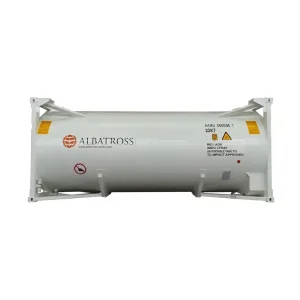
China 25000 Liters ISO 20ft Gas Tank Container for Sale Product, Factories
Configure & Quote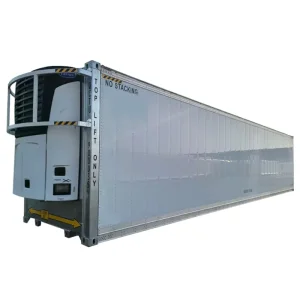
China Carrier X4-7300 Refrigeration and Electricity Integrated Container Exporter, Products
Configure & Quote
ODM The Smart Chain Cold Storage Solar Refrigerated Container DC Inverter Unit
Configure & Quote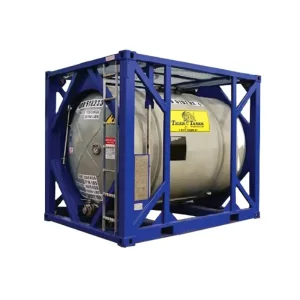
Buy New DNV Certification 10ft Offshore Tank Container Factory, Products
Configure & Quote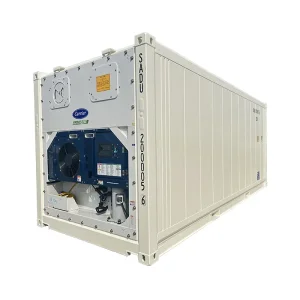
High-Quality New 40ft High Cube Carrier Refrigerator Freezer Cold Room Product, Exporters
Configure & Quote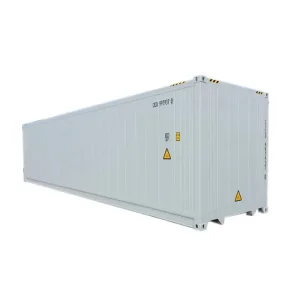
Buy New 40ft High Cube Thickened Foam Insulation Container Factory, Exporters
Configure & Quote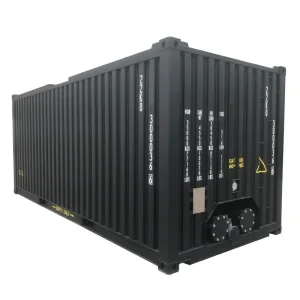
China 20 Feet Heated Shipping Asphalt Container Exporter, Manufacturers
Configure & QuoteFrequently Asked Questions: Technical & Commercial Standards
Clear answers to common questions about container manufacturing, load ratings, inspection standards, and export logistics.
What specific steel metallurgy is utilized to prevent marine corrosion and premature fatigue?
Welded assemblies are thoroughly shot-blasted to SA 2.5 cleanliness to remove mill scale, followed by a multi-coat paint system: a zinc-rich epoxy primer (minimum 30 microns dry film thickness), an epoxy intermediate coat (40 microns), and a durable polyurethane topcoat (minimum 40 microns), delivering a total dry film thickness ≥ 110-120 microns.
How do DNV 2.7-1 offshore containers differ from standard ISO shipping containers?
In contrast, offshore containers operate in open seas where supply vessels pitch and heave in heavy swell. Offshore units must comply with DNV 2.7-1 / EN 12079, which mandates specialized high-tensile structural profiles tested for dynamic snatch impacts, Charpy V-notch toughness down to -20°C or -40°C, certified welded lifting pad-eyes, non-destructive testing (NDT) of critical welds, and dedicated 4-leg wire rope slings with safety shackles. Standard ISO dry containers must never be hoisted offshore.
What are the structural customization limits for ODM doors, access hatches, and side walls?
Our engineering team validates every modification with 3D Finite Element Analysis (FEA) to confirm that the revised frame meets ISO racking and stack-weight ratings (up to 216,000 kg for 9-high container stacks) prior to Bureau Veritas approval and manufacturing.
Which refrigeration machinery options are available, and how are replacement parts sourced?
Because these units use global standard architectures, replacement components (compressors, condenser fans, controllers, thermistors, and expansion valves) are readily available at major seaport depots, reefer maintenance stations, and authorized service centers across 150+ countries.
What is the difference between New-Build One-Trip containers and Port-Stocked Used containers?
Port-Stocked Used units are second-hand containers stored across key Chinese coastal ports. We inspect and grade these units into Cargo Worthy (CW) or Wind & Water Tight (WWT) categories, verifying solid flooring, functioning door gaskets, and valid CSC plates. These used units provide a cost-effective option for stationary on-site storage or one-off export freight.
How does proximity to Tianjin and Suzhou ports affect production schedules and delivery costs?
It also enables immediate berthing upon production sign-off, gives us direct access to high-frequency vessel departures, and simplifies pre-shipment inspections by third-party surveyors (Bureau Veritas, Lloyd's Register, ABS).
Need a Custom Engineered Container Solution?
Consult directly with our engineering and export team. We review your cargo specs, temperature parameters, structural blueprints, and destination requirements to deliver compliant CAD drawings and transparent container quotes.
Request an Engineering Consultation