
Enterprise Catalog
Engineered Intermodal Fleet Solutions
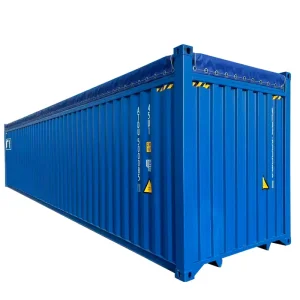
Explore certified standard, specialized, and offshore shipping container configurations engineered for resilient worldwide transport.
1983
Engineering Heritage Since
100 km
Direct Seaport Proximity
30,480 kg
Certified Max Gross Rating
100%
Corten-A Anti-Corrosive Steel
Technical Whitepaper & Industrial Analysis
The Engineering Edge of Chinese ODM Container Facilities
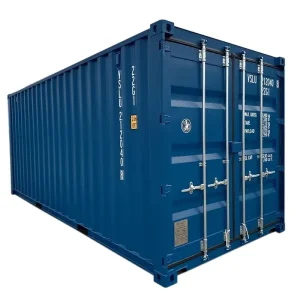
In modern intermodal freight logistics, standard 20ft containers (ISO 668 1CC series) serve as the fundamental atom of global trade. Manufacturing these structures requires deep metallurgical precision, robotic welding integrity, and stringent coating processes capable of withstanding corrosive ocean environments.
Metallurgical Superiority & Corten-A
Modern Chinese production hubs utilize certified SPA-H weathering steel (Corten-A equivalent). This specialized copper-chromium-nickel alloy forms an adhering rust-like oxide layer upon exposure to marine atmospheres, halting deep atmospheric corrosion and ensuring long service lifespans under intense ocean salinity.
Full Automated Robotic Weld Cells
Our Tianjin and Suzhou facilities integrate automated robotic submerged arc and GMAW welding pipelines. Continuous seam welding on corrugation profiles and structural corner posts mitigates thermal distortion, maintaining structural squareness and preventing micro-fissures during multi-tier container vessel stacking.
Integrated Port-Cluster Logistics
Positioned within 100 kilometers of the mega-ports of Tianjin and Shanghai, our logistics corridor eliminates domestic transshipment demurrage. Containers roll off assembly bays directly into designated container yards for pre-trip inspections, CSC certification plating, and direct ocean carrier staging.
Engineering Blueprint
Standard ISO 20ft Intermodal Technical Parameters
Verified structural parameters compliant with ISO 1496-1, CSC (Convention for Safe Containers), and classification society benchmarks (BV, ABS, CCS, DNV).
| Dimensional / Performance Metric | Standard 20ft Dry Cargo (20GP / 1CC) | 20ft High-Cube Specialized (20HC) | 20ft Refrigerated Container (20RF) |
|---|---|---|---|
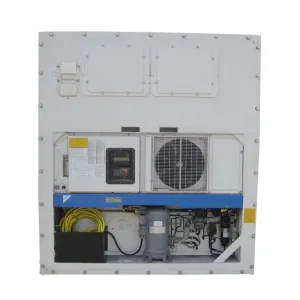
| External Dimensions (L × W × H) | 6,058 × 2,438 × 2,591 mm (20' × 8' × 8'6") | 6,058 × 2,438 × 2,896 mm (20' × 8' × 9'6") | 6,058 × 2,438 × 2,591 mm (20' × 8' × 8'6") |
| Internal Dimensions (L × W × H) | 5,898 × 2,352 × 2,393 mm | 5,898 × 2,352 × 2,698 mm | 5,444 × 2,290 × 2,275 mm |
| Internal Usable Volume | 33.2 m³ (1,172 cu.ft) | 37.4 m³ (1,320 cu.ft) | 28.3 m³ (999 cu.ft) |
| Max Gross Weight (MGM) | 30,480 kg (67,200 lbs) | 30,480 kg (67,200 lbs) | 30,480 kg (67,200 lbs) |
| Tare Weight (Nominal) | 2,180 kg (4,805 lbs) | 2,340 kg (5,160 lbs) | 2,950 kg (6,500 lbs) |
| Payload Capacity | 28,300 kg (62,395 lbs) | 28,140 kg (62,040 lbs) | 27,530 kg (60,700 lbs) |
| Flooring System | 28mm Keruing Marine Plywood / Bamboo Composites | 28mm Heavy-Duty Hardwood / Steel Checker Plate | Extruded Aluminum T-Floor for Continuous Airflow |
| Stacking Test Capacity | 216,000 kg (9-High Fully Laden Maritime Stack) | 216,000 kg (9-High Fully Laden Maritime Stack) | 216,000 kg (Tested per ISO 1496-2 standards) |
Industry Intelligence
Global Sourcing Trends & Macro Shifts
The global shipping container market is transitioning from commodity fabrication to intelligent, modular, and green intermodal assets designed for supply chain resilience.
IoT-Enabled Smart Container Telemetry
Global procurement teams increasingly require 20ft container chassis fitted with embedded sensor arrays. Autonomous telematics systems track continuous temperature, atmospheric moisture, door security breaches, and G-force impacts via integrated satellite and cellular uplinks.
Decarbonized Eco-Finishing Technologies
Traditional solvent-based paints are replaced with advanced waterborne primer and polyurethane topcoat technologies. By adopting automated VOC capture and high-solid coatings, factory lines reduce volatile emissions while meeting European environmental compliance.
Bespoke ODM Structural Diversification
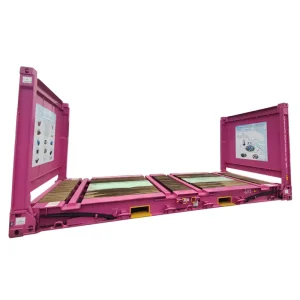
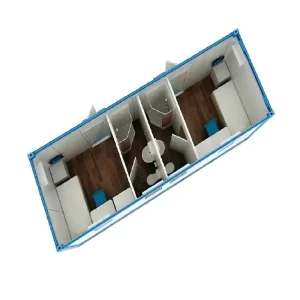
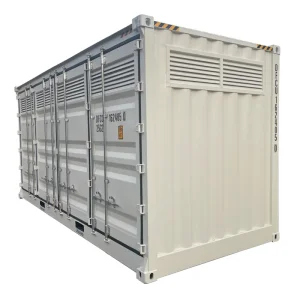
Enterprise procurement now extends beyond standard freight boxes. Multi-door lateral access units, dangerous chemical containers (DG Class compliant), and modular energy storage enclosures (BESS) require specialized structural reinforcements integrated directly at the factory stage.
Application Horizons
Cross-Sector Industrial Deployments
Engineered standard 20ft platforms serve across primary logistics routes, industrial battery storage, offshore energy installations, and cold chain distribution.
Intermodal Rail & Ocean Freight
Certified ISO 20ft containers provide the standardized structural backbone for transcontinental rail (such as the China-Europe Railway Express) and deep-sea container fleets, engineered for fast automated handling by gantry cranes and reach stackers.
Offshore Marine & Extreme Operations
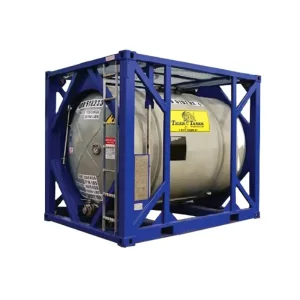
Manufactured to DNV 2.7-1 / EN 12079 dynamic lifting criteria, our offshore dry cargo and tank units withstand rough ocean states, dynamic shock loads during open-water crane transfers, and harsh saline environments on deep-sea drilling platforms.
Clean Energy BESS Enclosures
The standard 20ft envelope has emerged as the global footprint for Battery Energy Storage Systems (BESS). Factory customization provides reinforced internal ribbing, built-in thermal insulation, explosion relief panels, and precision HVAC venting cutouts.
Enterprise Procurement Protocol
Mitigating Risk in High-Volume Container Sourcing
A rigorous five-stage quality assurance protocol engineered to protect international logistics operators, leasing firms, and infrastructure developers.
CAD Structural Engineering Validation
Before cold metal forming begins, engineering teams model stress distributions, torsional loads, and payload balancing in 3D finite element simulation environments. Detailed drawings confirm door arrangements, interior lining thickness, and forklift pocket spacing.
Classification Society Witness Testing
All production batches are manufactured under oversight from recognized classification societies (Bureau Veritas, DNV, ABS, or CCS). Inspectors witness floor deflection trials, end-wall strength testing, watertight weatherproofing, and multi-tier stacking compression proofs.
Direct-Port Marshalling & One-Way Lease
Containers are positioned directly within Tianjin or Shanghai port gates. We arrange "One-Trip / One-Way" international repositioning movements with tier-1 shipping lines, allowing overseas procurement buyers to offset ocean freight expenses via revenue-earning initial transit.
Engineered Inventory
Specialized Cargo, Thermal & Power Infrastructure
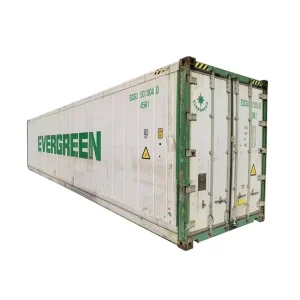
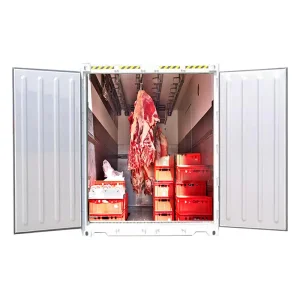
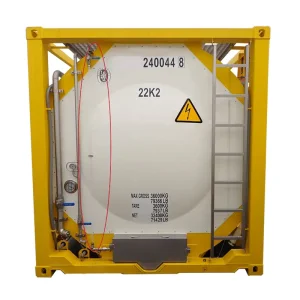
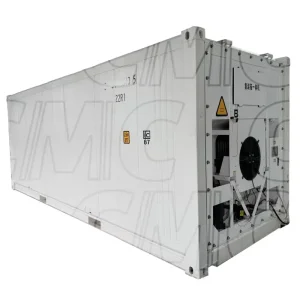
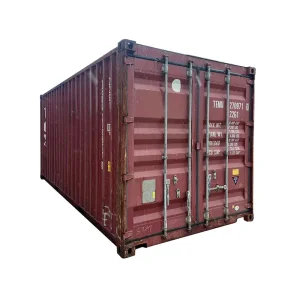
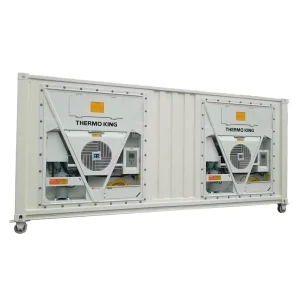
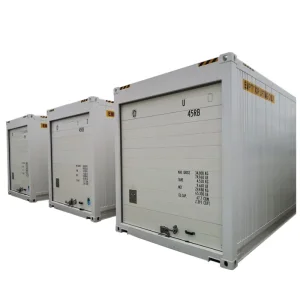
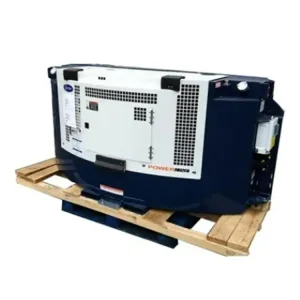
High-grade reefer architectures, ISO tank units, insulated enclosures, and auxiliary power solutions ready for worldwide commercial deployment.
Technical Clarifications
Frequently Asked Procurement & Engineering Questions
Direct technical responses regarding ISO standard dimensions, CSC certification, custom modifications, and international lead times.
What steel grade is used in standard 20ft container manufacturing?
We utilize high-yield SPA-H weathering corten steel (ISO 6341 equivalent). This atmospheric corrosion-resistant alloy provides tensile yield strength exceeding 355 MPa, ensuring resistance to marine salinity, torsional rail stress, and long ocean transits.
How is CSC safety approval and marine certification issued?
Every container leaves our manufacturing line fitted with a stainless steel CSC (Convention for Safe Containers) safety plate stamped by Bureau Veritas (BV), ABS, CCS, or DNV. Certification requires comprehensive hydrostatic, door seal, side wall, and nine-high stacking tests.
Can you provide custom modifications for specialized engineering projects?
Yes. Our full ODM program supports structural engineering adjustments: full side-opening access doors, heavy-duty insulated walls, roller shutters, customized interior cable raceways for battery storage (BESS), and specialized ventilation configurations for hazardous materials.
What is the standard production cycle and export lead time?
Standard 20ft dry cargo orders typically require 2 to 4 weeks from drawing confirmation to port delivery. Tailored ODM configurations or specialized reefer production runs take 4 to 6 weeks, supported by our factory staging yards located within 100km of Tianjin and Shanghai ports.