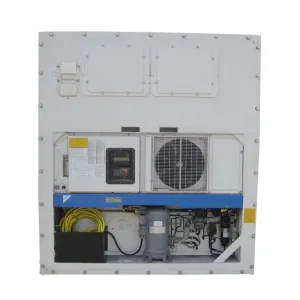
Specialized Intermodal & Reefer Container Showcase
Explore our precision-engineered container systems built from Corten SPA-H anti-corrosion structural steel, fitted with international-grade refrigeration machinery and CSC certification.
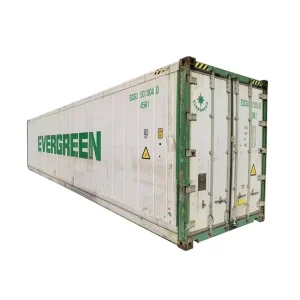
Buy Used 40ft HC Shipping Reefer Container Manufacturers, Exporters
View Spec & Quote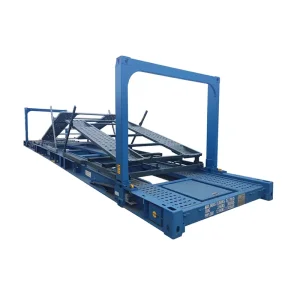
China New 20ft Car Carrier Container Special Container Exporter, Quotes
View Spec & Quote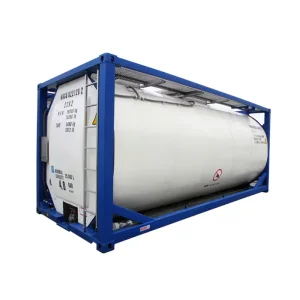
Buy ISO Standard 20ft Versatile Tank Container for Transport Chemicals Exporter, Product
View Spec & Quote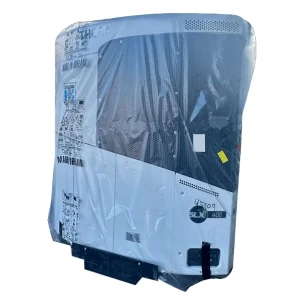
Famous TK SLXI Mobile power generation trailer cooling unit Product, Manufacturers
View Spec & Quote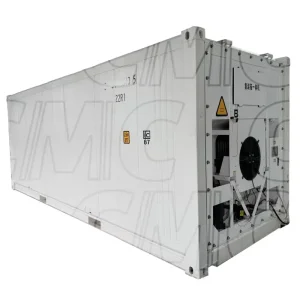
ODM The Smart Chain Cold Storage 20ft/40ft Solar Refrigerated Container 220V With DC Inverter Unit Pricelist, Exporters
View Spec & Quote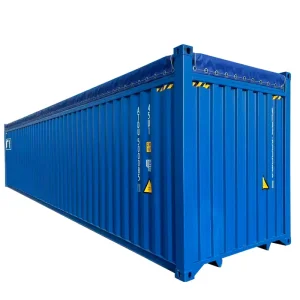
Buy 40ft High-Cube New Soft Open Top Shipping Container with Tarpaulin Cover Manufacturer, Product
View Spec & Quote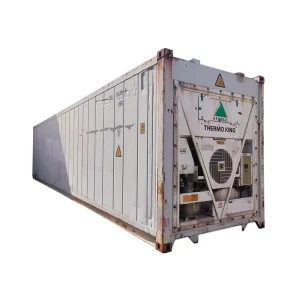
ODM New 40ft Refrigerated Freezer Container for Sale Factory, Exporter
View Spec & Quote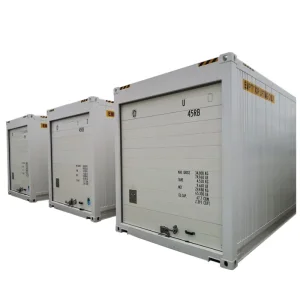
China 40ft High-Cube Roll Up Reefer Container Customized Shipping Containers Factory, Manufacturers
View Spec & QuoteMacro-Industry Intermodal Container Solutions
Evaluating end-to-end operational architectures across high-value cold chains, chemical logistics, bulk intermodal transport, and specialized offshore extraction.
Modern international freight networks require far more than basic corrugated steel enclosures. High-throughput logistics operators, offshore drilling platforms, chemical conglomerates, and temperature-controlled food distribution chains demand rigorous structural engineering, validated thermal barrier performance, and tailored intermodal adaptability. The transition from off-the-shelf standard dry freight units to custom OEM specialized containers represents an evolutionary leap in transport efficiency, supply chain risk mitigation, and payload optimization.
Pharma & Perishable Cold Chain
Engineered with cyclopentane polyurethane high-density insulation and integrated Thermo King, Carrier, or Daikin digital scrolling compressors. Maintains ultra-accurate internal climates ranging from -60°C cryogenic deep-freeze to +30°C controlled atmosphere with minimum thermal leakage (k-value below 0.38 W/m²·K).
Hazardous Liquid & Chemical ISO Tanks
Manufactured using high-tensile 316L stainless steel pressure vessels encased within rigid 20-foot Corten structural frames. Compliant with IMDG Class 1-9, ASME Section VIII, and ADR regulations for safe transit of corrosive, toxic, and volatile hydrocarbons under maritime and rail intermodal regimes.
BESS Renewable Energy Enclosures
Factory-customized Battery Energy Storage System (BESS) modular enclosures featuring integrated thermal management (HVAC & liquid cold-plates), structural fire ratings (NFPA 68/69 deflagration vents), clean-agent Novec/FM-200 fire suppression, and reinforced seismic tie-downs for utility grid stabilization.
Heavy Mining & Bulk Logistics
Heavy-duty half-height ore containers, asphalt heated transport units, and bulk gravity-discharge containers featuring specialized Hardox abrasive-resistant steel bottoms, rotary tippler compatibility, and reinforced top hatches engineered to withstand dynamic impact from dense mineral ores.
Global Commercial Status Quo & Sourcing Landscape
Data-driven analysis of container manufacturing capacities, raw material fluctuations, and factory-level Total Cost of Ownership (TCO).
The global shipping container market represents a critical indicator of worldwide industrial velocity. Over 90% of global intermodal equipment fabrication is concentrated in China's advanced manufacturing hubs, where industrial ecosystems integrate primary steel foundries, automated robotic welding lines, zinc-rich coating chambers, and specialized cold-machinery assembly centers. Sourcing direct from an established OEM container factory in Tianjin or Suzhou significantly reduces intermediary overhead, establishes verified material provenance (JIS G3125 SPA-H standard weathering steel), and ensures absolute compliance with international maritime classification societies.
Procurement teams navigating the current market must balance structural longevity against volatile raw material inputs—particularly cold-rolled corten coils, marine-grade zinc primers, 28mm keruing or bamboo composite flooring, and European-manufactured refrigeration condensing units. Choosing OEM partners with deep direct-docking logistics to prime export seaports guarantees streamlined customs clearances under TIR carnet treaties and eliminates expensive inland shunting costs.
Comprehensive OEM Factory Pricelist & Technical Matrix
Indicative baseline ex-factory pricing structures for standard, reefer, and engineered special containers. Real-time contracts are indexed to steel tonnage and refrigeration specification.
| Container Model & Type | Dimensions (Ext. L×W×H) | Tare Weight (kg) | Max Payload (kg) | Core Engineering Specs | Indicative FOB Factory Price |
|---|---|---|---|---|---|
| 20ft Standard Dry (20GP) | 6,058 × 2,438 × 2,591 mm | 2,180 kg | 28,300 kg | Corten SPA-H steel, 28mm marine plywood/bamboo floor, CSC certified | $1,750 – $2,350 |
| 40ft High-Cube Dry (40HC) | 12,192 × 2,438 × 2,896 mm | 3,820 kg | 26,660 kg | Extra interior cube (76.4 m³), 4 lock rods, dual forklift pockets option | $2,850 – $3,650 |
| 40ft High-Cube Reefer (40RH) | 12,192 × 2,438 × 2,896 mm | 4,480 kg | 29,520 kg | Thermo King / Carrier / Daikin unit, MGSS interior, T-bar airflow floor | $12,800 – $18,500 |
| 20ft ISO Chemical Tank | 6,058 × 2,438 × 2,591 mm | 3,450 kg | 32,550 kg | 316L SS vessel, 21,000–26,000L capacity, steam heating, ASME/IMDG | $16,500 – $24,000 |
| 20ft Offshore DNV Container | 6,058 × 2,438 × 2,591 mm | 3,100 kg | 11,900 kg | DNV 2.7-1 / EN 12079, certified lifting pad eyes, sub-zero charpy steel | $5,800 – $8,200 |
| 40ft Soft Open-Top (Tarpaulin) | 12,192 × 2,438 × 2,896 mm | 4,100 kg | 26,380 kg | Removable roof bows, heavy-duty TIR approved waterproof PVC tarp | $4,200 – $5,400 |
| 20ft Multi-Vehicle Carrier Rack | 6,058 × 2,438 × 2,896 mm | 2,600 kg | 27,880 kg | Hydraulic/mechanical ramp systems for EV, SUV, and sedan compact staging | $3,100 – $4,600 |
| Used 40ft HC Cargo-Worthy Reefer | 12,192 × 2,438 × 2,896 mm | 4,520 kg | 29,480 kg | PTI inspected (Pre-Trip Inspected), reconditioned machinery, PTI warranty | $4,800 – $7,200 |
*Note on Pricing Dynamics: The prices outlined above represent benchmark wholesale export pricing (FOB Tianjin/Qingdao/Shanghai port). Final cost models depend on actual production run scale (1 container prototype order versus block fleet commitments), international currency exchange rates, customized internal structural reinforcements (such as side access roll-up shutters, explosion-proof electrical conduits, or dual-temperature zone partitions), and certification requirements from third-party classification societies such as Bureau Veritas (BV), Lloyd's Register (LR), or DNV GL.
Compliance Standards, Metrology & Quality Engineering
Rigorous multi-stage factory verification guarantees each unit withstands the harshest marine and operational conditions on earth.
Classification Society Approvals
Every container lot is manufactured under documented audits conforming to Bureau Veritas (BV) Type Approval, American Bureau of Shipping (ABS), and ISO 9001:2015 quality management systems. Offshore modules adhere strictly to DNVGL-ST-E271 (DNV 2.7-1) and BS EN 12079 criteria, verifying drop test integrity and weld ultrasonic testing at -20°C.
CSC & Customs Safety Verification
Units are fitted with stamped stainless steel CSC (International Convention for Safe Containers) safety approval plates, certifying maximum operating gross weight, stacking strength (typically 216,000 kg for 9-high laden stacking), and transverse racking tests. TIR approval ensures physical security for bonded international cross-border cargo transit.
Destructive & Non-Destructive Testing
Factory QA protocols include automated radiographic and magnetic particle weld inspections, 200 kPa water-spray watertightness testing over door perimeter gaskets, floor deflection testing under 7,260 kg front axle wheelbarrow loads (ISO 1496-1), and thermal leakage decay testing inside temperature chambers.
Engineered Scenarios: From Arctic Corridors to Remote Mine Sites
Field-proven applications demonstrating structural durability and thermal precision across high-stress environments.
Eurasian Intermodal Rail Corridors
Operating continuously through the Trans-Siberian and Belt-and-Road rail lines, our reinforced dry containers endure ambient temperatures plummeting to -45°C. Features low-temperature charpy V-notch impact steel corner castings and elastic EPDM perimeter door seals that prevent embrittlement and catastrophic seal blowouts during multi-thousand-kilometer rail vibrations.
Sub-Saharan Solar Cold Hubs
Deploying 20ft and 40ft solar-assisted refrigerated units to rural agricultural hubs in Africa. Integrated with high-efficiency DC inverter compressors and roof-mounted solar photovoltaic brackets, maintaining unbroken +2°C to +8°C vaccine and fruit cold chains even in regions lacking stable electrical grid infrastructure.
North Sea Offshore Oil & Gas
Supplying DNV 2.7-1 certified certified offshore tool modules and refrigerated galley food stores to harsh marine platforms in the North Sea. Equipped with full 4-point dynamic sling sets, anti-spark explosion-proof electrical hardware, and zinc-silicate thermal paint barrier systems resistant to relentless salt fog corrosive pitting.
Global Automotive CBU/CKD Logistics
Deploying specialized vehicle transport racks inside 40ft High-Cube enclosures. Enables automobile manufacturers to safely stage 3 to 4 passenger sedans or SUVs per container, optimizing volumetric weight on return voyages and shielding vehicles from maritime corrosion and rough handling damage.
Engineering Horizon: Telematics, Smart Reefers & Green Materials
Strategic product development pathways aligning intermodal manufacturing with decarbonization and automation.
IoT Edge Telematics
Full integration of satellite/cellular dual-mode telematics with continuous cargo monitoring: internal temperature, door opening events, vibration acceleration, and real-time power consumption.
Eco-Refrigerants Transition
Phasing out high-GWP HFCs in favor of R452A and ultra-low GWP transcritical CO2 (R744) refrigeration loops, reducing carbon footprint by 65% while maintaining rapid pull-down capabilities.
Lightweight Composites
Incorporating aerospace basalt-fiber and carbon-reinforced composite wall structures, cutting dry tare weight by 14% to boost maximum payload capacities across weight-restricted highways.
Robotic Laser Welding
Automated fiber laser seam welding and waterborne anti-corrosion coating lines that eliminate 85% of volatile organic compound (VOC) emissions during factory fabrication.
Autonomous BESS Modules
Turnkey smart energy containers with plug-and-play microgrid controllers, solid-state battery thermal management, and autonomous AI-driven thermal optimization.
Frequently Asked Questions: OEM Container Procurement
Direct answers to the structural, commercial, and logistical inquiries faced by supply chain directors and freight forwarders.
What is the Minimum Order Quantity (MOQ) for custom OEM containers?
Our factory supports flexible procurement policies: For custom prototype builds, specialized offshore DNV units, or bespoke BESS battery housings, the MOQ is 1 Container unit. For standard ISO dry freight or reefer modifications (e.g., custom colors, internal tie-off rings, side doors), production runs typically start at 1 to 5 units, with substantial volume discounts beginning at 20 units (one complete factory batch).
What structural materials are standard across your container production lines?
All primary structural frameworks—including top and bottom side rails, corner posts, and cross-members—are constructed from Corten SPA-H (JIS G3125) weathering steel, which develops a protective oxidized patina against maritime rust. Panels feature 1.6mm or 2.0mm corrugated corten sheets. Floors are constructed from 28mm 19-ply Apitong hardwood or high-density bamboo composites that meet Australian Quarantine (AQIS) floor treatment regulations.
How are reefer container cold machinery options selected and supported globally?
We partner directly with leading refrigeration machinery manufacturers: Carrier Transicold (PrimeLINE, ThinLINE), Thermo King (Magnum Plus), and Daikin (LXE10E series). Units can be ordered factory-mounted with pre-delivery Pre-Trip Inspections (PTI) certified. Warranty and replacement parts are supported worldwide via established global service networks across major seaports.
How does ocean delivery work for empty new or used containers?
To reduce international ocean freight overhead, custom containers can be dispatched as a "One-Way Shipper Owned Container" (SOC) loaded with export cargo from Chinese ports directly to your destination port. Alternatively, standard units can be flat-packed or shipped empty in blocks (stacked 4-in-1 for flat racks or coupled together) on container vessels leaving Tianjin Port or Shanghai Port.
What third-party inspection certifications accompany each container shipment?
Standard containers are provided with CSC Safety Approval certificates issued by Bureau Veritas (BV), ABS, or China Classification Society (CCS). Offshore containers are accompanied by full DNV 2.7-1 / EN 12079 structural design dossiers, material mill test certificates (MTC 3.1), weld procedure qualification records (WPQR), and proof-load pull test records for corner lifting lugs.
What is the typical production lead time from drawing sign-off to port gate?
Standard container catalog designs have a typical manufacturing lead time of 15 to 25 calendar days. Customized engineering builds (such as mobile generator trailers, explosion-proof offshore reefers, or side-open roll-up units) require 30 to 45 calendar days, which includes CAD finite element analysis (FEA) structural validation, 3D client approval drawings, and pre-shipment classification society witness testing.
Specialty Offshore, Storage & Bulk Heavy Solutions
Explore our extended industrial range including heated bitumen containers, deep-freeze refrigeration machinery, and DNV-certified offshore lift units.
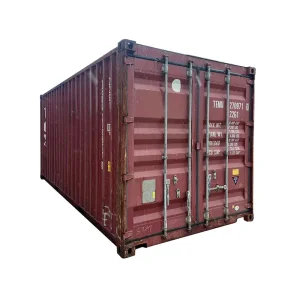
Buy 20ft Used Shipping or Storage Container Manufacturer, Products
View Spec & Quote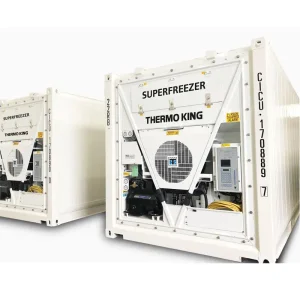
OEM New Deep Freezer Refrigerator Container For Sale Factory, Quotes
View Spec & Quote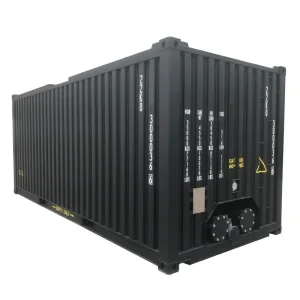
China 20 Feet Heated Shipping Asphalt Container Exporter, Manufacturers
View Spec & Quote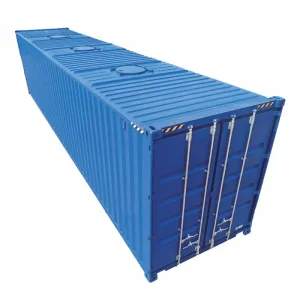
Buy 20 Feet Shipping Bulk Container Manufacturer, Exporters
View Spec & Quote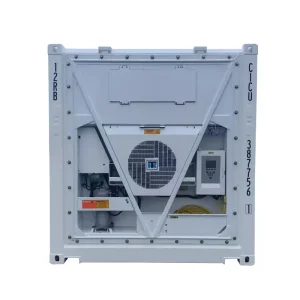
OEM 20ft Offshore Refrigerated Container DNV Certification Is More Durable Exporter, Exporters
View Spec & Quote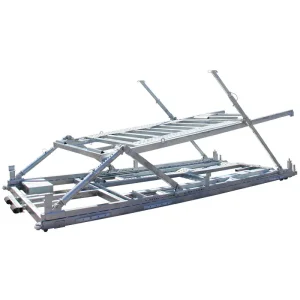
China vehicle transport rack Product, Exporters
View Spec & Quote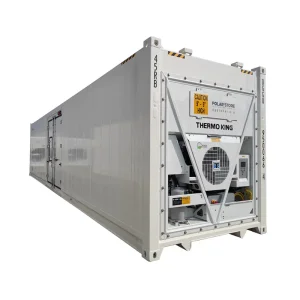
Famous 40ft High-Cube Side Open Door Reefer Container Manufacturer, Factories
View Spec & Quote