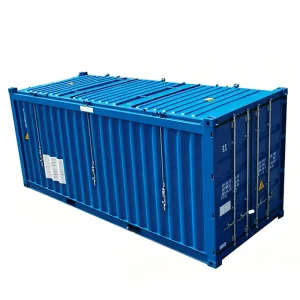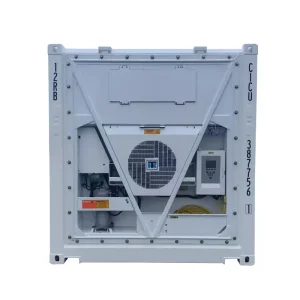
Primary Fleet Catalogue
Precision OEM Aperture & Container Solutions
Engineered with Corten SPA-H anti-corrosion structural steel, reinforced box headers, multi-lip EPDM weatherproof sealing, and verified CSC load containment.
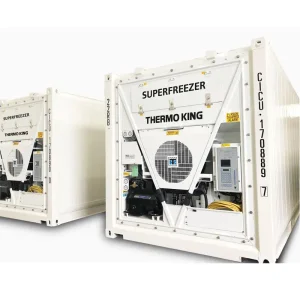
OEM New Deep Freezer Refrigerator Container High-Cube
View Technical Specs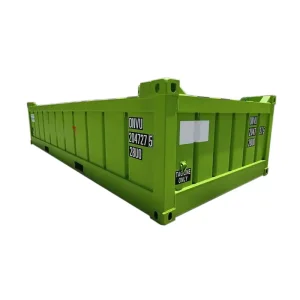
ODM New DNV Offshore Half-Height Open Top Heavy Container
View Technical Specs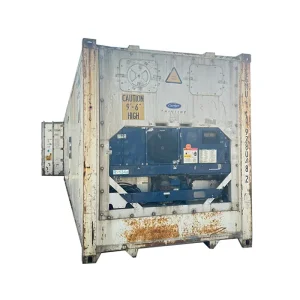
China Used 40ft High-Cube Certified Reefer Container
View Technical Specs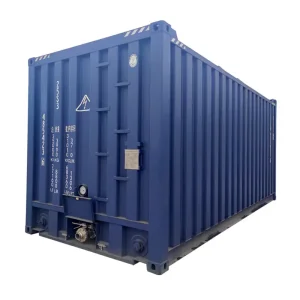
Buy New 20ft Square Liquid Container Factory Bulk Unit
View Technical Specs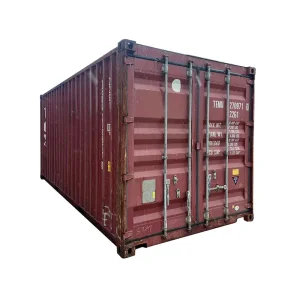
Buy 20ft Used Shipping or Storage Container Certified
View Technical Specs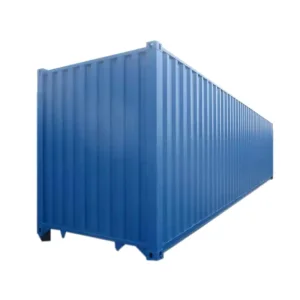
China 40ft High Cube Certified Dry Cargo Shipping Container
View Technical Specs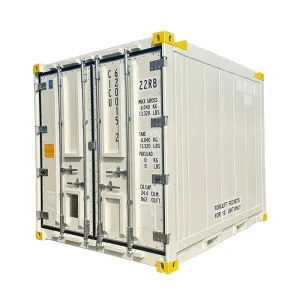
High-Quality New 10ft Certified Thermo King Freezer Container
View Technical Specs
Industry Technical Whitepaper
The Engineering Evolution of Container Openings & Custom Apertures
Analyzing structural dynamics, shear-flow redistribution, and weather-seal integrity across modern global logistics and modular engineering applications.
In modern intermodal freight transport and high-performance modular equipment, the engineering of container openings has shifted from elementary perimeter modifications to complex, Finite Element Analysis (FEA)-driven structural load management. Standard ISO 668 shipping containers derive their longitudinal stiffness and torsional resistance from corrugated Corten steel wall panels acting as continuous stressed membranes. When these continuous corrugated sidewalls, roof panels, or end walls are breached to accommodate full side-opening doors, roller-shutter apertures, open-top removable headers, or specialized equipment pass-through bulkheads, the structural shear path is fundamentally altered.
Original Equipment Manufacturers (OEMs) and exporters operating at the top tier of the logistics industry face the stringent mandate of preserving ISO 1496/1 structural racking, stacking, and floor load test criteria while delivering oversized access apertures. Without mathematically calibrated box-section lintels, reinforced bottom side rails, and high-tensile corner gussets, modified container openings are susceptible to extreme racking distortion when hoisted under 30,480 kg gross operating weight or stacked up to 9-tiers high on ultra-large container vessels (ULCVs).
Full Side-Opening Doors
Engineered with bi-fold and tri-fold bi-directional hinge mechanisms. Eliminates middle structural posts using heavy-gauge tubular lintels, facilitating crane and forklift access for out-of-gauge palletized military, aerospace, and bulky project cargo.
Open-Top Roof Apertures
Equipped with removable swing-away rear door headers and high-durability TIR PVC tarpaulins or rigid hard-top steel covers. Custom-machined roof bow retaining pockets guarantee zero longitudinal deflection during bulk mineral haulage.
High-Cycle Roll-Up Shutters
Incorporating insulated architectural or industrial-grade anodized aluminum roll-up panels. Designed specifically for urban delivery fleets, battery energy storage system (BESS) service bays, and dynamic on-site retail applications.
DNV 2.7-1 Offshore Open Baskets
Engineered for high dynamic impact loads in North Sea and tropical offshore conditions. Features self-draining slatted or mesh apertures, internal certified lashing points, and certified four-point pad-eye lifting lugs verified under -20°C charpy impact tests.
Reefer Thermal Apertures
Thermal-break frame architecture integrating dual-durometer Santoprene / EPDM hollow gasket seals. Thermal conductivity is isolated below 0.38 W/(m²·K), ensuring pristine containment of pharmaceutical cold chains and sub-zero perishables.
Procurement Intelligence
Enterprise Sourcing Demands & Structural Risk Mitigation
Deconstructing the critical failure points procurement teams face when sourcing customized container opening solutions across complex international corridors.
Structural Racking Failures
Improperly reinforced side cutouts can lead to corner post buckling under ISO end-wall shear tests. CIMIC mitigates this with heavy rectangular hollow section (RHS) perimeter collars and FEA-verified corner reinforcements.
Weather Sealing & Water Ingress
Cheap aftermarket cutout seals perish rapidly under marine salt-spray and UV exposure. Our OEM openings use co-extruded vulcanized corner joints and multi-chamber compression gaskets compliant with ISO 1496 weather-tightness requirements.
Regulatory CSC & DNV Invalidation
Modifying certified containers without factory-level recertification renders them illegal for ocean freight. Every opening engineered by CIMIC is covered under original Bureau Veritas (BV) or DNV design approvals and renewed CSC data plates.
Corrosion at Heat-Affected Zones
Thermal cutting and field welding compromise the galvanic protection of Corten steel. Our manufacturing bases utilize automated submerged arc welding, shot blasting to SA 2.5, and zinc-rich epoxy multi-coat paint systems.
Lead Time & Deep-Water Port Proximity
Inland haulage overheads frequently delay export schedules. Situated within 100 km of Tianjin and Suzhou major port terminals, CIMIC achieves seamless multimodal rail-to-wharf transfer, cutting export cycles by up to 35%.
1983
Manufacturing Heritage
100 KM
Proximity to Seaport
30,480 KG
Max Gross Tested Weight
100%
FEA Structural Approval
Mechanical Engineering Deep-Dive
Aperture Load-Bearing Architecture & FEA Stress Analysis
Comprehensive load transmission modeling across high-strength steel framing members, door hinge mechanisms, and anti-rack locking bar assemblies.
When an aperture is cut into a standard ISO container side panel, the primary challenge is compensating for the loss of the continuous diagonal tension field that resists transverse racking. At CIMIC, every opening is designed using finite element simulation to verify stress concentrations around cutout corners. We replace removed corrugated webs with high-yield strength structural tubing (Corten SPA-H with yield strengths ≥ 345 MPa), tied seamlessly into corner castings and bottom side sills.
| Opening Architecture | Primary Reinforcement Geometry | Sealing & Locking System | Testing & Compliance Standards | Optimal Industrial Cargo Application |
|---|---|---|---|---|
| Full Side-Opening (20ft / 40ft) | 200×100×6.0mm Structural Box RHS Header | Quadruple cam lock bars + EPDM double-lip | ISO 1496/1, CSC, BV Certified | Long steel pipes, industrial machinery, palleted freight |
| Removable Open-Top Roof | Swing-away rear header + reinforced roof bows | Heavy-duty TIR approved cordage & tarp | CSC TIR customs transit approval | Bulk ore, scrap metals, top-crane heavy loading |
| Roller-Shutter Multi-Bay | Integrated perimeter C-channel structural portal | Double-walled interlocking aluminum slats | EN 13241 industrial door standard | Urban logistics delivery, mobile workshops, generator bays |
| Offshore Half-Height Open Basket | Welded tubular crash frames + reinforced drainage | Four-leg wire rope slings with safety shackles | DNV 2.7-1 / EN 12079 / IMO MSC/Circ.860 | Drilling tools, subsea valves, offshore equipment |
| Reefer Insulated Side Hatch | Thermal break polyurethane composite frame | Hermetic Santoprene seal with heated sill trace | ATP international perishables agreement | Cold-chain storage hubs, vaccine logistics, meat/fruit |
Information Gain Insight: Unlike standard aftermarket modifications that weld flat plates over rough flame-cut edges, factory OEM openings utilize CNC fiber laser profiling, hydraulic press-brake forming, and automated pulse-MIG seam welding. This avoids localized micro-cracking and maintains baseline fatigue endurance for over 25 years of intermodal transit.
Global Regulatory Governance
Localized Support & International Compliance Assurance
Ensuring complete operational clearance across African, European, and American trade corridors with internationally recognized documentation.
Third-Party Classification (BV / DNV)
Every batch of modified or newly fabricated containers undergoes strict oversight by Bureau Veritas or DNV surveyors, covering material mill certificates, welder certifications (AWS D1.1 / ISO 9606), and non-destructive weld testing (NDT/UT).
CSC Approval Plate Endorsement
All OEM container openings maintain full valid Convention for Safe Containers (CSC) data plates. We conduct full prototype testing—including 2.0R gross weight lifting, transverse racking, floor strength testing, and wall deflection analysis.
Port-Centric Logistics Velocity
Located within the Tianjin Pilot Free Trade Zone and Suzhou industrial belt, our logistics corridors allow containers to transition from final quality inspection to seaport container yards (CY) within hours, minimizing demurrage risk for global freight forwarders.
Forward Engineering Roadmap
Technology Roadmap: Smart Apertures & Next-Gen Structural Openings
Anticipating logistics automation, sensor-integrated sealing perimeter systems, and lightweight high-strength alloys for 2026–2030.
IoT-Enabled Telematics Sealing
Integrating pressure-sensing optical fibers within the perimeter EPDM door gaskets. Provides real-time notifications of gasket wear, partial door opening, or security breaches via satellite link while containers are at sea.
Automated Electro-Hydraulic Openings
Developing push-button hydraulic side-wing and roof hatches for automated guided vehicle (AGV) loading in automated port terminals and smart warehousing hubs, cutting loading cycle times by 65%.
Eco-Composite Lightweight Panels
Replacing traditional heavy steel bi-fold panels with high-modulus carbon-reinforced basalt composite doors. Delivers equal torsional resistance at 45% less tare weight, directly increasing maximum payload capacity.
Expert Sourcing Guide
Frequently Asked Questions: Container Openings & Custom Builds
Technical guidance direct from CIMIC structural engineers to assist procurement heads, fleet operators, and logistics planners.
How does cutting side openings affect the structural stacking rating of a shipping container?
Removing standard corrugated side panels eliminates the critical diagonal shear web. Without compensating structure, a container cannot withstand standard 9-high ISO stacking loads (up to 86,400 kg per corner post). At CIMIC, we design and weld heavy structural rectangular hollow sections (RHS) around the entire perimeter of the opening, linking the corner castings and bottom rails. Finite Element Analysis (FEA) is performed to guarantee that transverse racking and superimposed load ratings meet or exceed original ISO 1496 requirements.
What steel grade is used in your custom opening frames to prevent marine corrosion?
We exclusively use atmospheric corrosion-resistant Corten steel (SPA-H or Q345B equivalent) across all structural perimeter framing, door jambs, lintels, and bottom sills. Corten forms a dense, self-protecting oxide patina under atmospheric exposure. All welds are grit-blasted to SA 2.5 cleanliness, coated with a zinc-rich epoxy primer (minimum 30 microns), followed by an epoxy intermediate coat and a polyurethane topcoat to ensure extreme longevity in maritime environments.
Can CIMIC provide certified CSC plates for newly fabricated open-side or roll-up door containers?
Yes. All custom opening containers engineered from the factory floor are designed in accordance with Bureau Veritas (BV) or classification society type-approval programs. Prototype testing includes stacking tests, transverse racking tests, floor strength tests, and rain/weather-tightness testing. Successful units receive an official CSC Safety Approval Plate, making them fully compliant for international rail, road, and ocean carrier operations.
What sealing mechanism is employed to maintain weather-tightness on full-side opening doors?
Full-side opening units require specialized sealing due to door flexure over 20-foot or 40-foot spans. We install dual-lip, co-extruded EPDM marine gaskets vulcanized at the corner joints to prevent micro-gaps. The system is coupled with multi-point anti-rack locking bars that compress the seal evenly along the top lintel and bottom sill, exceeding the standard ISO water-hose spray test (2 bar pressure nozzle at 1.5 meters distance).
What is the lead time and MOQ for custom OEM container openings?
Our engineering team completes structural CAD/FEA drawings within 3 to 5 business days following client briefing. Depending on customization depth (manual side doors, automated roll-up shutters, or thermal insulation modifications), standard manufacturing turnaround ranges from 15 to 30 days. Our minimum order quantity (MOQ) is flexible: we support pilot single-unit custom projects as well as multi-hundred fleet orders for shipping liners and leasing firms.
Specialized Heavy-Duty Range
Specialized Openings, Offshore & Modular Equipment
Explore our heavy-duty offshore baskets, side-open reefers, solar cold stores, and modular architectural container units.
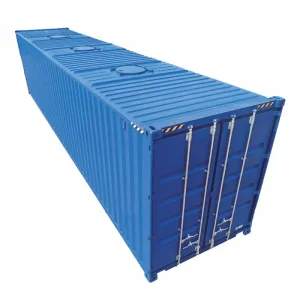
Buy 20 Feet Shipping Bulk Container Top Discharge Hatch
View Technical Specs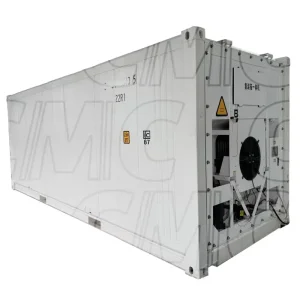
ODM The Smart Chain Cold Storage Solar Reefer Container
View Technical Specs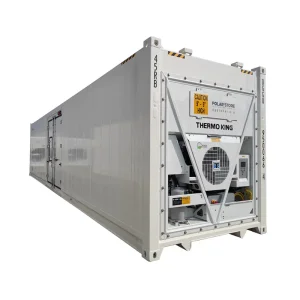
Famous 40ft High-Cube Side Open Door Reefer Container
View Technical Specs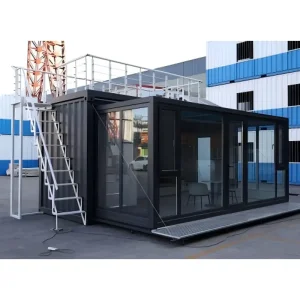
Famous 20ft Foldable Prefab Modular Mobile Container House
View Technical Specs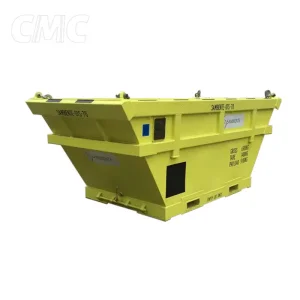
Famous DNV Certification Silt Basket Offshore Container
View Technical Specs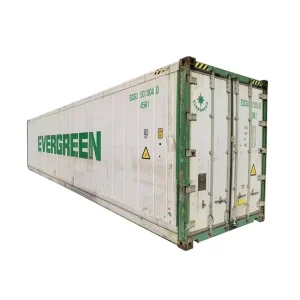
Buy Used 40ft HC Shipping Reefer Container Port Stock
View Technical Specs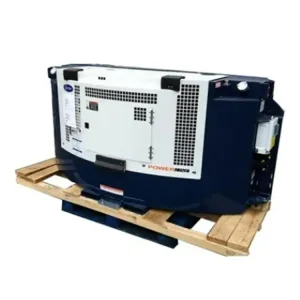
China Refrigerated Container Clip-On Diesel Generator
View Technical Specs