
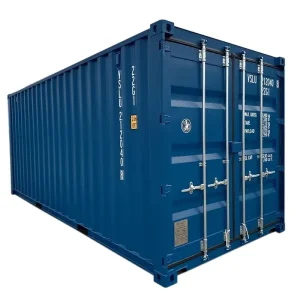
ISO 1496-1 Standard
Explore our certified range of precision-manufactured intermodal containers, cold chain reefers, and prefabricated volumetric modular modules ready for rapid global mobilization.
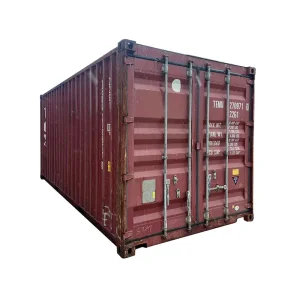
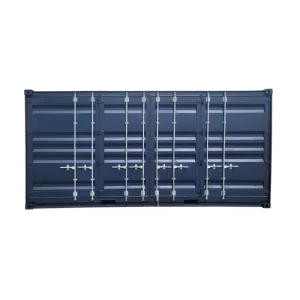
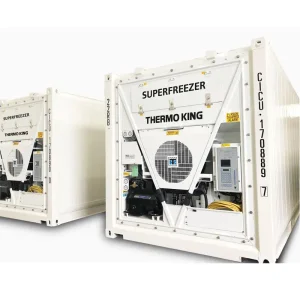
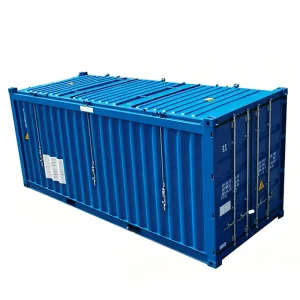
Traditional volumetric construction faces compounded bottlenecks: skyrocketing on-site labor rates, stringent carbon accounting mandates, and accelerated structural degradation of conventional steel in aggressive coastal and humid microclimates.
Structural aluminum alloys naturally synthesize an impervious microscopic oxide passivating layer (Al₂O₃). Unlike carbon steel which requires repetitive high-VOC blast-and-paint recoating cycles, our engineered modular frames provide non-degrading integrity in marine spray zones (ISO 9223 C5-M extreme marine corrosivity categories).
Aluminum boasts a strength-to-weight ratio three times superior to structural structural mild steel. An average 40ft modular living pod constructed in 6082-T6 weighs merely 40-50% of an equivalent hot-rolled steel pod. This drastic mass reduction cuts transoceanic flat-rack freight surcharges and allows low-impact installation via compact mobile cranes.
Aluminum is 100% infinitely recyclable without material property loss. At end-of-lifecycle decommissioning, up to 95% of initial embodied energy is recaptured. Institutional hotel chains, B2B glamping operators, and government tenders leverage our prefab houses to achieve immediate LEED Platinum, BREEAM Outstanding, and strict EU Green Taxonomy alignment.
CIMIC engineers bridge intermodal heavy logistics resilience with high-end architectural envelope mechanics. Every OEM aluminum modular house is treated as an integrated aero-structural system.
Our modules integrate custom multi-chamber extruded profiles engineered from 6082-T6 (Silicon-Manganese-Aluminum) for primary load-bearing corner columns and perimeter floor joists, exhibiting tensile strengths exceeding 310 MPa and yield strengths over 260 MPa. Secondary glazing sub-frames leverage 6063-T6 with anodized architectural surface coatings (25-micron thickness, Qualicoat Class 2 certified), ensuring deflection-free stability under ultimate limit state (ULS) wind suction loads up to 4.5 kPa.
Aluminum has a high natural thermal conductivity (approx. 205 W/mK), which historically challenged modular designs. CIMIC solves this via patented continuous structural polyamide (PA66 GF25) thermal breaks and cross-linked EPDM thermal isolation gaskets. This structural decoupling physically interrupts the heat path between exterior cladding profiles and the conditioned interior living zone, completely preventing winter condensation, mold formation, and radiant summer heat gains.
Every customer CAD schematic is ingested into our digital twin fabrication platform (Tekla/Revit API). Downstream CNC 5-axis profile machining stations automatically execute compound mitering, conduit milling, bolt-slot boring, and interlocking dowel preparation with tolerances within ±0.3 mm. This automated workflow eliminates manual fitting discrepancies, enabling hyper-streamlined on-site bolt-and-click volumetric lockups.
Our forward R&D is standardizing plug-and-play building operating systems (BOS). Upcoming modular batches incorporate factory-embedded micro-inverter wiring conduits, thermal energy storage (PCM) plasterboards, graphene underfloor infrared heating elements, and active air-to-water heat pump recovery modules designed for net-positive off-grid island electrification.
Sourcing prefab architecture globally involves navigating lead time uncertainties, raw material volatility, and erratic QA standards. Here is how CIMIC leverages 40+ years of industrial clustering to de-risk high-volume contracts.
| Evaluation Parameter | Traditional On-Site Construction | Standard Steel Container Modular | CIMIC OEM Aluminum Modular System |
|---|---|---|---|
| Structural Mass (Tare Weight) | Baseline Heavy (100%) | Heavy (~65-75% of traditional) | Ultra-Lightweight (~30-40% of traditional) |
| Corrosive Atmosphere Life (C4/C5) | Subject to rebar spalling & efflorescence | Requires re-painting every 3-5 years | Zero structural rusting; 50+ year maintenance-free |
| Factory Assembly Tolerance | ±10 mm to ±25 mm (Variable site labor) | ±3 mm to ±5 mm (Welding distortion) | ±0.3 mm (5-Axis CNC & Robotic Interlock) |
| Thermal Decoupling Quality | Highly reliant on site installation care | High thermal bridging through steel posts | Factory-integrated continuous PA66 GF25 breaks |
| End-of-Life Residual Value | Negative (Demolition & landfill dumping fees) | Moderate (Scrap steel melt value) | High (Premium 6000-series aluminum recycling value) |
| Logistics & Port Dispatch | Fragmented raw material shipping | Intermodal sea freight ready | Intermodal ISO twist-lock compatible; quick port haulage |
Located in China’s prime metallurgical industrial belts, CIMIC commands direct agreements with premier billet smelters and die extrusion facilities. We absorb primary ingot fluctuations through strategic spot-hedging, guaranteeing fixed-price contract security for multi-phase hospitality and residential rollout contracts.
Operating from Tianjin (Northern industrial cluster) and Suzhou (Yangtze River Delta tech zone), our manufacturing yards sit less than 100 kilometers from world-class deepwater container terminals. This proximity slashes domestic drayage expenses and eliminates inland logistics bottlenecks during tight vessel cut-off windows.
CIMIC employs advanced robotic solid-state friction stir welding (FSW) alongside pulsed MIG technologies. Unlike conventional arc welding which introduces localized recrystallization and embrittlement, FSW produces smooth, porosity-free seams with 90%+ joint efficiency and negligible heat-affected zones (HAZ).
Standardized factory production must harmonize with intensely diverse micro-climates, soil bearing capacities, and local zoning laws across five continents.
Deployed across the Maldives, Mediterranean archipelagos, and Caribbean shorelines. The aluminum frame withstands persistent airborne salt spray, high humidity, and intense UV degradation. Modules sit on lightweight helical screw piles, preserving fragile coral landscapes and avoiding heavy concrete casting.
Certified to withstand sustained winds up to 250 km/h (AS/NZS 1170.2 Region D and Florida Building Code High-Velocity Hurricane Zones). Integrated impact-resistant laminated double glazing (PVB/SentryGlas interlayers) prevents envelope breach during severe atmospheric weather events.
Configured with vacuum insulated panels (VIP) and high-density polyisocyanurate (PIR) cores delivering envelope performance down to -40°C in Scandinavia, Northern Canada, and the Andes. Dual-seal silicone compression gaskets prevent draft penetration under howling blizzards.
In dense metropolitan zones such as London, Sydney, and Tokyo, existing historic structures cannot tolerate significant supplementary dead loads. CIMIC lightweight aluminum modules can be lifted by compact city cranes onto existing reinforced concrete rooftops without requiring foundation retrofitting.
Procuring from an overseas factory requires uncompromising adherence to your domestic building regulations, electrical standards, and structural fire separation mandates.
Engineered in strict compliance with Eurocode 9 (EN 1999): Design of Aluminium Structures, the American Aluminum Design Manual (ADM 2020), and AS/NZS 1664. Finite Element Analysis (FEA) calculation packages are provided with localized Professional Engineer (PE) or Chartered Engineer endorsements for building permits.
Internal linings and insulation cores comply with ASTM E84 (Class A Flame Spread Index < 25), EN 13501-1 (A2-s1, d0 non-combustible classification), and AS 1530.1. Wall panelling assemblies provide certified 60-to-120 minute fire-resistance ratings (FRL), guaranteeing compliance for multi-family residential zoning.
Mechanical, Electrical, and Plumbing (MEP) systems are pre-installed and pressure/continuity tested at our Tianjin and Suzhou factories. We deliver project-specific configurations compliant with NEC / UL (North America), AS/NZS 3000 (Australasia), and IEC / CE / BS 7671 (Europe & UK), featuring pre-wired consumer units and rapid click-connect harness terminations.
Detailed technical answers addressing structural mechanics, foundation requirements, galvanic isolation, thermal bridging, and freight logistics for engineering contractors.
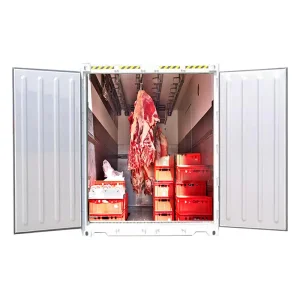
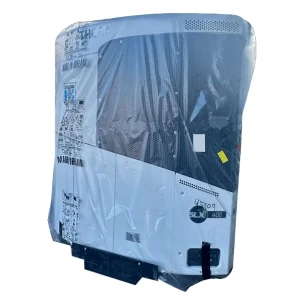
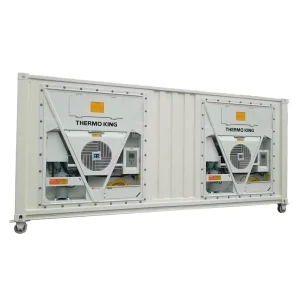
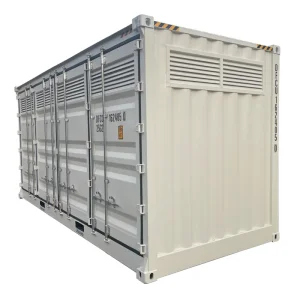
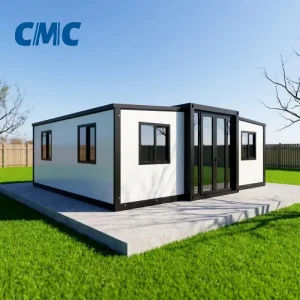
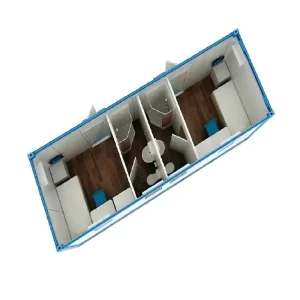
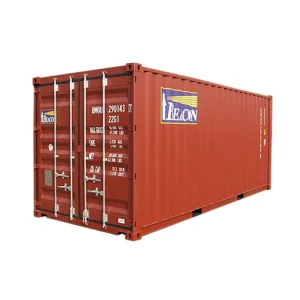
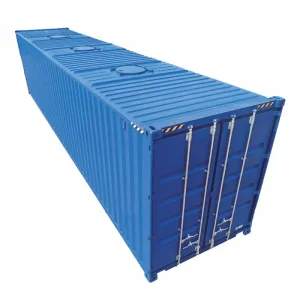
Review additional heavy-duty specialized units manufactured in our Tianjin and Suzhou facilities, integrating blast refrigeration, hazardous material containment, and expandable modular living quarters.
Connect directly with our structural engineering department in Tianjin. Send us your architectural sketches, BIM Revit models, site geographic parameters, and target thermal performance specs for a comprehensive DFM (Design for Manufacturing) review and line-item quotation.