
High-Spec Cargo Solutions for Kuwait Corridors
Built with Corten-A steel, reinforced high-efficiency refrigeration assemblies, and multi-climate environmental seals.
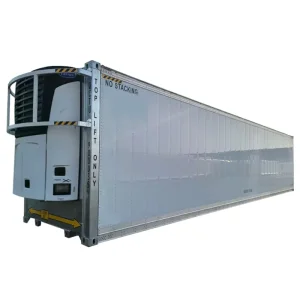
- Dual-Power Electric/Diesel Genset
- Deep Chilling Down to -30°C
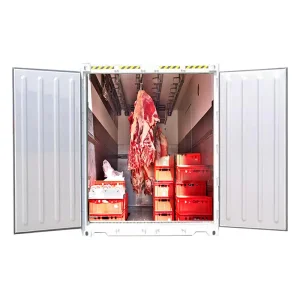
- Stainless Steel Multi-Hook Rail Track
- Anti-Bacterial Food Contact Lining
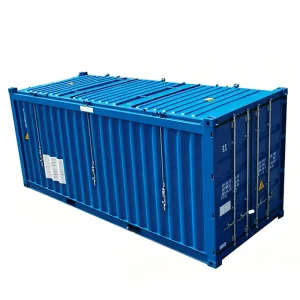
- Detachable Rigid Steel Roof Panel
- Heavy Equipment Crane Overhead Load
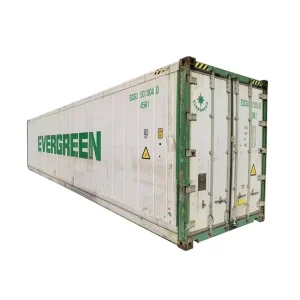
- PTI Tested & Structural PTI Passed
- Cost-Effective On-Site Static Cold Room
Kuwait's Logistics Revolution: Navigating Extreme Climate & Vision 2035
The State of Kuwait represents one of the Middle East's most demanding logistics and containerized equipment environments. Situated in the northwest corner of the Arabian Gulf, Kuwait is accelerating massive structural investments under the umbrella of Kuwait Vision 2035 ("New Kuwait"). Central to this macroeconomic pivot is the expansion of maritime gateways including the commercial heartbeat of Shuwaikh Port, the heavy industrial and petrochemical zone of Shuaiba Port, and the multi-billion-dollar megaproject on Boubyan Island: Mubarak Al-Kabeer Port. These modern trade terminals are positioning Kuwait as a premier transit and multimodal hub linking the Northern Gulf, Iraq, and Central Asian rail corridors.
However, industrial logistics within Kuwait must conquer an uncompromising geographic reality. Summer ambient temperatures routinely exceed +52°C to +55°C (125°F to 131°F), coupled with extreme relative humidity along the coast and abrasive airborne particulate matters from localized dust storms (Shamal). Standard commercial containerization fails prematurely under these extreme conditions. Industrial operators and institutional supply chains require custom-engineered equipment featuring reinforced thermal insulation, high-ambient condenser coils, severe-corrosion-resistant Corten steel metallurgy, and sand-sealed electrical subsystems.
Petrochemical & Upstream Resilience
For operations under the Kuwait Oil Company (KOC) and Kuwait National Petroleum Company (KNPC), containers act as critical mud-logging units, instrument cabins, and catalyst handling modules. Every offshore and refinery unit adheres to stringent hazardous environment requirements and ISO 1496/DNV standard configurations.
National Food Security Cold Chain
Kuwait imports over 90% of its food requirements. Protecting sensitive perishable perishables, Halal poultry, and meat products moving across Shuwaikh terminal requires unbroken cold chains using Carrier Transicold, Thermo King, and Daikin machinery calibrated with cyclopentane high-density polyurethane wall insulation.
Rapid Desert Modular Infrastructure
Urban extensions such as South Al-Mutlaa and Silk City necessitate plug-and-play modular infrastructure. Heavy-duty 20ft and 40ft modified containers provide transportable command centers, site staff housing, generator enclosure stations, and water filtration enclosures that resist thermal deformation and sand infiltration.
Chinese Manufacturing Precision Meets Kuwaiti Demand
As the international logistics ecosystem demands tighter dimensional tolerances, improved lifecycle performance, and verifiable carbon abatement, the historical supply chain between Chinese advanced manufacturing clusters (such as Tianjin and Suzhou) and Kuwaiti industrial buyers has matured into a seamless technological partnership. The deployment of China Industry 4.0 production standards guarantees that every container arriving at Shuwaikh or Shuaiba Port delivers absolute consistency, structural integrity, and regulatory readiness.
Modern container fabrication is no longer simply about welding sheet metal. At our smart manufacturing bases, computer-controlled fiber laser blanking lines slice structural components with sub-millimeter precision. High-frequency robotic submerged-arc welding systems execute continuous, defect-free structural joints on all corner castings, side sills, and longitudinal headers. This automated approach eliminates human welding inconsistencies, preventing the micro-fissures that otherwise accelerate saltwater corrosion in the Arabian Gulf.
| Manufacturing Stage | Advanced Industry 4.0 Technology | Specific Kuwait Operational Benefit | Verification Standard |
|---|---|---|---|
| Metallurgy & Forming | Automated roll-forming of high-yield Corten-A anti-corrosion structural steel. | Resists aggressive marine salt-fog in Arabian Gulf coastal ports without structural oxidation. | ISO 1496-1 / BV Certified |
| Thermal Core Insulation | High-pressure automated injection of 100% CFC-free Cyclopentane polyurethane foam. | Eliminates internal thermal bridges, sustaining -30°C interior chilling even under +55°C direct sun. | ATP European Class FRC / TIR |
| Coating System | Automated multi-stage shot blasting (Sa 2.5) followed by zinc-rich epoxy + polyurethane topcoats. | Shields paint layers from scouring desert sandstorms and extreme ultraviolet photodegradation. | ISO 12944 C5-M Extreme Marine |
| Cooling Integration | Robotic installation and automated pre-trip inspection (PTI) of Carrier / Thermo King / Daikin units. | Assures operational stability and minimized wattage draws for diesel generators during desert haulage. | Factory PTI Digital Certificate |
Enterprise Sourcing Matrix: Total Cost of Ownership (TCO) in Kuwait
Experienced procurement officers across the GCC recognize that the initial purchase price of a container represents merely 25% to 35% of its 15-year lifecycle cost. When operating in Kuwait's high-temperature, sand-heavy operational field, failure-prone units lead to devastating cold-chain spoilage, costly cargo damage claims, and high energy drawdowns. Sourcing teams prioritize equipment backed by demonstrable technical parameters.
A rigorous TCO evaluation focuses on four fundamental engineering metrics: Thermal Efficiency (K-value), Tare Weight Optimization, Maintenance Simplicity, and Multi-Modal Compliance. Containers with low thermal leakage drastically shorten compressor run-times, slashing diesel usage by up to 28% during highway transit across the Abdali or Salmi desert corridors.
Fuel & Energy Preservation
Optimized composite vacuum insulation panels (VIP) paired with high-efficiency scroll compressors reduce operational load, conserving thousands of liters of fuel annually per active mobile refrigeration fleet.
Structural Fatigue Mitigation
Reinforced floor transverse cross-members made of high-tensile steel withstand dynamic forklift wheel loads up to 7,260 kg (16,000 lbs), exceeding ISO minimum standards to prevent floor warping during rapid offloading.
Universal Replacement Access
Equipped with globally standardized Carrier, Daikin, and Thermo King parts, ensuring that local certified technicians in Kuwait's Shuwaikh Industrial Area can source components without experiencing supply bottlenecks.
Tailored Application Scenarios Across Kuwait's Industrial Sectors
Kuwait's economic topography spans deep-sea maritime channels, dense urban retail clusters, oil exploration concession blocks, and expansive northern border logistics posts. Containerized solutions delivered by our direct manufacturing plants are engineered for specialized scenarios:
1. Offshore Support in the Arabian Gulf
Operating between Ras Al-Zour, Shuaiba offshore supply docks, and dynamic oil extraction rigs demands DNV 2.7-1 / EN 12079 certified half-height and open-top containers. Fitted with certified lifting slings, pad eyes, and heavy-duty tie-down lashing rings, these containers safely convey drill bits, mud chemicals, and high-pressure valves amid rough swells and aggressive marine currents.
2. Urban Hubs & Shuwaikh Buffer Warehousing
With real-estate lease costs escalating in Kuwait City and Al-Rai, retailers and logistics operators deploy modified 40ft High Cube containers equipped with side-opening doors and roller-shutter accesses. These systems function as modular, secure, weather-sealed warehousing blocks positioned directly on commercial yards without the need for lengthy permanent construction permits.
3. Northern Cross-Border & Desert Freight
Heavy road transit heading north to the Abdali border crossing demands trailer-mounted power-generation units and intermodal containers. By integrating dedicated diesel gensets (clip-on or underslung), long-haul chilled goods sustain strict temperatures even while standing idle during prolonged customs inspections under direct desert heat.
Frequently Asked Questions for Kuwait Container Sourcing
Clear, engineering-backed answers addressing the operational demands of GCC port authorities, contractors, and importers.
Specialized & Heavy Duty Fleet Portfolio for Kuwait Importers
Explore our extended series of specialized offshore, side-access, bulk handling, and intermodal transport containers engineered for GCC operations.
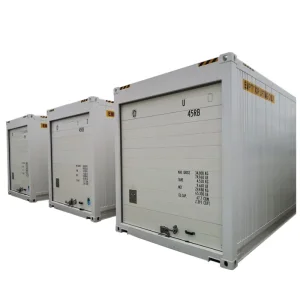
- Insulated Overhead Roll-Up Shutter
- Rapid Pallet Loading for Distribution
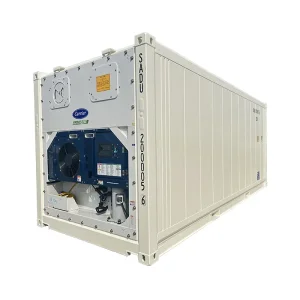
- Factory New Carrier Machinery
- Heavy T-Floor Cold Air Circulation
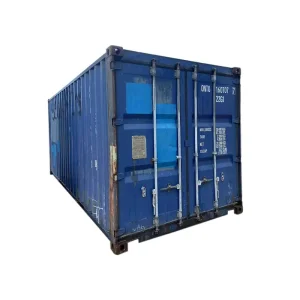
- High Payload 30,480 kg Rating
- Cargo Worthy (CW) / IICL Verified
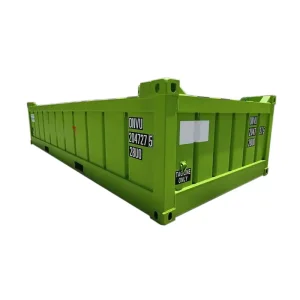
- DNV Certified Lifting Slings & Shackles
- Pipe, Valve & Heavy Mineral Transport
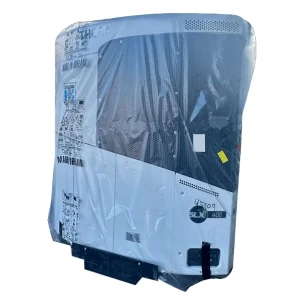
- Desert Over-the-Road Autonomy
- Smart Telematics & Remote Monitoring
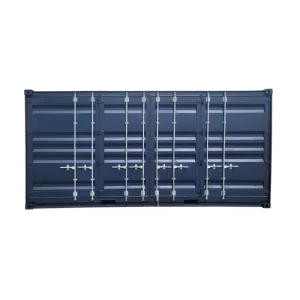
- Complete 180° Bi-Fold Side Access
- Rapid Loading for Oversized Crates
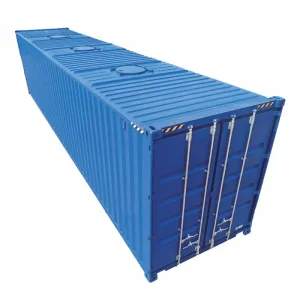
- Top Roof Loading Manholes
- Gravity & Pneumatic Bottom Hatch
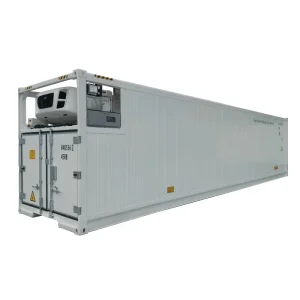
- 45ft High-Capacity Pallet Wide Profile
- Dual-Mode Road & Rail Lashing Locks