
Featured Offshore & Specialty Logistics Systems
Engineered for dynamic lifting conditions, sub-zero alpine-to-ocean transition environments, and harsh deep-water operational envelopes.
-
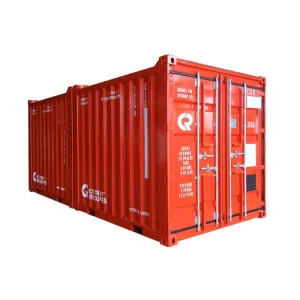 Swiss Specification DNV Certification Offshore Dry Cargo ContainerBuy New DNV Certification Offshore Dry Cargo Container Factory, Product
-
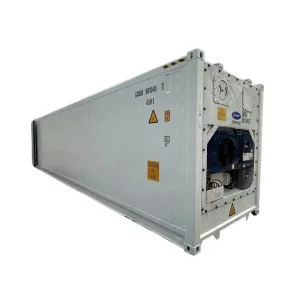 Swiss-Spec Insulated 40ft HC Carrier Refrigerated Container UnitBuy Ninety Percent New Used 40ft HC Carrier Refrigerated Container Product, Quotes
-
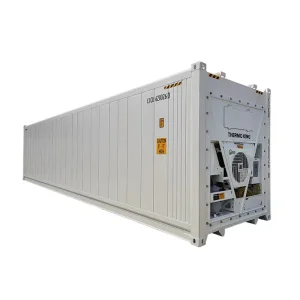 OEM Marine Certified 40ft High-Cube Reefer Cargo ContainerOEM New 40ft High-Cube Certified Reefer Shipping Cargo Container Pricelist, Product
-
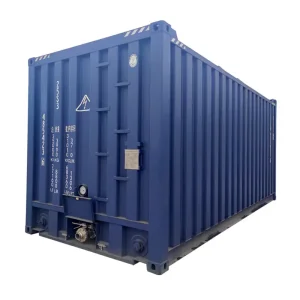 Swiss Heavy Chemical Grade 20ft Square Liquid Modular TankBuy New 20ft Square Liquid Container Factory, Product
Offshore Marine Container Manufacturing: The Swiss Industrial Nexus
An authoritative evaluation of maritime capital asset procurement, global commodity logistics, and precision-engineered container fabrication.
Although Switzerland is traditionally recognized as a landlocked alpine nation, it holds an extraordinary, outsized role within the international maritime logistics ecosystem and subsea energy supply networks. Headquartered across commercial epicenters such as Geneva, Zug, Lugano, and Zurich, Swiss trade desks control over 20% of global marine-shipped commodities, including crude hydrocarbons, refined petrochemicals, non-ferrous ores, and agricultural volumes. In parallel, Swiss multi-industrial engineering conglomerates engineer mission-critical automation systems, offshore wind electrical substations, hydraulic actuation gear, and precision geotechnical subsea sensors destined for harsh open-ocean marine environments.
Consequently, the sourcing requirements for Offshore Shipping Containers (OSCs) within the Swiss corporate and industrial perimeter have evolved beyond off-the-shelf logistics modules. Swiss EPCs (Engineering, Procurement, and Construction contractors), marine equipment manufacturers, and asset finance entities demand custom Original Design Manufacturer (ODM) partnerships capable of delivering heavy-duty frames conforming unequivocally to DNV 2.7-1 (Standard for Certification - Offshore Containers), EN 12079, and the unified ISO 10855 standard series. Sourcing directly from high-tier fabrication plants engineered with full traceability delivers the structural reliability, metallurgical integrity, and lifecycle assurance demanded by Swiss quality standards.
Operating an offshore container involves severe cyclic stress loading, salt-fog electrochemical attack, crane impact acceleration at sea states exceeding Beaufort Scale 6, and dynamic swinging motions while loading onto Offshore Supply Vessels (OSVs). Standard ISO cargo containers—designed solely for static cellular ship holds and smooth intermodal rail transshipment—risk catastrophic structural failure under these multi-axial lifting tensions. Swiss asset managers require purpose-built marine units with gusset-reinforced padeyes, structural hollow section (SHS) frames fabricated from high-strength micro-alloyed structural steels, and fully non-destructive examined (NDE/NDT) fillet welds.
Macro-Industry Turnkey ODM Offshore Engineering Solutions
From digital twin mechanical stress validation to metallurgical fabrication: how our manufacturing matrix matches Swiss operational mandates.
Sub-Zero Alpine & Arctic Metallurgy
Offshore containers intended for North Sea, Barents, or high-altitude alpine intermodal transfer are engineered for Design Temperature (T_D) down to -20°C or -40°C. We utilize normalized fine-grain structural steels (e.g., S355NL, S355ML) tested with strict Charpy V-notch impact energy absorption (≥27J at test temp), preventing brittle shear fracture during cold-weather crane drops.
ODM Modular Architecture & CAD Integration
We work directly alongside Swiss mechanical engineering teams from initial STEP/IGES modeling through finite element analysis (FEA). Custom configurations include roll-up machinery doors, integrated internal crane monorails, acoustic dampening panels, fire-rated A60/H120 thermal bulkheads, and explosion-proof ATEX Zone 1/Zone 2 electrical pre-fits.
ISO 12944 C5-M Extreme Marine Anti-Corrosion
Surface longevity is critical to avoiding high offshore maintenance downtime. Our automated shot blasting attains Sa 2.5 profile standards, followed by a multi-tier epoxy zinc-rich primer, high-build intermediate epoxy barrier, and aliphatic polyurethane topcoat delivering >320 µm dry film thickness (DFT), tested for 1,440+ hours salt-spray resistance.
Localized Deployment Scenarios: Connecting Switzerland to Marine Fields
Examining specific commercial, engineering, and subsea workflows driven by Swiss industry leaders.
1. Subsea Precision Robotics & Hydrographic Survey Skids
Specialized Swiss precision robotics manufacturers located in the Lake Geneva and Neuchâtel innovation clusters build autonomous underwater vehicles (AUVs) and robotic manipulators. Our custom DNV 2.7-1 workshop containers serve as mobile cleanroom labs, complete with shock-mounted sub-flooring, climate-controlled reefer capabilities, and certified top padeye sling assemblies for rapid shipboard mobilization.
2. Basel Rhine Port to North Sea Offshore Transfer Corridors
Switzerland’s direct water access via the Port of Switzerland (Schweizerische Rheinhäfen in Basel-Kleinhüningen, Birsfelden, and Muttenz) enables barge transport along the Rhine corridor straight into Rotterdam and Antwerp. Containers engineered to dual ISO and DNV standards transition seamlessly from inland river barges to North Sea crane handling vessels without de-stuffing.
3. High-Purity Chemical & Cryogenic Gas Logistics (Basel / Valais)
Pharmaceutical and specialty chemical developers headquartered in Basel and Visp export sensitive active pharmaceutical ingredients (APIs), catalysts, and liquified gases. Our 10ft and 20ft DNV certified offshore tank containers, outfitted with T11 to T50 stainless steel vessels (UN Portable Tank / ASME VIII), guarantee zero product contamination and compliance with ADR, IMDG, and dynamic marine codes.
4. Offshore Wind Transformer Power Enclosures
Swiss electrical engineering giants supply power conversion switchgear for European offshore wind farms in the Baltic, North Sea, and Celtic Sea. We provide bespoke ODM structural steel container housings engineered to withstand 30-year fatigue lifespans, fitted with customized louvers, fire dampers, and cable transit seals rated for offshore transformer environments.
Technological Roadmap: AI-IoT Telemetry & Green Decarbonization
Anticipating maritime regulations through smart structural sensor networks and circular lifecycle metallurgy.
Smart Telemetry & Real-Time Stress Tracking
Modern offshore fleets increasingly incorporate battery-powered ATEX-certified edge IoT sensors. Our ODM designs integrate recessed conduits for accelerometer shock sensors, thermal probes, and satellite tracking antennas. Real-time data streams alert operators to crane over-impact (g-force spike) events before metal fatigue propagates microcracks.
Finite Element Dynamics & Structural Optimization
By conducting non-linear dynamic FEA simulations for 2.5g vertical lifting, 30° inclined drop tests, and corner racking loads, our engineers eliminate structural deadweight without compromising factor-of-safety margins. This maximizes cargo payload for deepwater drilling operations and reduces fuel consumption during transport.
Circular Carbon Compliance & Recycled Steel Feedstock
In accordance with evolving Swiss and European Corporate Sustainability Due Diligence Directives (CSDDD), our production facilities integrate low-carbon electric arc furnace (EAF) structural steel with traceable scrap ratios, backed by complete Mill Test Certificates (EN 10204 3.1 / 3.2 inspection documentation).
Rigorous Quality Assurance & Certification Protocol
Every container batch undergoes comprehensive qualification witness inspections by international classification societies.
Procuring offshore assets requires total transparency throughout the manufacturing value chain. CIMIC Group’s manufacturing infrastructure operates under stringent ISO 9001, ISO 14001, and ISO 45001 management frameworks, augmented by independent survey surveillance from Bureau Veritas (BV), DNV, and Lloyd’s Register (LR).
Mandatory Inspection Procedures Include:
- Material Traceability: Continuous heat-number transfer and full 3.1/3.2 mill certification for every structural hollow section, gusset, and lifting padeye.
- Welder Qualifications: Welding procedures approved to AWS D1.1, EN ISO 15614-1, and welders certified under EN ISO 9606-1.
- Non-Destructive Testing (NDT): 100% Visual Inspection (VT), 100% Magnetic Particle Inspection (MPI) or Dye Penetrant Inspection (DPI) on padeye welds, and Ultrasonic Testing (UT) on key structural junctions.
- Physical Prototype Testing: 2-Point and 4-Point dynamic lift test at 2.5 × Max Gross Weight (MGW), vertical impact drop test, and internal tie-down point proof loading.
Frequently Asked Questions for Industrial Buyers
Clear technical insights for Swiss supply chain directors and maritime procurement teams.
Specialized Offshore, Tank & Intermodal Cargo Inventory
Browse our extended product lineup engineered for industrial chemical transit, bulk ore, side-access storage, and heavy-duty logistics.
-
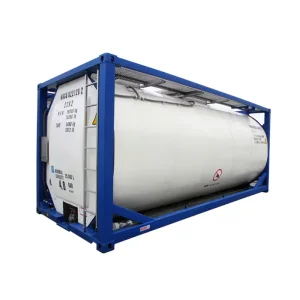 Swiss Chemical Transport ISO Standard 20ft Versatile Tank ContainerBuy ISO Standard 20ft Versatile Tank Container for Transport Chemicals Exporter, Product
-
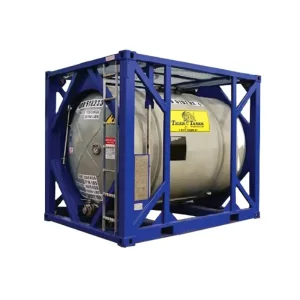 DNV Certified 10ft Offshore Chemical & Acid Tank ContainerBuy New DNV Certification 10ft Offshore Tank Container Factory, Products
-
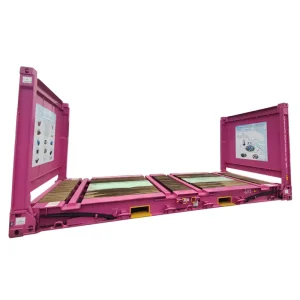 Swiss Heavy Machinery ODM 20ft Platform Frame Flat RackODM New 20ft Platform Frame Container Pricelist, Exporters
-
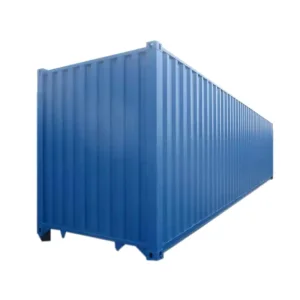 High-Cube 40ft Corten Steel Certified Dry Cargo Freight ContainerChina 40ft High Cube Certified Dry Cargo Shipping Container contaoner Factory, Product
-
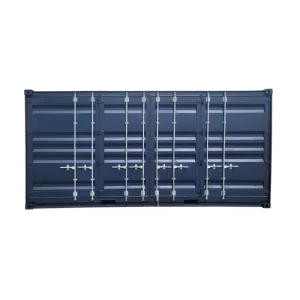 Full-Side Opening 20ft Customized Cargo Container for Forklift AccessHigh-Quality New 20ft Customized Side Door Dry Cargo Shipping Container Factory, Product
-
 Swiss Mineral Trade Half-Height Heavy Ore Offshore CarrierBuy New Half Height Ore Carrier Container Offshore Container Manufacturers, Quotes
-
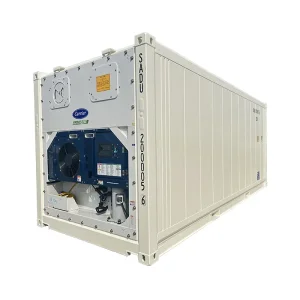 High-Cube 40ft Carrier Deep-Freeze Cold Storage Offshore ModuleHigh-Quality New 40ft High Cube Carrier Refrigerator Freezer Cold Room Product, Exporters
-
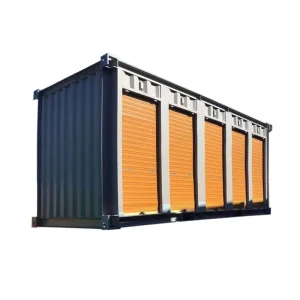 Industrial Rapid-Cycle 20ft Storage Unit with Roller Shutter DoorsOEM New 20ft Storage Roll-Up Door Dry Cargo Container Pricelist, Product
Need Custom Specifications or DNV Engineering Support?
Our engineering team is prepared to review your structural load designs, environmental exposure requirements, and custom offshore build parameters.
Send Inquiry Now