Modular Cold Office
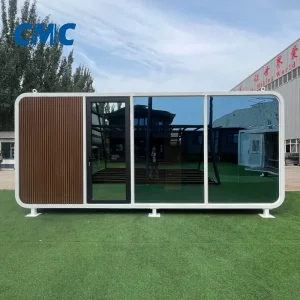
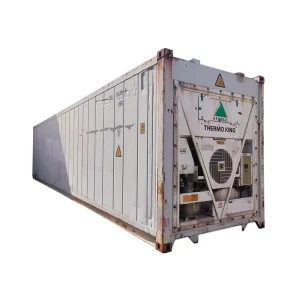
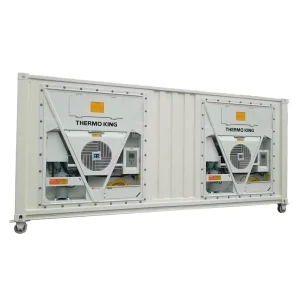
Specialized reefer, modular, offshore, and soft-top units engineered for Northern California marine terminals, ag-tech packhouses, and coastal projects.
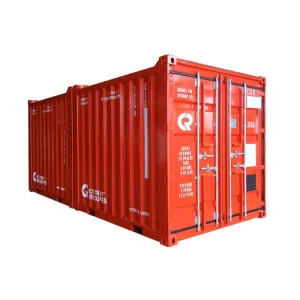
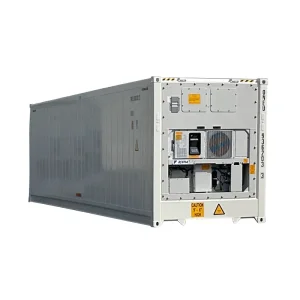
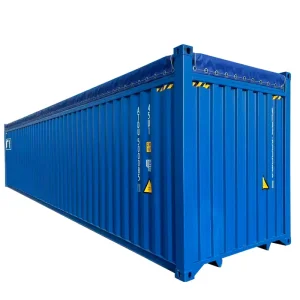
Analyzing transpacific agricultural corridors, biopharmaceutical cold integrity, and port decarbonization mandates across the Bay Area trade ecosystem.
The San Francisco Bay Area constitutes one of the most critical multimodal gateways on the United States Pacific Rim. Anchored by the container maritime infrastructure of the Port of Oakland and interlinked with rail spurs connecting the Central Valley and Salinas Valley ("The Salad Bowl of the World"), Northern California serves as the primary conduit for transpacific export of high-value perishables.
For temperature-controlled trade, San Francisco represents a multifaceted commercial ecosystem. To the north, the world-renowned Napa and Sonoma wine regions mandate vibration-dampened, stable thermal environments (+12°C to +15°C) to prevent thermal degradation during transit to Asian and European luxury markets. To the southeast, the agricultural powerhouse of the San Joaquin and Central Valleys exports billions of dollars worth of almonds, stone fruits, table grapes, and leafy greens requiring advanced Controlled Atmosphere (CA) systems to suppress respiration rates and retard ethylene generation during 18-to-30 day ocean journeys.
Known as the birthplace of biotechnology, South San Francisco hosts the highest concentration of life sciences, gene therapy, and vaccine production campuses in the world. Cold chain integrity for this sector is non-negotiable. Biopharmaceutical cargo often consists of temperature-critical active pharmaceutical ingredients (APIs), monoclonal antibodies, clinical research trial batches, and mRNA-based therapeutics.
These shipments demand specialized deep-freeze refrigerated containers capable of maintaining tight setpoint bands:
How multinational cargo operators, cold storage 3PLs, and global shipping alliances structure their fleet acquisition criteria for maximum asset lifecycle value.
Pacific marine fog and severe oceanic salt spray rapidly pit lower-grade steels. Our reefer shells utilize SPA-H atmospheric corrosion-resistant Corten steel frames, primed with zinc-rich epoxy coatings and finished with high-build polyurethane topcoats tested against 1,000-hour ASTM B117 salt fog endurance.
Reefer electricity consumption at maritime terminals and on container vessel auxiliary boards accounts for over 45% of total operating lifecycle cost. We integrate modern scroll and digital variable-capacity compressors capable of dropping baseline kWh power consumption by up to 28% compared to legacy fleets.
Smooth transitions between panamax container vessels, intermodal well-cars (BNSF / Union Pacific), and harbor container chassis. Engineered in strict compliance with ISO 1496-2 structural stiffness guidelines, rated for 9-high fully loaded stacking at 34,000 kg gross weight.
Decarbonization, California Clean Air rules, and the integration of low-GWP refrigerants in marine refrigeration assets.
Fleet operators deploying refrigerated containers and transport refrigeration units (TRUs) in California must align with aggressive emissions phase-outs. CARB regulations dictate that all diesel-powered TRUs operating within California borders must transition toward zero-emission technologies (ZE TRUs) and utilize electric standby plugins during terminal dwell times.
Our export portfolio serving the San Francisco and greater California market features all-electric shore-power compatible systems, high-efficiency dual-voltage transformer packs, and readiness for zero-emission battery-electric generator sets (e-Gensets), eliminating diesel particulate matter (PM2.5) during drayage moves across the San Francisco-Oakland Bay Bridge corridor.
In alignment with the Kigali Amendment and California EPA guidelines, our units support transition refrigerants including R-452A and natural CO2 (R-744) transcritical cycles, featuring zero Ozone Depletion Potential (ODP) and ultra-low Global Warming Potential (GWP) metrics without compromising deep freeze capacity.
Direct technical answers addressing certification, delivery lead times, structural engineering, and customized refrigeration setups.
Request bespoke drawings, thermodynamic load analyses, and turnkey DDP/CIF landed rate quotes for delivery to San Francisco, Oakland, Richmond, and Pacific transport corridors.
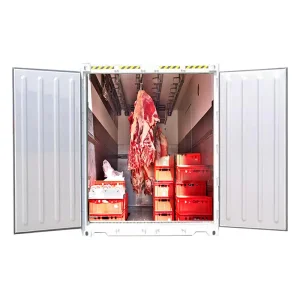
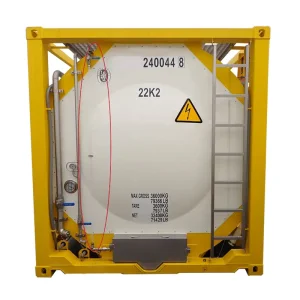
Explore our certified refrigerated, bulk liquid ISO tank, blast freezer, and specialized hanging meat container equipment.