Engineering-Grade 40ft Reefer & Special Equipment
Explore high-cube, side-door, cryogenic blast, and intermodal transport units certified for global maritime logistics and demanding cold chains.
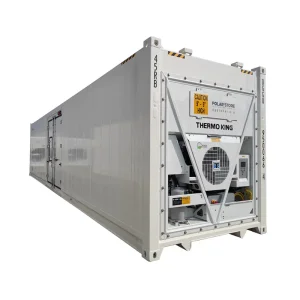
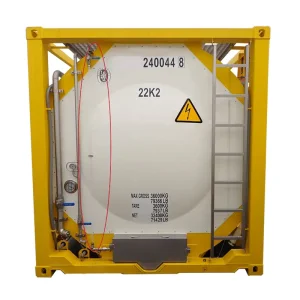

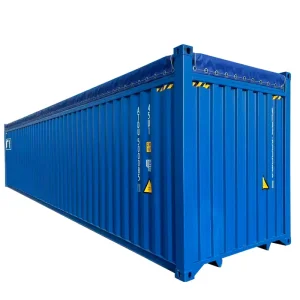
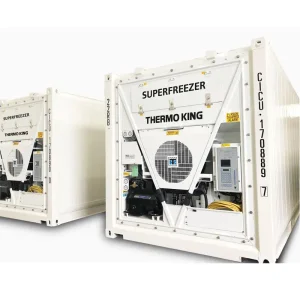
Navigating 40ft Reefer Procurement & Manufacturing Ecosystems
Strategic analysis on thermodynamic efficiency, metallurgical structural integrity, and international regulatory alignment for high-value logistics.
Structural Integrity & Insulation
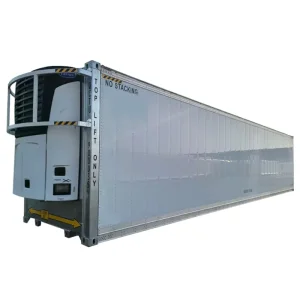
Modern 40ft High-Cube reefers feature specialized Corten steel structural frames, rust-resistant MGSS/ALSS outer claddings, and food-grade stainless steel (SUS304) interior liners. High-density cyclopentane-blown polyurethane foam core insulation (40-42 kg/m³) provides sub-0.33 W/m²K thermal transmittance values, preserving chilled meats, sensitive pharmaceuticals, and chemical stabilizers even in extreme tropical routes.
Integrated Refrigeration Mechanics
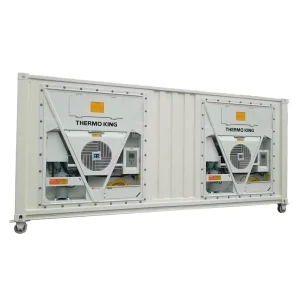
Factory-level installations seamlessly integrate premier refrigeration units, including Carrier Transicold (ThinLINE, PrimeLINE), Thermo King (Magnum Plus), and Daikin (Zestia). These precision cooling machinery setups support automated atmosphere modulation, de-humidification protocols, automated defrost cycles, and dynamic micro-step capacity control tailored for multi-climate ocean journeys.
Global Certification & Compliance
Enterprise procurement requires verifiable regulatory oversight. Our units adhere stringently to ISO 1496-2 (thermal containers), ISO 668, CSC (International Convention for Safe Containers), TIR, ATP (Perishable Food Transport), and classification certifications via Bureau Veritas (BV), DNV, ABS, or Lloyd's Register, eliminating port detention and transshipment bottlenecks.
Tier-1 China Factory Supply Chain
Headquartered in Tianjin and Suzhou, our manufacturing hubs leverage consolidated cold-rolled metallurgy mills, specialized robotic welding assembly lines, and proprietary polyurethane foaming tunnels. Proximity (approx. 100 km) to northern and eastern coastal seaports mitigates drayage costs, ensuring transparent container supply-chain scheduling from workshop to ocean vessel.
40ft High-Cube Reefer Technical Matrix
Comprehensive engineering tolerances and dimensional capacities for international freight planning.
| Parameter / Dimension | 40ft High Cube Reefer (40RH) | 20ft Standard Reefer (20RF) | 40ft Dry Standard (40GP Reference) |
|---|---|---|---|
| External Dimensions (L × W × H) | 12,192 mm × 2,438 mm × 2,896 mm | 6,058 mm × 2,438 mm × 2,591 mm | 12,192 mm × 2,438 mm × 2,591 mm |
| Internal Dimensions (L × W × H) | 11,583 mm × 2,290 mm × 2,557 mm | 5,444 mm × 2,290 mm × 2,275 mm | 12,032 mm × 2,352 mm × 2,393 mm |
| Cubic Internal Volume | 67.6 m³ (2,387 cu.ft) | 28.3 m³ (999 cu.ft) | 67.7 m³ (2,390 cu.ft) |
| Max Gross Weight (MGW) | 34,000 kg (74,950 lbs) | 30,480 kg (67,200 lbs) | 30,480 kg (67,200 lbs) |
| Tare Weight (approx.) | 4,480 kg (9,876 lbs) | 2,980 kg (6,570 lbs) | 3,740 kg (8,245 lbs) |
| Max Payload Capacity | 29,520 kg (65,074 lbs) | 27,500 kg (60,630 lbs) | 26,740 kg (58,955 lbs) |
| Operational Temperature Range | -35°C to +30°C (-31°F to +86°F) | -35°C to +30°C (-31°F to +86°F) | Ambient Ambient Non-Thermal |
| Power Input Requirement | 380/460V AC, 3 Phase, 50/60Hz | 380/460V AC, 3 Phase, 50/60Hz | None (Passive Storage) |
Localized Applications & Global Procurement Scenarios
Engineered to resolve real-world logistical bottlenecks across maritime, agricultural, and industrial infrastructure.
Intermodal Perishable Corridors
Global food logistics depend on unbroken cold chains. Our 40ft High-Cube reefers feature extruded T-bar floor profiles optimizing high-velocity floor-up bottom air distribution, eliminating hot spots during trans-Pacific agricultural runs (bananas, berries, avocados) and deep-frozen seafood transfers across European rail hubs.
On-Site Mobile Cold Storage & Buffers
For supermarket distribution hubs, pharmaceutical labs, and large-scale catering facilities, our 40ft refrigerated containers act as immediate, turnkey modular cold storage. Fitted with internal LED emergency escape lighting, butcher-style curtains, and optional roll-up or side-opening access doors, they circumvent expensive permanent construction permissions.
Pharma & High-Value Chemical Cold-Chain
Compliant with Good Distribution Practice (GDP) standards, these reefers provide automated de-humidification, constant digital temperature logging, and backup micro-cooling algorithms. Essential for plasma shipments, vaccine bulk movement, and specialty polyurethane industrial polymers requiring precise thermal adherence.
Emerging Trends Reshaping Reefer Manufacturing
How IoT integration, low-GWP refrigerants, and intelligent manufacturing empower next-generation fleets.
IoT Telematics & Predictive Maintenance
The contemporary 40ft reefer functions as an edge-computing platform. Real-time satellite-cellular telemetry continuously relays interior temperatures, ambient humidity, compressor vibration frequencies, and power-grid fluctuations. AI-driven anomaly algorithms alert technical staff before thermal excursions compromise expensive cargo.
Eco-Refrigerants & Energy Efficiency
Global regulatory pushes, including the Kigali Amendment, accelerate the replacement of R134a with ultra-low Global Warming Potential (GWP) refrigerants such as R513A and natural refrigerants like CO2 (R744). Combined with variable-speed hermetic scroll compressors, modern units yield up to 35% lower kilowatt consumption per ocean journey.
Advanced Composite Thermal Envelopes
Leading Chinese container factories are shifting toward vacuum insulated panels (VIP) and carbon-neutral hybrid composite sandwich skins. This technological advancement thins wall cross-sections while preserving structural K-values, yielding vital additional internal load capacity without increasing exterior shipping dimensions.
Controlled Atmosphere (CA) Evolution
Innovations in dynamic membrane gas separation allow units to modulate O2 and CO2 levels in real time. By putting biological respiration of delicate fruits to sleep, perishable cargo shelf life is extended by several weeks, enabling ocean freight to substitute cost-prohibitive air cargo alternatives reliably.
Frequently Asked Questions on Reefer Procurement
Essential answers regarding inspection protocols, operational power, OEM/ODM customizations, and import compliance.
What is the thermal difference between 40ft High Cube (40HC) and 40ft Standard (40GP) reefers?
What electrical configurations are required to run an industrial 40ft reefer container?
How do Chinese container factories ensure compliance with international maritime shipping standards?
Can customized modifications (side doors, roll-up shutters, multi-temp partitions) be engineered at the factory level?
What documentation is required to clear customs when importing 40ft reefer units from China?
Expanded Intermodal, Bulk & Offshore Equipment Range
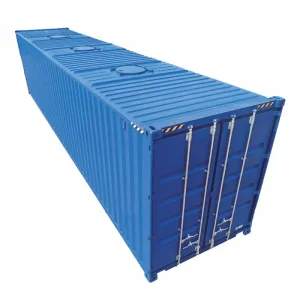
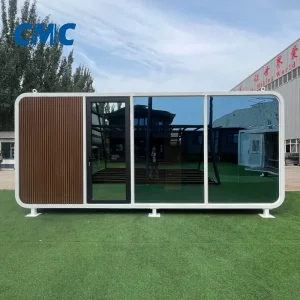
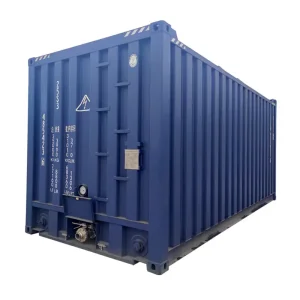
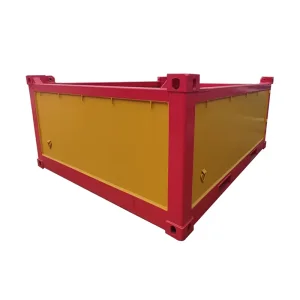
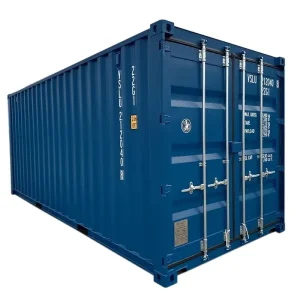
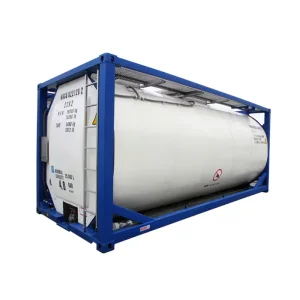
Explore our complete ISO inventory spanning offshore blast reefers, modular architecture, tank logistics, and bulk containers.