Precision-Engineered Ocean Shipping Units
Explore our primary line of high-tensile intermodal containers, active solar-hybrid cold chain boxes, and modular offshore-ready infrastructure units ready for immediate seaport dispatch.
The China Manufacturing Advantage: Maritime Hub Architecture
When global enterprise procurement teams decide to buy ocean shipping containers from accredited exporters, the structural resilience of the manufacturing ecosystem directly dictates long-term return on investment.
Metallurgical Superiority: SPA-H Corten Steel
Standard container longevity relies entirely on atmospheric corrosion-resistant Corten steel. Our manufacturing lines integrate genuine SPA-H atmospheric corrosion-resistant hot-rolled steel with copper, chromium, and nickel alloy matrices. Upon air contact, this metallurgy creates a stable, dense patina layer that dramatically slows oxidization, surviving severe offshore hyper-saline oceanic mist.
Coastal Port Proximity: Tianjin & Suzhou Hubs
Located precisely within a 100-kilometer drayage corridor to northern and eastern deepwater shipping terminals, our production ecosystems drastically slash inland repositioning overheads. Factory-direct gate-in capabilities guarantee continuous container positioning without domestic double-handling, delivering expedited FOB, CIF, or SOC vessel loadings on scheduled trade lanes.
Robotic Automated Welding & Shot Blasting
Every structural corner casting, bottom cross member, and corrugated wall panel undergoes automated multi-axis robotic CO2 gas-shielded arc welding. Structures pass thorough SA 2.5 shot-blasting to eliminate mill scale before an electrostatic primer and multi-layer waterborne zinc-rich polyurethane topcoat system is baked, exceeding 5-year marine weathering benchmarks.
Compliance Engineering: CSC, DNV 2.7-1 & IICL-6 Protocols
International intermodal regulations require strict compliance validation. Navigating regional logistics bodies requires comprehensive alignment with safety and customs conventions.
CSC Plate Certification
Every shipping container exported from our production line carries a validated International Convention for Safe Containers (CSC) safety approval plate. This plate certifies racking resistance (up to 150 kN), stacking limits (minimum 192,000 kg for 9-high laden ocean stacking), floor strength under 7,260 kg axle loads according to ISO 1496-1, and transversal rigidity.
DNV 2.7-1 / EN 12079 Offshore Rigor
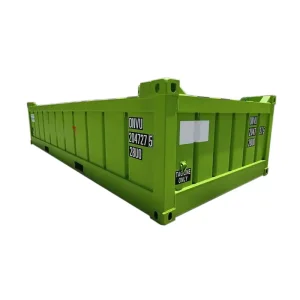
Dynamic oceanic environments demand exceptional structural integrity. Our offshore line complies with DNV-GL requirements. Each offshore cargo unit, half-height open-top, or refrigerated platform undergoes Charpy V-notch impact testing at -20°C, equipped with tested padeyes and certified four-part wire rope slings to withstand severe dynamic offshore lifting shocks.
Customs Security & TIR Compliance
To secure transnational cross-border multimodal transport along Eurasian and Pan-African corridors, containers are built to Customs Convention on the International Transport of Goods (TIR) standards. Custom latch rods, anti-theft security lock boxes, and tamper-proof hinge pins protect high-value cargo against illicit tampering during transit.
Standard & Specialized Container Structural Matrix
Direct comparative benchmarks assisting supply chain directors, fleet managers, and industrial procurement professionals in selecting the right container dimensions and payloads.
| Container Classification | External Dims (L × W × H) | Internal Dims (L × W × H) | Internal Vol (m³) | Max Gross (kg) | Tare Weight (kg) | Payload Cap (kg) |
|---|---|---|---|---|---|---|
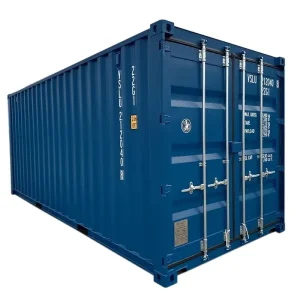
| 20ft General Purpose Dry (20GP) | 6,058 × 2,438 × 2,591 mm | 5,898 × 2,352 × 2,393 mm | 33.2 m³ | 30,480 kg | 2,230 kg | 28,250 kg |
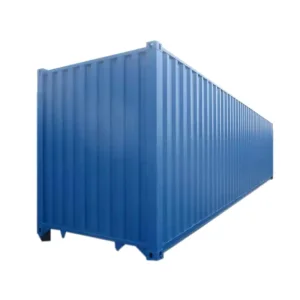
| 40ft High Cube Dry (40HC) | 12,192 × 2,438 × 2,896 mm | 12,032 × 2,352 × 2,698 mm | 76.4 m³ | 32,500 kg | 3,900 kg | 28,600 kg |
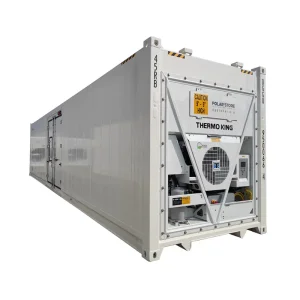
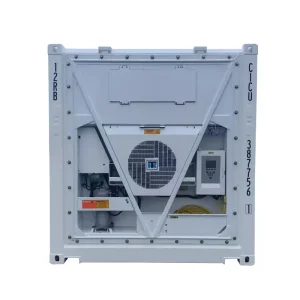
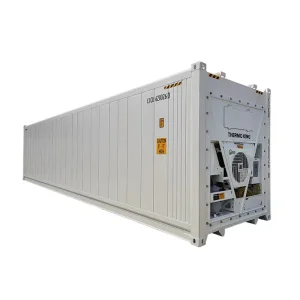
| 40ft High Cube Reefer (40HCR) | 12,192 × 2,438 × 2,896 mm | 11,583 × 2,290 × 2,557 mm | 67.8 m³ | 34,000 kg | 4,480 kg | 29,520 kg |
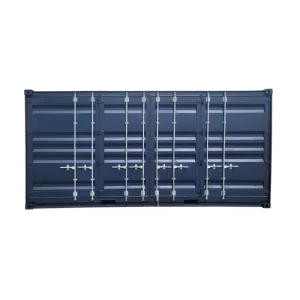
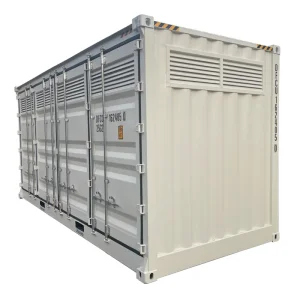
| 20ft Side-Open Hazardous Goods | 6,058 × 2,438 × 2,896 mm | 5,898 × 2,284 × 2,560 mm | 34.5 m³ | 30,480 kg | 3,180 kg | 27,300 kg |
| DNV 2.7-1 Offshore Half-Height | 6,058 × 2,438 × 1,280 mm | 5,860 × 2,240 × 1,020 mm | 13.4 m³ | 18,000 kg | 2,450 kg | 15,550 kg |
Mission-Critical Deployment Scenarios
Modern intermodal shipping containers have transformed from basic maritime packaging into adaptable structural assets for high-tech manufacturing, defense, energy, and resource development.
Renewable BESS & Power Generation Housings
With battery energy storage systems (BESS) scaling globally, reinforced container shells serve as fire-resistant, climate-controlled housings for lithium-ion battery banks. Integrating thermal non-combustible rockwool liners, structural floor sub-channels, and automated aerosol fire suppression cut-outs, our modified containers provide structural support for utility-scale PV and wind farms.
Cold Chain Agritech & Pharma Distribution
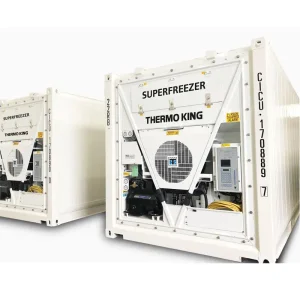
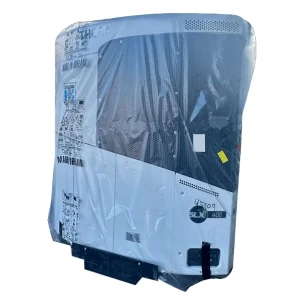
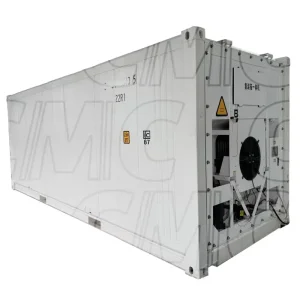
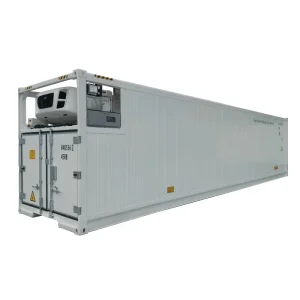
Modern deep-freeze reefer containers equipped with Carrier, Daikin, or Thermo King refrigeration units maintain exact temperatures from -35°C to +30°C. With integrated digital data loggers and smart microprocessors, pharmaceutical companies and food distributors prevent temperature variations over long ocean crossings, preserving the cold chain from origin to final destination.
Emergency Relief & Modular Living Pods
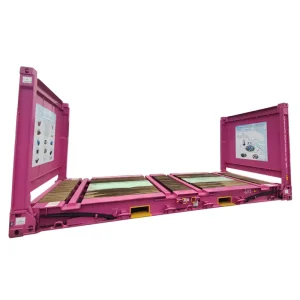
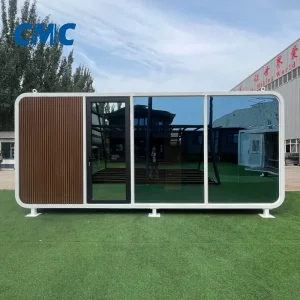
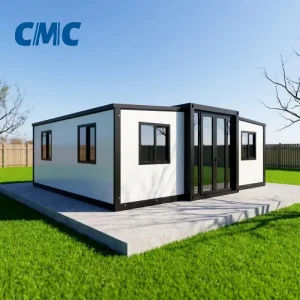
Rapid modular construction relies heavily on modified ISO container footprints. From insulated field hospital modules and flat-pack emergency shelters to luxury apple cabins and modular living pods, Corten container chassis provide rapid scalability, standard ISO corner casting crane locks, and structural strength suited for quick field deployment.
Emerging Trends: Smart Telemetry, Eco-Coatings & Decarbonization
Intermodal manufacturing is shifting quickly toward digital intelligence, structural mass optimization, and low-VOC coatings.
IoT Telemetry & Satellite Asset Visibility
Modern fleets feature factory-integrated low-power GPS and satellite telemetry sensors. Fleet operators track real-time container coordinates, door-open alerts, shock events, ambient humidity, and refrigeration setpoints from centralized enterprise platforms, minimizing loss risks while cutting inland insurance premiums.
Zero-VOC Waterborne Paint Systems
Complying with tight international volatile organic compound (VOC) emissions mandates, our production facilities run automated solvent-free waterborne coating lines. These primers and topcoats dry through controlled heating tunnels, forming a protective barrier that resists continuous UV degradation, acid rain, and brine spray corrosion.
Composite Lightweighting & Bamboo Flooring
To optimize payload capacity while conserving timber resources, traditional hardwood plywood floors are increasingly replaced by high-density hot-pressed laminated bamboo flooring and composite polymers. Certified to meet the 7,260 kg test wheel load, these alternatives provide higher structural durability and resist rot, insect intrusion, and heavy wear.
Frequently Asked Questions for Container Buyers
Clear answers to technical, commercial, and shipping questions commonly raised by procurement managers and freight forwarding specialists.
Buying containers as Shipper Owned Containers (SOC) lets procurement teams load goods and avoid daily demurrage and detention charges charged by shipping lines at destination ports. SOC boxes provide total control over storage duration at remote mining, construction, or storage locations, turning packaging expenses into durable enterprise assets.
Every production run adheres to ISO 9001 and Bureau Veritas (BV) survey standards. Before container delivery, certified QA inspectors conduct non-destructive testing (NDT), dye penetrant weld inspection, full-immersion light-leak sealing audits, high-pressure monsoon hose testing (200 kPa water jets), and load-cell weight certifications.
Yes. We regularly supply tailored dangerous goods (DG) containers featuring full-aperture side-opening doors, flame-proof mechanical vent louvers, floor containment bunds to collect potential chemical leaks, non-sparking zinc-mesh floor linings, and grounding terminal earthing studs compliant with IMDG Code Classes 3, 6, 8, and 9.
Standard ISO dry container orders of 50 to 500 units typically require 15 to 25 manufacturing days. Because our production hubs in Tianjin and Suzhou are within 100 kilometers of deepwater terminals, completed units move smoothly into port terminal yards, where custom export clearance documentation, fumigation certificates, and maritime mate receipts are swiftly arranged.
Advanced Industrial & Offshore Shipping Units
Explore our specialized heavy-duty offshore equipment, deep freezer systems, power generation trailer modules, and flat-rack configurations designed for complex industrial logistics.