Precision Portfolio
Featured Cold Storage & Intermodal Fleet Units
Direct-from-factory modular reefers, heavy-duty offshore baskets, and specialized containerized systems engineered for stringent operating conditions across maritime, rail, and stationary applications.
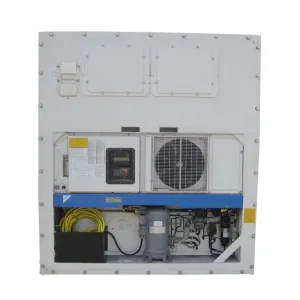
Buy Refrigeration Equipment /Cooling Unit For Refrigerated Containers Products, Exporters
View Engineering Specs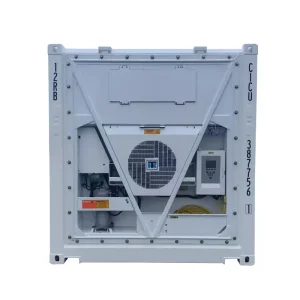
OEM 20ft Offshore Refrigerated Container DNV Certification Is More Durable Exporter, Exporters
View Engineering Specs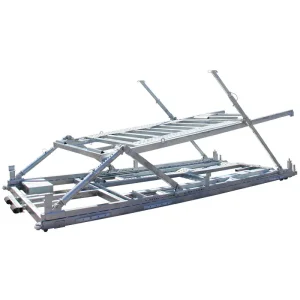
China vehicle transport rack Product, Exporters
View Engineering Specs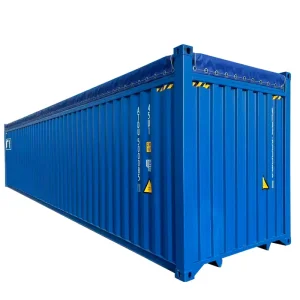
Buy 40ft High-Cube New Soft Open Top Shipping Container with Tarpaulin Cover Manufacturer, Product
View Engineering Specs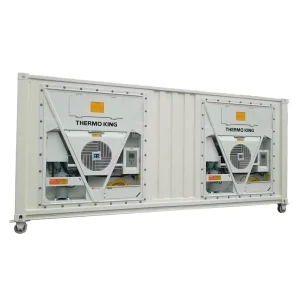
High-Quality The new blast reefer containers are certified by classification societies Manufacturers, Factories
View Engineering Specs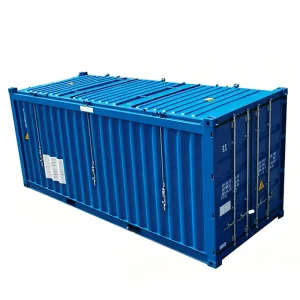
China 20ft New Hard Open Top Shipping Container Manufacturer, Factories
View Engineering Specs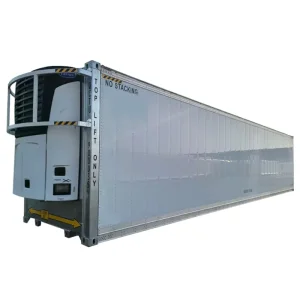
China Carrier X4-7300 Refrigeration and Electricity Integrated Container Exporter, Products
View Engineering Specs
Procurement Engineering
Industrial Cold Room Containers: Strategic Sourcing Architecture
Global logistics managers, cold chain infrastructure developers, and industrial food processing operators face unprecedented demand for rapid, flexible temperature-controlled storage. Traditional brick-and-mortar cold storage facilities require extensive civil construction permits, real estate capital expenditure, and long development timelines. In contrast, acquiring an OEM cold room container for sale from specialized factories provides an immediate, modular, and ISO-compliant mobile infrastructure asset.
Modern refrigerated shipping containers are far more than insulated metal enclosures. They are thermodynamically engineered, microclimate-controlled containment systems designed to operate consistently across ambient temperature environments from -40°C to +55°C. When procuring direct from verified Chinese manufacturing facilities, buyers acquire customized machinery calibrated precisely to their cargo's respiration rates, freezing curves, and humidity tolerances.
- Corten-A Weathering Steel Shell: High tensile corrosion resistance engineered to endure marine salinity and offshore environmental weathering.
- Cyclopentane Polyurethane Insulation: High-density (42-45 kg/m³) vacuum-injected core delivering superior thermal barrier insulation (k-value ≤ 0.33 W/m²K).
- Food-Grade MG11 & SS304 Internal Cladding: Chemical-resistant, antimicrobial, USDA and FDA-compliant stainless interior walls allowing pressure washdown cycles.
Thermal Efficiency & TCO Evaluation
The lifetime Total Cost of Ownership (TCO) of a cold room container is heavily dominated by electrical energy expenditure rather than initial procurement capital. High-efficiency OEM manufacturing incorporates microchannel condensers, scroll compressors with variable-frequency inverters (VFD), and hermetically sealed multi-lip EPDM door gaskets.
Energy Conservation Metric: Premium Chinese OEM thermal break architecture achieves an estimated 32% reduction in compressor duty-cycle running hours compared to generic refrigerated builds, safeguarding corporate ESG thresholds.
Rigorous Standards
Engineering Matrix: Standard vs. Customized OEM Specifications
Review comprehensive dimensions, mechanical parameters, and machinery integrations across premier 20-foot, 40-foot High-Cube, and ultra-low blast freezer variants manufactured under BV and ISO quality control regimes.
| Dimensional & Mechanical Param | 20ft High-Cube Reefer | 40ft High-Cube Reefer | Ultra-Deep Blast Freezer | Solar Hybrid Micro-Cold Room |
|---|---|---|---|---|
| External Dimensions (L×W×H) | 6,058 × 2,438 × 2,896 mm | 12,192 × 2,438 × 2,896 mm | 12,192 × 2,438 × 2,896 mm | 6,058 × 2,438 × 2,591 mm |
| Internal Usable Capacity | 28.3 m³ (1,000 cu ft) | 67.6 m³ (2,387 cu ft) | 62.4 m³ (Heavy ducting) | 26.0 m³ (220V inverter) |
| Target Temperature Range | -30°C to +30°C (±0.25°C) | -30°C to +30°C (±0.25°C) | -60°C to -10°C (Deep Freeze) | -20°C to +15°C (Chilled/Frozen) |
| Thermal Core Insulation | 75mm High-Density PUF | 75mm High-Density PUF | 100-120mm Vacuum Insulated Panel | 80mm Cyclopentane Rigid Foam |
| Refrigeration Machinery Options | Thermo King / Carrier / Daikin | Carrier ThinLINE / Daikin LXE | Dual-Stage Cascaded Compressors | DC Inverter Unit / Hybrid Grid |
| Flooring Design Profile | Extruded Aluminum T-Bar (70mm) | Extruded Aluminum T-Bar (70mm) | Heavy-Duty Flat Anti-Slip Floor | Easy-Clean Perforated Aluminum |
| Certifications & Conformity | ISO 1496/2, CSC, TIR, BV, ABS | ISO 1496/2, CSC, ATP Certified | DNV 2.7-1, EN 12079, CSC, BV | CE, ISO 9001, RoHS Compliant |
Supply Chain Supremacy
Industrial Scale: The Chinese OEM Manufacturing Moat
Strategic positioning within 100 kilometers of the world-class seaports of Tianjin and Shanghai/Suzhou ensures unparalleled supply chain agility, metallurgical raw material access, and friction-free vessel loadings.
1983
Foundational Manufacturing Heritage
100 KM
Radius from Factory to Seaport Terminal
≤ 0.33
Heat Leakage Coefficient W/(m²·K)
100%
Automated Foaming & PTI Testing
Vertical Industrial Integration
From raw Corten steel decoiling, automatic continuous CNC profile bending, robotic multi-axis seam welding, through to automated high-pressure polyurethane foaming lines—every fabrication stage is concentrated within internal factory clusters, slashing lead times by over 45% compared to regional assembly workshops.
Port-Proximate Maritime Logistics
Factory yards situated in Tianjin and Suzhou provide immediate access to premier container berths. Containers can be repositioned as "One-Way Shippers" loaded with dry or chilled export cargo, drastically reducing intercontinental dead-freight costs and guaranteeing instant shipping space on major global shipping alliances.
Comprehensive PTI Certification
Prior to factory release, every single reefer unit undergoes an exhaustive Pre-Trip Inspection (PTI) cycle inside calibrated environmental test bays. Technicians evaluate pressure drops, defrost cycling, heating elements, fan motor amps, and vacuum decay rates under simulated extreme ambient extremes.
Engineering Compliance
Worldwide Regulatory Assurance & Customization Capabilities
International cross-border deployments necessitate strict compliance with maritime, railway, offshore, and food safety governance standards.
Navigating cross-border cold chain regulations demands specialized engineering know-how. When acquiring an OEM cold room container for sale from our factories, global buyers receive units pre-certified by premier classification societies including Bureau Veritas (BV), American Bureau of Shipping (ABS), and Det Norske Veritas (DNV).
For demanding offshore oil and gas sectors, containers must survive explosive atmospheres and dynamic crane drop-shock loads. Our offshore reefer models are strictly fabricated in compliance with DNV 2.7-1 / EN 12079 standards, incorporating certified pad eyes, internal explosion-proof lighting (ATEX Zone 1 / Zone 2 compliant), and stainless steel exterior hardware.
Furthermore, agricultural and pharmaceutical supply chains rely on compliance with the Agreement on the International Carriage of Perishable Foodstuffs (ATP) and Good Distribution Practice (GDP). We provide USDA-approved cold treatment integration with high-precision temperature logging sensors (±0.1°C calibration), ensuring quarantine clearance across North American, European, and Australian ports of entry.
Custom OEM/ODM Engineering Configurations Available:
- Access Door Architecture: Full side-opening doors for pallet forklift entry, high-cycle butcher doors with internal safety release push-bars, or rapid motorized thermal roll-up shutters.
- Multi-Compartment Tri-Temp Partitions: Modular movable bulkheads dividing a single 40ft High Cube into deep freeze (-25°C), chilled (+4°C), and ambient dry compartments with individual evaporators.
- Dual Redundant Refrigeration Power: Twin independent refrigeration units mounted on a single container face with automated emergency switchover logic for high-value biopharmaceuticals.
Operational Environments
Localized Deployment Scenarios & Heavy-Industry Solutions
Engineered flexibility allows factory-direct refrigerated containers to function as stationary micro-warehouses, intermodal long-haul reefers, or critical field hospital storage.
Deep-Sea Marine & Blast Freezing
Factory-built blast reefer containers rapidly bring core meat and pelagic fish temperatures down from ambient to -40°C or -60°C within hours. This halts enzymatic cellular breakdown, locks in sashimi-grade fish quality, and complies with international seafood safety exports directly at remote coastal quays.
Agricultural Farm-Gate Precooling
Eliminating rural post-harvest loss requires immediate removal of field heat. Mobile cold room containers stationed directly beside fruit plantations and vegetable packing facilities provide controlled atmosphere (CA) storage, regulating O2 and CO2 levels to extend produce shelf life by up to 300% before export transport.
GDP Biopharmaceutical Containment
Precision vaccine, blood plasma, and active ingredient warehousing mandates strict thermal uniformity (±0.5°C tolerance). Factory-customized pharma containers incorporate 100% redundant scroll compressors, independent battery UPS backup systems, and cryptographic cloud-synced 21 CFR Part 11 telemetry.
Future Innovations
Technological Horizons: Smart Telematics & Sustainable Refrigerants
Discover how AI micro-controllers, IoT cloud analytics, and eco-friendly natural refrigerants are defining modern container manufacturing.
IoT Telematics & Predictive Machine Analytics
Contemporary OEM cold room container factories embed industrial-grade edge IoT gateways with cellular LTE and Iridium satellite redundancy. Logistics directors monitor supply temperatures, return air heat, power supply voltage fluctuations, door open events, and relative humidity in real time.
Integrated machine-learning algorithms cross-reference compressor vibration frequency, current draws, and thermal recovery times to predict impending expansion valve blockage or refrigerant leaks 14 days before catastrophic failure occurs.
Eco-Refrigerants & Hybrid Off-Grid Solvers
Accelerated phase-outs of high Global Warming Potential (GWP) fluorinated hydrocarbons (F-gases) have spurred significant OEM thermal redesigns. Our factories lead development in drop-in low-GWP refrigerants like R-452A, and transcritical CO2 (R-744) units that possess a GWP of exactly 1.
For developing markets and remote infrastructure nodes without stable three-phase 380V-460V power, our engineering team manufactures solar-coupled DC inverter cold room containers capable of direct rooftop photovoltaic operation with integrated lithium-iron-phosphate (LiFePO4) storage banks.
Direct Answers
Frequently Asked Technical & Procurement Inquiries
Clear answers for global engineering directors, fleet purchasers, and cold storage procurement teams evaluating Chinese factory production.
What differentiates an OEM cold room container from a standard refrigerated maritime container?
While standard shipping reefers are designed primarily for static marine freight with standard end doors and deep T-bar flooring, an OEM cold room container is purpose-built or modified for operational stationary or mobile storage. Customizations include personnel butcher doors with safety internal releases, butcher curtains, flat anti-slip aluminum floors for hand-pallet jacks, internal LED lighting, multi-temperature internal dividing walls, external acoustic dampening, and custom voltage compatibility (such as single-phase 220V or dual-voltage 380-460V).
What are the typical lead times for custom OEM cold storage container orders from Chinese factories?
Standard ISO certified refrigerated units (20ft and 40ft High Cube) typically carry a production cycle of 2 to 3 weeks. Tailor-engineered custom configurations—including side-opening doors, dual-redundant refrigeration machinery, explosion-proof DNV offshore modifications, or ultra-low blast freezing equipment—typically require 4 to 6 weeks from technical drawing sign-off to full Pre-Trip Inspection (PTI) factory completion.
Which refrigeration compressor systems do Chinese manufacturing factories integrate?
Our OEM manufacturing production lines integrate authentic, factory-warranted machinery from the world's leading brands: Carrier (PrimeLINE, ThinLINE, X4), Daikin (LXE series), and Thermo King (Magnum Plus). For custom localized or stationary projects, we also engineer packaged modular condensing units utilizing Bitzer semi-hermetic reciprocating or Copeland scroll compressors engineered to specific regional refrigerant regulations.
How is thermal barrier degradation minimized over long-term field operation?
Thermal degradation is prevented through automated high-pressure injection of ozone-friendly Cyclopentane Polyurethane foam at controlled ambient facility temperatures. This ensures an average density of 42-45 kg/m³ free from air pockets or thermal bridging. Combined with thermal break gaskets between the Corten steel external frame and internal stainless steel lining, moisture penetration is prevented, maintaining a thermal leakage coefficient (≤ 0.33 W/m²K) over decades.
Can cold room containers be built to meet DNV 2.7-1 / EN 12079 offshore lifting standards?
Yes. We manufacture dedicated offshore refrigerated containers engineered to withstand the rigorous dynamic impact and multi-point lifting loads encountered on offshore oil rigs and marine platforms. These units feature certified primary structural steel framing, standardized certified pad eyes, Charpy V-notch tested steel for low-temperature arctic toughness, and third-party Lloyd's Register or DNV survey certification.
What is the most cost-effective shipping arrangement for intercontinental container delivery?
Because all our cold room containers are manufactured to strict ISO external dimensions and carry valid CSC (International Convention for Safe Containers) safety plates, they can be shipped as standard cargo on container vessels. Buyers often take advantage of "One-Way Shipper" status, wherein shipping lines or domestic freight forwarders carry export goods inside the new container on its maiden voyage, effectively subsidizing or completely eliminating maritime freight costs.
Direct-From-Plant Hardware
Heavy Industry & Specialized Refrigerated Equipment
Explore our full manufacturing catalog of specialized combination units, deep freezers, solar-powered refrigeration units, and DNV offshore baskets available for direct procurement.
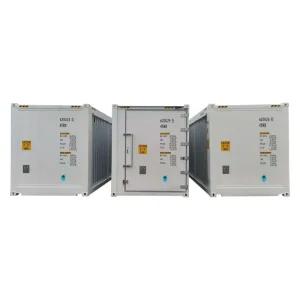
China OEM 40ft High-Cube Customized Three-in-One Combination Reefer Storage Container Manufacturer, Quotes
View Engineering Specs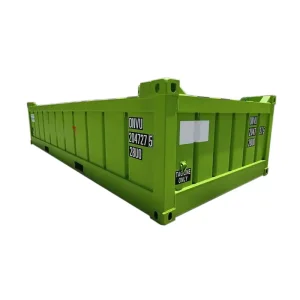
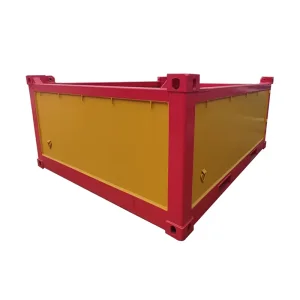
ODM New DNV Certification Offshore Half-Height Open Top Container Products, Exporters
View Engineering Specs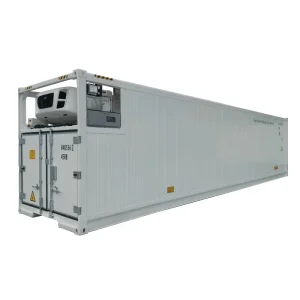
Famous New 40-foot high cube & 45-foot "Belt and Road" railway refrigerated container. Product, Products
View Engineering Specs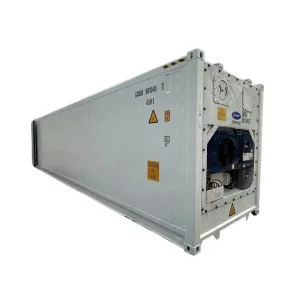
Buy Ninety Percent New Used 40ft HC Carrier Refrigerated Container Product, Quotes
View Engineering Specs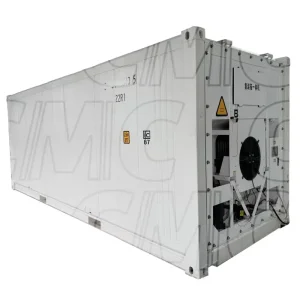
ODM The Smart Chain Cold Storage 20ft/40ft Solar Refrigerated Container 220V With DC Inverter Unit Pricelist, Exporters
View Engineering Specs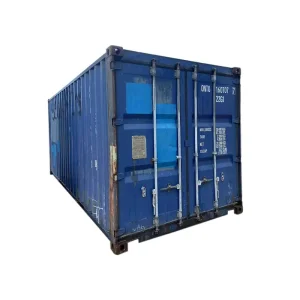
ODM 40ft Used Dry Cargo Shipping Container Manufacturers, Quotes
View Engineering Specs
OEM New Deep Freezer Refrigerator Container For Sale Factory, Quotes
View Engineering Specs