Precision Multimodal Logistics Assets • Ready for Export
Direct manufacturer deployment of certified reefers, liquid tank modules, automotive transport racks, and heavy-duty dry cargo configurations engineered in Tianjin & Suzhou.
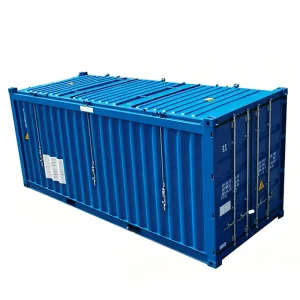
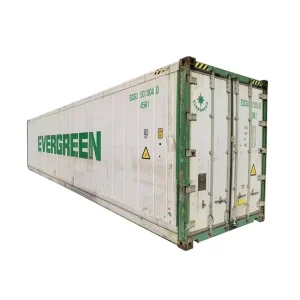
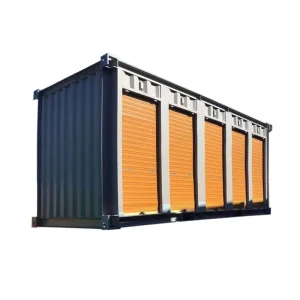
Macro Dynamics of the Modern Intermodal Hardware Market
Understanding structural shifts in global maritime demand, raw material indices, and localized asset deployment strategies for 2025 and beyond.
Corten-A Metallurgy & Structural Lifecycles
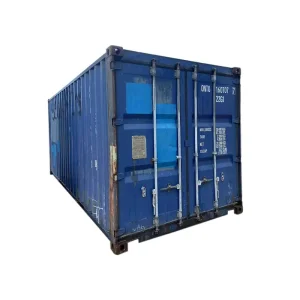
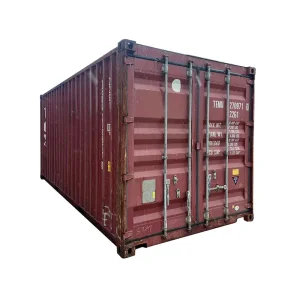
Standard grade dry shipping units utilize SPA-H / Corten-A atmospheric corrosion-resistant steel with yield strengths exceeding 345 MPa. When calculating total cost of ownership (TCO), atmospheric patina stabilization drastically reduces secondary maintenance in coastal environments over an operational lifespan exceeding 15–25 years under high stacking stress.
Reefer Thermal Integrity & HVAC Efficiency
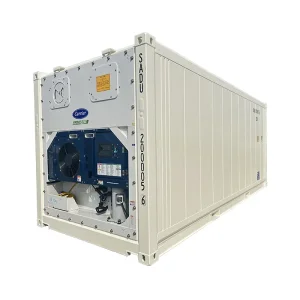
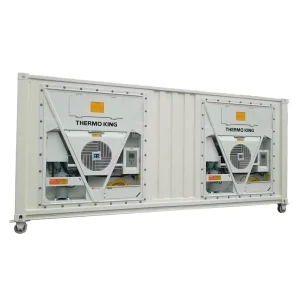
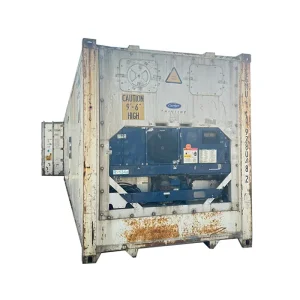
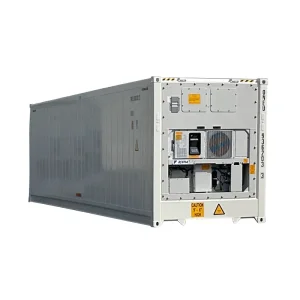
Active cold chain preservation mandates advanced thermal boundary engineering. Utilizing high-pressure cyclopentane-blown polyurethane foam insulation coupled with high-efficiency machinery from Carrier Transicold, Daikin, and Thermo King ensures temperature stability from -30°C to +30°C, vital for biopharma, high-value perishables, and field cold storage.
Classification Society Verification
Cross-border intermodal operations rely on rigorous certification protocols. Every unit exported is verified under Bureau Veritas (BV), Det Norske Veritas (DNV 2.7-1 / EN 12079 for offshore lifting), or Lloyd's Register, verifying corner casting integrity, racking resistance up to 150 kN, and watertightness under ISO 1496 guidelines.
Engineering Applications Across Localized Commercial Ecosystems
Beyond baseline intermodal maritime shipping, customized containers serve mission-critical roles in secondary markets, on-site industrial setups, and regional logistics networks.
Decentralized Cold Chain Logistics
High-Cube Daikin and Carrier cold storage units serve as localized micro-fulfillment refrigerated depots. In emerging agricultural zones, 20ft and 40ft units prevent post-harvest perishability loss without requiring capital-intensive traditional warehouse construction.
BESS & Modular Edge Computing
Custom structural shells with reinforced flooring, specialized louvered ventilation, and thermal barrier coatings are increasingly deployed as Battery Energy Storage Systems (BESS) and mobile edge computing shelters for wind and solar power plants worldwide.
Specialized Bulk Liquid & Chemical Transit
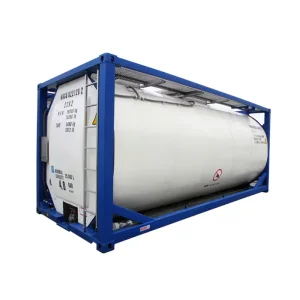
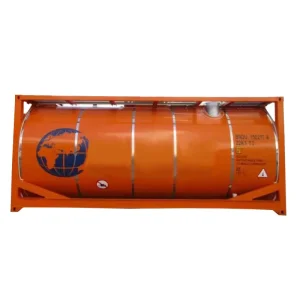
ISO tank containers and square liquid units allow door-to-door bulk intermodal transit without intermediate transloading. This eliminates product loss, ensures cross-contamination defense, and supports dangerous goods handling under IMDG Code provisions.
China Supply Chain Resilience & Global Lead Time Efficiency
Leveraging comprehensive industrial clusters in Tianjin and Suzhou, CIMIC provides unmatched structural scalability, rapid port connectivity, and raw material access.
Port-Centric Strategic Proximity
Located within 100 kilometers of Tianjin Xingang Port and major Yangtze River Delta terminals, inland freight costs are minimized, enabling fast roll-on/roll-off and container ship space reservation even during seasonal peak surges.
Integrated Upstream Metallurgy
Direct sourcing contracts with major domestic steel mills guarantee steady supplies of authenticated Corten steel, marine-grade primers, and FSC-certified bamboo or hardwood flooring, insulating procurement from global supply shocks.
Automated Robotic Welding & Finishing
Automated continuous submerged-arc welding processes ensure zero-defect seam integrity across corrugated panels and base frames. Shot-blasting to SA 2.5 standard guarantees robust adhesion for zinc-rich primer and multi-layer marine epoxy.
Technical Matrix: ISO Standard & High-Cube Dimension Schematics
Precise interior clearance, tare weight calculations, volumetric capacities, and structural payload limits verified under International Convention for Safe Containers (CSC).
| ISO Configuration | External Dimensions (L×W×H) | Internal Dimensions (L×W×H) | Capacity (CBM) | Max Gross Mass (Payload + Tare) | Primary Industrial Use Case |
|---|---|---|---|---|---|
| 20ft Standard Dry (20GP) | 6.058 × 2.438 × 2.591 m | 5.898 × 2.352 × 2.393 m | 33.2 m³ | 30,480 kg (67,200 lbs) | High-density commodities: metals, heavy machinery, mineral ores |
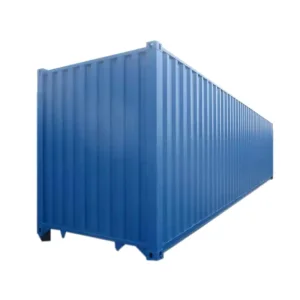
| 40ft Standard Dry (40GP) | 12.192 × 2.438 × 2.591 m | 12.032 × 2.352 × 2.393 m | 67.7 m³ | 30,480 kg (67,200 lbs) | General freight, automotive assemblies, palletized consumer retail |
| 40ft High Cube Dry (40HC) | 12.192 × 2.438 × 2.896 m | 12.032 × 2.352 × 2.698 m | 76.4 m³ | 30,480 kg (67,200 lbs) | Volumetric light goods, modular architecture, furniture, textiles |
| 20ft ISO Reefer (20RF) | 6.058 × 2.438 × 2.591 m | 5.444 × 2.290 × 2.275 m | 28.3 m³ | 30,480 kg (67,200 lbs) | Cold storage hubs, pharmaceuticals, localized perishable exports |
| 40ft High Cube Reefer (40RH) | 12.192 × 2.438 × 2.896 m | 11.583 × 2.290 × 2.557 m | 67.8 m³ | 34,000 kg (74,950 lbs) | Global transoceanic meat, poultry, seafood, and fresh fruit lanes |
| 20ft ISO Tank (UN Portable T11) | 6.058 × 2.438 × 2.591 m | Cylindrical 316L Stainless Steel | 24,000–26,000 L | 36,000 kg (79,365 lbs) | Food-grade liquids, industrial solvents, non-corrosive chemicals |
Emerging Technology Roadmap: The Next Era of Containerization
How IoT telematics, low-carbon steel, and automated handling are reshaping multimodal logistics asset infrastructure.
Autonomous Satellite Telematics
Integration of real-time solar-powered GPS, door-status sensors, and internal temperature monitors directly onto container side rails ensures continuous fleet visibility even in mid-ocean transit.
Low-Carbon & Recycled Metallurgy
Piloting electric arc furnace (EAF) steel with recycled scrap reduces embedded emissions per TEU by up to 38%, aligning with EU Corporate Sustainability Due Diligence Directive (CSDDD) demands.
Eco-Friendly Insulation Foams
Transitioning reefer insulation to zero-ODP and ultra-low-GWP hydrofluoroolefin (HFO) blowing agents maintains maximum thermal resistance while future-proofing containers against refrigerant phasedowns.
Digital Twin Asset Certification
Blockchain-anchored digital inspection logs from Bureau Veritas and DNV link each container's CSC safety approval plate directly to cloud maintenance histories, simplifying cross-border leasing handoffs.
Localized Support, Customs Protocols & Compliance Assurance
Navigating global border control, international seaworthiness validations, and localized port delivery logistics with minimal friction.
CSC Safety Plate Certification
Every newly constructed or certified second-hand unit carries an authentic CSC plate stamped in accordance with ISO 668/1496 guidelines. This ensures immediate acceptance by global vessel operators, terminal operators, and railway administrations without re-inspection hold-ups.
SOC One-Way Positioning Support
To optimize ocean freight expenses, CIMIC provides Shipper Owned Container (SOC) solutions. Units can be dispatched loaded with export cargo on one-way voyages, avoiding empty repositioning charges and slashing procurement logistics overheads by up to 40%.
Customs Documentation Mastery
Complete regulatory dossiers—including Bill of Lading, Commercial Invoice, Packing List, Certificate of Origin (CO / Form E / Form A), BV Inspection Certificates, and Timber Treatment Certificates (IPPC)—are processed directly to streamline clearance across North America, Europe, Africa, and Australia.
Frequently Asked Questions: Global Container Procurement
Comprehensive technical and commercial clarifications directly addressing the procurement priorities of global logistics directors, infrastructure developers, and fleet operators.
What is the structural difference between Corten-A and regular mild steel?
Corten-A (SPA-H) contains specific alloy additions of copper, chromium, and nickel. When exposed to maritime atmospheres, it develops a self-healing oxide patina that slows corrosion, giving containers an active operating life of over 15 to 20 years, compared to mild steel which rusts rapidly in saline marine air.
How does buying Shipper Owned Containers (SOC) reduce total transit costs?
Purchasing an SOC unit frees buyers from carrier demurrage and detention penalties, which can exceed $100 per container per day during port delays or inland transit holds. After delivery, the container remains your company asset for warehousing, resale, or additional shipping legs.
Can Reefer containers be customized for localized stationary cold rooms?
Yes. We frequently supply customized 20ft and 40ft High Cube reefer units configured with internal safety release handles, emergency lighting, flat aluminum T-flooring, PVC strip curtains, and single-phase or solar inverter connections for on-site food and pharmaceutical storage.
What inspection protocols apply to used shipping containers before release?
Every used container undergoes a comprehensive structural inspection based on IICL-5 or Cargo Worthy (CW) standards. Inspectors verify that corner castings, door lock rods, and rubber gaskets are intact, floors are free of major contamination, and shells are wind-and-watertight (WWT) before dispatch.
High-Cube, Chemical Tank & Custom Equipment Catalog
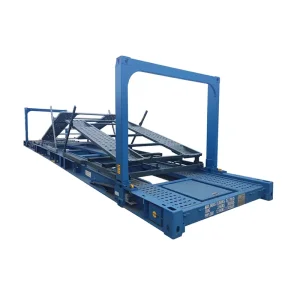
Specialized dry cargo units, car carrier systems, solar reefer technology, and ISO chemical containers certified for global sea, rail, and road operations.