
Engineered Dangerous Goods & Specialized Fleet Units
BV and ISO-certified intermodal dangerous chemical units, cryogenic reefers, open-top systems, and mission-critical logistics enclosures.
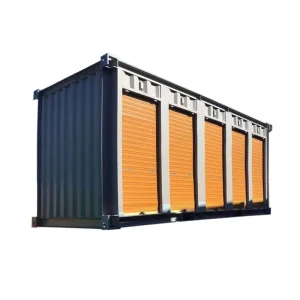
OEM New 20ft Storage Roll-Up Door Dry Cargo Container
View Specifications →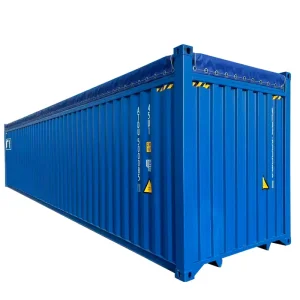
Buy 40ft High-Cube New Soft Open Top Shipping Container with Tarpaulin Cover
View Specifications →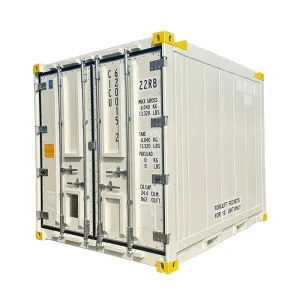
High-Quality New 10ft Certified Thermo King Freezer Container Exporter
View Specifications →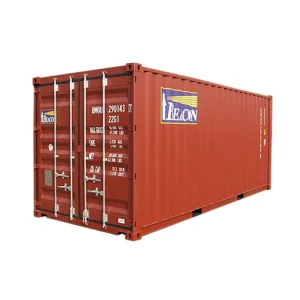
ODM 40ft New Certified Dry Shipping Container Pricelist
View Specifications →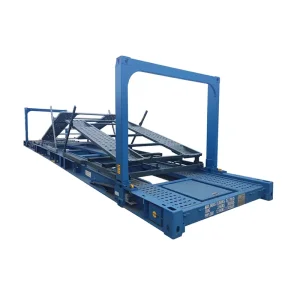
China New 20ft Car Carrier Container Special Container Quotes
View Specifications →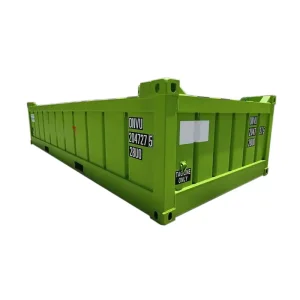
ODM New DNV Certification Offshore Half-Height Open Top Container
View Specifications →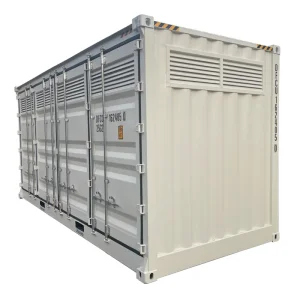
Famous 20FT High-cube Dangerous Goods Container Side Open Door
View Specifications →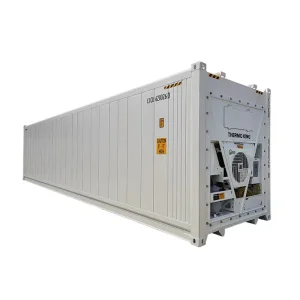
OEM New 40ft High-Cube Certified Reefer Shipping Cargo Container
View Specifications →Why China Leads Dangerous Cargo Container Engineering & Global Sourcing
Transporting hazardous materials across oceanic, rail, and highway routes is subject to the world's most demanding safety codifications, led by the International Maritime Dangerous Goods (IMDG) Code, the ADR/RID regulations, and rigorous classification body rules like Bureau Veritas (BV), DNV, and Lloyd's Register. As global supply chains migrate toward higher-density energy storage logistics, specialized precursor chemical transport, and volatile agrochemical movements, procuring dangerous cargo containers directly from tier-one Chinese manufacturers provides distinct structural and metallurgical advantages.
1. Upstream Metallurgical Precision & Superior Metallurgy
Chinese container manufacturing leverages immediate access to specialized domestic steel mills producing premium atmospheric corrosion-resistant steel (SPA-H / Corten-A). For dangerous cargo applications, these alloys are treated with customized anti-static, flame-retardant, and acid-resistant fluorocarbon epoxy linings. Every weld seam undergoing automated submerged arc welding (SAW) and robotic metal active gas (MAG) welding is subject to Non-Destructive Testing (NDT) via radiographic and ultrasonic inspections, ensuring zero leakage of noxious vapours or combustible residues under severe thermal fluctuations.
2. Engineered Secondary Containment & Spill Prevention Infrastructure
Unlike standard dry storage units, dangerous goods containers require internal bunding systems capable of retaining at least 110% of the largest vessel's liquid volume, or 25% of the total freight payload capacity. Our manufacturing hubs in Tianjin and Suzhou integrate heavy-duty galvanised steel grates, leak-detection sensor channels, and acid-proof containment drainage valves. This eliminates contaminated runoff during multi-modal crane transfers, shipboard listing, and road emergency brakes.
3. Intrinsically Safe Forced Ventilation & Active Pressure Equalization
Hazardous volatile organic compounds (VOCs), flammable gas releases (Class 2.1), and lithium-ion off-gassing demand sophisticated airflow management. Our dedicated engineering departments design both natural cross-flow labyrinth vents and motorized explosion-proof forced-extraction systems certified to ATEX Zone 1/Zone 2 parameters, mitigating runaway LEL (Lower Explosive Limit) build-ups inside the envelope.
Integrated Supply Ecosystem
Direct colocation with high-grade steel foundries, automated powder coating bays, and valve manufacturers reduces lead times by 35% compared to Western counterparts.
Global Multi-Agency Approvals
Factory-certified compliance covering BV, CCS, DNV, ABS, and ISO 1496/CSC type certification, allowing immediate customs and maritime clearance worldwide.
Strategic Coastal Proximity
Fabrication facilities situated approximately 100 km from major deepwater container ports in Tianjin and Shanghai, drastically lowering inland haulage emissions and costs.
Custom OEM/ODM Engineering
Full 3D FEA stress simulations, thermal equilibrium modeling, and custom internal rack installations designed explicitly for your cargo profile.
Evolving Trends in Hazardous Materials Logistics
How international chemical transport, energy transitions, and smart IoT telemetry are reshaping dangerous cargo container specifications.
Lithium-Ion Battery Logistics (Class 9)
The global EV boom requires dangerous cargo units engineered with active aerosol fire suppression systems, thermal insulation fire blankets, and automated hydrogen-gas venting to contain potential thermal runaway during transoceanic shipping.
Smart Hazmat Telematics & IoT
Next-gen containers feature satellite and 5G ATEX-certified sensors tracking internal ambient humidity, VOC vapour concentration, pressure differential spikes, and geofenced shock anomalies in real time across the deep sea.
Specialty Chemicals & ISO Tank Convergence
The boundary between dry boxes and tank containers is blurring with the development of combined chemical units that incorporate interior baffled flexible liners and dual-fuel heating jackets to stabilize temperature-sensitive precursors.
Industrial Applications & Real-World Deployments
Engineered to perform in high-risk zones, offshore drilling sites, mining camps, and cross-border rail links.
Offshore Oil & Gas Rigs
DNV 2.7-1 / EN 12079 certified offshore containers equipped with heavy-duty lifting slings, padeyes, and spark-free brass internal latches for harsh North Sea or Gulf marine environments.
Pharmaceutical Precursors
Cryogenic and ultra-precise reefer containers holding unstable reagents at constant temperatures between -30°C and +20°C with redundant Daikin, Carrier, or Thermo King machinery.
Mining Reagent Distribution
Reinforced half-height open top containers and chemical-resistant enclosures engineered for cyanide briquettes, acids, and blasting chemicals transported across rugged interior road networks.
Eurasian Cross-Border Rail
Intermodal designs compliant with UIC and OSJD regulations, tolerating extreme Siberian cold (-40°C) with low-temperature impact-tested steel structural members.
What Enterprise Procurement Teams Evaluate in Hazmat Containers
Global supply chain directors, fleet managers, and logistics EPC contractors face immense liability when commissioning hazardous cargo hardware. Sourcing decisions go well beyond basic dimensional metrics (20GP, 40HC) to incorporate life-cycle durability, environmental compliance, and legal liability protections.
Documented Metallurgical Traceability
Procurement auditors require Mill Test Certificates (MTC) according to EN 10204 Type 3.1 or 3.2 for all structural steel beams, corner castings, and critical load-bearing weld filler materials.
Floor System Chemical Inertness
Standard marine plywood fails rapidly when exposed to aggressive solvents. Enterprise buyers demand chequered steel floor plates, non-sparking aluminium T-flooring, or chemical-resistant polyurethane elastomer overlays.
Multi-Point Locking & Safety Escape
Hazmat storage enclosures frequently mandate internal emergency escape push-pads, ensuring operators accidentally closed inside the unit can exit instantaneously without external latch keys.
Specialized Modular, Tank & Offshore Transport Solutions
Expanding your fleet capabilities with versatile ISO tanks, offshore platforms, refrigerated logistics, and modular industrial cabins.
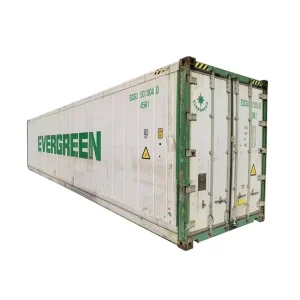
Buy Used 40ft HC Shipping Reefer Container Manufacturers, Exporters
View Specifications →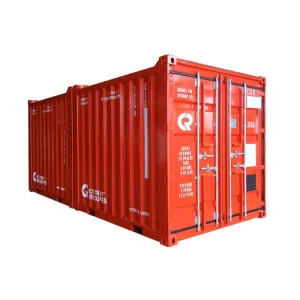
Buy New DNV Certification Offshore Dry Cargo Container Factory
View Specifications →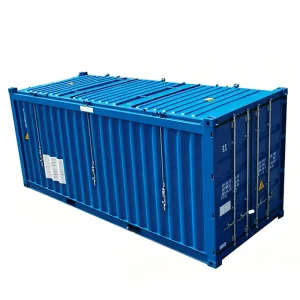
China 20ft New Hard Open Top Shipping Container Manufacturer
View Specifications →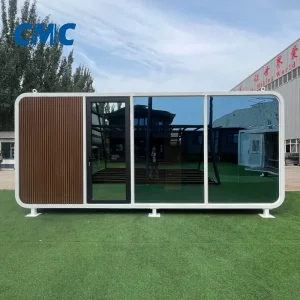
Famous 20ft Prefab Container House Flat Pack Modular House Office
View Specifications →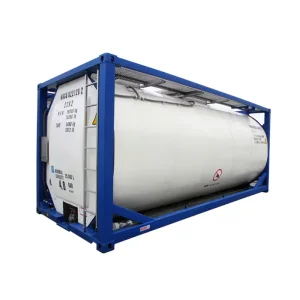
Buy ISO Standard 20ft Versatile Tank Container for Transport Chemicals
View Specifications →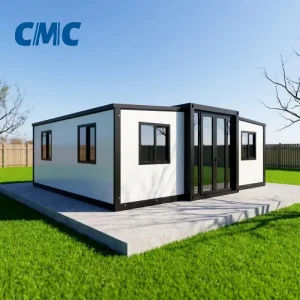
OEM 20ft Modular Container Houses Expandable Steel Container House
View Specifications →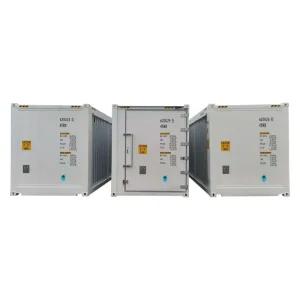
China OEM 40ft High-Cube Customized Three-in-One Combination Reefer
View Specifications →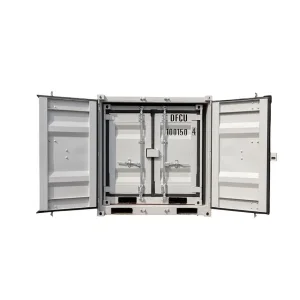
High-Quality Durable Cargo Shipping Container Mini Storage Nested
View Specifications →Frequently Asked Questions: Dangerous Cargo Containers
Direct engineering and commercial answers to streamline your hazmat container procurement process.
What international certifications accompany dangerous cargo containers built in China?
Our dangerous cargo and chemical containers are fully surveyed and certified by leading IACS classification societies including Bureau Veritas (BV), DNV, Lloyd's Register (LR), or China Classification Society (CCS). Units comply strictly with the International Convention for Safe Containers (CSC), IMDG Code for maritime freight, ISO 1496/1 for cargo container series, and ADR/RID standards for European highway and railway networks.
How does secondary spill containment function inside these specialized containers?
Our units feature fully welded, liquid-tight bunded catch-basins situated underneath removable galvanised or FRP grating. The bund capacity is tailored to retain at least 110% of the single largest storage vessel or 25% of the overall volumetric capacity. Integrated bottom drain ports with anti-corrosion stainless steel ball valves allow safe sampling, neutralisation, and vacuum extraction without environmental contamination.
Can hazardous materials containers include climate and explosion-proof control?
Yes. For Class 3 flammable liquids, Class 4 volatile solids, or Class 9 battery logistics, we integrate certified ATEX/IECEx explosion-proof electrical fittings, non-sparking ventilation fans, and intrinsically safe thermocouple sensors. Refrigeration modules engineered with Thermo King, Daikin, or Carrier units can be modified for positive pressure air purging and anti-spark isolation.
What are the lead times and logistical arrangements from your Tianjin & Suzhou factories?
Standard ISO-dimension containers and stocked configurations are available within 2 to 3 weeks. Custom OEM/ODM designs requiring bespoke structural drawings, FEA calculations, and third-party prototype testing typically take 4 to 6 weeks. Our factory bases are situated approximately 100 km from major seaports, guaranteeing rapid terminal loading onto deepsea container lines serving Europe, the Americas, Africa, and Australasia.
What is the minimum order quantity (MOQ) for custom-engineered dangerous cargo containers?
We support both pilot project procurement (MOQ starting at 1 unit for complex offshore or multi-compartment dangerous goods units) and high-volume fleet renewals (10 to 100+ TEUs). Each build receives complete structural approval drawings, paint inspection reports, and CSC safety approvals prior to release.