High-Performance Intermodal Shipping & Refrigeration Units
Engineered to withstand rigorous maritime voyages, extreme inland transport fluctuations, and mission-critical stationary cold-storage parameters.
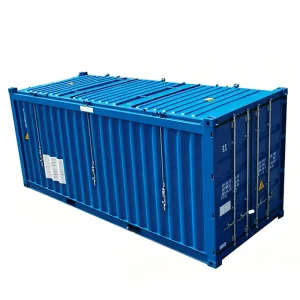
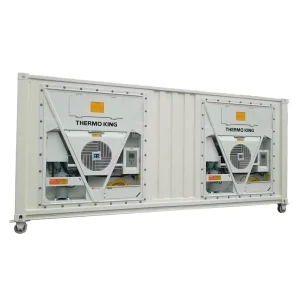
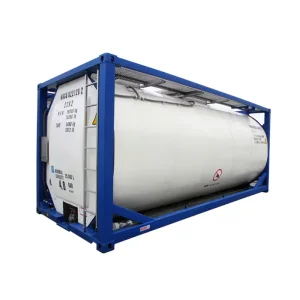
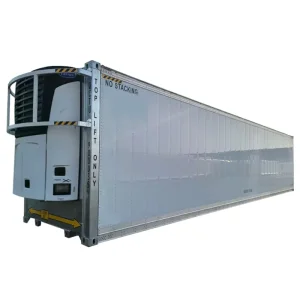
Engineering Classification of Famous Reefer Container Types
Modern refrigerated shipping units operate far beyond passive thermal boxes. Below is an engineering review of the seven primary structural and mechanical reefer types dominating international supply chains.
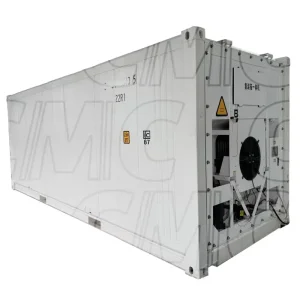
1. Standard ISO & High-Cube (20RF / 40RH)
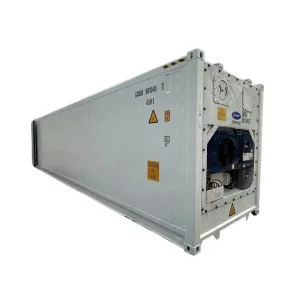
The global backbone for temperature-controlled freight. Engineered with Corten steel outer skeletons, cyclopenthane-blown polyurethane foam insulation cores, and internal food-grade SS304 or aluminum lining with extruded T-bar floor ventilation profiles.
- Thermal Conductivity: Overall heat leakage U-factor ≤ 0.36 W/(m²·K).
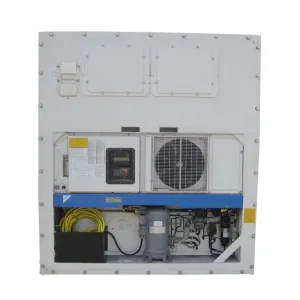
- Refrigeration Units: Carrier PrimeLINE, Daikin LXE/Zestia, Thermo King Magnum Plus.
- Operating Spectrum: Precise setpoints from -30°C to +30°C with ±0.25°C stability.
2. Deep-Freeze & Ultra-Low Superfreezers
Specifically developed for high-value marine proteins like sashimi-grade bluefin tuna and specialized medical plasma. Utilizing cascaded secondary refrigeration stages and high-density microcellular insulating matrices.
- Temperature Floor: Reliable sustained cold retention down to -60°C (-76°F).
- Compressor Architecture: Dual-stage semi-hermetic scroll compressors with specialized synthetics.
- Vacuum Breakers: Heated dynamic pressure-equalization safety valves against vacuum lock.
3. Controlled Atmosphere (CA) Reefer Systems
Crucial for cross-ocean horticultural transport (e.g., avocados, bananas, stone fruits). Integrates nitrogen generators, CO2 scrubbers, and micro-sensors to chemically arrest fruit respiration during long transit cycles.
- Atmospheric Scrubbing: O2 depleted to 2%-5%, CO2 accurately maintained ≤ 3%-5%.
- Membrane Separators: Semi-permeable hollow-fiber polymers extract ambient O2 dynamically.
- Shelf-Life Extension: Extends product viability at destination by up to 250% over standard cooling.
4. Rapid Blast Freezers & Chilling Units
Designed for rapid pull-down cycles directly at harvesting or post-slaughtering hubs. Outfitted with high-CFM evaporator fans producing violent airflow speeds exceeding 8 m/s across the payload to eliminate microbial degradation.
- Pull-Down Speed: Drops warm 25-tonne core product down to -18°C in under 12 hours.
- Power Footprint: 380V/460V 3-phase high-amp dual compressor configurations.
- Structure: Heavily reinforced anti-slip diamond-plate aluminum or heavy SS316 welded pans.
5. Multi-Temperature & Dual-Zone Containers
Equipped with internal movable insulated thermal bulkheads (movable partition walls) with secondary fan-assisted evaporator coils, allowing independent thermal zones in one single container envelope.
- Zone Flex: Simultaneous frozen zone (-20°C) and chilled dairy zone (+4°C).
- Logistics Efficiency: Minimizes LCL overheads in consolidated regional distribution.
- Thermal Ingress: Dual-contact EPDM gaskets preventing cross-compartment thermodynamic transfer.
6. Hybrid Solar & Off-Grid DC Inverter Units
Created for decentralized agricultural nodes and remote regions vulnerable to unstable power grids. Incorporates high-efficiency monocrystalline solar arrays mounted on roof canopies linked to LFP battery storage banks.
- Inverter Architecture: Variable-speed DC inverter scrolls reducing starting surge current by 70%.
- Autonomous Autonomy: 24-48 hours off-grid cold chain continuity during severe blackouts.
- Zero Direct Emissions: Direct solar conversion reduces generator diesel run-times.
Famous Reefer Container Pricelist & Economic Cost Drivers
Reefer container valuation hinges on refrigeration machinery brands, insulation chemistry, factory testing certifications, and metallurgical specs. The following matrix illustrates current baseline indicative quotes (FOB China Port).
| Container Model & Spec | Refrigeration Unit Specs | Temperature Operating Envelope | New Unit FOB Est. (USD) | Certified Used/Refurbished |
|---|---|---|---|---|
| 20ft Standard ISO Reefer (20RF) Corten, SS304/Muffler floor, 28.3 m³ |
Carrier PrimeLINE / Daikin LXE | -30°C to +30°C (±0.25°C) | $11,800 - $14,500 | $4,800 - $6,500 (Cargo Worthy) |
| 40ft High-Cube Reefer (40RH) High-cube, 67.6 m³, 34,000 kg MGW |
Thermo King Magnum+ / Carrier ThinLINE | -35°C to +30°C | $16,500 - $21,000 | $6,900 - $9,800 (PTI Pre-inspected) |
| 40ft Deep-Freeze Superfreezer Thickened vacuum polyurethane panels |
Thermo King SuperFreezer (Cascaded) | Down to -60°C (-76°F) | $34,000 - $43,000 | $17,000 - $22,000 (Tested) |
| 40ft Controlled Atmosphere (CA) Integrated N2 Membrane & O2/CO2 sensors |
Carrier EverFRESH / Daikin Active CA | -25°C to +25°C with Gas Control | $23,500 - $29,000 | $11,500 - $15,200 |
| 40ft Three-in-One Combination Unit Modular cold room storage conversion |
Integrated Heavy Cooling Pack | -20°C to +10°C Multi-Chamber | $18,500 - $26,000 | Project Customization Built |
| 20ft/40ft Solar Hybrid Reefer Roof-mount PV cells + LFP Battery pack |
DC Inverter Unit 220V/380V Hybrid | -18°C to +15°C Autonomous | $22,000 - $31,500 | Engineered to Order |
Macro-Industry Evolution: The Next Decade in Reefer Logistics
Procurement directors and cold chain managers face regulatory crackdowns, volatile bunker fuel costs, and stringent pharma GDP standards. Several pivotal engineering transformations dictate the modern asset allocation landscape:
Refrigerant Decarbonization (F-Gas & Low-GWP)
Global protocols such as the Kigali Amendment to the Montreal Protocol are forcing the phase-down of high-GWP refrigerants like R-404A. Global supply leaders are swiftly transitioning toward R-513A (GWP ~573, a 56% reduction) and next-generation R-744 (Natural Carbon Dioxide CO2 Transcritical) systems, ensuring zero ozone depletion and non-flammable operation.
Edge IoT & Real-Time Telematics Integration
Modern fleets are mandated to operate self-diagnostic, continuous cloud-transmitting IoT units. Utilizing cellular and satellite mesh networks, sensors record cargo temperature, humidity, CO2/O2 levels, power draws, and compressor vibration frequencies every 15 minutes, allowing cargo owners to defend insurance claims and verify USDA cold treatments automatically.
Pharma-Grade Good Distribution Practice (GDP)
Biologics, vaccines, and active pharmaceutical ingredients (APIs) require strict non-excursion compliance within narrow thresholds (+2°C to +8°C or -20°C). Reefer structures destined for pharma require documented thermal mapping protocols, redundancy backup power linkages, and calibrated PT100 temperature sensor arrays.
Macro-Level Logistics Solutions & Intermodal Integration
Deploying refrigerated shipping containers effectively requires engineering cohesion across maritime, rail, highway, and static buffer infrastructure without cold-chain severance.
Port-to-Rail Intermodal Corridors
Long-distance rail freight across North America, Eurasia, and Australia exposes equipment to severe vibration, shock impacts (3G longitudinal), and long periods without shore-power. We configure clip-on diesel generator sets (gensets) with 450-liter fuel tanks guaranteeing 120+ hours of continuous runtime, coupled with heavy-duty structural corner castings engineered per ISO 1161.
Modular Cold Storage Buffer Parks
Fixed cold-storage warehouses require millions in upfront capital, planning permits, and years of civil construction. Multi-unit reefer container arrays provide modular, plug-and-play cold storage yards. Configured with raised ramps, customized side doors, and LED internal lighting, enterprises scale cold storage capacity up or down dynamically as harvest seasons demand.
In-Transit Cold Treatment (ITCT / USDA)
International phytosanitary protocols require complete fruit-fly eradication without chemical fumigation. Our units support multi-point calibrate-able pulp temperature probes (USDA protocol). Microprocessors record continuous core fruit pulp temps at ≤ 1.1°C for 14-22 consecutive days, generating cryptographically unalterable certification reports directly for port authorities.
Engineering Compliance, International Standards & Local Support
A shipping container failure in international waters results in total cargo loss. That is why our manufacturing and refurbishment procedures undergo rigorous compliance protocols before any unit leaves our facilities.
Classification Society Certifications
Every new-build container is certified by internationally recognized classification societies such as Bureau Veritas (BV), Lloyd's Register (LR), or DNV. Standard certification documents include the CSC Safety Approval Plate, TIR approval for customs security, and ATO classification verifying compliance with international railway standards.
ATP Agreement (Perishable Foodstuffs)
Mandatory for European road and rail cold chains, our insulated structures are tested to meet the ATP FRC class (Heavily Insulated Mechanically Refrigerated Appliance). To retain ATP status, thermal walls demonstrate an overall heat transmission coefficient (K-value) below 0.40 W/(m²·K), verified through strict calorimeter test cell validation.
Pre-Trip Inspection (PTI) & Warranty
Every unit—whether a newly engineered build or a certified used unit—undergoes an exhaustive automated PTI test. The machinery cycles through chill mode, defrost, probe calibration, and compressor load limits over a 4-hour cycle. New containers are covered by comprehensive warranties on the chassis and refrigeration machinery.
Technology Roadmap & 2030 Cold Chain Outlook
Continuous innovation in material science and thermodynamic cycling is redefining thermal containment. Here is our engineering roadmap for forthcoming refrigerated container iterations.
Vacuum Insulation Panels (VIP)
Integrating ultra-thin silica-aerogel and vacuum panels into conventional polyurethane foaming, slimming container wall thickness by 35% while slashing thermal conductivity to U ≤ 0.28 W/(m²·K), liberating valuable interior cubic payload.
CO2 (R-744) Transcritical Scale
Expanding the adoption of high-pressure transcritical CO2 systems across deep-sea and rail routes. Delivering zero ozone depletion and an absolute Global Warming Potential (GWP) of 1, effectively future-proofing against worldwide environmental taxation.
AI-Driven Predictive Defrost
Replacing traditional timer or differential pressure defrost mechanisms with machine learning algorithms that calculate ice accumulation rates based on ambient maritime humidity, fan motor slip, and payload respiration, saving up to 18% in power consumption.
Micro-Grid Battery Sync
Developing internal high-safety LFP floor-embedded battery systems capable of syncing with port smart grids, storing kinetic energy during port crane lifting, and supplying auxiliary power to maintain stable cooling during vessel-to-truck container transfers.
Frequently Asked Technical Questions (FAQ)
Direct answers for logistics directors, procurement engineers, and port operations managers.
What is the standard electrical power requirement for ISO reefer containers?
Standard marine reefer containers require a 380V/460V 3-phase AC power source operating at 50/60 Hz, drawing approximately 15 to 25 amps under full pull-down load. Dual-voltage transformers (dual-winding transformers) are available to convert 190V/230V 3-phase down to the required operating voltage when operating in regions with domestic or non-maritime power supplies.
What is the true difference between a Carrier, Thermo King, and Daikin unit?
Carrier Transicold (e.g., PrimeLINE) is celebrated for its energy efficiency, global parts availability in over 150 countries, and durable hermetic digital scroll compressors. Thermo King (e.g., Magnum Plus) excels in ultra-low deep-freeze capabilities down to -35°C/-40°C with rapid defrost cycling. Daikin (e.g., Zestia) is known for precise inverter scroll temperature control and lower energy usage on long perishable trade lanes.
Why does a 40ft High Cube reefer have less internal volume than a 40ft dry container?
A standard 40ft dry container provides approximately 67 to 76 m³ of internal volume. A 40ft High Cube reefer provides approximately 67.6 m³ because the walls are packed with 50-75mm of high-density cyclopenthane polyurethane foam insulation, the front bulkhead houses the 400mm-deep refrigeration machine, and the floor features 50mm-tall aluminum T-bars required for airflow circulation.
How does floor ventilation affect cargo stowage and temperature distribution?
Reefer containers employ a bottom-air delivery scheme. Conditioned cold air is blown forward beneath the cargo through the extruded aluminum T-bar floor channels, rising vertically through the pallets and packaging venting holes before returning to the top evaporator intake. Cargo must never be stowed past the red load-line or past the end of the T-floor, or short-circuiting of the airflow will induce hotspots and spoil the freight.
Heavy-Duty ISO, Offshore, Tank & Storage Solutions
Explore our extended line of specialized intermodal assets, liquid chemical tank containers, dry freight modules, and offshore rated units engineered to global safety codes.