High-Quality Bulk Cargo Container Products & Manufacturers
Comprehensive engineering insights, ISO & DNV regulatory standards, and scalable multimodal solutions for global procurement directors.
Featured Multimodal Shipping & Cargo Equipment
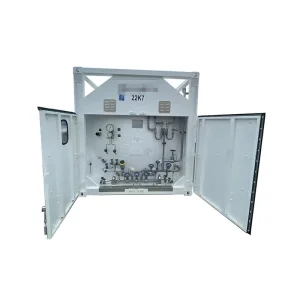
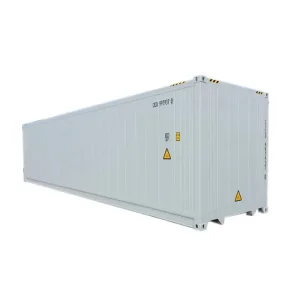
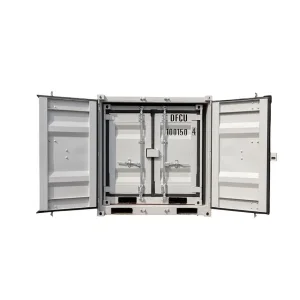
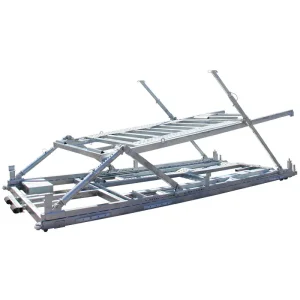
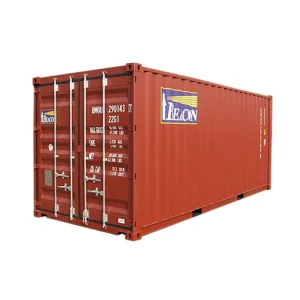
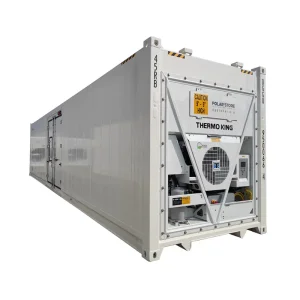
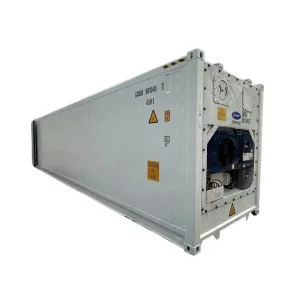
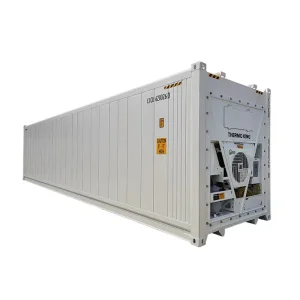
Factory-direct intermodal containers engineered to BV, ISO, and DNV maritime specifications. Select an asset profile below to review full technical parameters and quote matrices.
Global Landscape of Bulk Cargo Containerization
The transition from break-bulk maritime transit to containerized dry and liquid bulk freight represents a transformative shift in global supply chains, slashing terminal turnaround times and cargo attrition rates.
Multimodal Market Pressures
High volatility in break-bulk vessel availability has driven mining, agriculture, and chemical conglomerates toward containerized intermodal equipment. Using standardized 20ft and 40ft units enables cargo owners to bypass specialized bulk terminals, mitigating port congestion and securing stable rail-to-ocean slots.
Corten Steel Structural Longevity
Extreme corrosive exposure during maritime voyages demands Corten-A weathering steel. High-density bulk freight (such as mineral concentrates and heavy ores) requires reinforced base frames, high-yield floor crossmembers, and robust corner posts capable of withstanding dynamic racking stress up to 34,000 kg.
Zero-Loss Contamination Barriers
Industrial food grade chemicals, petrochemical polymers, and specialty grains cannot tolerate moisture or airborne contaminants. Contemporary bulk containers combine advanced co-polymer inner liners, precision pressure valves, and inert inner coatings to eliminate product spillage and oxidation during transcontinental transit.
Comprehensive Turnkey Solutions for Heavy Industry
Standard shipping containers often fail when exposed to concentrated weight and corrosive dry-bulk loads. Our engineering division creates specialized, structurally validated equipment profiles tailored to individual sector requirements.
Mining & Mineral Concentrates
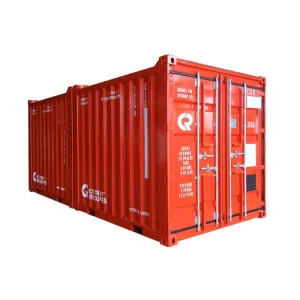
Customized half-height open-top units with high-strength floor reinforcements, engineered for abrasive ores, copper concentrate, and bauxite. Fitted with self-locking hard lids or reinforced PVC covers to preserve tare-to-payload ratios.
Agri-Bulk & Organic Grains
Ventilated and thermally insulated dry containers designed to prevent condensation, insect infestation, and mould growth during equatorial transits of coffee beans, bulk grains, cocoa, and animal feed products.
Chemical Polymers & Resins
Fitted with discharge hatchets, pneumatic loading manifolds, and flexitank compatibility. These bulk units minimize physical handling for virgin petrochemical plastic resins and non-hazardous chemicals.
Offshore Platform Infrastructure
Built strictly in compliance with DNV 2.7-1 / EN 12079 standards. These containers handle offshore cranes, heavy mechanical impacts, and sub-zero Arctic temperatures without brittle failure.
Localized Support, Class Certification & Legal Compliance
Navigating global maritime regulations requires strict documentation, traceable metallurgical records, and international classification society approvals.
CSC & Class Approvals
Every batch receives Bureau Veritas (BV), ABS, or CCS CSC Safety Approval Plates. Containers are certified under the International Convention for Safe Containers, ensuring immediate intermodal interchangeability with global rail networks and international ocean carriers.
Customs & Tariff Clearance
Our export logistics headquarters in Tianjin pilot free-trade zones (FTA) prepares complete export declarations, EUR.1 movement certificates, Form A/E preferential origin documentation, and third-party NDT (non-destructive testing) certificates to ensure frictionless entry across European, African, and American seaports.
Global Depot Inventory Network
Beyond manufacturing custom assets, we maintain ready stock of inspected, cargo-worthy used and refurbished dry and refrigerated units strategically located at major Chinese transport hubs (Tianjin, Qingdao, Shanghai, Ningbo), enabling immediate deployment for urgent transport requirements.
Operational Deployment Scenarios
From intercontinental dry shipping to modular housing conversions, examine how engineering decisions solve real logistics and construction challenges.
Transcontinental Rail-to-Sea
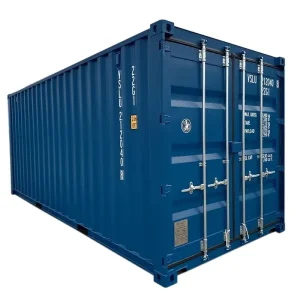
Deployed along the Eurasian Land Bridge and North American transcontinental corridors, our 40ft High Cube containers withstand lateral and longitudinal shunting shock waves up to 2G, protecting heavy machinery, autoparts, and dry bulk without structural deformation.
Active Cold Chain Storage
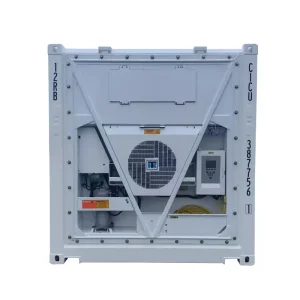
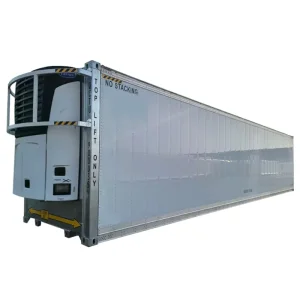
Integrating Thermo King, Daikin, and Carrier cooling machines with closed-cell polyurethane walls. Serving cold chain operations across Africa and South America for perishable produce, pharmaceutical goods, and seafood with temperature stability down to -35°C.
Modular Architecture & Pods
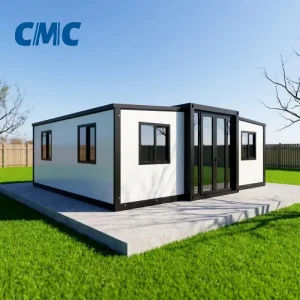
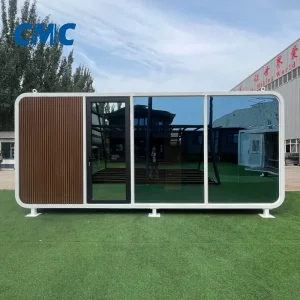
Structural Corten ISO frames modified into expandable living units, modern apple cabins, and mobile site offices. Reinforced roof spans, fireproof rockwool wall insulation, and pre-integrated electrical circuits reduce on-site build times by up to 75%.
Technology Roadmap: The Future of Smart Bulk Transport
Container engineering is shifting from passive steel boxes toward intelligent, automated, and sustainable logistics assets that communicate directly with enterprise resource platforms.
IoT Sensor Integration
Real-time satellite GPS tracking, door-opening telemetry, internal temperature monitoring, and structural load balance alerts built into the corner posts of smart containers.
Eco-Composite Materials
Next-generation lightweight composite floorings replacing traditional tropical hardwood plywood, delivering 15% lower tare weight while fully resisting chemical absorption.
Automated Pneumatic Discharge
Integrated fluidizing bottom aerators and rapid discharge gates designed to speed dry powder unloading down to 18 minutes without requiring container tipping chassis.
Net-Zero Carbon Production
Zero-emission robotic plasma cutting, waterborne polyurethane painting systems, and circular steel manufacturing reducing the embedded lifecycle carbon footprint of each container by 45%.
Frequently Asked Questions for Sourcing Directors
Detailed answers to technical, commercial, and operational questions regarding international bulk container manufacturing and logistics.
What structural steel grade is used in your bulk cargo containers?
What is the difference between standard dry units and bulk containers?
Which third-party certifications accompany our shipments?
Can CIMIC fulfill custom ODM/OEM dimensions and door placements?
What cooling machinery is available for insulated and reefer containers?
How does proximity to Tianjin port affect delivery lead times?
Specialized Tank, Insulation & Intermodal Hardware
Explore specialized container variants including cryogenic liquid ISO tanks, vehicle transport racks, reinforced offshore boxes, and nested storage containers.