Engineered Intermodal Shipping Units & Technical Assets
Factory-certified standard and specialized container units engineered under rigorous Bureau Veritas (BV), ISO 1496-1, and DNV 2.7-1 specifications for immediate multimodal deployment.
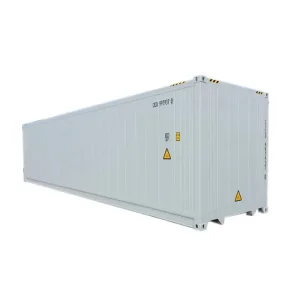
Buy New 40ft High Cube Thickened Foam Insulation Container Factory, Exporters
Request Quote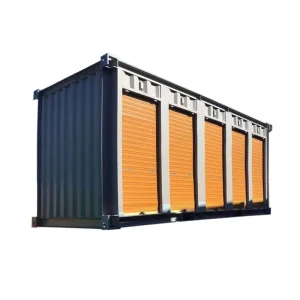
OEM New 20ft Storage Roll-Up Door Dry Cargo Container Pricelist, Product
Request Quote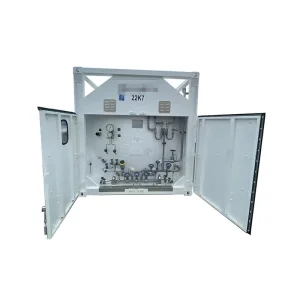
Famous T75 20ft Cryogenic Liquid Tank Container Products, Exporters
Request Quote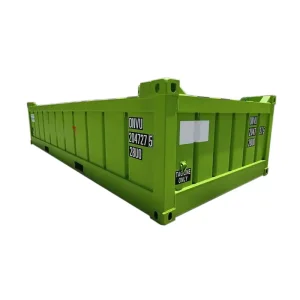
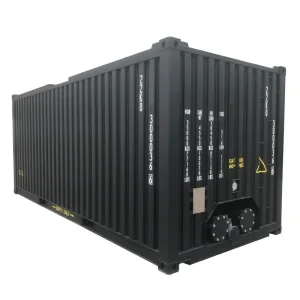
ODM New DNV Certification Offshore Half-Height Open Top Container Products, Exporters
Request Quote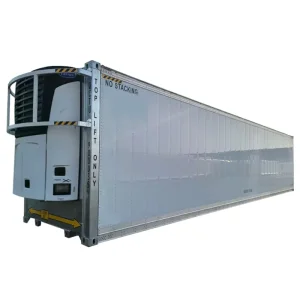
China Carrier X4-7300 Refrigeration and Electricity Integrated Container Exporter, Products
Request Quote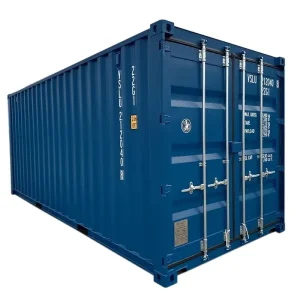
Buy New 20ft Double Door Dry Cargo Shipping Container Products, Manufacturers
Request Quote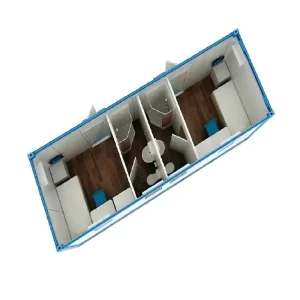
Famous 20ft 40ft Standard Size Accommodation Modular House Container Exporter, Products
Request Quote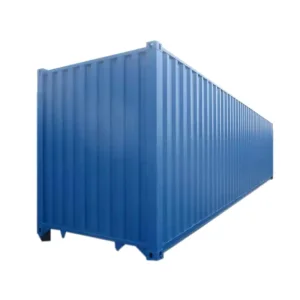
China 40ft High Cube Certified Dry Cargo Shipping Container contaoner Factory, Product
Request QuoteMacro-Industry Dynamics & Global Supply Chain Solutions
Containerized freight serves as the foundational circulatory mechanism of modern global trade. Understanding macroeconomic pressures, structural shifts, and intermodal connectivity enables supply chain directors to mitigate operational risks and secure capital assets with quantifiable residual value.
Intermodal Port-to-Rail Corridors
The contemporary shipping environment demands direct transferability across maritime cellular vessels, double-stack railway flatcars, and tri-axle highway container chassis without de-vanning cargo.
- Standardized ISO twistlocks matching ISO 1161 corner casting criteria.
- Optimized floor longitudinal girder deflection to endure cyclic shunting shocks.
- Elimination of intermediate handling costs, slashing transshipment transit losses by 42%.
Cold-Chain Integrity & Perishables
Pharmaceutical bio-consignments, vaccines, premium horticultural exports, and frozen proteins necessitate unbroken thermal profiles across transcontinental maritime legs.
- Carrier Transicold, Thermo King, and Daikin micro-scroll compressor integration.
- Closed-cell polyisocyanurate (PIR) foaming densities exceeding 40-45 kg/m³.
- Aerodynamic bottom-air delivery T-bar flooring with non-turbulent fluid returns.
Specialty Chemical & Cryogenic Gas
Bulk transport of hazardous petrochemicals, LNG, liquid argon, nitrogen, and asphalt requires specialized pressure containment vessels that exceed ordinary dry box boundaries.
- UN Portable T75 cryogenic multi-layer vacuum insulated tanks.
- Heated thermal-oil and electrical heating coils for viscous bitumen handling.
- ASME Section VIII, RID/ADR, and IMDG Class 2/3 transport certification.
Global Commercial Status, Manufacturing Footprint & Trade Fleet Balances
Strategic hardware procurement requires an unvarnished analysis of raw material supply, metallurgical specifications, containerized inventory turnover, and maritime carrier fleet investment cycles.
Corten-A Metallurgy & Steel Geopolitics
Modern intermodal container lifespan depends almost entirely on the metallurgical chemistry of structural steel. Standard hot-rolled carbon steel deteriorates rapidly in oceanic marine boundary layers. High-grade container construction mandates Corten-A (JIS G3125 SPA-H equivalent), an alloy containing calculated amounts of copper, chromium, and nickel. When exposed to maritime humidity, this alloy forms a stable, adherent oxide patina that passivates the core metal against aggressive chloride corrosion.
Port Imbalances & Empty Repositioning
Global supply chains frequently grapple with asymmetric trade vectors. High consumption regions like North America and Europe import massive container volumes from Asia-Pacific manufacturing hubs, generating systemic empty container accumulation at destination ports. Smart fleet operators and multinational exporters counter these inefficiencies by acquiring specialized units (such as side-open, roll-up, and modular convertible boxes) that can capture lucrative backhaul dry freight or easily transition into on-site localized storage.
Decarbonization & Circular Fleet Economics
Environmental scrutiny from the International Maritime Organization (IMO) and Corporate Sustainability Reporting Directives (CSRD) has accelerated the demand for zero-emissions reefer equipment, low Global Warming Potential (GWP) refrigerants (e.g., R-1234yf and R-744 CO2 systems), and end-of-life upcycling. Decommissioned shipping units are repurposed into modular architectural infrastructure, field data hubs, and remote substations, establishing a true circular lifecycle.
| Equipment Category | Primary ISO / Global Standard | Structural Metallurgy / Lining | Thermal / Mechanical Threshold | Operational Fleet Application |
|---|---|---|---|---|
| 40ft High-Cube Dry (40HC) | ISO 1496-1 / CSC | SPA-H Corten Steel / 28mm Apitong Flooring | Payload: 28,600 kg / Volume: 76.3 m³ | High-volume consumer goods, dry bulk cargo, palletized machinery. |
| 40ft HC Reefer Freezer | ISO 1496-2 / ATP | MGSS Exterior, HGSS Interior / PIR Foam | Temp Range: -35°C to +30°C (±0.25°C) | Seafood, butchered hanging meats, pharmaceuticals, high-value agro-exports. |
| T75 Cryogenic ISO Tank | ASME VIII / ADR / IMDG | Austenitic Stainless Steel (304/316L) | High-vacuum multilayer insulation (-196°C) | Industrial liquefied gases (LNG, LOX, LIN, LAr) with zero venting. |
| DNV Offshore Half-Height | DNV 2.7-1 / EN 12079 | Charpy V-Notch ≥ 27J at -20°C Impact Steel | Dynamic offshore impact slings & pad eyes | Subsea drill tooling, mineral exploration, offshore rig replenishment. |
| 20ft Heated Asphalt Unit | ISO 1496-3 / RID | Boiler-plate carbon steel + heating coils | Maintains bitumens liquid at +180°C to +220°C | Infrastructure road works, tar sealants, heavy fuel oil transit. |
Regulatory Compliance, Classification Testing & Quality Assurances
A shipping container is a legally certified pressure, structural, and security vessel. Operating across multi-jurisdictional boundaries necessitates uncompromised compliance with global maritime societies and statutory testing mandates.
CSC Certification Plates
Every container leaving our facilities carries a validated International Convention for Safe Containers (CSC) safety approval plate. This plate certifies that the box has passed comprehensive stacking tests (up to 216,000 kg simulating 9-high fully laden shipboard stacking), transverse racking, end-wall strength, and floor deflection trials overseen by Bureau Veritas (BV) and China Classification Society (CCS).
DNV 2.7-1 / EN 12079 Offshore
Standard ISO containers are prohibited on offshore platforms due to the violent horizontal and vertical dynamic accelerations experienced during open-sea crane hoisting. Our offshore series is engineered from steel tested down to -20°C or -40°C for Charpy impact toughness, fitted with integrated structural lifting pad eyes, and paired with certified four-leg wire rope lifting slings.
TIR & Customs Security Protocols
Cross-border overland transit requires compliance with the Customs Convention on the International Transport of Goods Under Cover of TIR Carnets. Our container doors, hinges, cam keepers, and locking bar assemblies are engineered to prevent clandestine cargo access without breaking tamper-evident customs seals, ensuring friction-free clearance through international border checkpoints.
Port Proximity & Logistics Hubs
Situated within the Tianjin Free Trade Pilot Zone and Suzhou manufacturing industrial belts, our manufacturing facilities operate within 100 kilometers of the world's most sophisticated deep-water container berths. This logistical footprint lowers inland transit hauling overhead, enables immediate sea-borne vessel loading, and shortens export fulfillment cycles to global destinations.
Real-World Operational Scenarios: Custom Deployments Across Industry Verticals
Containerized hardware has evolved far beyond dry box freight handling. Discover how precision customization resolves mission-critical operational challenges in demanding environments across five continents.
Remote Mining & Dense Mineral Extractions
Heavy mineral ores, bauxite, copper concentrates, and lithium tailings impose extreme concentrated floor loads that deform standard shipping container understructures. Our specialized half-height open-top units feature heavy-duty high-tensile steel side panels, reinforced bottom corner gussets, and removable tarpaulin or hard lids, allowing overhead gantry tippers to load and rotate containers directly into smelter hoppers.
Offshore Exploration & Dynamic Marine Supply
In the North Sea, Gulf of Guinea, and South China Sea, harsh marine swells make vessel-to-rig transfers perilous. Offshore cargo baskets and closed containers certified under DNV 2.7-1 eliminate structural failure risks. Equipped with specialized sub-zero welded pad eyes, drip-proof drains, and corrosion-inhibiting epoxy marine paint systems, these units transport valves, casing tools, and drill bits without environmental contamination.
Cold-Chain Food Security & Hanging Meat Transit
Transporting fresh slaughtered beef, lamb, and pork quarters requires specialized hanging hook mechanisms capable of withstanding dynamic lateral forces without collapsing the ceiling assembly. Our customized hanging meat reefers incorporate reinforced roof purlins, heavy-duty stainless steel bi-rail or tubular meat rails, and microprocessor-monitored refrigeration that eliminates hot-spots and manages humidity to stop bacterial growth.
Modular Infrastructure & Rapid Field Habitation
Disaster relief coordinators, expeditionary mining base camps, and military deployments require rapidly erectable, structurally certified housing. Our 20ft and 40ft expandable modular container houses integrate pre-wired electrical matrices, plumbed sanitary fixtures, structural insulated panels (SIP), and foldable steel linkages, turning standard shipping dimensions into fully insulated field barracks within 60 minutes.
Direct-Access Logistics & Retail Fulfilment
Traditional end-door containers create severe bottlenecks when palletized goods must be retrieved in dense city storage depots or during multi-drop inland freight routes. Side-open door containers and high-speed commercial roller-shutter units eliminate unloading dead-time, allowing standard counterbalanced forklifts direct side-access to any pallet along the entire length of the deck.
Asphalt, Resins & Heated Fluid Cargoes
Industrial bitumen and petroleum resins solidify at ambient room temperatures, turning bulk shipping containers into locked blocks of stone if not managed properly. Our 20-foot specialized heated asphalt containers feature internal high-surface-area heating coils and integrated burner systems. Operators can reheat bitumen directly before discharge, cutting energy costs and speeding up road paving supply chains.
Container Quoting Architecture: Sourcing Realities & Cost Drivers
Receiving an accurate containerized shipping quotation requires understanding the underlying cost build-up. Transparent technical quotes separate raw steel prices, refrigeration systems, certification, and port delivery surcharges.
The Anatomy of an Export-Grade Containerized Quote
Purchasing agents often receive wild quoting variations from brokers. True direct-factory manufacturing quotations are mathematically determined by clear bill-of-materials metrics, classification testing society fees, and port dispatch positioning logistics.
1. Metallurgical Base & Paint
45% – 60% of Total Cost: Driven by hot-rolled SPA-H Corten alloy coil index pricing on the Shanghai Metal Market (SMM). Paint coatings (zinc-rich primers, intermediate epoxies, and acrylic topcoats meeting ISO 12944 C5-M extreme marine durability) directly influence life expectancy and warranty values.
2. Machinery & Insulation
Cold-Chain & Tank Variants: For refrigerated or cryogenic assets, machinery represents up to 70% of unit cost. Choice of Carrier Transicold PrimeLINE, Thermo King Magnum Plus, or Daikin LXE units, plus automated vacuum-pressure purging certificates, define real investment return.
3. Class Society & Gate Fees
Third-Party Validation: Third-party surveyor inspections by Bureau Veritas, Lloyd’s Register, or DNV add statutory certification costs. Port dispatch from our Tianjin / Suzhou staging yards to vessel slings incurs terminal handling, seal issuance, and VGM weighbridge verification fees.
Engineering Roadmap: Telemetry IoT, Advanced Materials & Decarbonization
The container industry is undergoing a high-tech revolution. Integrated digital microchips, satellite telemetry, nanotech thermal coatings, and sustainable bio-composites are transforming simple shipping containers into intelligent edge-connected logistics platforms.
Intelligent Satellite IoT Telemetry
Factory-integrated permanent LoRaWAN, 5G cellular, and satellite transceivers on container corner headers. These modules monitor internal humidity, door openings, GPS movement, and shock loads in real time, communicating autonomously during ocean voyages.
Nanopore Vacuum Insulation Panels
Replacing traditional thick polyurethane foams with high-efficiency vacuum insulation panels (VIP). These panels boost thermal resistance by 300% while cutting wall thicknesses, expanding reefer interior cubic capacity to match standard dry cargo volumes.
Ultra-High-Strength Corten Steels
Developing 700 MPa yield-strength micro-alloyed weathering steels. These materials reduce the tare weight of 40ft High Cube containers from 3,850 kg down to 3,100 kg, allowing shippers to increase revenue-generating payloads while cutting voyage carbon footprints.
Hydrogen & Ammonia ISO Fuel Pods
Designing modular cryogenic fuel containment cells fitted with autonomous boil-off gas reliquefaction systems. These units support clean bunkering infrastructure for next-generation dual-fuel container vessels and remote zero-emission fuel-cell generators.
Frequently Asked Questions: Technical Specifications & Export Protocols
Authoritative technical answers to critical questions asked by procurement directors, fleet engineers, and supply chain managers.
Specialized Logistics Units & Advanced Modular Systems
Discover our high-performance line of specialized power generators, sub-zero cold room units, heavy-duty asphalt containers, and offshore operational hardware engineered for extreme service environments.
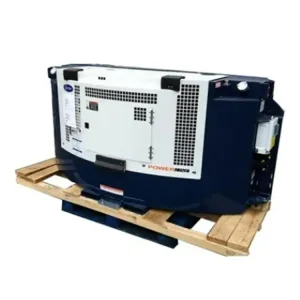
China Refrigerated container diesel generator Exporter, Quotes
Request Quote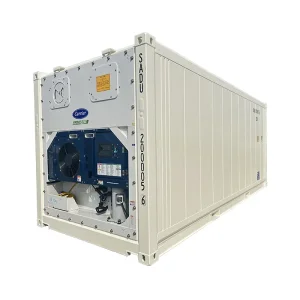
High-Quality New 40ft High Cube Carrier Refrigerator Freezer Cold Room Product, Exporters
Request Quote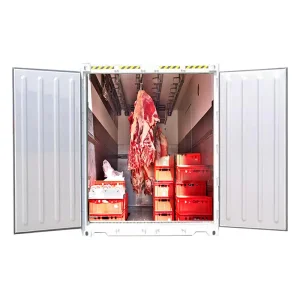
High-Quality Brand new hanging meat container for low temperature fresh transportation Pricelist, Products
Request Quote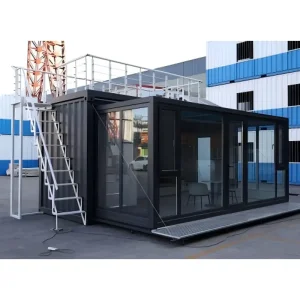
Famous 20ft Foldable Prefab Modular Homes Mobile Expandable Container House Prefabricated House with Bathroom Manufacturer, Exporters
Request Quote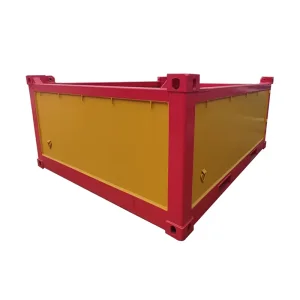
High-Quality New Offshore Basket Container for Offshore Operations Exporter, Exporters
Request Quote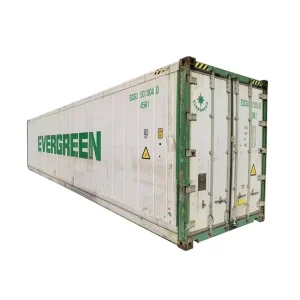
Buy Used 40ft HC Shipping Reefer Container Manufacturers, Exporters
Request Quote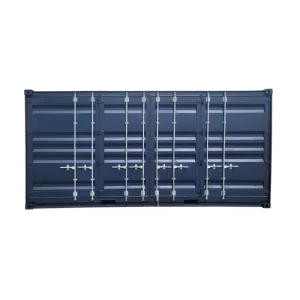
High-Quality New 20ft Customized Side Door Dry Cargo Shipping Container Factory, Product
Request Quote