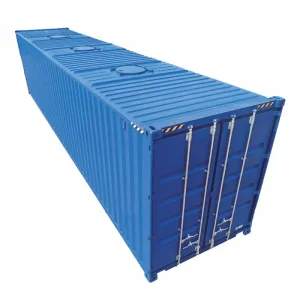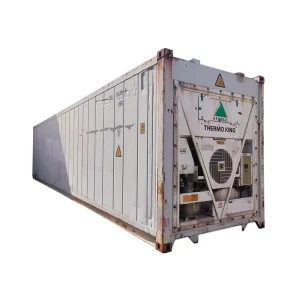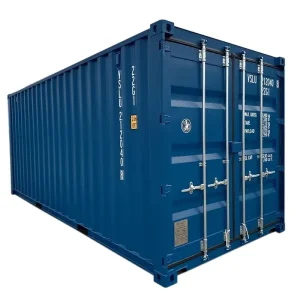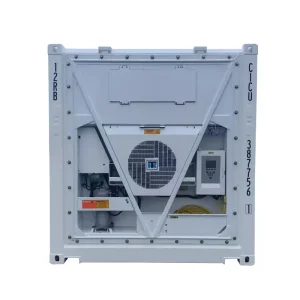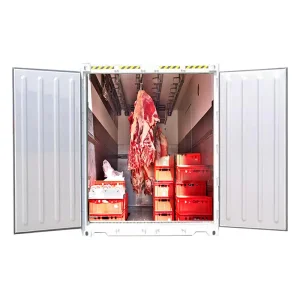
High-Quality Brand new hanging meat container for low temperature fresh transportation Pricelist, Products
Configure & Quote
Engineered for heavy-duty operational life cycles, thermal barrier stability, and rigorous international maritime cargo handling.
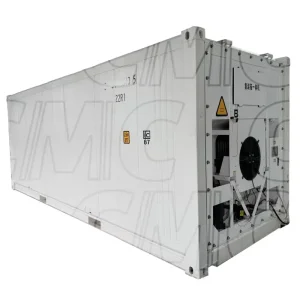
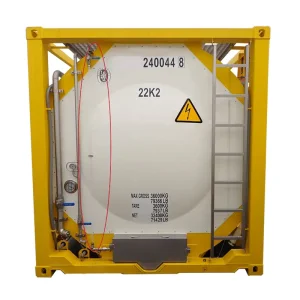
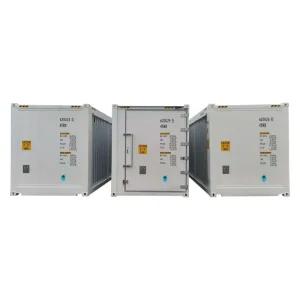
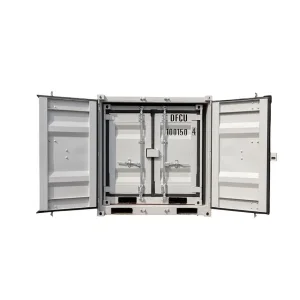
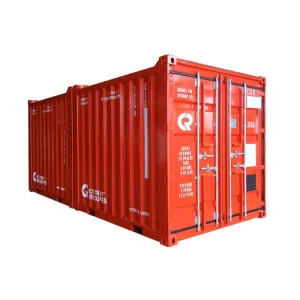
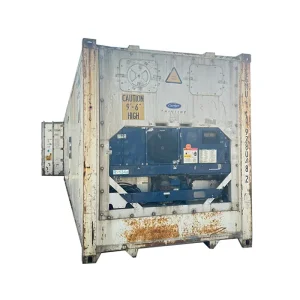
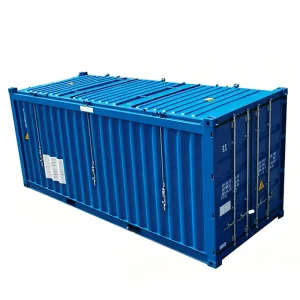
In modern intermodal freight networks, the strategic deployment of storage container transportation architectures serves as the backbone of global commerce. Over 90% of non-bulk global cargo relies on standardized structural enclosures to navigate maritime corridors, deep inland railway matrices, and highway haulage systems. However, extreme operational environments—ranging from sub-zero Arctic routes to high-humidity equatorial crossings—require structural metallurgy that exceeds basic maritime regulations.
Modern logistics engineering demands severe scrutiny over corten steel anti-corrosion properties (SPA-H chemistry), robotic continuous welding penetration, and thermal envelope integrity. Standardized container production must now mitigate cargo sweating, mechanical torsion during heavy vessel roll, and severe dynamic crane impacts. As global procurement groups adapt to volatile supply chain cycles, the integration of bespoke dimensional configurations—such as side-open reefers, high-cube double-end access units, and DNV 2.7-1 certified offshore dry cargo units—distinguishes resilient commercial supply chains from fragile networks.
Formulated with micro-alloying elements (copper, chromium, and nickel) generating an auto-passivating oxide barrier against saltwater atmospheric decay.
Cyclopentane-blown polyurethane foam insulation blocks reduce heat leakage coefficients to below 0.38 W/(m²·K), critical for energy-efficient reefer longevity.
Engineered corner castings and structural perimeter rails built to absorb ISO 1496 dynamic stacking tests exceeding 216,000 kg total gross stack load.
Established in 1983, Tianjin Cimic Imp&Exp Co., Ltd. transforms raw structural metallurgy into globally accredited intermodal equipment, operating strategically 100 km from major seaport gateways.
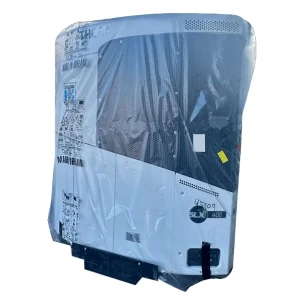
Our Tianjin and Suzhou manufacturing plants utilize fully synchronized, automated production tracks. From cold-roll plate corrugation and robotic submerged arc welding to zinc-rich primer pre-treatment, every unit undergoes stringent verification. Reefer assemblies are subjected to 24-hour temperature pullback validation, vacuum seal checks, and integrated electrical cycle stress-testing using industry-leading machinery from Thermo King, Daikin, and Carrier.
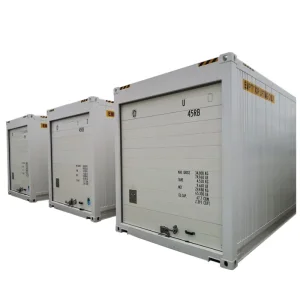
This technical rigor guarantees that every dry freight container, offshore equipment skid, or food-grade ISO tank leaving our docks clears port customs inspection, structural Lloyd's Register/Bureau Veritas audits, and reaches client depots ready for immediate service.
Navigating regional trade lane mandates, custom payload requirements, and environmental safety protocols.
Overcoming acute grid instability through hybrid solar reefer units featuring DC inverter compressors and multi-temperature partition zones for perishable meat and agricultural preservation.
Compliance with rigorous DNV GL 2.7-1 / EN 12079 dynamic impact standards. Pad-eye lift testing, non-destructive weld tests, and offshore-rated corrosion protection under high-salinity wave wash.
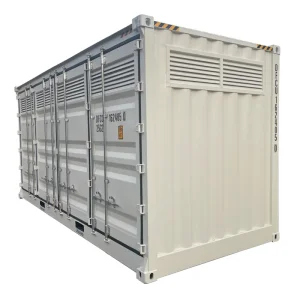
Equipping chemical production facilities with 20ft side-opening dangerous goods containment systems, featuring explosion-proof mechanical ventilation, spark-arresting louvers, and liquid retention sumps.
| ISO Configuration | Internal Dimensions (L × W × H) | Cubic Volume | Maximum Gross Weight | Primary Industrial Application |
|---|---|---|---|---|
| 20ft Standard Dry (20GP) | 5.90 m × 2.35 m × 2.39 m | 33.2 m³ | 30,480 kg | Dense mineral ores, industrial machinery, structural steel fabrications |
| 40ft High Cube Dry (40HC) | 12.03 m × 2.35 m × 2.69 m | 76.3 m³ | 30,480 kg | Voluminous manufactured consumer goods, modular structures, dry food freight |
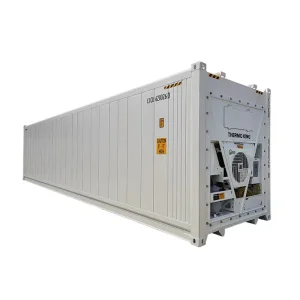
| 40ft High Cube Reefer (40RH) | 11.58 m × 2.29 m × 2.55 m | 67.6 m³ | 34,000 kg | Pharmaceutical transport, chilled seafood, hanging carcass beef distribution |
| 20ft Offshore Dry (DNV 2.7-1) | 5.85 m × 2.24 m × 2.30 m | 30.1 m³ | 15,000 kg | Deep-sea oilfield equipment, drilling tools, offshore rig provisions |
Integrating predictive intelligence, composite thermal materials, and decarbonized transit telemetry into industrial container manufacturing.
Cellular & satellite-linked temperature, vibration, door-aperture sensors tracking cargo integrity continuously from port gate to final yard destination.
Integrating high-efficiency photovoltaic surfaces directly into insulated top-panels, minimizing diesel genset consumption across inland railway journeys.
Transitioning fleet cooling loops toward R513A and CO2 (R744) refrigerants, ensuring total compliance with EU F-Gas regulations and maritime carbon targets.
Replacing internal timber floorboards with recycled structural polymers, reducing tare weight by up to 14% to enhance intermodal payload capacity.
Critical operational, quality assurance, and technical deployment guidelines.
Explore versatile dry bulk, certified hazardous transport, modular cooling units, and heavy offshore storage platforms.