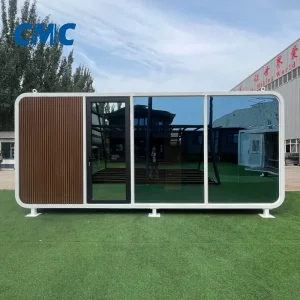
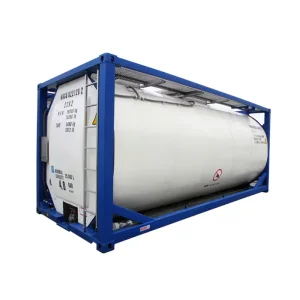
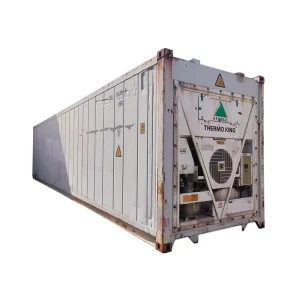
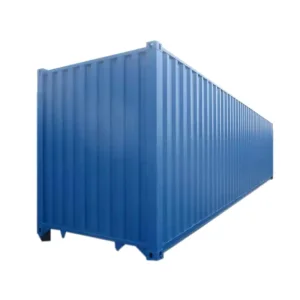
Featured Industrial Transit Containers
Precision-manufactured shipping units complying with strict international maritime, road, and railway containerization protocols.
Industrial Engineering & Strategic Supply Chain Architecture
In-depth insights into why premier global logistics operators, freight forwarders, and offshore engineering firms trust Tianjin & Suzhou manufacturing ecosystems.
1. China Factory Supply Chain Clusters: Scale, Speed, and Material Metallurgical Integrity
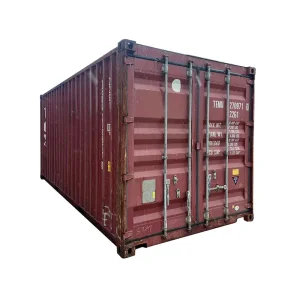
In modern intermodal freight operations, transit containers act as the structural backbone of intercontinental cargo security. Fabricating a container that withstands repetitive stacking up to 9 tiers high on container vessels requires meticulous raw material selection. Utilizing premier Corten A (SPA-H) weathering steel from localized integrated mills ensures supreme atmospheric corrosion resistance. Our manufacturing centers in Tianjin and Suzhou leverage an unrivaled industrial cluster, securing everything from laser-cut corrugated steel side panels to zinc-rich epoxy multi-layer coatings within tight geographical radiuses.
Operating approximately 100 kilometers from the automated deepwater container berths of Tianjin Port and coastal logistics channels allows immediate FOB release, zero inland dispatch bottlenecks, and minimized pre-haulage carbon impact. Our advanced robotic GMAW (Gas Metal Arc Welding) processes guarantee impenetrable, continuous seam welds that eliminate pinhole air leaks—a foundational requirement for gas tightness in specialized atmospheric and refrigerated container builds.
2. Localized Compliance, International Certifications & Traceability Assurance
Cross-border customs and maritime administration bodies strictly mandate that transit containers comply with standardized structural testing under ISO 1496-1. Our specialized production lines hold Bureau Veritas (BV) classification approvals, ISO 9001 quality management seals, and full CSC (International Convention for Safe Containers) safety approval plates. When supplying offshore platforms, container designs step up to DNV 2.7-1 / EN 12079 standards, built with dynamic offshore lifting pad-eyes, low-temperature impact test charpy certifications, and non-destructive examination (NDE/NDT) of all primary structural welds.
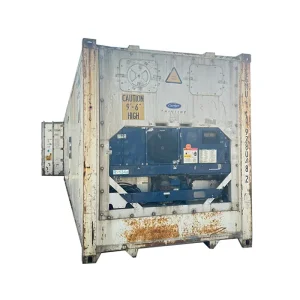
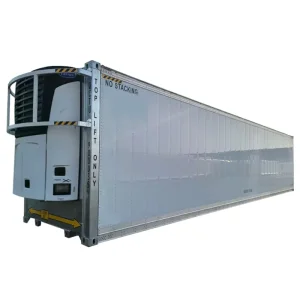
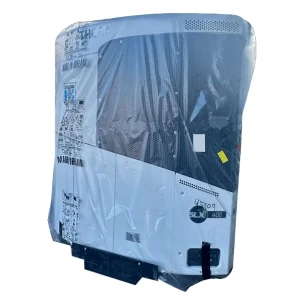
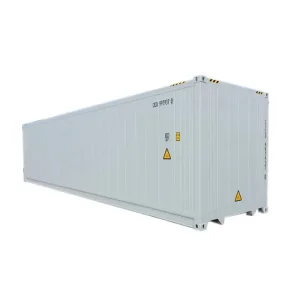
For international cold-chain compliance, reefer units equipped with Thermo King, Daikin, or Carrier Transicold electric compressors strictly conform to ATP regulations (Agreement on the International Carriage of Perishable Foodstuffs), securing documented thermal heat leakage coefficient (K-value) performance down to deep freezer thresholds (-30°C to -60°C).
Global Procurement Needs vs. Emerging Industry Vectors
How Fortune 500 logistics corporations, mining conglomerates, and chemical suppliers optimize fleet acquisition costs and operational resilience.
IoT-Enabled Telematics
Global operators mandate integrated sensor nodes measuring internal cabin temperature, acoustic vibration, door openings, GPS real-time positioning, and humidity fluctuations via dual satellite-cellular modems.
TCO & Capital Optimization
Procurement strategies balance brand-new ISO units for heavy frontline deployments with 90% near-new reconditioned shipping containers held at Chinese container terminals to lower initial capital expenditure by up to 40%.
Decarbonization & Lightweighting
Transition toward high-tensile lightweight alloy floorboards, waterborne VOC-free marine paint primers, and high-efficiency polyisocyanurate (PIR) insulated structural core panels reducing reefer electricity consumption.
Engineered Scenarios Across Harsh Global Terrains
Engineered solutions deployed seamlessly from arctic trans-rail transport corridors to tropical marine salt-spray environments.
Intercontinental Rail
China-Europe Railway Express transit demands heavy anti-impact end-wall reinforcements to handle severe longitudinal shunting forces during rail coupling.
Pharma & Bio Cold Chain
Strict ±0.25°C thermal stability maintained via Carrier and Thermo King micro-controllers for plasma, vaccines, and high-value biologics transport.
Bulk Chemical Transport
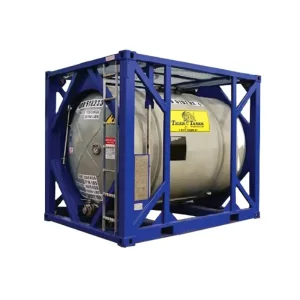
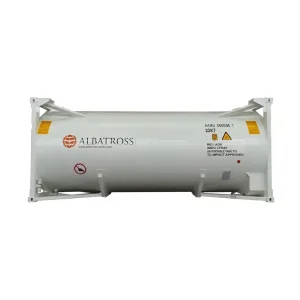
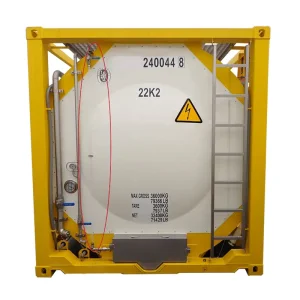
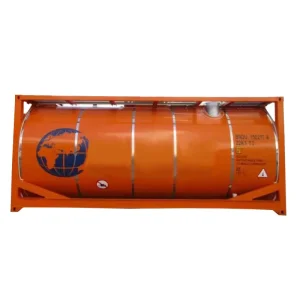
316L stainless steel ISO tank containers fitted with steam heating channels, burst discs, and discharge valves for corrosive and food-grade cargo.
Offshore Exploration
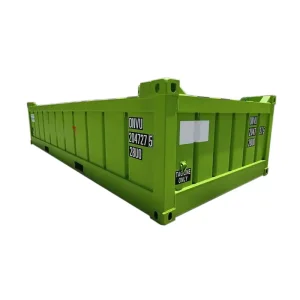
Half-height heavy-duty ore carriers and DNV-stamped offshore baskets built to resist open ocean heave dynamics and North Sea sub-zero wave impacts.
Frequently Asked Questions for Container Importers
Direct answers addressing technical validations, delivery conditions, customized CAD workflows, and global shipping warranties.
What structural grades and anti-corrosion treatments are standard for your transit containers?
How does the OEM / ODM custom engineering workflow operate from drawing to delivery?
Which refrigeration power supplies and machinery are fitted onto your reefer fleet?
What documentation is delivered alongside export shipments for swift port clearance?
Can used shipping containers be selected and inspected prior to vessel loading in China?
Specialized Offshore, Tank & Modular Containers
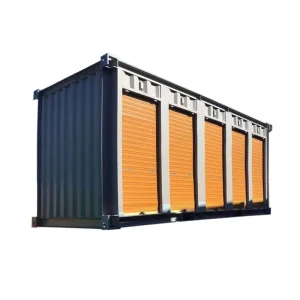
Explore heavy industrial, bulk liquid, chemical, modular housing, and tailored intermodal container variations.