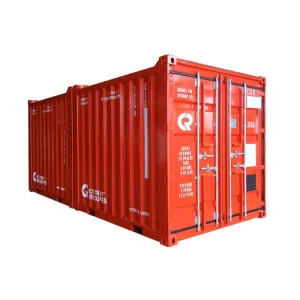
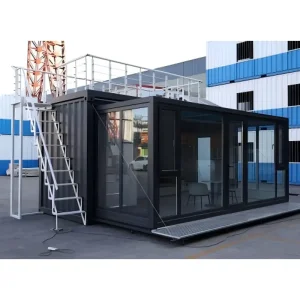
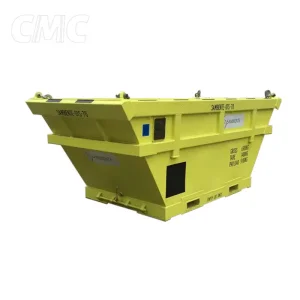
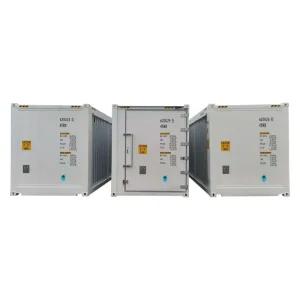
Priority Fleet Deployments · High-Capacity Volumetric Units
Standard & Custom Volumetric Container Portfolio
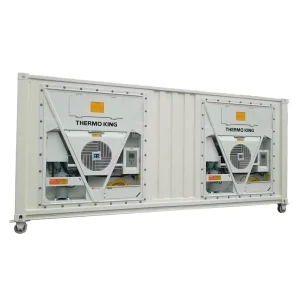
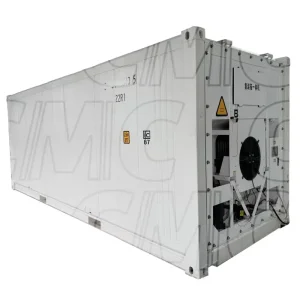
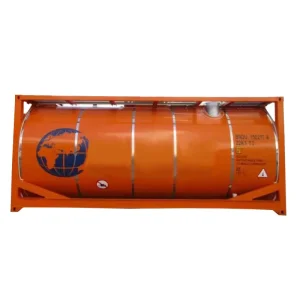
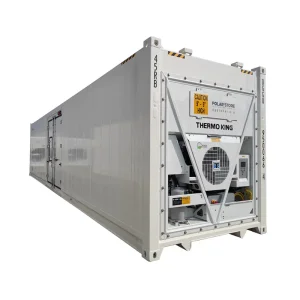
Explore our certified deep freezer, explosion-proof reefer, ISO tank, and customized high-cube units designed to maximize internal cubic feet (cu ft) and stowage factors across worldwide sea, rail, and highway routes.
Macro Industrial Dynamics · Semantic Volumetric Analysis
The Global Demand Matrix for Container Cubic Feet (cu ft)
In modern multimodal logistics, volumetric capacity—measured strictly in container cubic feet—is the primary driver of freight economics, directly dictating whether cargo "cubes out" (hits volume thresholds) before it "weighs out" (reaches maximum payload limits).
Volumetric Stowage Economics
Global procurement directors are shifting from nominal TEU evaluations to precise internal cubic feet analysis. In dry e-commerce and retail cargo, goods typically average low densities (stowage factors above 70 cu ft per long ton). Shipping in a standard 20GP (approx. 1,172 cu ft) versus a 40ft High Cube (approx. 2,694 cu ft) drastically lowers shipping costs per cubic meter by up to 34%.
- Cubic Optimization: Matching internal width clearances to standard Euro (1200×800mm) and ISO (1200×1000mm) pallets.
- High-Cube Upgrades: Gaining 304 cu ft of vertical headspace (+12 inches) with negligible structural tare weight increase.
Thermal Insulation Volumetric Penalty
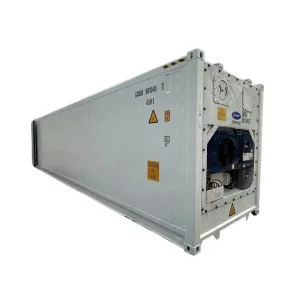
Refrigerated containers (reefers) present a complex cubic challenge: polyurethane foam insulation (55–100 mm thickness) and end-frame machinery reduce usable volume. A standard 40ft dry box offers 2,390 cu ft, whereas a 40ft reefer retains only 2,040 cu ft, and a 40HC reefer achieves roughly 2,387 cu ft.
- ODM Thin-Wall Polyurethane: Cyclopentane-blown high-density foams providing equivalent thermal resistance (K-value ≤ 0.36 W/m²K) with reduced wall thickness.
- T-Bar Airflow Profiles: Flooring engineering preserving cargo cubic capacity while guaranteeing 3,000 m³/h air circulation.
Multimodal Cross-Border Balance
The global container fleet exceeds 50 million TEU, but trade imbalances between manufacturing hubs (Tianjin, Qingdao, Ningbo) and consumer corridors in Europe and the Americas produce regional volume shortages. ODM containers must endure continuous intermodal shifting between marine containerships, rail well-cars, and drop-frame highway chassis.
- Dynamic Corner Casting Ratings: Capable of withstanding 9-high stacking loads of 30,480 kg under 1.8G inertial shocks.
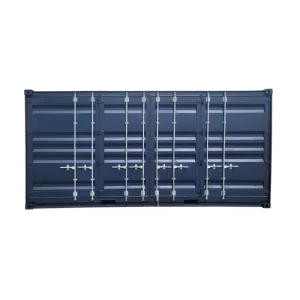
- Dual-End Access Architectures: Double-door and full-side-open designs that speed up volumetric cycle turnover.
1983
Founding Year & Industrial Heritage
40+
Years of Heavy Precision Manufacturing
100 KM
Direct Proximity from Tianjin Base to Deepwater Berth
100%
Classification Verified (BV, ISO, DNV-GL)
Technical Baseline · Certified Dimensional Reference
Container Cubic Feet (cu ft) vs Volumetric Engineering Matrix
Examine exact internal clearances, payload parameters, and cubic capacities across standard dry, high-cube, insulated, reefer, and custom ODM configurations engineered under ISO 1496-1 and Bureau Veritas compliance protocols.
| ISO Configuration Profile | External Dimensions (L × W × H) | Internal Clearances (L × W × H) | Internal Volume (Cubic Feet / m³) | Max Gross Mass (Payload) | Critical Logistics Application |
|---|---|---|---|---|---|
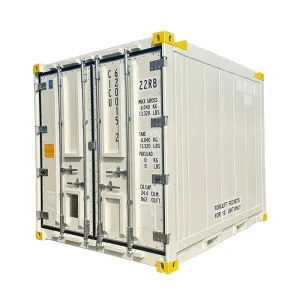
| 10ft Mini Dry / Freezer (10GP / 10RF) | 10'0" × 8'0" × 8'6" (2.99 × 2.44 × 2.59 m) | 9'3" × 7'6" × 7'5" (2.82 × 2.29 × 2.26 m) | 560 cu ft / 15.8 m³ | 10,000 kg (Payload: ~8,100 kg) | Remote mining, offshore staging, limited urban footprint cold storage. |
| 20ft Standard Dry Box (20GP) | 19'10.5" × 8'0" × 8'6" (6.06 × 2.44 × 2.59 m) | 19'4" × 7'8" × 7'10" (5.90 × 2.35 × 2.39 m) | 1,172 cu ft / 33.2 m³ | 30,480 kg (Payload: ~28,230 kg) | High-density commodities: machinery, raw mineral ores, tiles, industrial metals. |
| 20ft High Cube Dry Box (20HC) | 19'10.5" × 8'0" × 9'6" (6.06 × 2.44 × 2.89 m) | 19'4" × 7'8" × 8'10" (5.90 × 2.35 × 2.69 m) | 1,320 cu ft / 37.4 m³ | 30,480 kg (Payload: ~28,050 kg) | Heavy machinery requiring top clearance, specialized battery energy systems. |
| 20ft ISO Reefer Unit (20RF) | 19'10.5" × 8'0" × 8'6" (6.06 × 2.44 × 2.59 m) | 17'10" × 7'6" × 7'5" (5.44 × 2.29 × 2.27 m) | 1,000 cu ft / 28.3 m³ | 30,480 kg (Payload: ~27,400 kg) | Consolidated frozen meats, pharmaceuticals, high-value seafood runs. |
| 40ft Standard Dry Container (40GP) | 40'0" × 8'0" × 8'6" (12.19 × 2.44 × 2.59 m) | 39'5" × 7'8" × 7'10" (12.03 × 2.35 × 2.39 m) | 2,390 cu ft / 67.7 m³ | 30,480 kg (Payload: ~26,750 kg) | Palletized industrial goods, electronics, textiles, global cross-docking. |
| 40ft High Cube Dry (40HC) | 40'0" × 8'0" × 9'6" (12.19 × 2.44 × 2.89 m) | 39'5" × 7'8" × 8'10" (12.03 × 2.35 × 2.69 m) | 2,694 cu ft / 76.3 m³ | 30,480 kg (Payload: ~26,580 kg) | Voluminous consumer goods, lightweight furniture, modular home conversion shells. |
| 40ft High Cube Reefer (40RH) | 40'0" × 8'0" × 9'6" (12.19 × 2.44 × 2.89 m) | 38'0" × 7'6" × 8'4" (11.58 × 2.29 × 2.55 m) | 2,387 cu ft / 67.6 m³ | 34,000 kg (Payload: ~29,520 kg) | Global fresh agricultural trade, bananas, temperature-controlled dairy & biologics. |
| 45ft High Cube Dry / Pallet-Wide | 45'0" × 8'2" × 9'6" (13.71 × 2.50 × 2.89 m) | 44'5" × 7'11" × 8'10" (13.55 × 2.42 × 2.69 m) | 3,040 cu ft / 86.1 m³ | 34,000 kg (Payload: ~29,180 kg) | Intra-European and North American intermodal transport loading 33 Euro pallets. |
Structural Steel Corrugation Geometry
Every millimeter saved on side-wall corrugation translates into dozens of usable internal cubic feet across an entire fleet. We apply cold-formed SPA-H Corten steel (yield strength ≥ 345 MPa) with specialized trapezoidal depths that provide ISO-mandated racking and sidewall rigidity (tested to 0.6P transverse load) while adding 18 to 28 mm of internal width clearance.
Thermal Barrier Architecture (VIP & PIR)
Traditional reefer wall panels rely solely on 80–100 mm of expanded polyurethane foam, diminishing usable cubic feet. Our advanced ODM blast freezer and pharmaceutical containers deploy Vacuum Insulation Panels (VIP) layered with rigid Polyisocyanurate (PIR). This cuts insulation thickness by 35% without thermal leakage, directly expanding internal storage capacity by 48 cu ft in a 40RH box.
Multi-Access Ergonomic Integrity
Standard rear swing doors force inefficient "last-in, first-out" cargo packing, leaving significant empty upper cubic space. Our engineering team customizes full-opening bi-fold side doors, roll-up shutter access, and double-ended configurations. Structural headers and sills are reinforced with boxed hollow sections to prevent diagonal deflection under 30-ton payloads.
Industrial Integration · Turnkey Logistics Solutions
Macro-Industry Solutions Powered by Optimized Cubic Feet
From cold-chain distribution to extreme offshore energy developments, custom container volumetric layouts provide the physical foundation for modern intermodal supply chains.
Cold Chain & Biologics
Equipped with industry-standard Thermo King, Carrier Transicold, or Daikin refrigeration machinery. Maintains accurate setpoints from -70°C deep blast freeze up to +30°C ambient, paired with digital datalogging and controlled atmosphere (CA) options for fresh produce.
Automotive Racking Logistics
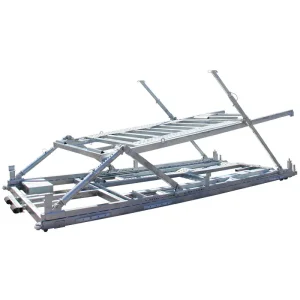
Specialized collapsible vehicle transport racks designed to maximize the 2,694 cu ft volume of 40ft High Cube containers. Enables multi-tier angled stacking of 3 to 4 passenger sedans or SUVs per container, reducing per-vehicle oceanic shipping costs by 40%.
Offshore Exploration & Mining
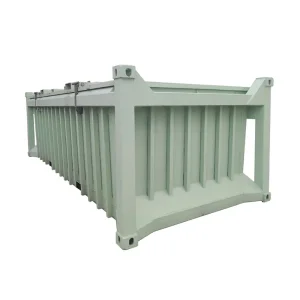
DNV 2.7-1 / EN 12079 certified half-height ore bins, tool skips, and silt baskets. Engineered with heavy-duty pad-eyes, four-part wire rope slings, and low-center-of-gravity profiles to safely handle dense slurries, ores, and platform tooling in rough sea states.
Modular Architectural Housing
Converting standard 20ft and 40ft High Cube steel bodies into expandable offices, military encampments, and mobile medical clinics. Factory-fitted with fireproof rockwool insulation, plumbing chase channels, electrical conduits, and composite sub-flooring.
R&D Horizons · Next-Generation Container Engineering
Technology Roadmap: The Future of Volumetric & Smart Containers
Container engineering is rapidly evolving from passive steel storage boxes into dynamic, connected, energy-autonomous logistics assets designed to deliver zero-loss cargo integrity.
Autonomous Solar-DC Cold Storage
Deploying photovoltaic arrays integrated directly into container roof recesses, linked to 220V DC inverter compressors. This architecture reduces dependence on shore diesel gensets during long dwell times, slashing operating costs and preventing temperature excursions during intermodal rail transfers.
Ultrasonic Volumetric Sensing (IoT)
Internal roof-mounted sensor meshes utilizing pulsed LiDAR and ultrasonic transceivers to calculate cargo volumetric fill-rates in real time. Fleet dispatchers monitor 3D cubic space utilization remotely via satellite telematics, eliminating wasted cubic capacity across cross-continental lanes.
Ultra-Low GWP & Cryogenic Refrigerants
Transitioning from legacy R134a systems to next-generation low Global Warming Potential (GWP) alternatives such as R513A, R452A, and trans-critical CO2 (R744) units. These systems comply with the latest EU F-Gas regulations and EPA SNAP requirements without compromising coefficient of performance (COP).
Reliability Protocols · Port Proximity Advantage
Classification Standards & Global Compliance Infrastructure
Every container manufactured by CIMIC is backed by third-party type approval certificates, documented weld procedures, and specialized testing to ensure immediate acceptance across all international borders and terminals.
Classification Societies & Type Approvals
Our manufacturing and testing lines operate under direct surveillance by Bureau Veritas (BV), ISO 9001 quality management, and DNV for offshore equipment. Units are stamped with International Safety Convention (CSC) plates, TIR customs approvals, and UIC railway registration markings.
Rigorous Factory Acceptance Testing (FAT)
Before leaving the factory floor, containers undergo comprehensive testing: floor deflection testing under 7,260 kg axle loads, roof load tests, dynamic weatherproof water spray tests (at 200 kPa pressure through dual oscillating nozzles), and reefer temperature pulldown tests verified across 24-hour cycles.
Strategic Seaport Proximity
Operating manufacturing and depot hubs in Tianjin and Suzhou, located roughly 100 km from major container terminals. This proximity minimizes inland drayage charges, prevents pre-shipment delays, and enables expedited ocean sailings across core export corridors to Africa, Europe, and the Americas.
Engineering Knowledgebase · Procurement Clarifications
Frequently Asked Questions on Container Cubic Feet & ODM Manufacturing
Direct, highly-detailed technical answers to assist fleet engineers, logistics procurement managers, and container leasing operators in making informed specification decisions.
How do you calculate the usable cubic feet of a custom shipping container?
Nominal cubic volume is calculated using internal length × internal width × internal height divided by 1,728 (for cubic inches to cubic feet) or multiplying meters by 35.3147. However, usable volumetric capacity must deduct structural protrusions, including interior lashing rings, corrugated wall indents, corner post gussets, and the ceiling clearance line (typically 75–100 mm below the roof sheet in reefer units to allow continuous airflow across the evaporator coil).
Why is there a cubic capacity difference between a 40ft Dry container and a 40ft Reefer?
A standard 40ft dry container provides approximately 2,390 cu ft (67.7 m³), whereas a 40ft refrigerated unit provides roughly 2,040 cu ft (57.8 m³)—a volumetric penalty of roughly 350 cu ft. This variance is caused by 75–100 mm of polyurethane foam insulation on the side walls, ceiling, and floor, plus the space occupied by the front refrigeration machinery (approx. 400 mm depth) and interior T-bar ventilation duct flooring.
What is the advantage of choosing a High Cube (9'6") over a Standard (8'6") box?
The 40ft High Cube provides an additional 304 cu ft of internal volume (2,694 cu ft vs 2,390 cu ft), an increase of roughly 12.7%. This additional foot of vertical headroom accommodates taller pallet stacks, bulky automotive assemblies, and light consumer dry freight without incurring additional ocean slot surcharges, as containership cell guides accommodate standard FEU footprint dimensions.
Can CIMIC customize internal clearances to fit specific pallet sizes?
Yes. Through our ODM manufacturing programs, we build pallet-wide containers (typically 2,500 mm external width compared to standard 2,438 mm). This allows two standard 1,200 mm Euro pallets to sit side-by-side on the container floor without pinwheeling, eliminating wasted cubic feet and preventing cargo shifting during rail and road drayage.
Which cooling units can be integrated into your refrigerated containers?
We work directly with world-class refrigeration equipment manufacturers, including Thermo King (Magnum Plus / SG-3000), Carrier Transicold (PrimeLINE / ThinLINE), and Daikin (Zestia / LXE10E). In addition, we engineer custom DC inverter cooling systems compatible with off-grid 220V solar battery installations for stationary cold room deployments.
What certifications are provided for offshore units?
Our offshore containers, silt baskets, and half-height ore bins are engineered and manufactured in strict compliance with DNV 2.7-1 (ISO 10855) and EN 12079 specifications. This includes full material traceability, low-temperature Charpy impact toughness testing at -20°C or -40°C, and certified four-part lifting sling assemblies with shackles.
Specialized Heavy Industry & Intermodal Fleet Units
Specialized Freight, Offshore, Open-Top & Modular Systems
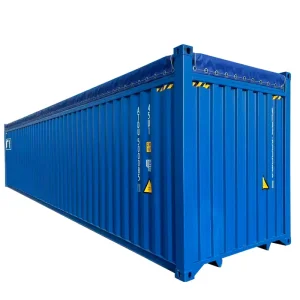
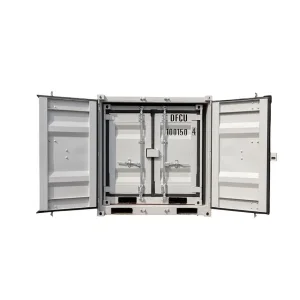
Discover our extensive portfolio of soft open tops, automotive transport racks, DNV offshore cargo baskets, nested mini-storage units, and expandable modular homes built to exact customer drawings.