Featured High Cube & Multimodal Fleet
Engineered Cold Chain & Intermodal Fleet Inventory
Direct-from-factory marine containers fabricated in compliance with ISO 1496-2, CSC, TIR, and Class Society certifications. Rigorous thermodynamic testing on every unit.
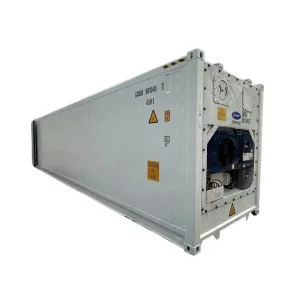
Buy Ninety Percent New Used 40ft HC Carrier Refrigerated Container Product, Quotes
Explore Specification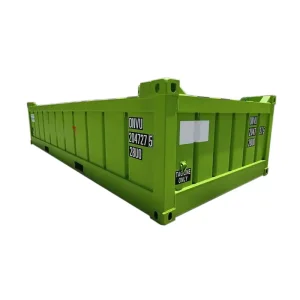
ODM New DNV Certification Offshore Half-Height Open Top Container Products, Exporters
Explore Specification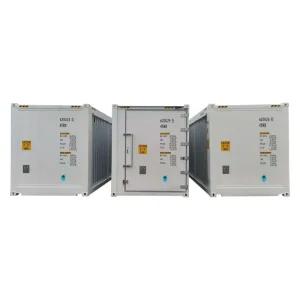
China OEM 40ft High-Cube Customized Three-in-One Combination Reefer Storage Container Manufacturer, Quotes
Explore Specification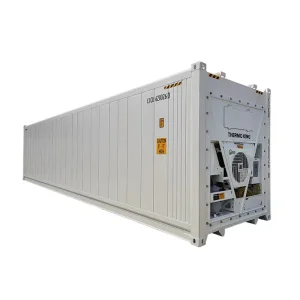
OEM New 40ft High-Cube Certified Reefer Shipping Cargo Container Pricelist, Product
Explore Specification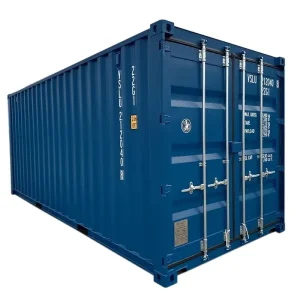
Buy New 20ft Double Door Dry Cargo Shipping Container Products, Manufacturers
Explore Specification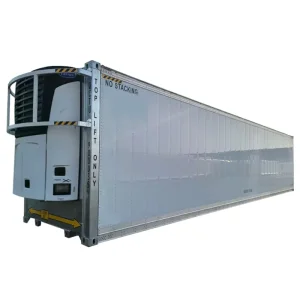
China Carrier X4-7300 Refrigeration and Electricity Integrated Container Exporter, Products
Explore Specification
OEM New Deep Freezer Refrigerator Container For Sale Factory, Quotes
Explore Specification
Global Cold-Chain Macro Intelligence
High Cube Reefer Containers: Industry Evolution & Macro Paradigm Shifts
Modern intermodal logistics relies on high-cube refrigerated units (9'6" height) over standard profile containers (8'6"). Sourcing 40ft High Cube Reefers (40RH) provides an 8.6 m³ volume gain, transforming maritime margins.
Volumetric Yield Optimization
Global perishables, deep-frozen proteins, and biologicals require maximized volumetric efficiency. The 40RH profile offers up to 67.6 m³ (2,387 cu ft) internal capacity, accommodating extra pallet tiering while complying with external ISO dimensional envelopes.
Cold Chain Cold-Air Aerodynamics
High cube units deliver superior airflow headroom above the red load line, preventing cargo thermal short-circuiting. The additional vertical clearance allows consistent bottom-air delivery across extended pallet lanes even during 45-day ocean transits.
Decarbonization & Refrigerant Shift
Stricter F-Gas regulations and IMO carbon metrics are pushing the phaseout of legacy R134a towards ultra-low GWP refrigerants, such as R513A and transcritical R744 (CO2). Modern reefer architecture must support higher operating pressures and specialized scroll compressors.
67.6m³
Internal Cargo Volume
0.32W/m²K
Certified Insulation K-Value
-40°C
Deep Freeze Capability
34,000kg
Max Gross Operating Mass
Strategic Buyer Technical Auditing
Global Procurement Matrix: Core Evaluation Metrics for B2B Fleets
Container buyers—ranging from shipping consortia to sovereign food reserve operators—require auditable metrics that affect Total Cost of Ownership (TCO), thermal stability, and structural longevity.
Thermal Aging & Foam Integrity
Polyurethane foam degradation causes thermal leakage over operational cycles. Buyers evaluate microcellular high-density PUR core insulation blown with eco-friendly cyclopentane blowing agents to sustain K-values under 0.33 W/m²K over a 15-year lifespan.
Structural Corten Metallurgy
Containers face dynamic corner-casting forces, wave-slam impacts, and cyclic racking loads during rough sea passages. Procurement requires SPA-H Corten steel cross-members and high-tensile stainless steel interior linings (SS304/MG1) to resist chemical corrosion and corrosion fatigue.
Machinery Interchangeability
Fleet operators prioritize machinery flexibility to streamline global maintenance. CIMIC designs container bulkheads to support Carrier Transicold (ThinLINE, PrimeLINE), Thermo King (Magnum PLUS), and Daikin (Zestia) units with standardized bolt patterns.
Hermetic Door Seal Geometry
Thermal bridging at door interfaces causes frost formation and excessive power use. Multi-lip EPDM compression gaskets with corner vulcanization prevent air ingress, even in high humidity and tropical conditions.
B2B Procurement Insight: The true cost of owning a reefer container depends largely on auxiliary electrical use during transport. Investing in containers with an engineered K-value of 0.32 W/m²K versus standard 0.38 W/m²K reduces compressor cycle times by 14.2%, saving substantial fuel and auxiliary power costs over typical vessel routes.
Macro Technical Architecture
Engineering Solutions: Advanced Controlled Atmosphere & Thermodynamic Isolation
CIMIC builds ODM High Cube Reefer Containers with integrated environmental controls. These systems extend produce storage life, prevent chilling injury, and preserve cargo value on long-haul sea routes.
Active Controlled Atmosphere (CA) Integration
Our ODM containers support automated CA systems, including Carrier EverFRESH and Daikin Active CA. Nitrogen-flush and CO2 scrubber systems manage interior O2 levels (down to 1%) and CO2 levels (up to 19%), slowing cargo respiration for sensitive items like avocados and berries.
Composite Thermal Break Barrier
Thermal bridging along corner posts, roof headers, and floor sills causes heat bypass. CIMIC integrates engineered glass-fiber-reinforced polymer (GFRP) thermal breaks that decouple exterior structural Corten framing from interior food-grade stainless steel panels.
IoT Telematics & Machine-to-Cloud Integration
Built-in sensor ports, external high-gain antennae, and internal Modbus telemetry provide 24/7 fleet tracking via cellular and satellite channels. Operators monitor supply-air and return-air temperatures, defrost sequences, relative humidity, and power supply stability remotely.
| Dimensional & Mechanical Parameters | 40ft High Cube Reefer (40RH) | 20ft High Cube Reefer (20RH) | Standard 40ft Reefer (40RF) |
|---|---|---|---|
| External Dimensions (L × W × H) | 12,192 × 2,438 × 2,896 mm (40' × 8' × 9'6") | 6,058 × 2,438 × 2,896 mm (20' × 8' × 9'6") | 12,192 × 2,438 × 2,591 mm (40' × 8' × 8'6") |
| Internal Dimensions (L × W × H) | 11,583 × 2,290 × 2,557 mm | 5,444 × 2,290 × 2,557 mm | 11,583 × 2,290 × 2,252 mm |
| Net Usable Cargo Volume | 67.6 m³ (2,387 cu ft) | 31.8 m³ (1,123 cu ft) | 59.0 m³ (2,083 cu ft) |
| Max Gross Operating Mass (M.G.W.) | 34,000 kg (74,950 lbs) | 30,480 kg (67,200 lbs) | 32,500 kg (71,650 lbs) |
| Tare Weight (Incl. Machinery) | 4,480 kg (9,876 lbs) | 2,950 kg (6,500 lbs) | 4,300 kg (9,480 lbs) |
| Max Payload Capacity | 29,520 kg (65,074 lbs) | 27,530 kg (60,700 lbs) | 28,200 kg (62,170 lbs) |
| Operational Temp Spectrum | -35°C to +30°C (-40°C Deep-Freeze Option) | -35°C to +30°C | -30°C to +30°C |
| Heat Transmission Coefficient (K-Value) | ≤ 0.32 W/m²·K | ≤ 0.33 W/m²·K | ≤ 0.34 W/m²·K |
Global Trade Certification & QA Systems
Audited Quality Systems & Marine Classification Compliance
Container reliability is verified through strict mechanical testing, non-destructive weld examinations, and international trade certifications backed by leading classification societies.
Classification Society Type Approval
Every batch design receives type approval and in-line inspections from Bureau Veritas (BV), Det Norske Veritas (DNV), Lloyd’s Register (LR), or the American Bureau of Shipping (ABS). These reviews confirm structural compliance with ISO 1496-2.
CSC & Custom Seal Certification
Units feature approved International Convention for Safe Containers (CSC) safety plates, Customs-TIR approval, and Australian quarantine (TCT) timber/floor compliance, ensuring clean passage through global ports.
Full-Scale Pressure Decay Testing
Internal air leakage degrades thermal efficiency. Each container undergoes automated pressure-decay tests: the cargo box is pressurized to 250 Pa, and pressure drops are logged to ensure leakage rates remain well below ISO thresholds.
Factory Proximity & Rapid Port Staging
Manufacturing facilities in Tianjin and Suzhou are located within 100 km of deepwater marine terminals. This proximity streamlines drayage, cuts domestic logistics overhead, and keeps vessel loading schedules on track.
Next-Generation Container Engineering
Future Tech Roadmap: Carbon Neutrality, Solar Hybrid & Transcritical CO2
CIMIC invests heavily in R&D for next-generation refrigerated containers, focusing on net-zero lifecycle emissions, hybrid clean-power integration, and eco-friendly refrigerants.
Phase 01 · Current Deployments
Variable-Speed Inverter Drives
Replacing traditional digital scroll cycling with permanent magnet variable-frequency compressors. Modulating compressor output to match cargo heat loads cuts overall energy draw by 28% to 35% across transit routes.
Phase 02 · Rolling Production
Solar Inverter & Auxiliary Storage
Roof-mounted high-durability flexible monocrystalline photovoltaic panels connected to DC microinverters. These generate supplemental power to run internal ventilation and telemetry during rail and staging yard wait times.
Phase 03 · Advanced Prototyping
Transcritical Natural Refrigerant R744
Developing ultra-high-pressure gas refrigeration loops using natural CO2 (R744 with GWP=1). Designed to eliminate synthetic HFC and HFO fluorinated gasses and comply with all anticipated international emissions rules.
Phase 04 · Predictive Fleet Ops
AI-Driven Predictive Diagnostics
Edge IoT processors running on-board thermodynamic models. The system analyzes evaporator delta-T, compressor vibrations, and expansion valve behavior to flag maintenance issues days before cargo temperature is impacted.
Deploy Custom Engineered High Cube Reefer Units
Connect with our technical design team in Tianjin and Suzhou. We assist with custom door configurations, controlled atmosphere options, dual-temperature zoning, and certified marine blueprints.
Technical Clarifications & Procurement FAQ
Frequently Asked Technical Questions: ODM High Cube Reefer Sourcing
Clear answers to common questions asked by supply chain executives, marine fleet engineers, and fleet lease operators.
QWhat differentiates a 40ft High Cube Reefer from a Standard 40ft Reefer?
The 40ft High Cube Reefer (40RH) has an external height of 2,896 mm (9'6"), compared to 2,591 mm (8'6") for standard 40RF units. This added foot provides 67.6 m³ of usable volume versus 59.0 m³—an 8.6 m³ gain (+14.5%). The taller profile also creates more space above the cargo line, which improves bottom-up airflow across tightly stowed pallets.
QWhich marine classification society certifications accompany your export units?
All CIMIC custom and standard production runs carry design approvals and plant inspections from Bureau Veritas (BV), Det Norske Veritas (DNV), ABS, or Lloyd’s Register. Units come equipped with a valid CSC safety plate, Customs-TIR clearance credentials, ISO 1496-2 compliance, and certification for Australian Timber Quarantine Requirements (TCT).
QWhat is the certified thermal insulation metric (K-Value) of your containers?
Our ODM High Cube Reefer containers achieve a certified overall heat transmission coefficient (K-value) of ≤ 0.32 W/m²·K, outperforming the standard ISO threshold of 0.40 W/m²·K. This is achieved using high-density polyurethane core insulation blown with cyclopentane, paired with integrated composite GFRP thermal breaks at all structural joints.
QCan CIMIC design custom door and interior multi-temperature configurations?
Yes. As an ODM/OEM specialist, we provide custom door options including full side-opening bi-fold panels, roll-up insulated security shutters, and double-ended entry designs. We can also add internal insulated longitudinal or transverse bulkheads to create multi-temperature zones (freezer and chiller) powered by a single refrigeration system.
QWhich refrigeration unit brands can be integrated during container assembly?
Our container bulkheads feature standardized mounting bolt layouts that support Carrier Transicold (PrimeLINE, ThinLINE, NaturaLINE), Thermo King (Magnum PLUS, SuperFreezer), and Daikin (Zestia, Active CA) refrigeration machinery. Units are fully wired with 380V/460V 3-phase 50/60Hz shore-power cables and feature CEE-17 watertight connections.
QWhat is your factory lead time and logistical procedure for global delivery?
Production for customized ODM batches typically takes 4 to 6 weeks from technical drawing sign-off. Since our production hubs in Tianjin and Suzhou are within 100 km of deepwater ports, finished units can be repositioned directly onto container carriers or shipped loaded with one-way dry cargo (One-Way Shipper Owned Container / SOC) to cut transpacific or transatlantic dead-freight costs.
Special Purpose & Intermodal Product Lines
Specialty Marine, Cold Storage & Intermodal Product Line
Browse our complete lineup of specialized solutions, including solar-integrated storage, deep-freezers, open-tops, car-carriers, and modular units engineered to ISO structural standards.
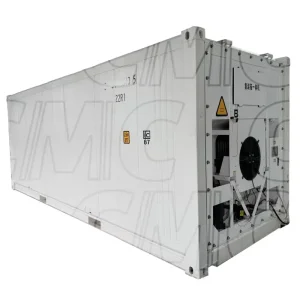
ODM The Smart Chain Cold Storage 20ft/40ft Solar Refrigerated Container 220V With DC Inverter Unit Pricelist, Exporters
Explore Specification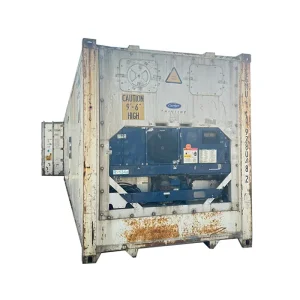
China Used 40ft High-Cube Certified Reefer Container Pricelist, Exporter
Explore Specification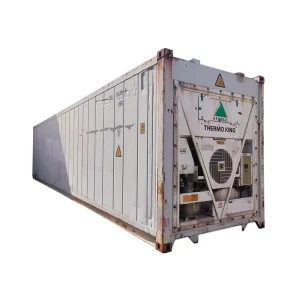
ODM New 40ft Refrigerated Freezer Container for Sale Factory, Exporter
Explore Specification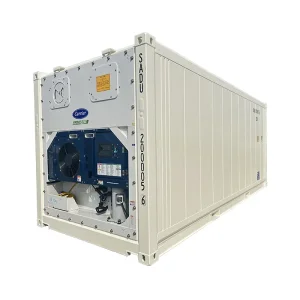
High-Quality New 40ft High Cube Carrier Refrigerator Freezer Cold Room Product, Exporters
Explore Specification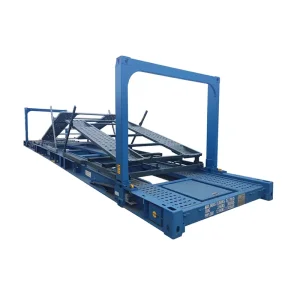
China New 20ft Car Carrier Container Special Container Exporter, Quotes
Explore Specification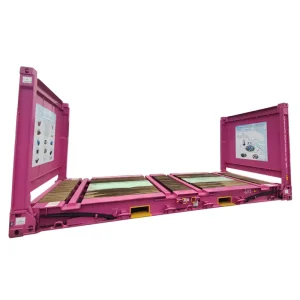
ODM New 20ft Platform Frame Container Pricelist, Exporters
Explore Specification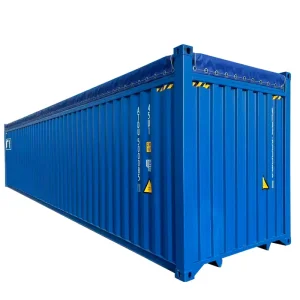
Buy 40ft High-Cube New Soft Open Top Shipping Container with Tarpaulin Cover Manufacturer, Product
Explore Specification