
Featured Specialized & Standard Intermodal Units
Fully custom ODM engineered platforms fabricated to strict ISO, DNV, and BV maritime certifications for global distribution.
-
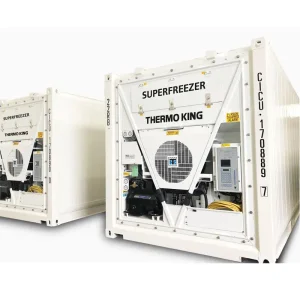
OEM New Deep Freezer Refrigerator Container
View Specifications -
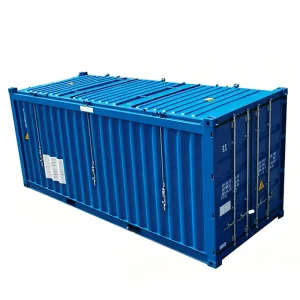
China 20ft New Hard Open Top Shipping Container
View Specifications -
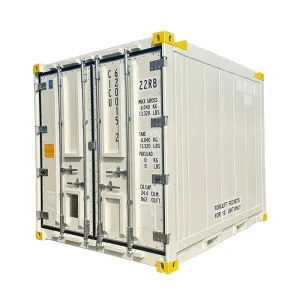
High-Quality New 10ft Certified Thermo King Freezer Container
View Specifications -
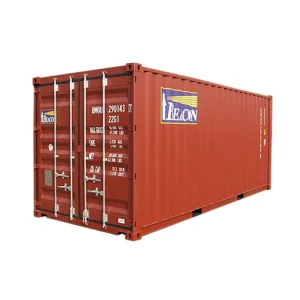
ODM 40ft New Certified Dry Shipping Container
View Specifications -
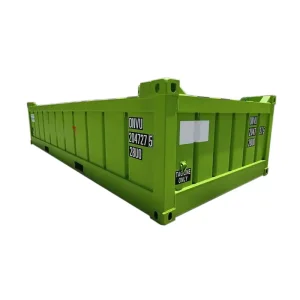
ODM New DNV Certification Offshore Half-Height Open Top Container
View Specifications -
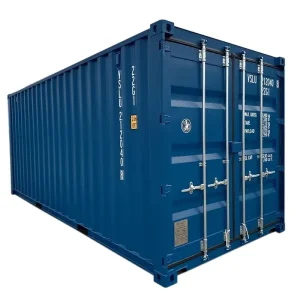
Buy New 20ft Double Door Dry Cargo Shipping Container
View Specifications -
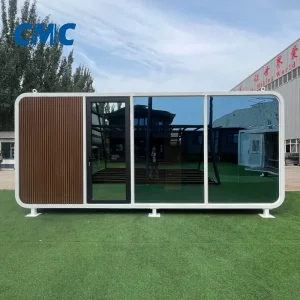
Famous 20ft Prefab Container House Flat Pack Modular Pod
View Specifications -

Famous TK SLXI Mobile Power Generation Trailer Cooling Unit
View Specifications
Engineering Next-Generation Intermodal Architectures
Addressing cargo vulnerabilities, thermal dynamics, structural corrosion, and decarbonization mandates through advanced material science and digital IoT frameworks.
Phase 1: Advanced Metallurgy & Anti-Corrosion
Integration of high-tensile SPA-H Corten steel alloy matrix, waterborne zinc-rich primings, and automated robotic continuous-seam sub-arc welding. Designed to withstand over 1,500 hours of continuous ASTM B117 salt spray testing in punishing offshore environments.
Phase 2: Hybrid Aerogel Thermal Barriers
Pioneering cyclopentane-blown polyurethane foam alongside vacuum-insulated aerogel panels (VIP). Delivers superior thermal conductivity values (K-factors down to 0.32 W/m²K) to reduce reefer unit compressor operating cycles and slash power draw by up to 28%.
Phase 3: Autonomous IoT & Solar Inverters
Embedded smart telematics incorporating 5G/satellite transceivers, interior optical humidity probes, real-time CO₂ control, and rooftop DC inverter micro-arrays. Complete cloud-synced transit telematics compliant with smart supply chain tracking protocols.
Supply Chain Resilience: China Industry 4.0 Integration
Consolidating high-precision automated tooling, sustainable manufacturing, and coastal logistics proximity to ensure scalable volume delivery without lead-time variability.
Robotic Cold-Roll Forming
Automated press lines produce precision corrugated wall panels with tolerances within ±0.5mm, maximizing load-bearing shear strength under 9-tier fully laden stacking loads.
Low-VOC Eco-Coating
Enclosed electrostatic painting lines utilizing heavy-duty waterborne epoxies drastically eliminate VOC discharge while achieving optimal dry film thickness (DFT 120-140μm).
Subsea & Offshore DNV Specs
Dedicated fabrication line executing DNV 2.7-1 / EN 12079 structural engineering, pad-eye testing, NDT weld inspections, and charpy impact testing down to -20°C.
Tier-1 Maritime Proximity
Strategically situated approximately 100 km from Tianjin seaport terminal, eliminating inland transit friction, demurrage bottlenecks, and intermodal drayage surcharges.
Audited Compliance, Localized SLA & TCO Optimization
Structuring cross-border agreements that de-risk capital deployment for shipping lines, national energy operators, and cold-chain freight forwarders.
| Procurement Pillar | Enterprise Risk Factor | CIMIC ODM Technical Guarantee | Target Regulatory Baseline |
|---|---|---|---|
| Structural Integrity | Weld cracking under severe sea swell resonance | Robotized GMAW continuous full-penetration welding; 100% NDT inspection on corner castings | ISO 1496-1, CSC, UIC 592 |
| Thermal Stability | Sub-zero temperature drift across high-ambient transit | High-density microcellular PU insulation + Thermo King / Carrier / Daikin integrated refrigeration | ATP Certified (Class FRC), TIR |
| Offshore Lifting Safety | Dynamic shock failure during offshore crane transfers | Integrated structural lifting lugs, full four-point sling proof-load testing at 2.5x MGW | DNV 2.7-1 / BS EN 12079 / IMO MSC/Circ.860 |
| Custom Clearances | Customs demurrage due to missing timber treatment decs | Sustainably harvested apitong or bamboo flooring with international Australian quarantine phytosanitary treatments | AQIS Timber Treatment Guidelines |
Multimodal, Modular & Reefer Cargo Configurations
From solar cold chain platforms to high-cube bulk transport and modular accommodations, fully customized for global logistics routes.
-
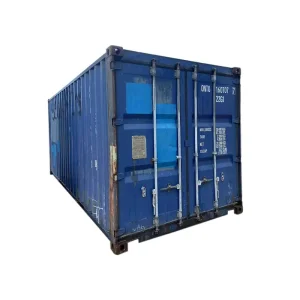
ODM 40ft Used Dry Cargo Shipping Container
View Specifications -
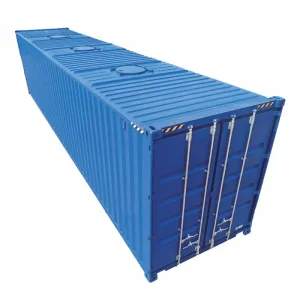
Buy 20 Feet Shipping Bulk Container
View Specifications -
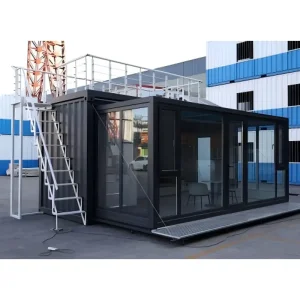
Famous 20ft Foldable Prefab Modular Homes Expandable House
View Specifications -

ODM Smart Chain Cold Storage Solar Refrigerated Container
View Specifications -
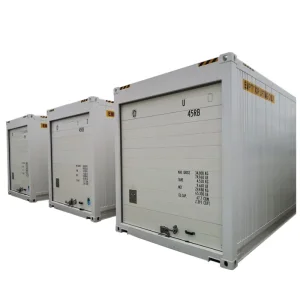
China 40ft High-Cube Roll Up Reefer Container
View Specifications -
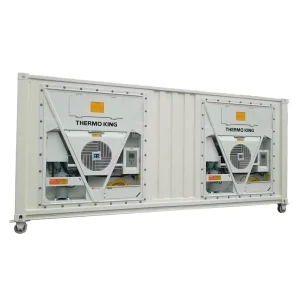
High-Quality Blast Reefer Containers Certified by Societies
View Specifications -
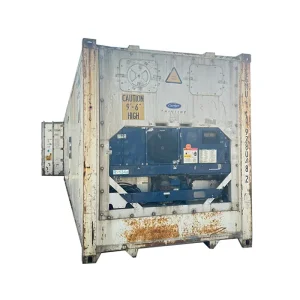
China Used 40ft High-Cube Certified Reefer Container
View Specifications -
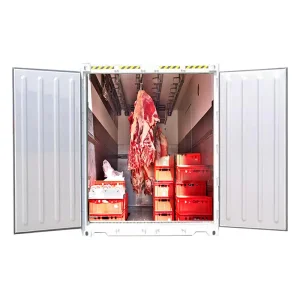
Brand New Hanging Meat Container for Low Temperature Transportation
View Specifications
Engineering & Sourcing Queries Answered
Critical technical, regulatory, and logistics answers for procurement directors, naval architects, and supply chain analysts.