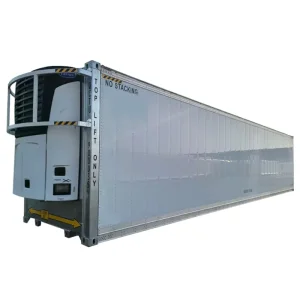
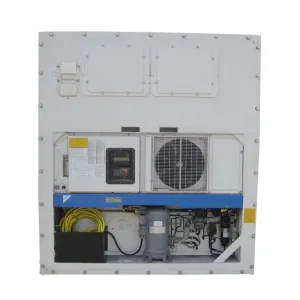
Engineered Storage & Reefer Deployments
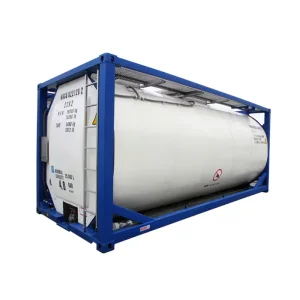
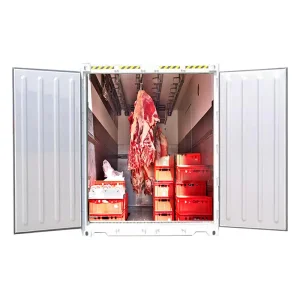
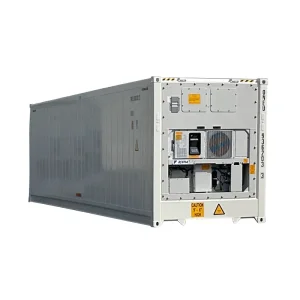
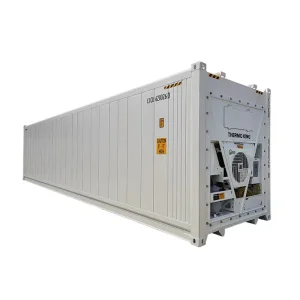
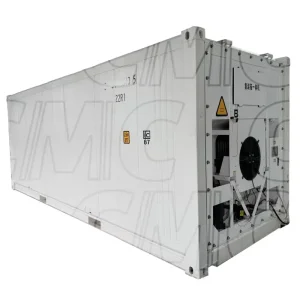
Standard, cold-chain, and pressurized containerized configurations deployed directly from our manufacturing terminals.
Global Macroeconomic Shifts & Industrial Storage Landscape
How dynamic nearshoring, critical supply chain redundancy, and energy transition projects are transforming containerized infrastructure from simple transport shells into intelligent static and mobile assets.
Resilient Nearshoring Buffers
As global manufacturers relocate and decentralize assembly hubs to Eastern Europe, Southeast Asia, and North America, on-demand high-cube steel storage modules provide rapid buffer inventory storage without the lead times and capital exposure of brick-and-mortar warehouse construction.
BESS & Grid Electrification
Energy storage systems demand structural fire containment, seismic structural rigidity, and controlled internal thermal loops. Containerized battery enclosures built from marine-grade SPA-H structural steel provide certified protection against external environmental shock.
Decentralized Cold Chains
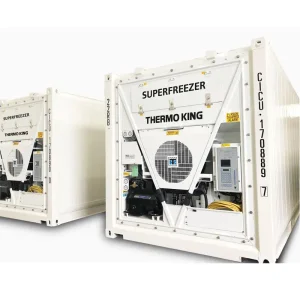
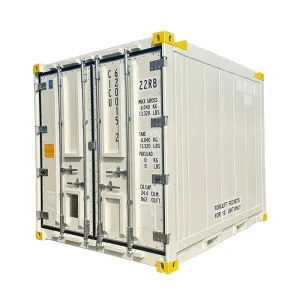
Global perishable distribution networks increasingly pivot away from massive centralized cold facilities toward agile distributed cold nodes. Solar-augmented hybrid reefer containers enable micro-hubs in deep rural agricultural zones and transit ports.
Industrial ODM Structural Capabilities
Our Tianjin and Suzhou manufacturing facilities execute build-to-print and joint development programs engineered to withstand heavy cyclic loading, thermal extremes, and corrosive sea-mist environments.
SPA-H Weathering Corten Steel
Structural profiles, corrugated side panels, corner castings, and heavy sill members are manufactured exclusively from high-tensile SPA-H Corten alloy steel, generating an adherent protective rust patina that self-heals under continuous marine exposure.
Epoxy & Polyurethane Marine Systems
Every structural component undergoes SA 2.5 centrifugal grit-blasting to eliminate mill scale, followed immediately by multi-stage high-solids zinc-rich epoxy primers and aliphatic polyurethane topcoats rated up to C5-M extreme marine durability levels.
Refrigeration Power Integration
Direct OEM engineering partnerships with Carrier, Daikin, and Thermo King enable custom power train implementations: dual 380V/220V electric topologies, intelligent DC-inverter brushless compressors, and smart remote telematics integration.
| Structural Parameter | 20ft ISO Heavy-Duty Dry | 40ft High-Cube Specialized Reefer | DNV 2.7-1 Offshore Unit |
|---|---|---|---|
| Base Material | SPA-H Corten Steel (Yield ≥ 345 MPa) | SPA-H Frame + Stainless SUS304 Liner | Structural High-Impact Welded Alloy Steel |
| Max Gross Weight (RATING) | 30,480 kg (67,200 lbs) | 34,000 kg (74,950 lbs) | Variable / Heavy-Lift Certified Up to 25,000 kg |
| Flooring Construction | 28mm Marine-Grade Hardwood Plywood | Extruded Aluminum T-Floor Air Duct | Chequered Steel Plate with Integrated Drainage |
| Thermal Insulation | Optional Polyurethane Injection / Rockwool | High-Density PUR Core (Overall U-Value ≤ 0.38 W/m²K) | Engineered Acoustic / Fire Rated Rockwool Core |
| Standard Certification | ISO 1496-1, CSC, UIC, TIR, BV Certified | ISO 1496-2, ATP Class FRC, BV, ISO9001 | DNVGL-ST-E271 (DNV 2.7-1) / EN 12079 Standards |
Localized Support & Global Compliance Framework
Exporting structural cargo solutions requires absolute verification of classification society rules, local port customs requirements, and environmental mandates across target regions.
CSC Safety Approvals
Every newly built storage and dry freight container carries an authorized CSC (Convention for Safe Containers) safety plate certified through Bureau Veritas (BV), confirming multi-tier stacking capacity up to 9-high fully laden loads.
ATP Thermal Certification
Refrigerated cargo modules comply fully with the European Agreement on the International Carriage of Perishable Foodstuffs (ATP), verifying heat transfer leakage indexes and continuous low-temperature retention down to -35°C.
ISO 9001 Quality Loops
Production runs incorporate strictly gated Quality Control Hold Points: steel ultrasonic flaw detection, weld penetrant inspection, automated robot seam accuracy, paint dry film thickness (DFT) checks, and 24-hour water-spray tightness tests.
Customs Clearing Readiness
Export documentation packets include mill test certificates (MTC), certified tare-weight calibration documentation, fumigation treatment marks (ISPM 15 timber floor compliance), and Bureau Veritas verification certificates.
Localized Application Scenarios Across Key Continents
Tailoring containerized storage assets to specific climatic, geographic, and operational environments across Africa, Europe, the Americas, and offshore basins.
Equatorial & Sahel Africa
Designed with external solar-shield roofing, high-efficiency sand filtration vents, and tropicalized compressor units that ensure stable operation in ambient temperatures exceeding +50°C without refrigerant lockup.
European Urban & Last-Mile
Equipped with low-noise Daikin electric refrigeration assemblies, ultra-fast roller-shutter side openings, and architectural dark exterior finishes that comply with metropolitan municipal noise emission ordinances and visual zoning restrictions.
North American Freight Rail
Built to withstand the severe buffing, longitudinal draft shocks, and dynamic vibration typical of double-stack rail operations, utilizing reinforced structural base tunnels and heavy gusset-plated corner castings.
Latin American Agriculture
Controlled Atmosphere (CA) high-cube reefers featuring nitrogen flushing valves and real-time ethylene scrubbing to retard ripening during intercontinental transit for sensitive fruits and produce.
Offshore North Sea & Gulf Basin
Manufactured under DNV 2.7-1 / EN 12079 criteria featuring low-temperature impact-tested steel, specialized 4-part wire-rope lifting slings, and safety-lock door closures designed for rough sea-crane transfers.
Mining & Remote Exploration
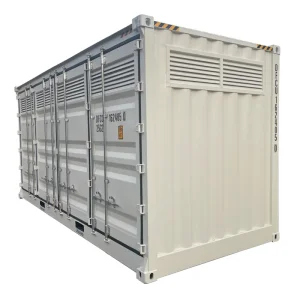
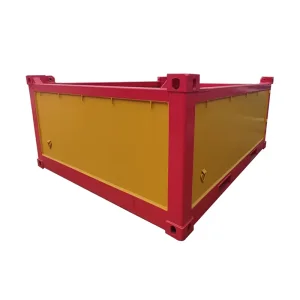
Heavy-duty specialized half-height and hazardous material open-side storage units engineered to survive continuous aggregate loading, chemical spillage, and high-altitude barometric pressures.
Engineering Roadmap: Next-Gen Container Technology
Our active R&D pipeline introduces low-carbon footprint alloys, advanced thermodynamic insulations, and full IoT fleet telemetry into modern container manufacturing.
Bio-Based Polyurethane
Transitioning standard foam injection systems to bio-polyol and water-blown agent formulations, reducing embodied carbon footprints by 22% while retaining thermal conductivity values below 0.019 W/mK.
Satellite IoT Edge Nodes
Autonomous solar-powered tracker pods fitted directly into the container corrugation, providing real-time door breach telemetry, shock alerts, GPS tracking, and multi-point interior temperature data without battery drain.
Lightweight Ultra-High Tensile
Integrating next-generation advanced high-strength steels (AHSS) into side corrugated press lines, decreasing tare weight by up to 14% while retaining full CSC stacking ratings to maximize payload capacity.
Phase Change Material (PCM)
Developing passive eutectic thermal storage linings capable of maintaining consistent perishable interior ranges for up to 36 hours during power outages, eliminating reliance on auxiliary generators.
Technical & Commercial FAQ
Direct, transparent answers regarding engineering validation, minimum manufacturing volumes, paint protection lifespans, and logistics schedules.
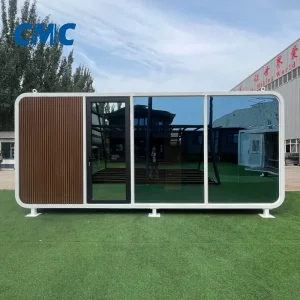
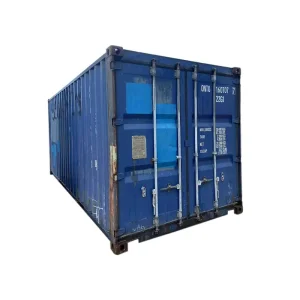
Modular, Tank & Industrial Enclosure Systems
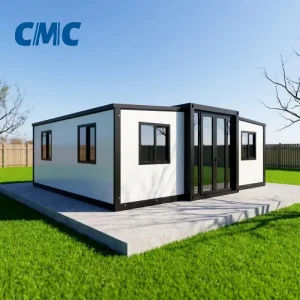
Specialized liquid logistics tanks, expandable modular structures, and second-hand dry freight stock ready for immediate international dispatch.