
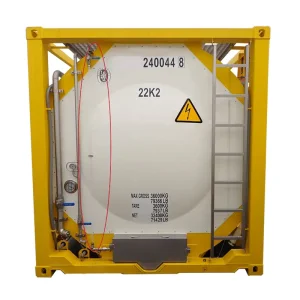
Precision Engineered Portfolio
Specialized Transporting Containers & Multimodal Fleet Units
Explore our custom OEM and ODM multimodal container solutions engineered for heavy-haul rail, bulk hazardous liquid distribution, deep-freeze cold chain integrity, and demanding offshore environments.
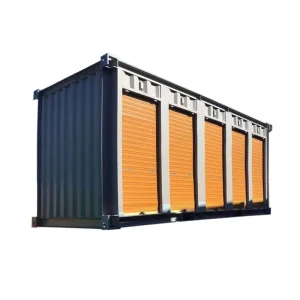
OEM New 20ft Storage Roll-Up Door Dry Cargo Container Pricelist, Product
Request Spec & Quote →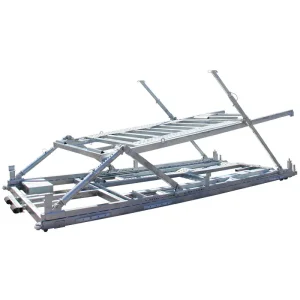
China vehicle transport rack Product, Exporters
Request Spec & Quote →
ODM The Smart Chain Cold Storage 20ft/40ft Solar Refrigerated Container 220V With DC Inverter Unit Pricelist, Exporters
Request Spec & Quote →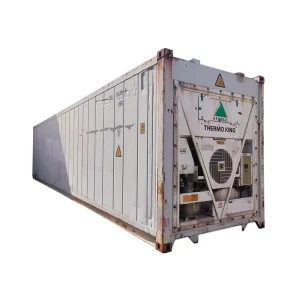
ODM New 40ft Refrigerated Freezer Container for Sale Factory, Exporter
Request Spec & Quote →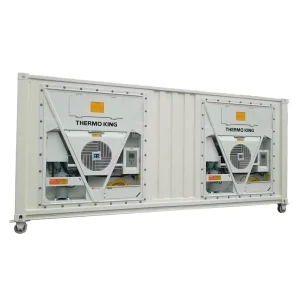
High-Quality The new blast reefer containers are certified by classification societies Manufacturers, Factories
Request Spec & Quote →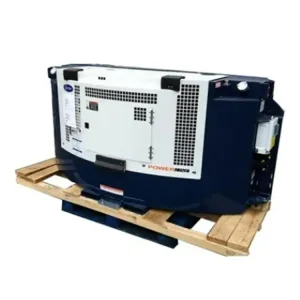
China Refrigerated container diesel generator Exporter, Quotes
Request Spec & Quote →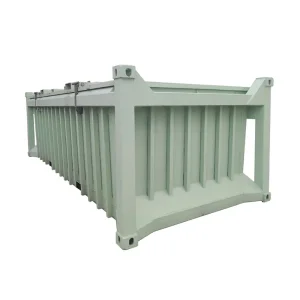
Buy New Half Height Ore Carrier Container Offshore Container Manufacturers, Quotes
Request Spec & Quote →
Executive Industry White Paper
The Evolution of Global Transporting Containers: Engineering, Reliability & ROI
Modern supply chains no longer rely on commoditized steel shells. Leading global conglomerates, intermodal operators, and chemical conglomerates demand customized ODM (Original Design Manufacturer) containers engineered for structural lifecycle endurance, dynamic thermal performance, and strict regulatory conformance.
40+ Years
Operational container fabrication expertise since our founding in 1983.
100 KM
Proximity from our automated manufacturing plants to major Tianjin & Suzhou deepwater ports.
100% Traceable
Mill-certified Corten-A steel with complete Bureau Veritas & DNV tracking data.
45+ Countries
Export reach spanning intermodal freight corridors in Africa, Europe, and the Americas.
Custom Metallurgical Architecture
We construct container framing using anti-corrosive SPA-H Corten steel, reinforced cross-members, and robotic seam-welding protocols. This yields higher tensile yield limits under multi-tier ocean stacking loads (up to 9-high laden stacking) and eliminates micro-fissure propagation during high-vibration transcontinental rail journeys.
Optimized TCO via ODM Customization
Off-the-shelf standard dry boxes force logistics teams to retrofit racks, thermal blankets, or partition walls. Our direct-from-factory ODM approach engineers specialized internal lashings, roller doors, cryogenic thermal insulation, and hazardous spill basins straight into the design drawing, eliminating retrofit downtime and lowering total lifecycle costs by up to 28%.
Extreme Environment Conformance
From sub-zero Arctic rail operations along Belt-and-Road corridors (-40°C structural resilience) to offshore salt-spray immersion certified to DNV 2.7-1 / EN 12079, our surface preparation incorporates zinc-rich epoxy primers and aliphatic polyurethane topcoats, resisting C5-M marine atmospheric corrosiveness ratings.
Integrated Industrial Cluster
Chinese Manufacturing Ecosystem: Scale, Agility & Direct Port Access
Why do global freight forwarders, energy infrastructure contractors, and retail conglomerates consolidate container purchasing in China? The answer lies in complete upstream raw material dominance, advanced automated robotics, and unprecedented logistics turnaround times.
Raw Material Integration
Our manufacturing complexes in Tianjin and Suzhou enjoy localized access to certified blast-furnace steel mills, specialized polyurethane foam formulators, and leading reefer compressor manufacturers (Carrier, Thermo King, Daikin). This insulated supply ecosystem eliminates international component bottlenecks and buffers clients against global raw-material price volatility.
Sub-100 KM Deepwater Terminal Access
Factory yards are positioned within 100 kilometers of the world's most active container transshipment terminals. Units roll directly off our final automated paint line and inspection bays directly onto domestic chassis, minimizing internal drayage expenses and allowing direct booking under Free On Board (FOB) or Cost, Insurance, and Freight (CIF) terms.
Robotic Assembly & Automated Painting
High-throughput manufacturing lines feature synchronized robotic plasma cutters, automated gantry welders, and environmentally friendly waterborne coating spray booths. This industrial automation ensures millimeter tolerances in door gasket fitment, zero-leak corners, and standardized tare weight metrics across entire fleet orders.
Compliance Framework & Audits
Meeting Global Enterprise Sourcing Requirements & Legal Mandates
International freight transit demands unconditional adherence to international maritime safety codes and classification societies. CIMIC delivers pre-certified hardware validated by leading global third-party inspection agencies.
CSC Safety Approval
Every dry, reefer, and tank container features an authenticated International Convention for Safe Containers (CSC) safety approval plate, certified for stack weight limits and racking test thresholds.
Bureau Veritas & DNV
Factory operations are BV verified under ISO 9001 quality management procedures. Offshore bins and carriers are audited against DNV 2.7-1 / EN 12079 dynamic drop and impact load testing standards.
IMDG & ASME Certification
Our ISO chemical and beverage tanks meet UN Portable Tank codes (T11/T14/T75), RID/ADR rail-road transport directives, and ASME Section VIII pressure vessel engineering benchmarks.
ATP Food-Grade Standards
Refrigerated cargo designs pass Class FRC certifications under the ATP treaty for perishable food transport, ensuring verified heat transfer coefficient (K-value ≤ 0.4 W/m²·K) insulation performance.
Engineering Data
Standard & Custom ODM Engineering Dimension Matrix
Review internal spatial footprints, maximum allowable payloads, and specialized application scopes across our key transporting container categories. Detailed parametric blueprints are available upon inquiry.
| Container Model Class | External Dimensions (L×W×H) | Internal Dimensions (L×W×H) | Tare Weight | Max Gross Mass (Payload) | Primary Industrial Use-Case |
|---|---|---|---|---|---|
| 20ft Standard Dry Cargo (20GP) | 6,058 × 2,438 × 2,591 mm | 5,898 × 2,352 × 2,393 mm | 2,200 kg | 30,480 kg (28,280 kg) | Dense mineral cargo, manufactured machinery, metal packaging |
| 40ft High Cube Dry (40HC) | 12,192 × 2,438 × 2,896 mm | 12,032 × 2,352 × 2,698 mm | 3,800 kg | 30,480 kg (26,680 kg) | Voluminous consumer freight, electronics, cross-border e-commerce |
| 40ft High Cube Reefer (40RH) | 12,192 × 2,438 × 2,896 mm | 11,583 × 2,290 × 2,557 mm | 4,500 kg | 34,000 kg (29,500 kg) | Pharmaceuticals, fresh agriculture, cryogenic seafood (-35°C to +30°C) |
| 20ft ISO Liquid Tank Container (T11) | 6,058 × 2,438 × 2,591 mm | 26,000 Liters Capacity (Cylindrical) | 3,650 kg | 36,000 kg (32,350 kg) | Food-grade alcohol, industrial solvents, hazardous liquid chemicals |
| DNV 2.7-1 Half Height Ore Carrier | 6,058 × 2,438 × 1,280 mm | 5,860 × 2,240 × 1,020 mm | 2,950 kg | 25,000 kg (22,050 kg) | Offshore platform operations, dense bauxite & lithium ore extraction |
Deployment Contexts
Field-Proven Deployment Across Global Operational Scenarios
Discover how CIMIC ODM transport hardware adapts to rigorous operating requirements across international multimodal networks.
Eurasian Trans-Continental Rail Corridors
Long-haul rail corridors connecting China, Central Asia, and Europe face temperature variations from -40°C in Siberian winters to +45°C in desert summers. Our specialized "Belt and Road" railway refrigerated units combine diesel generator backup packs with smart satellite telematics, preserving temperature-critical electronics and perishable foods without power drops.
Offshore Energy Extraction & Deep-Sea Rigs
Operating in the North Sea, Gulf of Mexico, and West African offshore oilfields requires hardware impervious to wave slap, mechanical impact, and dynamic crane snatch forces. Certified to DNV 2.7-1, our half-height ore boxes and offshore baskets feature integrated lifting pad-eyes and slings, ensuring high personnel safety and operational durability.
Urban Distribution & Modular Micro-Warehousing
Last-mile fulfillment hubs throughout European and North American metropolitan zones demand agile storage footprinting. Our custom roll-up door containers and nested mini-containers (4ft to 12ft) allow rapid placement on tight concrete pads, providing secure self-storage, contractor tool storage, or pop-up cold storage rooms.
Industry Trajectory
Future Trends Transforming Container Logistics Equipment
The shipping container market is rapidly evolving beyond passive steel structures into connected, sustainable industrial assets. Key technical advancements include:
Embedded IoT & Telematics Integration
Modern fleet procurement contracts now routinely mandate integrated sensor arrays. Real-time GPS location tracking, door-opening tamper detection, interior atmospheric telemetry, and compressor health diagnostics are directly embedded into the container framework during factory fabrication, feeding cloud platforms via low-power satellite and 5G connectivity.
Solar-Hybrid & DC-Inverter Refrigeration
Rising fuel costs and decarbonization policies are accelerating the adoption of self-powered reefer units. Our solar-integrated container prototypes utilize roof-flush photovoltaic arrays coupled with variable-frequency DC inverter compressors, reducing diesel generator fuel burn by up to 35% across intermodal transits.
Recyclability & Eco-Coating Chemistry
Stringent international VOC emissions targets drive the phase-out of traditional solvent coatings. CIMIC uses water-based, solvent-free primers alongside recycled vacuum-insulated panels (VIP). This delivers superior thermal insulation while improving the container's structural recyclability profile at end-of-life decommission.
Expanded Inventory Selection
Specialty Fleet Transport Containers, Reefers & Offshore Hardware
Explore additional factory-built units, from cryogenic liquid transport to modular nested containers, engineered to ISO container dimensions and tailored to project requirements.
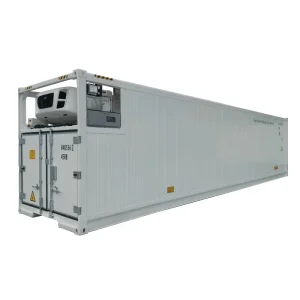
Famous New 40-foot high cube & 45-foot "Belt and Road" railway refrigerated container. Product, Products
Request Spec & Quote →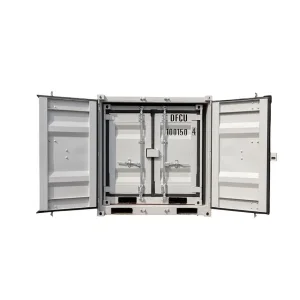
High-Quality Durable Cargo Shipping Container 4Ft/5Ft/6Ft/7Ft/8Ft/9Ft/10Ft/11Ft/12Ft Mini Storage Container Nested Shipping Container Manufacturers, Factories
Request Spec & Quote →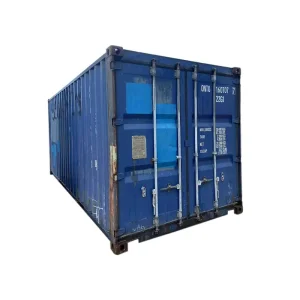
ODM 40ft Used Dry Cargo Shipping Container Manufacturers, Quotes
Request Spec & Quote →
High-Quality New Offshore Basket Container for Offshore Operations Exporter, Exporters
Request Spec & Quote →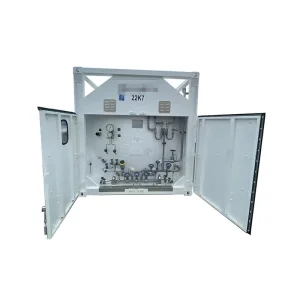
Famous T75 20ft Cryogenic Liquid Tank Container Products, Exporters
Request Spec & Quote →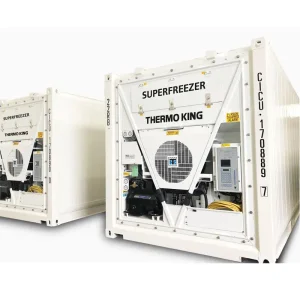
OEM New Deep Freezer Refrigerator Container For Sale Factory, Quotes
Request Spec & Quote →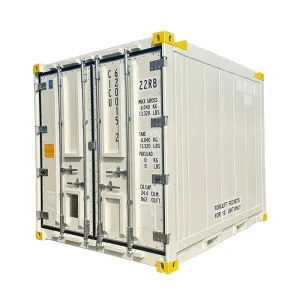
High-Quality New 10ft Certified Thermo King Freezer Container Exporter, Manufacturers
Request Spec & Quote →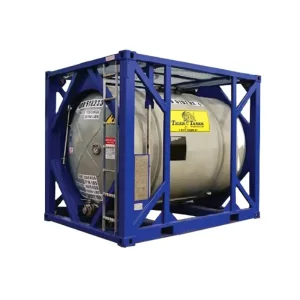
Buy New DNV Certification 10ft Offshore Tank Container Factory, Products
Request Spec & Quote →
Procurement Knowledge Base
Frequently Asked Questions: Technical Specs, ODM & Commercial Terms
Get immediate, transparent answers regarding container customization parameters, delivery timelines, classification approvals, and payment frameworks.
What types of shipping containers does CIMIC manufacture and supply?
We manufacture and export reefer (refrigerated) containers, standard and high-cube dry cargo containers, offshore cargo baskets, insulated thermal containers, ISO intermodal tank containers, modular accommodation units, and specialized designs including side-open door, roller-shutter, and blast-freezer setups. Certified used reefer and dry containers are also stocked at Chinese ports for quick-turnaround requirements.
Can CIMIC engineer fully customized OEM/ODM container structures?
Yes. Tailor-made OEM and ODM projects are our primary engineering focus. Our design team reviews your specific cargo volume, operational route, terrain, and temperature criteria. We then confirm complete structural CAD/3D drawings—covering dimensions, steel grade, door configurations, insulation thickness, and mechanical fittings—before cutting steel.
Which third-party certifications and maritime standards do your containers carry?
CIMIC holds Bureau Veritas (BV) factory production certification and ISO 9001 quality system credentials. Standard containers are fully compliant with ISO 668 dimensions and CSC safety plate regulations. In addition, our offshore containers and lifting frames are built to meet DNV 2.7-1 / EN 12079 structural impact and sling requirements.
Which refrigeration machinery options are installed in CIMIC reefer containers?
We engineer reefer units fitted with Carrier Transicold, Thermo King, and Daikin refrigeration equipment. Containers can be configured in 10ft, 20ft, 20HC, 40ft, and 40HC dimensions, supporting operating ranges from -35°C deep freeze to +30°C controlled-atmosphere storage. Custom dual-compressor redundant setups are also available.
Where are your inventory yards and manufacturing facilities located?
Our core manufacturing plants and direct-to-port inventory depots are located in Tianjin and Suzhou, China. Both hubs are situated approximately 100 km from major container terminals, streamlining drayage schedules, vessel loading, and export customs clearance to destinations worldwide.
What is the typical production lead time for an ODM container order?
Standard ISO containers typically ship within 15 to 25 business days following final drawing confirmation. Specialized ODM builds, offshore DNV equipment, or cryogenic tank orders generally require 30 to 45 business days to accommodate custom tooling, component sourcing, pressure vessel hydrostatic testing, and independent classification audits.