Featured OEM Specialized Shipping & Reefer Containers
Precision-fabricated intermodal transport equipment tested under rigorous finite element analysis (FEA), Bureau Veritas inspections, and international CSC compliance standards.
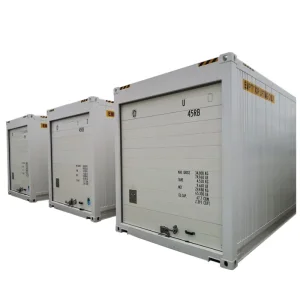
China 40ft High-Cube Roll Up Reefer Container Customized Shipping Containers Factory, Manufacturers
Explore Specifications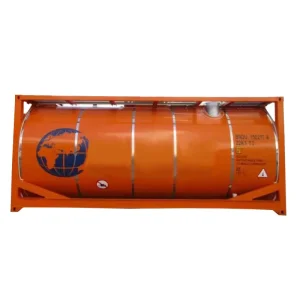
China 20 Foot ISO Liquid Tank Container for Water Manufacturer, Product
Explore Specifications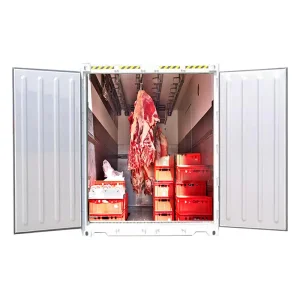
High-Quality Brand new hanging meat container for low temperature fresh transportation Pricelist, Products
Explore Specifications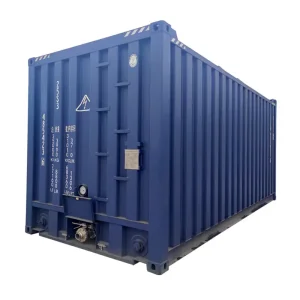
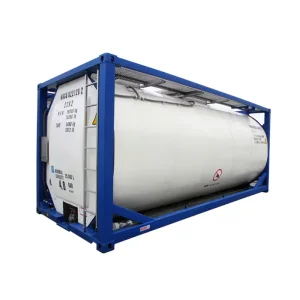
Buy New 20ft Square Liquid Container Factory, Product
Explore Specifications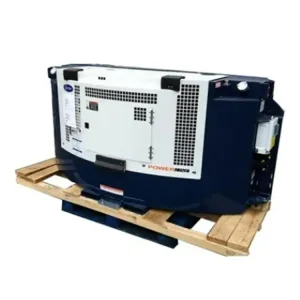
China Refrigerated container diesel generator Exporter, Quotes
Explore Specifications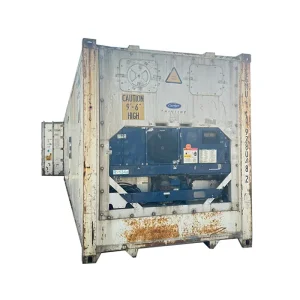
China Used 40ft High-Cube Certified Reefer Container Pricelist, Exporter
Explore Specifications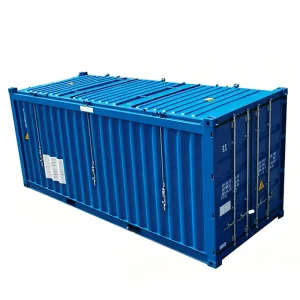
China 20ft New Hard Open Top Shipping Container Manufacturer, Factories
Explore Specifications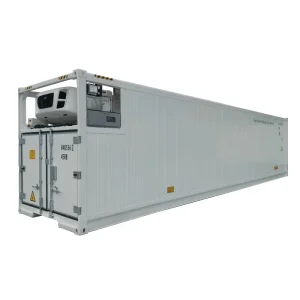
Famous New 40-foot high cube & 45-foot "Belt and Road" railway refrigerated container. Product, Products
Explore SpecificationsNavigating Modern Intermodal Freight Disruption
Addressing supply chain bottlenecks, extreme temperature gradients, and multi-modal transfer stresses with custom-engineered container architecture.
The international intermodal shipping ecosystem has entered a structural paradigm shift. No longer confined to commoditized, dry freight storage boxes, industrial end-users, global freight forwarders, and institutional energy projects demand bespoke, highly engineered containerized assets. As an OEM container industry manufacturer operating four production lines within 100 kilometers of the world's most active deepwater ports in Tianjin and Eastern China since 1983, we engineer multi-modal solutions capable of withstanding the dynamic compressive forces, extreme marine salinity, and microclimatic stresses encountered across intercontinental trade routes.
Thermally Isolated Cold Chains
Integration of high-density cyclopenthane polyurethane foam insulation paired with Daikin, Thermo King, and Carrier refrigeration drives. Engineered for temperature precision between -35°C and +30°C across 6,000-mile transit legs.
Modular Industrial Architecture
Pre-engineered structural framing utilizing high-tensile SPA-H Corten steel for mobile data centers, BESS energy storage units, offshore mudlogging laboratories, and expandable accommodation platforms.
Harsh Environment Offshore Units
Heavy-duty open-top silt baskets, chemical transfer skids, and equipment modules fabricated according to DNV GL 2.7-1 and EN 12079 specifications, certified for dynamic deepwater crane sling impacts.
Hazardous Liquid ISO Tanks
UN Portable T11, T14, and T50 stainless steel 316L pressure vessels mounted inside full ISO outer frames, equipped with steam heating jackets, baffle plates, and inert nitrogen purging systems.
Macro-Economic Dynamics of OEM Container Sourcing
Evaluating trade corridor capacity, lifecycle optimization, and the transition toward purpose-built intermodal assets.
Industrial Intelligence Briefing: Over 92% of the world's intermodal shipping containers originate from specialized Chinese manufacturing clusters. Shifting procurement strategies among Tier-1 leasing companies and multinational enterprises highlight a decisive pivot away from uniform standardized boxes toward custom OEM modifications—integrating side-opening bi-fold doors, specialized floor reinforcement for mining machinery, and IoT-driven cold chain monitoring systems tailored to cross-border rail routes.
The macroeconomic demand for intermodal containers is increasingly decoupling from simple global GDP growth. Instead, it is being accelerated by the expansion of Eurasian transcontinental rail corridors, localized cold-chain supply mandates across Southeast Asia and Africa, and the capital expenditure influx into containerized Battery Energy Storage Systems (BESS). As an established OEM manufacturer, our production methodology solves the fundamental bottlenecks faced by logistics operators:
Eurasian Land-Bridge Durability
Rail operations along the "Belt and Road" corridor experience ambient thermal swings ranging from -45°C in Kazakhstan and Siberia to +40°C in inland dry hubs. Standard dry containers suffer floor warpage, seal embrittlement, and internal condensation ("container sweat"). We solve this through low-temperature impact alloy steels, secondary drainage channels, and reinforced 45-foot High-Cube rail chassis designs.
Supply Chain Reshoring & Port Queues
With terminal dwell times fluctuating at congested transshipment nodes, logistics managers require containers capable of serving as auxiliary, weatherproof field warehouses. Our 20ft and 40ft units feature heavy-duty multi-point security locking rods, anti-vandal lock boxes, and marine-grade polyurethane topcoats to eliminate corrosion during prolonged coastal storage.
Decarbonization & Tare Weight Engineering
Fleet decarbonization targets require significant tare-weight reductions without sacrificing safety margins under 9-high fully loaded stacking criteria. By strategically incorporating high-yield-strength cold-rolled micro-alloyed steels, our engineering division delivers tare weight reductions of up to 4.8%, translating into decreased vessel fuel consumption and higher allowable payload capacity.
Standardized Industrial Container Engineering Reference
Comprehensive internal tolerances, gross structural capacities, and specific payload allowances across OEM fleet configurations.
| ISO Configuration Profile | External Dimensions (L × W × H) | Internal Dimensions (L × W × H) | Cubic Capacity | Max Gross Mass (MGM) | Tare Weight | Primary Industrial Application |
|---|---|---|---|---|---|---|
| 20ft Standard Dry (20GP) | 6.058 × 2.438 × 2.591 m | 5.898 × 2.352 × 2.393 m | 33.2 m³ | 30,480 kg | 2,230 kg | Dense minerals, bulk cargo, heavy manufacturing parts |
| 40ft High-Cube Dry (40HC) | 12.192 × 2.438 × 2.896 m | 12.032 × 2.352 × 2.698 m | 76.4 m³ | 32,500 kg | 3,880 kg | High-volume consumer electronics, auto parts, e-commerce |
| 45ft High-Cube Intermodal | 13.716 × 2.438 × 2.896 m | 13.556 × 2.352 × 2.698 m | 86.0 m³ | 34,000 kg | 4,350 kg | Cross-border rail corridors, pallet-wide freight systems |
| 20ft ISO Liquid Tank Container | 6.058 × 2.438 × 2.591 m | Cylindrical 316L Vessel | 24,000 L | 36,000 kg | 3,650 kg | Chemical logistics, potable water, food-grade edible oils |
| 40ft High-Cube Reefer (40RH) | 12.192 × 2.438 × 2.896 m | 11.583 × 2.290 × 2.557 m | 67.8 m³ | 34,000 kg | 4,480 kg | Cold-chain pharmaceuticals, meats, fresh produce |
| DNV 2.7-1 Offshore Silt Basket | Custom (6.100 × 1.200 × 1.250 m) | Open Profile Internal | Custom | 15,000 kg | 2,100 kg | Drilling mud logging, subsea tooling, offshore rigs |
*Note: All data reflects structural baseline thresholds validated under ISO 1496/1 testing procedures. Custom OEM alterations directly impact floor load deflection tolerances, internal linings, and operational tare weights.
International Engineering Audits & Traceability
Navigating complex international certifications to ensure frictionless global deployment across ocean carriers, railway networks, and offshore waters.
CSC Structural Approval
Every newly manufactured container undergoes rigid testing governed by the International Convention for Safe Containers (CSC). Units endure transverse and longitudinal racking tests, 2g floor load strength tests, and static roof load testing verified by Bureau Veritas (BV) or ABS surveyors.
Customs Convention (TIR)
Customs-approved sealing arrangements, tamper-proof hinge pins, and continuous welding profiles prevent clandestine cargo insertion. Certified compliance ensures unobstructed border clearance across transcontinental road and rail crossings.
DNV GL 2.7-1 / EN 12079
Offshore logistics demands stringent metallurgical scrutiny. Containers feature full penetration welds, normalized steel casting padeyes, non-destructive ultrasonic weld testing (NDT), and documented Charpy V-notch impact toughness to prevent brittle failures at -20°C.
C5-M Heavy Marine Coating
Surface preparation strictly adheres to ISO 8501-1 Sa 2.5 blast cleaning. Paint systems utilize zinc-rich epoxy primers, high-build polyamide intermediate coats, and acrylic/polyurethane topcoats providing 15-year warranties against salt-spray corrosion.
Engineered Intermodal Applications Across Global Sectors
From Sub-Saharan mining ventures to Arctic transits: Real-world operational scenarios where OEM-engineered shipping containers mitigate critical failure risks.
Trans-Siberian Cold-Chain Rail
Challenge: Pharmaceutical and biological freight transit over 9,000 km in ambient temperatures plunging beneath -40°C.
OEM Solution: We deploy 40ft High-Cube insulated reefers featuring thickened vacuum insulation panels (VIP), dual-redundant diesel clip-on generator sets (gensets), and telematics relaying live chamber telemetry via Iridium satellite.
Remote Lithium-Ion Battery Storage (BESS)
Challenge: Renewable utility operators require standardized enclosures resistant to thermal runaway, violent deflagration, and internal HVAC failures.
OEM Solution: Custom 20ft/40ft walk-in BESS containers featuring structural explosion-relief roof panels, FM-200 fire suppression plumbing, internal thermal barriers, and reinforced floor channels rated for 30-ton localized cell loads.
Deepwater Offshore Support Skids
Challenge: North Sea and Gulf of Mexico platforms face dynamic sea-state shock forces during ship-to-platform container transfers.
OEM Solution: Custom silt baskets and half-height cargo boxes engineered according to DNV GL 2.7-1 with integrated four-leg wire rope lifting slings, drainage sluices, and sacrificial zinc internal anodes for extended immersion life.
The Next Horizon of Container Engineering
Integrating autonomous telemetry, circular carbon-neutral steel, and aerogel cryogenic barriers into the next generation of logistics assets.
IoT Mesh Sensor Enclosures
Embedding self-powered, solar-harvesting micro-sensors directly within the corrugation profiles to capture continuous structural flexure, vibration shocks, door tamper cycles, and internal atmospheric gas concentrations (CO₂ / O₂).
Hydrogen Fuel-Cell Clip-On Drives
Replacing standard fossil-fueled auxiliary diesel generators (gensets) with integrated solid-state hydrogen fuel cell power packs for reefer trains, unlocking true zero-emission overland cold chains over 1,500+ nautical miles.
Circular Zero-Carbon Steels
Implementing electric arc furnace (EAF) recycled high-strength alloys processed with green hydrogen direct reduction (DRI), slashing the embodied carbon per 40ft container by 64% while maintaining structural load-bearing capacity.
Frequently Answered Industrial Engineering Questions
In-depth guidance for global procurement teams, fleet operators, and project contractors sourcing from China.
What structural steel grades are utilized for high-load shipping container manufacturing?
How does an OEM custom container order proceed from drawing to delivery?
What are the thermal insulation differences between standard dry boxes and OEM reefer units?
Can containers be supplied with pre-installed generator sets (gensets) for prolonged transit?
What testing is performed to satisfy DNV 2.7-1 certifications for offshore containers?
Offshore, Modular, and Liquid Transport Equipment
Engineered for extreme operating environments, modular deployments, and bulk chemical distribution.
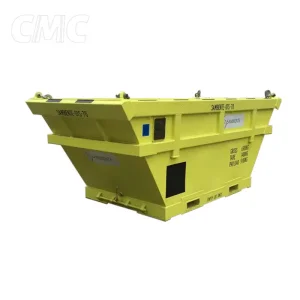
Famous DNV Certification Silt Basket Container Used in Offshore Operations Factories, Exporters
Explore Specifications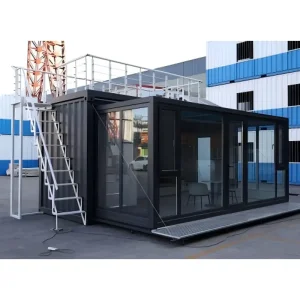
Famous 20ft Foldable Prefab Modular Homes Mobile Expandable Container House Prefabricated House with Bathroom Manufacturer, Exporters
Explore Specifications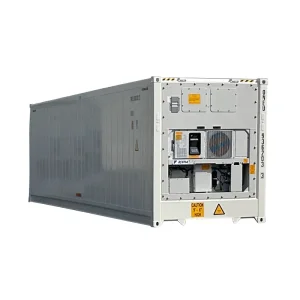
OEM New 40ft High-Cube Daikin Freezer Container Cold Storage Room Manufacturer, Products
Explore Specifications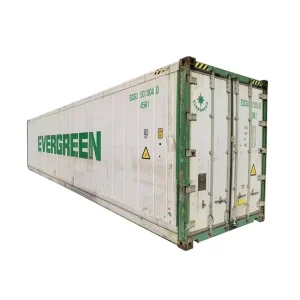
Buy Used 40ft HC Shipping Reefer Container Manufacturers, Exporters
Explore Specifications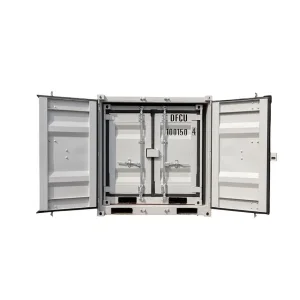
High-Quality Durable Cargo Shipping Container 4Ft/5Ft/6Ft/7Ft/8Ft/9Ft/10Ft/11Ft/12Ft Mini Storage Container Nested Shipping Container Manufacturers, Factories
Explore Specifications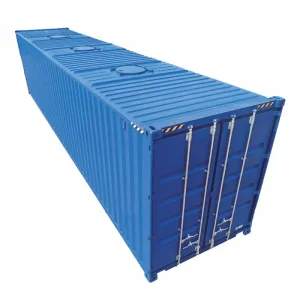
Buy 20 Feet Shipping Bulk Container Manufacturer, Exporters
Explore Specifications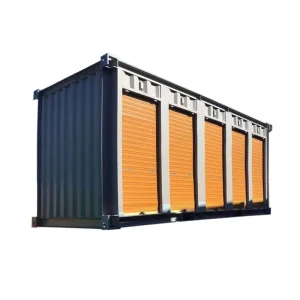
OEM New 20ft Storage Roll-Up Door Dry Cargo Container Pricelist, Product
Explore Specifications