
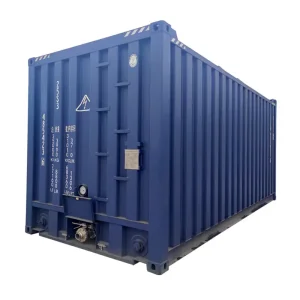
Primary Export Catalog
Specialized Marine & Intermodal High-Cube Containers
Explore heavy-duty, certified container hardware engineered for global transport lines, bulk liquid logistics, and critical temperature-controlled cargo.
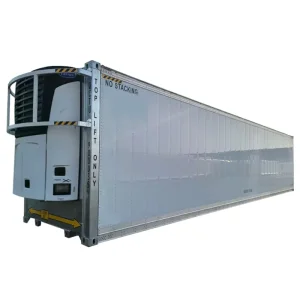
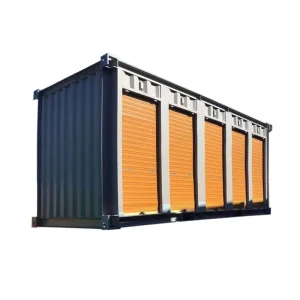
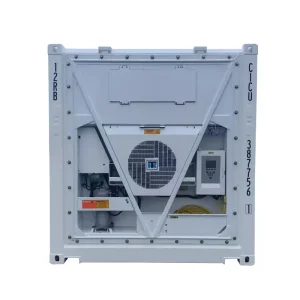
Technical Whitepaper & Strategic Sourcing
Engineering Precision: Navigating OEM HQ Container Fabrication in China
A comprehensive examination of metallurgical parameters, high-cube volumetric economics, and smart manufacturing resilience.
In modern multimodal freight transit, the High Cube (HQ / HC) container represents far more than an extra vertical foot of storage. Standard ISO 40ft dry containers typically provide an exterior height of 8 feet 6 inches (2,591 mm), yielding approximately 67.7 cubic meters of internal volume. By extending the vertical envelope to 9 feet 6 inches (2,896 mm), a 40ft High Cube yields up to 76.3 to 76.4 cubic meters—an instantaneous ~13% volumetric increase without expanding the standardized deck footprint. For global logistics directors, freight forwarders, and intermodal leasing conglomerates, this volumetric surplus is the primary lever for maximizing payload densities for high-cube, low-density consignments such as e-commerce goods, consumer electronics, automotive parts, and high-tech modular machinery.
"The profitability of long-haul marine corridors is dictated by volumetric utility. OEM High-Cube engineering converts standard vessel slots into maximum cubic yield, reducing the ocean freight cost per cubic meter by double-digit margins."
As a seasoned OEM HQ container exporter operating with historical fabrication lineages tracing back to 1983, navigating the rigorous engineering matrix required for structural viability is non-negotiable. Containers are subjected to harsh dynamic forces: longitudinal racking, transverse twisting during rough sea swells, 9-high stacking loads totaling over 192,000 kg on corner posts, and continuous salt-spray exposure. Delivering world-class performance requires strict adherence to international standards, primarily ISO 1496-1 for freight containers, Bureau Veritas (BV) certification, and DNV standards for offshore lifting safety.
SPA-H Corten Steel Chemistry
Every OEM HQ container under our supervision is forged using certified atmospheric corrosion-resistant SPA-H Corten steel. When exposed to ocean moisture, this metallurgical formulation develops a dense passivation layer of insoluble copper-chromium-phosphorus oxides, sealing the substrate against deep pitting and structural degradation.
Port-Proximate Industrial Clusters
Strategically situated in Tianjin and Suzhou industrial pilot zones—within a ~100 km radius from primary international container terminals—our export infrastructure eliminates expensive multimodal drayage delays, optimizes trailer dispatching, and facilitates direct pier side staging.
Rigorous Robotic Sub-Arc Welding
Automated seam tracking and tandem submerged arc welding (SAW) technologies guarantee uniform bead penetration across corrugated wall panels, header plates, and reinforced bottom side rails, ensuring flawless air-tightness and micro-fracture resistance under severe sea states.
Macro Logistics Trends
The Paradigm Shift in HQ Container Procurement
Evaluating multi-industry shifts toward standardized high-cube platforms for intermodal efficiency, specialized conversions, and cold chain security.
The contemporary container manufacturing sector is undergoing profound evolutionary transformations. Driven by volatile supply chain dynamics, stricter environmental compliance mandates (such as the decarbonization trajectories set forth by the International Maritime Organization), and digital integration, enterprise buyers are reassessing their container portfolio strategies. Procurement leads are pivoting away from generic, spot-market acquisitions toward customized, long-term OEM/ODM production agreements.
1. Shift Toward Eco-Conscious Surface Engineering: Traditional solvent-borne zinc primers and polyurethane topcoats are rapidly being superseded by advanced water-borne coating systems and low-VOC epoxy resins. Our manufacturing pipelines incorporate multi-stage shot-blasting to Sa 2.5 standards followed by robotic waterborne zinc application, delivering superior salt-spray corrosion resistance (surpassing 1,500 hours ASTM B117 testing) while meeting rigorous international environmental covenants.
2. Telematics & Cold-Chain Integration: High-cube refrigerated containers (Reefer HQ) are no longer passive boxes. Modern units are built with integrated Carrier Transicold, Thermo King, or Daikin refrigeration plants featuring IoT-enabled remote monitoring modules. Enterprise cold chain shippers demand continuous digital visibility over core cargo temperatures, atmospheric O2/CO2 levels in controlled atmosphere (CA) regimes, and electrical compressor fault codes in real time.
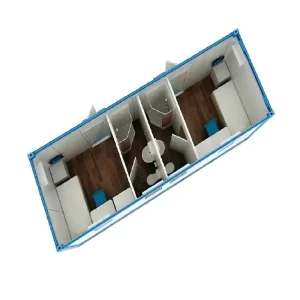
3. Structural Modularization for Non-Marine Applications: Beyond traditional maritime freight, OEM HQ container designs are increasingly adopted across energy storage systems (BESS), mobile data centers, water treatment skid assemblies, and modular architectural housing. The standardized exterior dimensions paired with enhanced vertical clearance allow turn-key installation of industrial racks, heavy HVAC ducts, and fire suppression systems without requiring custom structural frame fabrication from scratch.
| Dimensional Metric | 20ft Standard (GP) | 40ft Standard (GP) | 40ft High Cube (HQ/HC) | 40ft Reefer HQ (RH) |
|---|---|---|---|---|
| External Length | 6,058 mm (20' 0") | 12,192 mm (40' 0") | 12,192 mm (40' 0") | 12,192 mm (40' 0") |
| External Height | 2,591 mm (8' 6") | 2,591 mm (8' 6") | 2,896 mm (9' 6") | 2,896 mm (9' 6") |
| Internal Volume | 33.2 m³ (1,172 cu ft) | 67.7 m³ (2,390 cu ft) | 76.4 m³ (2,698 cu ft) | 67.6 m³ (2,387 cu ft)* |
| Max Gross Weight (Rating) | 30,480 kg (67,200 lbs) | 30,480 kg (67,200 lbs) | 32,500 - 34,000 kg | 34,000 kg (74,950 lbs) |
| Tare Weight (Typical) | 2,200 kg (4,850 lbs) | 3,750 kg (8,267 lbs) | 3,900 kg (8,598 lbs) | 4,600 kg (10,140 lbs) |
*Internal volume for Reefer HQ accounts for thick polyisocyanurate (PIR) insulation walls and machinery compartment.
Enterprise Solutions
Global Applications: Tailored Intermodal Engineering
Deploying specialized high-cube architectures across complex industrial sectors, extreme environmental corridors, and specialized logistics lines.
Automotive & Machinery Logistics
Equipped with internal lashing eyes (up to 2,000 kg shear capacity each), reinforced tie-down bars, and custom rack integration, our 40ft HQ dry containers allow roll-on/roll-off and dual-tier stacking of complete passenger vehicles and knockdown equipment without transit shifts.
Offshore Energy Platforms
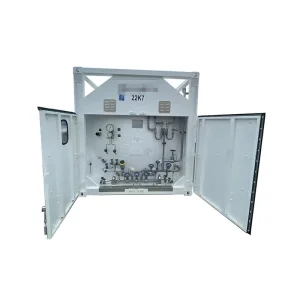
Fabricated in compliance with strict DNV 2.7-1 / EN 12079 structural dynamics, our offshore containers withstand harsh North Sea and tropical Gulf marine atmospheres, certified for dynamic lifting via specialized wire rope slings and pad-eyes tested for non-destructive MT/PT.
Clean Energy & Battery Storage (BESS)
Custom OEM enclosures with heavy-gauge corrugated reinforcements, explosion-relief roof hatches, thermal insulation, and precision-cut cable gland plates engineered specifically for utility-scale lithium iron phosphate (LiFePO4) storage banks and inverter stations.
Pharmaceutical & Perishable Cold Chain
Deploying Carrier and Thermo King integrated cooling plants with micro-channel condensers, deep T-bar aluminum extrusion floor designs, and antibacterial stainless steel interior linings for uninterrupted temperature integrity from -35°C deep-freeze to +30°C climate stabilization.
Specialized Heavy Industry Units
Expanded Intermodal Fleet Solutions
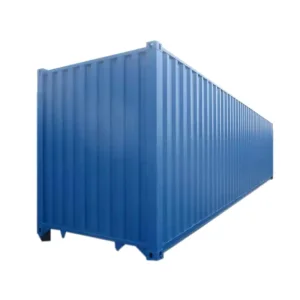
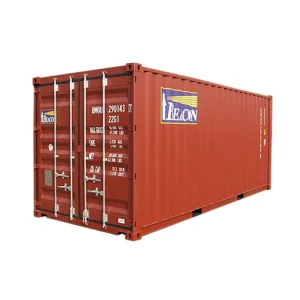
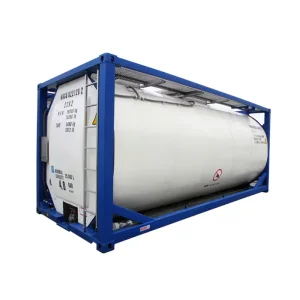
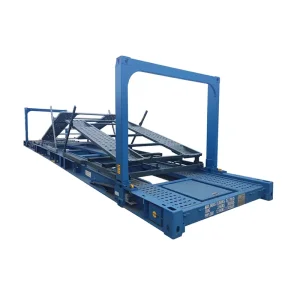
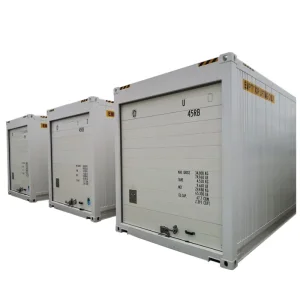
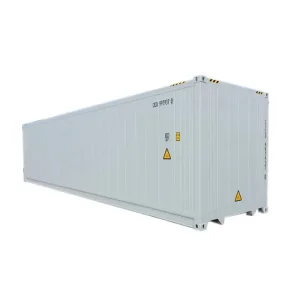
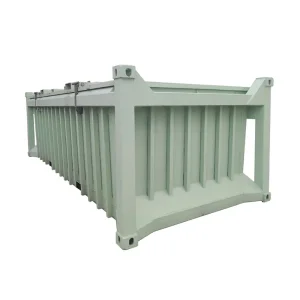
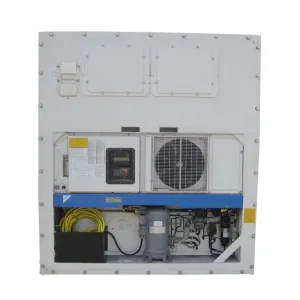
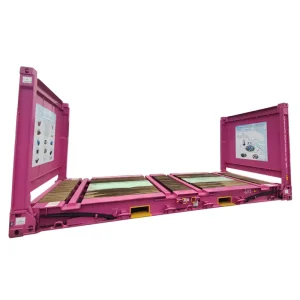
Direct manufacturer supply for roll-up refrigerated units, cryogenic vessels, and specialized bulk transport frames.
Procurement Advisory
Frequently Asked Questions: OEM HQ Container Export & Customization
Authoritative guidance addressing common engineering, logistics, customs, and pricing queries for global container buyers.
What specific manufacturing certifications validate the structural integrity of your containers?
Every batch of dry cargo, High Cube (HQ), and specialized container manufactured at our facilities is rigorously designed and produced under verified ISO 9001 quality management routines. The containers carry type-approval certificates issued by top-tier International Classification Societies, notably Bureau Veritas (BV), the American Bureau of Shipping (ABS), and China Classification Society (CCS). Standard units carry a fully stamped CSC (International Convention for Safe Containers) safety plate, validating their compliance for immediate integration into worldwide ocean shipping lines. Offshore specialized units additionally comply with DNV 2.7-1 / EN 12079 design and non-destructive testing requirements.
How do factory-direct OEM/ODM customization workflows operate for custom container configurations?
Our OEM/ODM engineering division executes a systematic 5-stage qualification process. First, buyers provide a comprehensive operational brief covering cargo classification, total gross mass, target transport corridors, and specific physical requirements (such as dual-end roll-up doors, insulated paneling, side-open flaps, or machinery mounting brackets). Second, our structural engineering team drafts complete 2D/3D CAD models and Finite Element Analysis (FEA) reports for buyer approval. Third, upon technical sign-off, a pilot prototype is built and subjected to destructive and non-destructive load tests (racking, wall deflection, weather tightness). Fourth, full-line robotic assembly commences with documented quality check milestones. Finally, certified pre-shipment inspections (PSI) and export documentation are furnished prior to port staging.
What are the key technical differences between standard 40ft GP and 40ft HQ containers?
The primary distinction lies in vertical clearance and cubic volumetric yield. A 40ft General Purpose (GP) container features an exterior height of 8'6" (2,591 mm) and an interior clearance of approximately 2,393 mm, generating 67.7 m³ of interior space. A 40ft High Cube (HQ/HC) has an exterior height of 9'6" (2,896 mm) and an interior clearance of 2,698 mm, providing an expanded interior volume of 76.4 m³. This 305 mm (1 foot) extra height enables significant freight savings when transporting lightweight, voluminous freight, or when installing insulation, dropped false ceilings, and heavy machinery without constraining human working clearances.
What refrigeration systems are deployed in your refrigerated (Reefer) HQ container units?
We partner directly with leading international marine refrigeration manufacturers to equip our insulated reefer containers. Depending on procurement requirements, units can be specified with Carrier Transicold (such as the ThinLINE, PrimeLINE, or NaturaLINE series), Daikin (Zestia series), or Thermo King (Magnum Plus). Units are engineered to operate seamlessly across global industrial power standards (380/460V, 50/60Hz, 3-phase) and deliver stable thermal maintenance ranging from -35°C to +30°C, backed by globally supported warranty networks and spare parts availability.
What are the port departure and export delivery advantages of your Tianjin and Suzhou manufacturing facilities?
Our production hubs are located approximately 100 km from major international container ports: the Port of Tianjin in Northern China and the Port of Shanghai/Taicang serving our Suzhou facility. This geographic layout significantly mitigates inland transit risks, cuts down inland drayage expenses, and facilitates direct 'One-Way' container leasing shipments or SOC (Shipper Owned Container) sea voyages. Container availability directly near critical maritime gateways drastically shortens lead times from factory floor completion to ocean vessel loading.
How can international buyers request and evaluate an accurate export quotation?
To request an actionable, locked-in export quote, buyers should specify container dimensions (e.g., 20ft, 40ft HQ, or non-standard profiles), required customization depth (standard dry, side doors, reefer machinery brand, insulation thickness), desired order volumes, and target Incoterms (typically FOB Tianjin/Shanghai or CIF destination port). Quotations account for raw material pricing indices (SPA-H steel, zinc coating costs) and include complete specification sheets, projected factory lead times, container weight balance metrics, and certification details.