
Priority Deployments
Pakistan Regional Hub: High-Demand Heavy-Duty Dry Containers
Engineered for immediate deployment across Pakistan's maritime trade gateways and inland dry ports (Karachi Port Trust, Port Qasim, Lahore Dry Port, and Gwadar Free Zone).
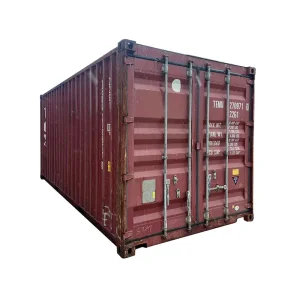
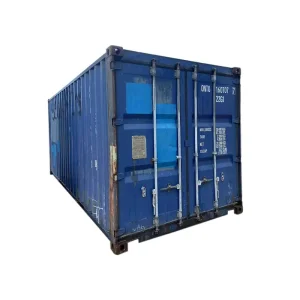
Industrial Storage: Buy 20ft Used Shipping or Modular Storage Container Serving Pakistan Hubs
Inspect 20ft Specs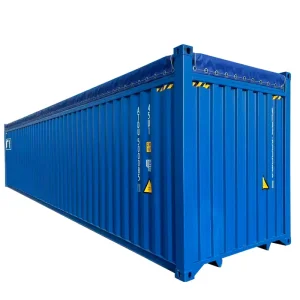
Project Cargo: 40ft High-Cube Soft Open Top Dry Container with Heavy-Duty Tarpaulin
Explore Top-Load Unit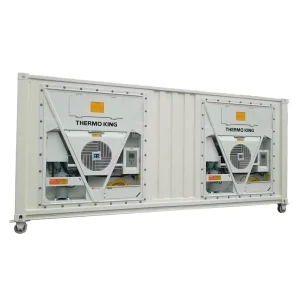
Multimodal Chain: High-Quality Certified Blast Reefer and Temperature Dry Hybrid Containers
Review Classification Data
Strategic Ecosystem
Used Dry Containers in Pakistan: Supply Dynamics & Commercial Landscape
Under the China-Pakistan Economic Corridor (CPEC) framework, containerization needs have evolved from simple transit boxes to mission-critical infrastructure components.
35%+
Capex Reduction vs. New Builds
3,200 km
CPEC Multimodal Highway Transit
100%
IICL-5 Structural Certification
28-34 MT
Heavy Cargo Structural Load Limits
The industrial landscape of Pakistan is experiencing a profound logistics realignment. Spurred by accelerated traffic along the China-Pakistan Economic Corridor (CPEC), deep-water expansions at Gwadar Port, and modernized clearance throughput at Karachi Port and Port Qasim, regional demand for certified Used Dry Cargo Containers (20ft GP, 40ft GP, and 40ft HC) has surged by unprecedented margins. Rapidly growing manufacturing clusters in Gujranwala, Sialkot, Faisalabad, and the Special Economic Zones (SEZs) like Rashakai and Dhabeji require reliable, cost-effective structural steel units for intermodal rail/road haulage, heavy equipment securement, and decentralized bonded warehousing.
Procuring pristine, brand-new ISO containers for domestic buffer storage or regional backhaul routes often imposes unnecessary capital burdens on Pakistani logistics operators and textile/agricultural exporters. Here, ODM Used Dry Containers—graded meticulously under stringent IICL (Institute of International Container Lessors) or verified Cargo Worthy (CW) criteria—fill the critical operational gap. They provide full Corten steel structural integrity, proven floor load capabilities (up to 30,480 kg gross weight), and wind-and-watertight (WWT) cargo protection at an amortized total cost of ownership (TCO) that is 35% to 50% below new units.
Corten-A Steel Resilience
Equipped with atmospheric corrosion-resistant SPA-H weathering steel panels to resist intense maritime humidity at Karachi shores and extreme thermal fluctuations across the Balochistan and Punjab plains.
Industrial Hardwood Floors
Constructed with multi-ply 28mm marine-grade tropical hardwood and apitong plywood floors, treated against wood borers and capable of withstanding heavy forklift axle loads during cotton and yarn loading.
Full Intermodal Modularity
Precisely standardized ISO corner castings allow seamless integration across NLC (National Logistics Cell) long-haul flatbed trucks, Pakistan Railways container trains, and coastal feeder barges.
Smart Manufacturing
China Factory 4.0: Supply Chain Resiliency & ODM Refurbishment Standards
Direct from our manufacturing hubs in Tianjin and Suzhou: Combining automated manufacturing capabilities with systematic second-life remanufacturing protocols.
As an enterprise with roots dating back to 1983, CIMIC merges four decades of heavy manufacturing with modern Industry 4.0 data intelligence. Serving Pakistan’s logistics landscape demands more than passive asset broking; it requires rigorous engineering precision. Second-hand dry containers originating from China's coastal trade lanes undergo comprehensive remanufacturing and quality certification at our specialized coastal yards before export dispatch.
Our refurbishment assembly lines utilize laser-guided ultrasonic thickness testers to confirm Corten sidewall gauge retention, ensuring structural integrity has not been degraded by maritime wear. Automated shot-blasting cabins strip away oxidation, followed by electrostatic application of zinc-rich epoxy primers and polyurethane topcoats engineered specifically for high-salinity marine environments.
01
Ultrasonic Diagnostics
Sidewall, roof corrugation, and load-bearing corner post thicknesses are digitally mapped to guarantee compliance with ISO 1496/1 standard safety thresholds.
02
Laser Hydraulic Truing
Deflected end-frames, header rails, and bottom side rails undergo robotic hydraulic straightening to restore exact millimetric rectangularity.
03
Hermetic Sealing Overhaul
Degraded door gaskets are replaced with dual-lip EPDM weather seals, backed by high-intensity light leak and water pressure tests.
04
Digital CSC Recertification
Every vetted container receives an updated, verified Container Safety Convention (CSC) inspection plate, validated for immediate ocean export and rail line acceptance.
Technical Engineering
Technical Specifications & Operational Matrix for Pakistan
Precision data parameters helping procurement directors, freight forwarders, and logistics architects choose the exact asset class for their regional freight.
| Container Classification | External Dims (L x W x H) | Tare Weight (kg) | Max Payload (kg) | Pakistan Industrial Applications |
|---|---|---|---|---|
| 20ft GP Used Dry (CW Grade) | 6.058 × 2.438 × 2.591 m | 2,200 - 2,300 kg | 28,180 - 28,280 kg | Heavy mineral transport, cement clinker, localized dense raw materials, and urban security buffer storage. |
| 40ft GP Used Dry (CW Grade) | 12.192 × 2.438 × 2.591 m | 3,700 - 3,850 kg | 26,630 - 26,780 kg | Finished textile apparel, cotton bales, raw leather exports, home textile logistics along the M-2 and M-5 corridors. |
| 40ft HC Used Dry (High Cube) | 12.192 × 2.438 × 2.896 m | 3,900 - 4,050 kg | 26,430 - 26,580 kg | Voluminous electronics, footwear, agricultural machinery transit, modular site housing conversions across Gwadar SEZ. |
| 20ft/40ft Open Top Dry (Custom) | Standard ISO L × W (Removable Top) | Variable by gauge | 27,000 - 30,000 kg | Heavy industrial project cargo, power plant turbines, structural steel components, oversized infrastructure equipment. |
Procurement teams serving Pakistan must navigate diverse environmental conditions: scorching summers exceeding 48°C in Sindh and Punjab, severe marine atmospheric conditions along the Arabian Sea, and high mechanical shock loads encountered across rugged northern passes toward the Khunjerab Pass. Our ODM Customization Program provides tailored adaptations, including customized internal lashing rings (rated to 2,000 kg shear load), security lockboxes (puck-lock compatible to prevent highway cargo tampering), and thermal barrier internal ceramic coatings that reduce radiant thermal transfer by up to 22%.
Compliance & Roadmap
Localized Regulatory Compliance, Customs Protocols & 2026-2030 Roadmap
Demystifying Pakistan Customs WebOC clearance procedures, FBR container asset accounting, and smart-monitored intermodal transit futures.
WebOC & FBR Compliant Paperwork
Full bill of sale documentation, neutral serial unmarking, deregistration certificates, and commercial invoices formatted to enable swift Pakistan Customs Web-Based One Customs (WebOC) clearance under the HS Code 8609.0000 category.
TIR & Cross-Border Transit Security
Units are fully inspected for alignment with Transports Internationaux Routiers (TIR) carnets, allowing seamless intermodal transit passing through Pakistan to Afghanistan, Uzbekistan, and broader Central Asian Republics (CARs).
IoT & Solar-Assisted Fleet Telematics
Forward roadmap (2026-2030): Optional integration of solar-recharged IoT cellular/satellite tracking beacons monitoring internal container humidity, shock loads, and intrusion alerts on CPEC remote transit corridors.
Looking ahead toward 2030, intermodal rail logistics will expand significantly under Pakistan Railways' ML-1 (Main Line 1) modernization plan. High-cube standard dry containers will form the core backbone of double-stack container trains operating between Karachi’s coastal terminals and dry ports in Lahore, Multan, and Rawalpindi. CIMIC’s ongoing engineering roadmap focuses on integrating lightweight ultra-high-tensile steel reinforcements—delivering up to 450 kg tare weight reductions per 40ft HC unit, thus directly elevating legal road and rail payload capacities for transport operators operating under strict axle load regulations enforced by Pakistan's National Highway Authority (NHA).
Global Enterprise Solutions
Solving Global Enterprises' Sourcing Bottlenecks
How Fortune 500 engineering contractors, global logistics operators, and local Pakistani import consortiums optimize equipment procurement.
Hedging Extreme Freight Volatility
By owning standard used dry containers (SOC - Shipper Owned Containers), Pakistani shippers eliminate burdensome demurrage and detention fees imposed by shipping lines during seasonal inland transit holdups.
Full Structural Transparency
Every single container offered features high-definition photographic logging, certified video walk-through inspections, and verified third-party survey reports prior to vessel loading at Chinese departure docks.
One-Way Lease & Direct Sourcing Flexibility
Take advantage of flexible cabotage arrangements or direct FOB / CIF Karachi deliveries, ensuring lower container repositioning fees and seamless integration into industrial fleets.
Comprehensive Catalog
Specialized Modular & Intermodal Freight Units Available for Pakistan
In addition to standard used dry units, our global facilities supply industrial ISO-engineered containers custom-built for high-intensity commercial trade corridors.
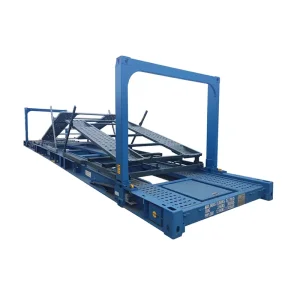
Automotive Freight: 20ft Car Carrier Container Specialized Exporter Built for Pakistan
View Vehicle Carrier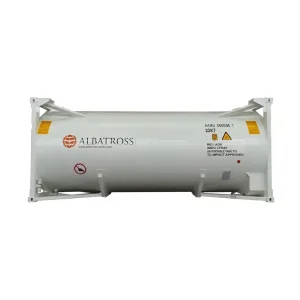
Energy Transit: China 25000 Liters ISO 20ft Gas Tank Container for Pakistan Energy Corridors
Inspect Gas Tank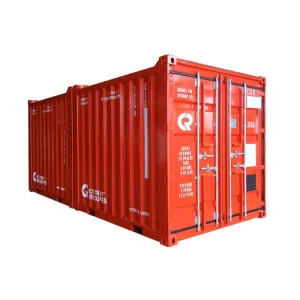
Offshore Heavy-Duty: DNV Certification Offshore Dry Cargo Container Serving Coastal Pakistan
View DNV Offshore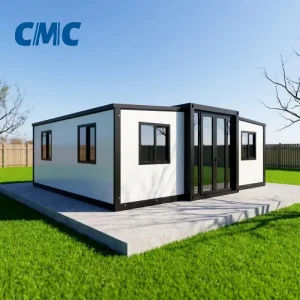
Infrastructure Living: OEM 20ft Modular Expandable Container Houses for Pakistan CPEC Camps
Explore Modular Pod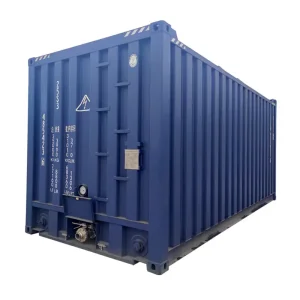
Chemical Logistics: New 20ft Square Liquid Intermodal Container Serving Karachi Port
Liquid Unit Data
Long-Haul Freight: ODM 40ft Used Dry Cargo Shipping Container (Bulk Fleet Deployment)
Fleet Dry Quotes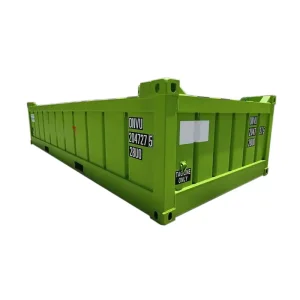
Mining & Ore: Offshore Half-Height Open Top Container (Reko Diq & Saindak Transit)
View Mining Container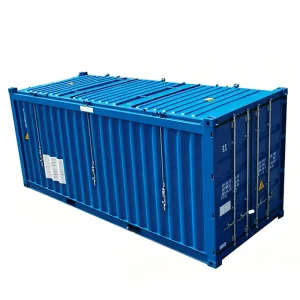
Top-Crane Handling: 20ft Hard Open Top Shipping Container with Rigid Removable Steel Roof
Hard Open-Top Specs
Knowledge Center
Frequently Asked Questions: Used Dry Containers Serving Pakistan
Expert insights on condition grading, delivery modes to Pakistani ports, custom clearing, and structural safety parameters.
What is the practical difference between "Cargo Worthy (CW)" and "Wind & Watertight (WWT)" for Pakistan transit?
Wind & Watertight (WWT) ensures no water, rain, or sunlight penetrates the container, making it ideal for stationary on-site industrial storage, factory raw material sheds, or modular work pods across Pakistan. Cargo Worthy (CW) certification means the container has met strict IICL structural inspection standards; its Corten corner castings, floor longitudinal beams, cross members, and locking bars can reliably bear active intermodal transport loads on container ships, NLC road trailers, and Pakistan Railways trains under active CSC validation.
How are used shipping containers shipped from your China factory to Pakistan?
We offer multiple cost-optimized delivery models. Shippers can purchase containers as "One-Way Shippers Owned Containers" (SOC), loading their own export cargo from Chinese ports directly to Karachi Port (KICT, SAPT, PICT) or Port Qasim (QICT). Alternatively, we arrange empty repositioning in bundled slots aboard maritime container vessels, or coordinate transit via overland CPEC cross-border freight routes entering Northern Pakistan via the Sost dry port customs gate.
Can you provide custom modifications (ODM) on used containers before shipping to Pakistan?
Yes. Our Tianjin and Suzhou fabrication yards perform precision ODM custom engineering before loading. This includes cutting and framing reinforced steel side-access doors, roller shutters, customized interior security lockboxes, louvered ventilation fixtures (vital for preventing container sweat in high-humidity climates), thermal insulation installations (rockwool, PU sandwich panels), and custom institutional spray painting matching your corporate branding.
What documentation is provided to clear Pakistan Customs WebOC without penalty?
We supply an export paperwork dossier tailored for the Federal Board of Revenue (FBR) and Pakistan Customs clearance officers. This includes: Certified Clean Bill of Lading, Non-encumbrance Title Release & Bill of Sale, Neutralization Certificate (confirming previous shipping line logo and prefix neutralizations), Commercial Invoice and Packing List specifying HS Code 8609.0000, and current third-party Survey Condition Inspection Certificates.