
Featured ISO Tank & Intermodal Fleet Serving Belgium
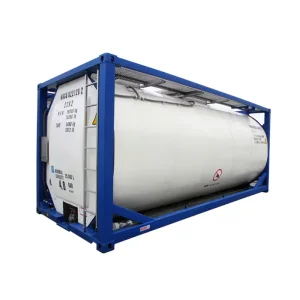
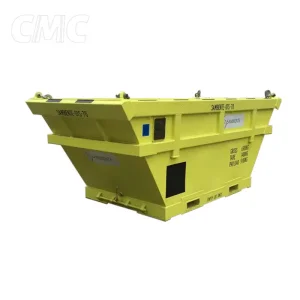
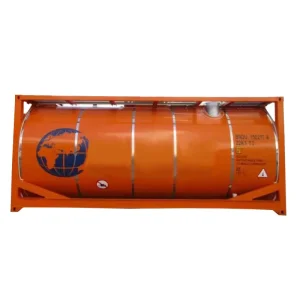
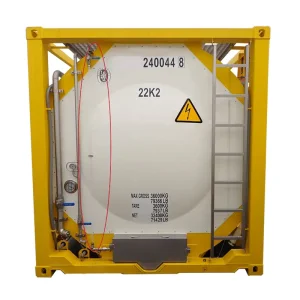
Engineered to rigorous PED 2014/68/EU, ADR, and IMDG criteria, serving bulk liquid chemical, industrial alcohol, offshore supply, and high-purity utility routes through Flemish and Walloon supply corridors.
Belgium: The Operational Epicenter of European Liquid Chemical Logistics
Understanding the unique technical and operational mandates of operating tank container equipment within the Antwerp-Rotterdam-Rhine-Ruhr (ARA) chemical corridor.
The Kingdom of Belgium represents the undisputed multimodal junction of Western Europe's chemical and life sciences trade. Anchored by the Port of Antwerp-Bruges—the second largest integrated chemical cluster in the world after the US Gulf Coast—the country is a dense ecosystem of world-scale steam crackers, polyolefin plants, specialty chemical synthesis units, and biotechnology refining facilities. Every day, tens of thousands of metric tons of hazardous liquid chemicals, liquefied gases, biopharmaceutical grade solvents, and food-grade derivatives traverse Belgian territory via short-sea shipping, inland waterways (the Albert Canal and Scheldt network), high-density freight rail networks, and major trans-European road corridors (E19, E34, E40).
Within this rigorous operating theater, the ISO tank container (intermodal portable tank) has superseded traditional bulk chemical transport modes. Chemical multinationals operating along the Left and Right Banks of the Scheldt—including BASF, Covestro, Evonik, TotalEnergies, and INEOS—mandate container assets that satisfy uncompromising safety, sustainability, and intermodal compatibility benchmarks. Sourcing tank containers for deployment into Belgium requires an intimate understanding of both regional environmental legislation (such as the Flemish environmental code VLAREM II and European Directive 2010/75/EU on industrial emissions) and European transport standards governed by the Carriage of Dangerous Goods by Road (ADR), the International Regulations Concerning the Carriage of Dangerous Goods by Rail (RID), and the International Maritime Dangerous Goods (IMDG) Code.
Furthermore, Belgium’s pivotal role in the European Green Deal and fit-for-55 decarbonization agenda is driving rapid modal shift initiatives. The Port of Antwerp-Bruges aims to transition substantial hinterland road transport onto rail wagons and inland barges. This pivot places intense structural demands on tank container mechanical integrity: dynamic shunt resilience for rail freight, heightened ISO frame torsional rigidity, and optimized tare-weight-to-payload ratios to maximize barge payload capacities under variable draft constraints along the Rhine and Meuse rivers.
ARA Multimodal Interoperability
Seamless mechanical interchange between Belgian rail sidings, short-sea feeder vessels in Zeebrugge, and Antwerp container terminals demands absolute dimensional precision conforming to ISO 668 and ISO 1496-3 standards.
High-Hazard Chemical Containment
Containment of volatile organics, corrosive acids, and specialty polyurethanes across the Belgian chemical belt demands 316L, Duplex 2205, or custom PTFE-lined shells certified under UN Portable Tank Instructions T11, T14, and T20.
Cold-Chain & Cryogenic Shift
Belgium's emerging clean hydrogen corridors and Zeebrugge's LNG import terminals mandate vacuum-insulated T75 cryogenic containers capable of holding liquid biomethane, argon, CO2, and high-purity technical gases without boil-off loss.
Materials Science, Pressure Vessel Codes & Smart Telematics
Detailed technical specifications governing vessel geometry, metallurgical selection, and ATEX digital integration for assets operating across the European Union.
Manufacturing tank containers for high-density European transit involves strict metallurgy and mechanical engineering under EN 14025 and ASME Boiler and Pressure Vessel Code Section VIII, Division 1. Tank shells must withstand severe dynamic stress, including cyclic wave motions during maritime transit, continuous vibrations along rail intermodal spines, and rapid temperature fluctuations during steam or electrical heating cycles at tank cleaning and heating depots such as those found throughout the Antwerp port hinterland.
The standard workhorse for general chemical transit remains cold-rolled 316L austenitic stainless steel (EN 1.4404), prized for its resistance to intergranular corrosion post-welding. For aggressive acidic payloads (such as concentrated sulfuric acid, fluorosilicic acid, or technical grade chlorides), advanced metallurgical designs utilize Duplex 2205 (EN 1.4462)—offering near double the mechanical yield strength of standard austenitic grades—or heavy-wall carbon steel lined with fluoropolymers like PTFE, PFA, or rubber coatings.
| Tank Specification Class | UN Portable Tank Code | Nominal Capacity | Design Pressure (MAWP) | Shell Material Grade | Primary Industrial Applications in Belgium |
|---|---|---|---|---|---|
| Standard Chemical Intermodal | T11 | 24,000L – 26,000L | 4.0 bar (58.0 psi) | 316L (1.4404) / 2R Finish | Solvents, alcohols, general chemical intermediates, base oils, Antwerp bulk distribution |
| Corrosive & Toxic Liquid Tank | T14 / T20 | 14,500L – 21,000L | 6.0 – 10.0 bar | High-Tensile Steel + PTFE / PFA | Chlorinated organics, aggressive mineral acids, hazardous catalyst solutions |
| Specialty Gas & Hydrocarbon | T50 | 24,000L – 25,500L | 15.0 – 34.5 bar | Fine-Grained Carbon Steel (SA612) | Liquefied Petroleum Gas (LPG), Ammonia, Propylene, Butadiene supply across Ghent & Feluy |
| Cryogenic Liquid Gas Container | T75 | 20,000L – 22,500L | 8.0 – 22.0 bar | Inner: Austenitic SS / Outer: Carbon | Liquid Nitrogen (LIN), Liquid Oxygen (LOX), LNG, liquid argon for high-tech manufacturing |
| Sanitary & Fermentation Grade | T11 Food | 25,000L – 27,000L | 2.65 – 4.0 bar | 316Ti / Ra < 0.4μm Electropolished | Belgian brewery yeast, neutral alcohol, pharmaceutical fermentation media, edible fats |
In addition to thermodynamic containment, contemporary tank containers deployed in Belgium increasingly integrate ATEX Zone 1/2 Certified Digital Telematics. Driven by the chemical industry's safety management systems (CEFIC SQAS), fleet managers demand real-time situational visibility over high-value and hazardous assets. Modern telemetry units installed on our tank frames incorporate:
- Autonomous GNSS Tracking: High-precision satellite positioning with seamless geo-fencing across Belgian border crossings (Netherlands, France, Germany).
- Continuous Pressure & Vacuum Monitoring: Solid-state ceramic transducers providing real-time alerts if vapor headspace pressure deviates from pre-set safety thresholds.
- Multi-Point Digital Thermal Profiling: Tri-level PT100 temperature sensors mounted to the bottom, middle, and top of the shell to detect phase stratification and oversee in-transit steam/glycol heating.
- Electronic Ullage & Level Sensing: Guided wave radar sensors measuring cargo levels to detect tampering, product leakage, or improper discharge procedures.
Industrial Application Scenarios Across Belgium's Economic Clusters
How specialized tank containers integrate into real-world manufacturing, refining, and biotechnology operations throughout the Belgian territory.
Antwerp & Ghent Petrochemical Corridors
Specialty monomers, polymers, and synthetic feedstocks require insulated T11 tanks equipped with longitudinal 316L steam heating channels (8 to 12 longitudinal tubes) and heavy-density 50mm rockwool insulation to keep high-viscosity resins fluid during cold Belgian winters without product caramelization.
Flemish Bio-Pharma & Life Sciences Axis
Belgium's pharmaceutical sector (centered in Puurs, Beerse, and Louvain-la-Neuve) commands sanitary food/pharma grade containers with internally electropolished 316L shells (Ra ≤ 0.4μm), sterile air filtration blanketing ports, and sanitary tri-clamp bottom connections that prevent particulate contamination.
Zeebrugge Cryogenic Clean Energy Terminal
As Zeebrugge consolidates its position as an LNG and future hydrogen carrier hub, multi-layered vacuum-insulated T75 cryogenic containers manage high-density transport of liquid bio-methane and industrial gases directly to decentralized refueling networks across Western Europe.
Global Megatrends Reshaping Tank Container Deployment
Analyzing the shift from single-use packaging to circular intermodal assets, European modal shift mandates, and safety automation.
The global tank container market—tracked systematically by the International Tank Container Organisation (ITCO)—has grown consistently, with the global fleet surpassing 800,000 units worldwide. This expansion is deeply anchored in three macro trends that heavily impact Belgian operators and logistics providers:
1. Accelerated Replacement of Flexitanks and Intermediate Bulk Containers (IBCs): In light of the European Union's stringent Corporate Sustainability Due Diligence Directive (CSDDD) and escalating Extended Producer Responsibility (EPR) packaging penalties, multinational chemical producers in Belgium are actively divesting from single-use plastic flexitanks and intermediate bulk containers. A stainless steel ISO tank container provides an operational lifecycle exceeding 25 to 30 years, virtually eliminating packaging waste and dramatically reducing the scope 3 greenhouse gas footprint per ton-kilometer transported.
2. Multimodal Decarbonization and The "Modal Shift" Incentive: Flanders and Wallonia have instituted fiscal and infrastructural incentives to migrate freight off saturated highway networks (such as the congested Antwerp ring road R1) onto rail freight and inland waterways. Tank containers provide unmatched intermodal flexibility: the identical 20-foot pressure vessel can be filled at a chemical plant in Feluy or Tessenderlo, transferred via flatbed chassis to an inland barge terminal, barged down the canal to Antwerp, and lifted directly aboard a deep-sea container ship bound for Asia or the Americas without bulk cargo transfer or contamination risk.
3. Comprehensive Safety via Non-Man-Entry Protocols: Belgian chemical handling standards increasingly prioritize operator safety by engineering "ground-operated" tank container hardware. This includes remote foot-valve trip levers, top-rail safety catwalks with gas-strut-assisted handrails, and vapor return lines accessible at bottom-cabinet height. Eliminating the necessity for depot operators to climb atop tank shells directly addresses industrial slip, trip, and fall safety liabilities.
Need Engineered Container Fleets for Belgian or EU Operations?
Consult with our structural engineering team. We deliver custom drawing approvals, classification society certifications (BV, LR, DNV, CCS), and tailored OEM/ODM production schedules.
Frequently Asked Questions for Belgian Procurement Teams
Practical, engineering-grade answers regarding regulatory compliance, maintenance, customs clearance, and customization options.
What certifications are legally mandatory for operating ISO tank containers in Belgium and the wider EU?
How does the choice between 316L, 316Ti, and Duplex 2205 impact operating costs in the Antwerp chemical zone?
What is the periodic inspection and re-testing cycle for tank containers operating under European ADR/RID rules?
Can tanks be engineered with integrated electrical heating for precise temperature maintenance across European winter corridors?
What lead times and delivery logistics apply for tank container orders arriving at Belgian ports?
How do baffle plates improve road safety during regional distribution across Belgian motorways?
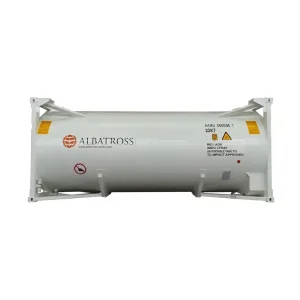
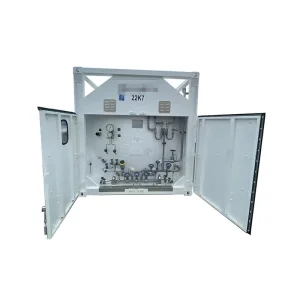
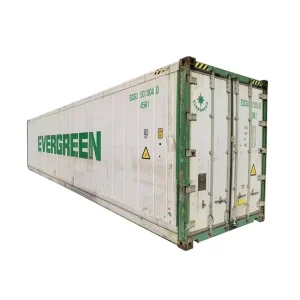
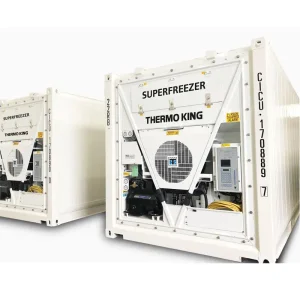
Intermodal, Cryogenic & Cold-Chain Inventory
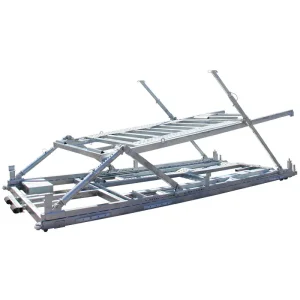
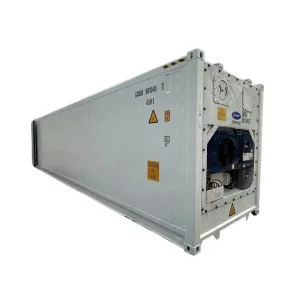
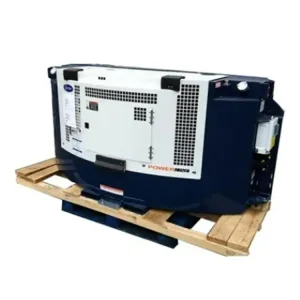
Explore our full line of specialized pressurized gas tanks, cryogenic systems, offshore transport racks, and certified refrigerated containers ready for deployment to European hubs.
Ready to Source Precision Tank Containers for Your Belgian Fleet?
Connect directly with our engineering division. Whether your operations require standard T11 chemical tanks, cryogenic gas containment, or complex custom OEM fabrications, our team provides fast technical drawing reviews, competitive volume pricing, and full European regulatory support.