Engineered Cold Logistics & Special Cargo Containers
Explore our export-ready high-specification hanging meat reefers, standard intermodal reefers, offshore DNV equipment, and specialized ISO logistical solutions manufactured for severe sea-and-rail operational regimes.
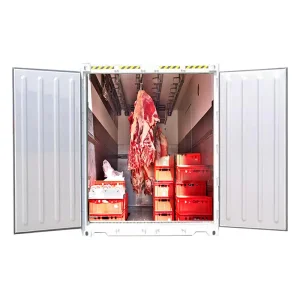
High-Quality Brand new hanging meat container for low temperature fresh transportation Pricelist, Products
View Specifications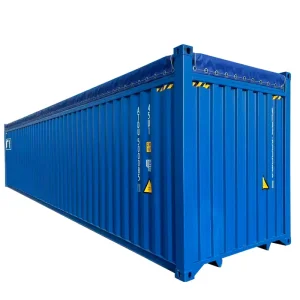
Buy 40ft High-Cube New Soft Open Top Shipping Container with Tarpaulin Cover Manufacturer, Product
View Specifications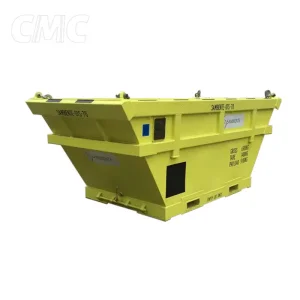
Famous DNV Certification Silt Basket Container Used in Offshore Operations Factories, Exporters
View Specifications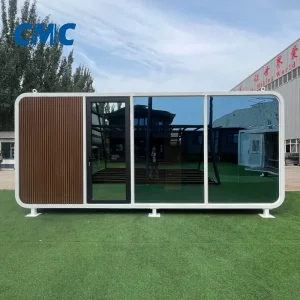
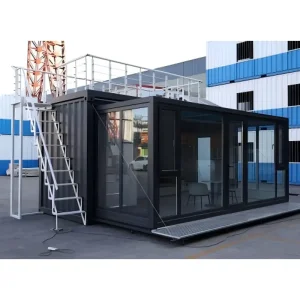
Famous 20ft Prefab Container House Flat Pack Modular House Office Tiny House Outdoor apple Cabin Office Pod Garden Office Pod Manufacturer, Product
View Specifications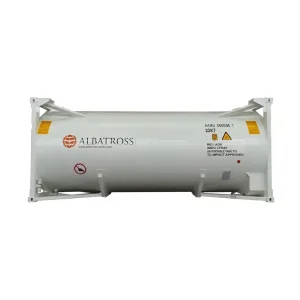
China 25000 Liters ISO 20ft Gas Tank Container for Sale Product, Factories
View Specifications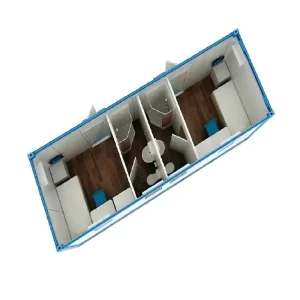
Famous 20ft 40ft Standard Size Accommodation Modular House Container Exporter, Products
View Specifications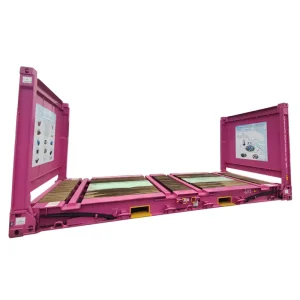
ODM New 20ft Platform Frame Container Pricelist, Exporters
View Specifications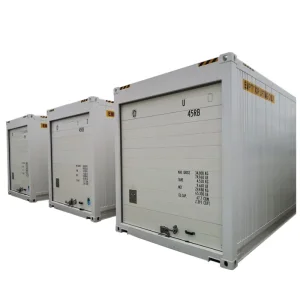
China 40ft High-Cube Roll Up Reefer Container Customized Shipping Containers Factory, Manufacturers
View SpecificationsThe Global Commercial Reality of Hanging Meat Refrigerated Logistics
Suspended carcass logistics represents the apex of cold chain engineering. Unlike standard boxed frozen meat, transporting fresh and chilled beef quarters, pork halves, and whole lamb carcasses requires continuous thermodynamic equilibrium, structural dynamic load management, and uncompromising bio-security.
Preserving Commercial Premium & Yield
Boxed meat freezing induces cellular drip loss during defrost cycles, degrading protein fiber texture, color bloom, and valuable weight by 3% to 6%. Meat hanging reefer containers preserve high-end chilled carcasses over 40+ day maritime transit routes without crushing, ensuring prime cuts arrive ready for wholesale butchery at maximum market valuations.
360° Aerodynamic Circulation Dynamics
Traditional refrigerated containers force cold air through bottom T-bar floors designed for floor-palletized cubes. Carcass transport demands engineered laminar micro-climates that circulate vertical and horizontal chilled airflow around hanging quarters. This prevents thermal pockets, surface sweating, slime development, and deep bone-taint.
Multi-Regulatory Food Safety Compliance
Suspended meat containers operate under the strictest international regulatory scrutiny, including USDA-FSIS, European Commission EC 853/2004, and international ATP FRC protocols. The internal rail metallurgy, trolley lubrication, and interior liners must guarantee zero chemical migration, absolute sanitization tolerance, and seamless bacteriological control.
Structural Load Distribution & Food-Grade Metallurgy
Suspending up to 28,000 kg of swinging carcass meat inside an ISO container fundamentally alters the center of gravity and exerts massive dynamic transverse G-forces during rough open-sea swells, rapid rail humping, and emergency highway braking.
Reinforced Torsional Truss Framework
Standard ISO reefer roofs rely on lightweight polyurethane insulation cores sandwiched between aluminum skins, which fail catastrophically under vertical shear loads. Our meat hanging containers utilize an integrated overhead secondary steel portal frame. High-tensile Corten-A longitudinal stringers and transverse roof bows transfer dynamic pendulum stresses directly into the corner posts and heavy-duty bottom side rails, eliminating roof sagging and seal separation.
Overhead Track Architecture: Bi-Rail & Tubular Systems
We engineer multi-lane extruded high-yield aluminum alloy and electropolished SUS304 stainless steel track networks. Available in 4-track, 5-track, and 6-track layouts, our bi-rail configurations incorporate precision ball-bearing trolleys with anti-jump retainers and automatic directional switches. Each rail segment is equipped with fail-safe mechanical load locks that compartmentalize carcasses into 1-meter zones, preventing catastrophic forward surging during kinetic deceleration.
Advanced Hygienic Lining & Drainage Purge
Fatty acids, animal blood, and harsh sanitizing caustic wash-downs rapidly corrode conventional interiors. Our cargo holds are clad in seamless, continuous robotically welded SUS304 / SUS316 austenitic stainless steel sheets. Interior floor coving features 50mm radius curved transitions that eliminate dirt traps, backed by quad-port high-capacity drain valves equipped with one-way hygienic check balls that discharge wash water while preventing external insect and air ingress.
Thermal Bridge Isolation & Vacuum Polyurethane
Because ceiling track brackets must bolt through to the structural framework, thermal bridging is an acute threat that causes roof condensation, localized frosting, and thermal efficiency loss. We employ patented polyoxymethylene (POM) thermal barrier break-spacers with aerospace-grade structural integrity. Combined with high-pressure cyclopentane-blown polyurethane foam insulation (density > 42 kg/m³), our containers maintain an overall K-factor below 0.35 W/m²·K.
Chinese Manufacturing Efficiency & Supply Chain Resilience
Tianjin and Suzhou manufacturing corridors represent the world's most concentrated logistics equipment ecosystem. The integration of specialty steel production, automated robotics, and direct proximity to premier sea terminals delivers unmatched capital efficiency and rapid lead-time execution.
Complete Metallurgy Supply Chain
China produces over 55% of the world's specialized structural steels and stainless alloys. Our foundries source Corten-A weathering steel, food-grade austenitic stainless, and extruded aerospace aluminum billets within a 150 km radius. This vertical integration insulates procurement directors from international raw material volatility and shortens manufacturing staging cycles by weeks.
Automated Robotics & Laser Alignment
Hanging meat rail tolerances require sub-millimeter precision. A rail deviation of 2mm can jam heavily loaded mechanical hooks during continuous loading. Our production lines feature multi-axis robotic laser cutting and automated seam-welding gantries that fabricate every roof truss and track hanger with repeatable 0.5mm tolerances, ensuring flawless hook glide.
100 km Deepwater Maritime Port Access
Situated in the heart of the Bohai Rim economic zone, our main assembly base sits under 100 kilometers from the automated deep-water container berths of Tianjin Xingang Port. Units undergo factory acceptance testing (FAT), refrigeration pre-trip inspection (PTI), and roll immediately onto container vessels, minimizing costly internal transit expenses and export delays.
Technical Architecture: 20ft vs. 40ft High-Cube Hanging Meat Reefers
Compare standard dimensional, thermal, structural, and load-bearing parameters. Custom OEM/ODM structural modifications are available to meet regional slaughterhouse conveyor track heights and specialized intermodal payloads.
| Specification Parameter | 20ft High Cube Meat Hanging Reefer | 40ft High Cube Meat Hanging Reefer | Compliance / Verification Standard |
|---|---|---|---|
| External Dimensions (L × W × H) | 6,058 × 2,438 × 2,896 mm (9'6" HC) | 12,192 × 2,438 × 2,896 mm (9'6" HC) | ISO 668 / Series 1 Freight Containers |
| Internal Clear Dimensions | 5,444 × 2,284 × 2,410 mm (Below Rail) | 11,578 × 2,284 × 2,410 mm (Below Rail) | Optimized for Carcass Clearance |
| Max Gross Weight (M.G.W.) | 30,480 kg (67,200 lbs) | 34,000 kg (74,950 lbs) | CSC Safety Approval Certificate |
| Tare Weight (Incl. Rails & Machinery) | 3,850 kg ± 2% | 5,120 kg ± 2% | Includes Stainless Trolley Hardware |
| Max Dynamic Ceiling Hook Payload | 14,500 kg (Suspended Beef/Pork) | 26,000 - 28,000 kg (Suspended Beef/Pork) | Dynamic Roll & Pitch Simulation Verified |
| Ceiling Rail Configurations | 3, 4, or 5 Longitudinal Tracks | 4, 5, or 6 Longitudinal Tracks | High-Yield Extruded Aluminum / SUS304 |
| Trolley Hook Capacity | 180 - 240 Heavy Carcass Hooks | 450 - 600 Heavy Carcass Hooks | Food-Grade Stainless With Safety Latches |
| Refrigeration Power Units | Carrier ThinLINE / Thermo King Magnum+ / Daikin | Carrier PrimELINE / Thermo King SuperFreezer | Digital Microprocessor + Dual Data Loggers |
| Internal Temperature Range | -30.0°C to +30.0°C continuous | -35.0°C to +30.0°C continuous | ATP Class FRC (-20°C / +12°C Ambient 30°C) |
| Thermal Insulation & K-Factor | ≤ 0.34 W/m²·K (Cyclopentane PU) | ≤ 0.32 W/m²·K (Cyclopentane PU) | Bureau Veritas / DNV Thermal Tested |
| Airflow Delivery Profile | Bottom T-Floor up through carcass canopy | Dual Air Plenum (Bottom & Ceiling Duct) | Prevents Bacterial Micro-Climate Pockets |
Localized Global Application Scenarios & Trade Corridors
The specialized operational parameters of meat hanging containers are customized to meet the distinct biological, veterinary, and logistical requirements of major global protein export arteries.
South American Beef Corridors
Exporters in Brazil, Uruguay, and Argentina utilize our 40ft High-Cube hanging reefers to ship chilled bone-in beef hindquarters to Europe and Greater China. Over 35-to-45-day ocean transits, precise temperature stability (-0.5°C to +1.0°C) ensures continuous wet aging without microbial spoilage or excessive purge loss.
Oceania Halal Sheep & Lamb Exports
Australian and New Zealand lamb processors demand high-density 5-track and 6-track hanging configurations for whole lamb carcasses exported to the GCC region (UAE, Saudi Arabia, Qatar). Strict Halal verification demands zero floor contact, uninterrupted cold holding, and electro-polished hooks resistant to chemical wash residues.
European Intermodal Pork Logistics
Danish, German, and Spanish pork producers move pork sides seamlessly via road-to-rail intermodal units across Europe and into Central Asian markets. Quick-coupling pneumatic ceiling rail connections allow direct abattoir overhead conveyor transfer straight into the container without manual human lifting.
Port & Remote Strategic Cold Reserves
In developing logistics hubs across West Africa, Southeast Asia, and remote mining or military encampments, these units operate as stationary or semi-mobile hygienic slaughterhouse chilling rooms. Equipped with integrated clip-on diesel generator sets (gensets), they maintain pristine cold storage off-grid.
Industry Trends: Telemetry, Atmosphere Control & Green Refrigerants
The convergence of biological monitoring, digital IoT automation, and decarbonization mandates is reshaping commercial meat transport specifications worldwide.
IoT Real-Time Wireless Core Telemetry
Modern hanging meat containers are equipped with cellular and satellite IoT telemetry gateways. Instead of monitoring ambient box air alone, wireless food-safe core probes insert directly into carcass deep-muscle tissue. Fleet controllers track core temperature, humidity levels, doorway opening events, and power fluctuations in real time via cloud dashboards, issuing alerts before cold-chain compliance breaches occur.
Active Controlled Atmosphere (CA) Integration
To extend the viable transport window of chilled carcasses from 30 days up to 60 days, active controlled atmosphere technology dynamically regulates internal gas mixtures. By suppressing oxygen (O²) levels down to 1-3% and enriching carbon dioxide (CO²) up to 15-20%, aerobic bacterial reproduction (such as Pseudomonas) is halted, completely stopping slime formation and preserving natural meat color without chemical preservatives.
Low-GWP Natural Refrigerant Systems
Regulatory frameworks such as the EU F-Gas Regulation and Kigali Amendment are phasing out legacy R-134a and R-404A systems. We lead the industry in engineering hanging reefers compatible with low Global Warming Potential (GWP) synthetic alternatives like R-513A and R-452A, alongside state-of-the-art transcritical CO² (R-744) refrigeration loops that feature zero ozone depletion potential (ODP) and a GWP of 1.
Enterprise Procurement Criteria: Mitigating Capital & Cargo Risk
Purchasing specialized hanging reefer fleets requires an engineering-driven procurement evaluation process. A failure to inspect structural load certifications or food-grade metallurgical standards can lead to catastrophic cargo loss and structural damage during intermodal handling.
1. Dynamic Rail Certification
Never rely on static load testing data alone. Demand dynamic simulation certificates proving the ceiling rail framing can withstand 2G downward vertical shock, 1G lateral sway, and 2G longitudinal emergency stop loads without structural weld cracks or permanent plastic deformation.
2. Sanitary Metallurgy Verification
Ensure mill test certificates (MTC) confirm SUS304 or SUS316 chemistry for all ceiling track rails, bolts, hanging brackets, and meat hooks. Galvanized carbon steel or low-grade chrome-plated materials will inevitably pit and shed toxic flakes after repeated exposure to animal fatty acids and caustic foam cleansers.
3. Air Circulation Velocity & CFM Output
Examine evaporator blower ratings. Hanging meat presents a substantially higher air resistance barrier than floor pallets. Verify that the evaporator fan assemblies generate sufficient cubic-feet-per-minute (CFM) air volume and static pressure to push cool air past closely spaced, swinging carcasses.
Frequently Asked Technical & Operational Questions
In-depth engineering answers to the technical questions cold chain managers, fleet operators, and global protein exporters ask our production team.
Modular, Insulated, Tank & Certified Pre-Owned Container Solutions
Complete your supply chain fleet with specialized modular living units, bulk ISO liquid containers, custom roll-up reefer units, and cost-effective certified second-hand cold chain assets stocked across primary maritime hub terminals.
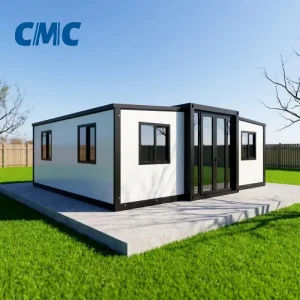
OEM 20ft Modular Container Houses Expandable Steel Container House Excellent Thermal Insulation and Sealing Performance Manufacturer, Manufacturers
View Specifications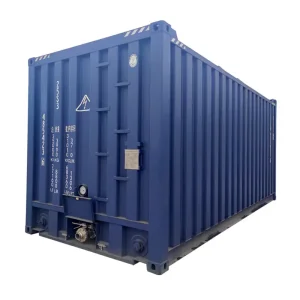
Buy New 20ft Square Liquid Container Factory, Product
View Specifications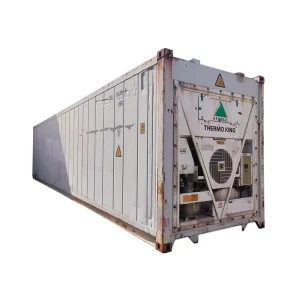
ODM New 40ft Refrigerated Freezer Container for Sale Factory, Exporter
View Specifications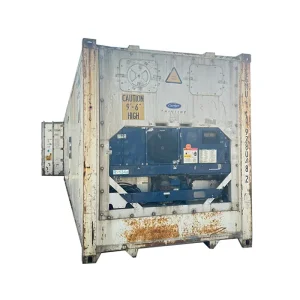
China Used 40ft High-Cube Certified Reefer Container Pricelist, Exporter
View Specifications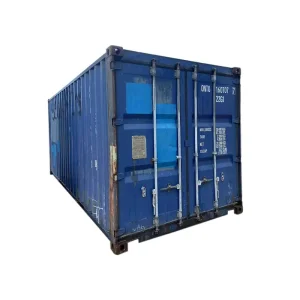
ODM 40ft Used Dry Cargo Shipping Container Manufacturers, Quotes
View Specifications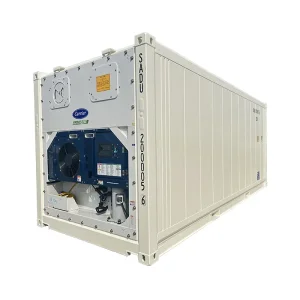
High-Quality New 40ft High Cube Carrier Refrigerator Freezer Cold Room Product, Exporters
View Specifications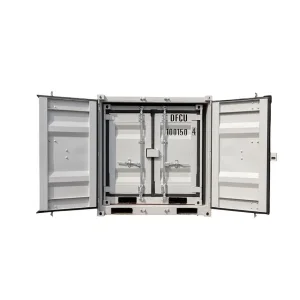
High-Quality Durable Cargo Shipping Container 4Ft/5Ft/6Ft/7Ft/8Ft/9Ft/10Ft/11Ft/12Ft Mini Storage Container Nested Shipping Container Manufacturers, Factories
View Specifications