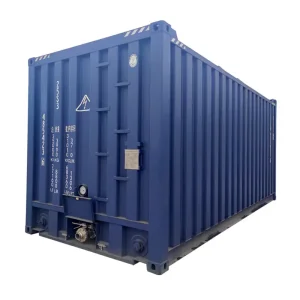
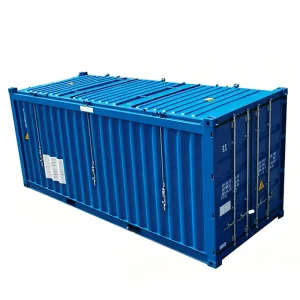
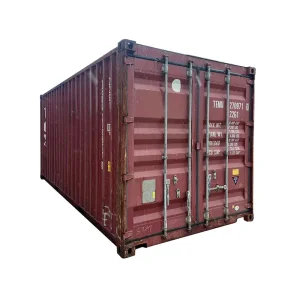
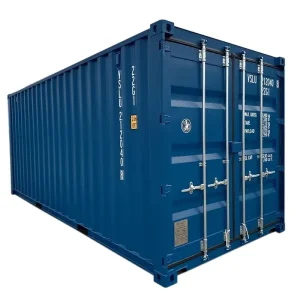
High-Spec Cargo Handling Solutions
Featured top-tier soft open-top systems, specialized ISO frames, and engineered intermodal equipment manufactured under ISO 9001 and Bureau Veritas certification.
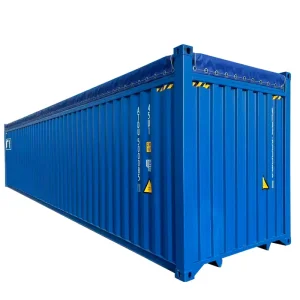
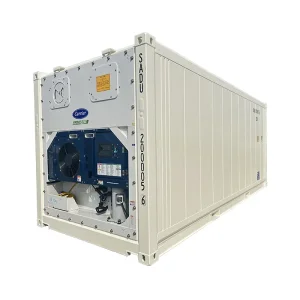
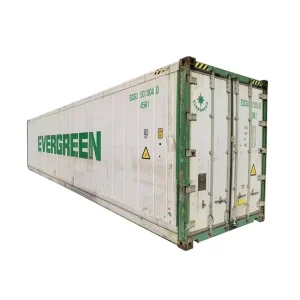
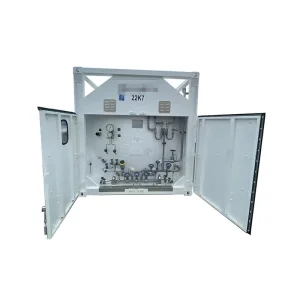
Macro Dynamics in Soft-Top Container Engineering
Analyzing structural engineering innovations, top-loading efficiency demands, and evolving international trade regulations shaping special intermodal logistics equipment.
Removable Roof Bow Ergonomics
Modern soft-top open-top containers feature engineered swing-out or fully detachable rear headers and ultra-lightweight high-tensile roof bows. These structural configurations eliminate overhead loading bottlenecks for heavy crane rigging systems and automated overhead gantry operations.
- Detachable rear swing-out headers providing unobstructed 180° swing access
- Galvanized TIR-approved multi-span bow systems resisting structural roof sagging
- Integrated mechanical safety latches preventing accidental detachment underway
Ultra-Resilient PVC Tarpaulin Tech
Soft-top reliability hinges on maritime-grade tarpaulins capable of surviving extreme meteorological stress. Contemporary manufacturers integrate 650g/m² to 900g/m² PVC-coated polyester textiles with advanced UV inhibitors, flame retardants, and cross-weave tear-stop technologies.
- High-frequency dielectric seam welding ensuring absolute water impermeability
- Customized customs sealing systems (TIR wire lines with steel core security)
- Thermal durability rated between -40°C Arctic marine and +70°C equatorial runs
Payload Maximization & Corten-A
Structural integrity is maintained through Corten-A weathering steel, delivering self-passivating oxide layers that inhibit maritime salt spray corrosion. High payload-to-tare ratios allow project logistics forwarders to maximize weight capacities for oversized machinery without structural fatigue.
- Yield strength rated ≥ 345 MPa for bottom side rails and reinforced corner posts
- Multi-ply apitong or bamboo composite flooring supporting axle loads up to 7,260 kg
- Full adherence to ISO 1496-1 standard testing protocols for dynamic multi-axis racking
Meeting Enterprise Fleet Requirements
How global infrastructure developers, specialized freight forwarders, and logistics leasing consortia de-risk high-capital equipment acquisitions.
Standardization vs. Dimensional Variations
Procurement teams require tight dimensional consistency across both 20ft Standard, 40ft Standard, and 40ft High-Cube soft-top variants. Interchangeability of roof tarpaulins, bow parts, and end-wall lock rods reduces long-term maintenance costs and inventory overhead across depots worldwide.
Regulatory Certification & CSC Compliance
Global ocean line operations require certified CSC (International Convention for Safe Containers) safety approval plates. Industrial buyers require Bureau Veritas (BV), ABS, or DNV verification to guarantee stacking performance under full 9-high laden configurations (192,000 kg total stack weight).
Turnaround Time & Lead-Time Transparency
Global supply chain velocity requires manufacturing partners with documented, auditable production cadences. Predictable dispatch from factory roll-out to deepwater port berth keeps capital deployment agile during high-stakes resource extraction or infrastructure development projects.
China Factory 4.0: Advanced Supply Chain Resilience
Harnessing smart robotics, digitalized metallurgical testing, and port-adjacent cluster efficiencies to deliver uncompromising container manufacturing at scale.
Automated Robotic Laser Welding
Our production facilities utilize 6-axis multi-pass automated welding gantries that guarantee uniform weld penetration along top and bottom side rails, header hinges, and critical corner post junctions. Automated processes eliminate human fatigue variables, ensuring structural resistance under severe cyclic torsional stress.
Eco-Friendly Waterborne Coating Lines
Adhering to strict low-VOC environmental mandates, our fully enclosed automated grit-blasting (SA 2.5 standard) and multi-coat waterborne paint systems deliver 120-150 microns dry film thickness (DFT). This delivers decades of salt spray resistance (ASTM B117 tested) without environmental degradation.
Integrated Dual-Hub Strategic Logistics
Operating primary plants in Tianjin and Suzhou approximately 100 km from China’s largest deepwater terminals drastically cuts inland transit expense and transit friction. Direct access enables immediate vessel staging, fast container depot turnaround, and optimized OEM customs clearance.
Industrial Use-Cases & Real-World Scenarios
Soft-top open-top shipping containers solve complex logistical barriers where standard end-door dry boxes cannot physically accommodate top-loaded or oversized goods.
Industrial Mining & Heavy Machinery
Transferring crushing rotors, long drill shafts, ball mill segments, and excavator buckets requires overhead gantry cranes. Soft-top containers allow top hoisting while retaining ISO dimensions, eliminating high breakbulk breakages during multimodal road-to-rail-to-sea transit corridors.
Structural Steel & Architecture Modules
Uncut long-length steel H-beams, structural tubing, wind turbine blade fasteners, and pre-cast concrete pillars cannot be packed efficiently via standard end-doors. Removable roof bows enable overhead hoist lowering, while side-wall lashing rings secure heavy concentrated cargo.
Bulk Agricultural Produce & Raw Biomass
Grain, timber logs, scrap alloys, and raw ores can be loaded rapidly from drop chutes or bulk front loaders via the unobstructed open ceiling. Once topped, the heavy-duty PVC tarpaulin with TIR cable locks seals the cargo entirely against rain, sea mist, and cargo theft.
Frequently Asked Questions for Engineers & Buyers
Essential technical clarifications regarding soft-top open-top container structural standards, tarpaulin mechanics, and customization capabilities.
What is the primary difference between a soft-top and hard-top open-top container?
A soft-top open-top container utilizes removable roof bows covered by an industrial-grade PVC tarpaulin secured with TIR cables. Hard-top containers feature a rigid, removable steel roof panel handled by crane. Soft-tops offer greater tare weight savings, rapid manual handling, and flexibility for cargo slightly exceeding standard height parameters.
How does the swing-out rear header facilitate heavy cargo loading?
The rear door upper header beam can be detached or swung outward to either side on heavy-duty hinges. This creates an uninterrupted entrance for forklifts carrying tall loads or allows low-clearance crane tracks to place cargo inside without catching the top rear cross-member.
What certifications are supplied with CIMIC open-top containers?
All newly fabricated containers are certified under ISO 668, ISO 1496-1, and CSC (International Convention for Safe Containers). Third-party classification societies including Bureau Veritas (BV), ABS, or CCS audit our structural calculations and load-testing protocols prior to customs release.
Can you provide custom dimensions, high cubes, or side access?
Yes. As an integrated OEM/ODM manufacturer, we fabricate standard 20GP, 40GP, 40HC soft-top configurations as well as customized heights (such as 9'6" High Cube soft-tops), specialized floor materials (steel chequered plates), and hybrid models with side-opening door mechanisms.
How weather-resistant is the tarpaulin system during transoceanic shipping?
Our heavy-duty tarpaulins use 900g/m² multi-layered PVC-coated panama weave fabric engineered to resist UV oxidation, hydrocarbon contamination, and sub-zero Arctic freeze fractures. The tarpaulin overlap seals firmly against continuous perimeter eyelets laced with tamper-evident TIR steel wire.
What is the typical production and delivery lead time from Tianjin or Suzhou?
For standard batch quantities, factory lead time typically ranges from 15 to 25 business days following technical drawing sign-off. Proximity to Tianjin and Shanghai/Taicang ports (under 100 km) allows for immediate vessel booking and roll-on/roll-off or container carrier assignment.
Specialized Intermodal & Storage Equipment
Explore hard open-tops, offshore DNV units, cryogenic liquid tanks, vehicle transport racks, and certified second-hand logistics systems.