
Featured Refrigerated & Specialized Logistics Fleet
Precision-engineered ISO containers, DC inverter refrigeration platforms, and modular field assets manufactured under Bureau Veritas and ISO 9001 compliance standards.
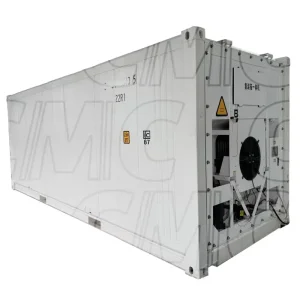
ODM The Smart Chain Cold Storage 20ft/40ft Solar Refrigerated Container 220V With DC Inverter Unit
View Specifications & Quote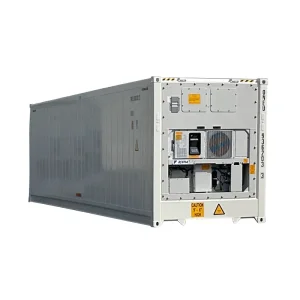
OEM New 40ft High-Cube Daikin Freezer Container Cold Storage Room Manufacturer
View Specifications & Quote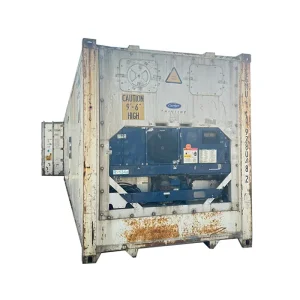
China Used 40ft High-Cube Certified Reefer Container Pricelist, Exporter
View Specifications & Quote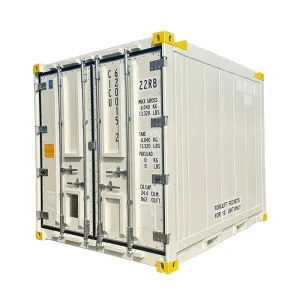
High-Quality New 10ft Certified Thermo King Freezer Container Exporter
View Specifications & Quote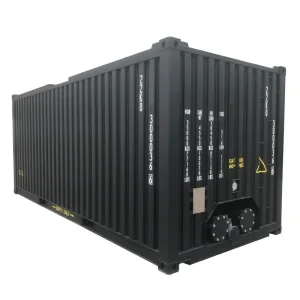
China 20 Feet Heated Shipping Asphalt Container Exporter, Manufacturers
View Specifications & Quote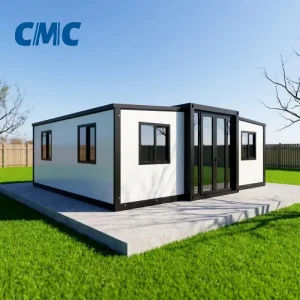
OEM 20ft Modular Container Houses Expandable Steel Container House
View Specifications & Quote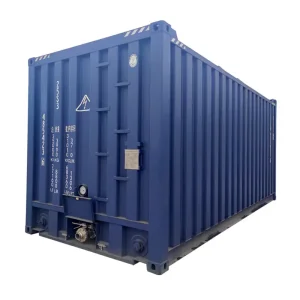
Buy New 20ft Square Liquid Container Factory, Specialized Product
View Specifications & Quote
ODM 40ft Used Dry Cargo Shipping Container Manufacturers, Quotes
View Specifications & QuoteThe Paradigm Shift: Transitioning from Three-Phase Grid Dependency to Solar Single-Phase Cold Chains
Decoupling commercial refrigeration from rigid industrial grid infrastructure. How high-efficiency 220V/240V single-phase systems overcome global agricultural post-harvest loss and volatile diesel supply chains.
Resolving Rural Power Asymmetry
Conventional marine reefers demand rigid 380V-460V 3-phase industrial power, instantly excluding remote plantations, off-grid coastal fishing hubs, and emerging market logistics nodes. Solar single-phase 220V/240V engineering allows instant connection to standard residential/commercial microgrids or complete off-grid photovoltaic operation, removing electrical substation CAPEX bottlenecks.
Mitigating Diesel Inflation & ESG Scrutiny
Operating off-grid reefer gensets consumes 2.8 to 4.5 liters of diesel per hour, exposing cold chain operators to volatile fuel markets and severe carbon reporting penalties under EU CBAM and corporate Scope 1 decarbonization mandates. Solar-assisted DC inverter reefers eliminate continuous fuel consumption, slashing runtime operational expenditure by upwards of 68%.
Farm-Gate Pre-Cooling Preservation
Over 33% of perishable horticulture is lost between harvest and packhouse due to absence of first-mile cold storage. Deploying mobile 20ft and 40ft solar single-phase units directly at field borders pulls field heat from berries, leafy vegetables, avocados, and fresh seafood within two hours of collection, extending shelf-life by 250% across international maritime routes.
Solar-Powered Single-Phase Refrigerated Container Pricelist & Quotation Matrix
Standard baseline commercial pricing for OEM/ODM configurations. Actual unit pricing scales according to solar PV array wattage, lithium iron phosphate (LiFePO4) reserve capacity, and certification requirements.
| Model Configuration | Dimensions & Volume | Electrical / Inverter Spec | Solar & ESS Storage | Set-Point Range | Budgetary Range (FOB) |
|---|---|---|---|---|---|
| CIMC-SR20-Lite Agri-Direct Field |
20ft Standard ISO (28.3 m³ net) |
Single-Phase 220V/50Hz Variable DC Inverter (2.5 kW) |
3.6 kWp Bifacial Tier-1 15 kWh LiFePO4 Module |
0°C to +15°C (Chilled Produce) |
$12,800 – $15,600 |
| CIMC-SR20-DeepFreezer Seafood & Meat |
20ft High-Cube (32.1 m³ net) |
Single-Phase 220V/60Hz Heavy Inverter Dual-Stage (4.2 kW) |
5.4 kWp N-Type TopCon 25 kWh LiFePO4 Smart ESS |
-25°C to +10°C (Deep Freeze / Chill) |
$17,200 – $21,400 |
| CIMC-SR40-HighCube Commercial Logistics |
40ft High-Cube (67.6 m³ net) |
Single-Phase 230V/240V Industrial DC Inverter (7.5 kW) |
8.8 kWp Rooftop/Fold-out 40 kWh Ultra-Long Cycle ESS |
-20°C to +12°C (Multi-Zone Capable) |
$24,500 – $29,800 |
| CIMC-SR40-UltraPharma GDP Vaccine Certified |
40ft High-Cube Insulated (65.2 m³ net) |
Dual Redundant 220V/1Ph Twin Inverter Units (5.0 kW x 2) |
10.2 kWp Monocrystalline 50 kWh Tier-1 LFP + ATS Auto |
-30°C to +25°C (±0.5°C Stability) |
$32,000 – $38,500 |
| CIMC-Refurb-EcoHybrid Value Optimized |
Used 40ft HC Certified Carrier / Daikin Body |
Hybrid 220V Single-Phase Retrofit Inverter Drive |
4.5 kWp Solar Mounting Rack Optional Battery Addition |
-18°C to +10°C (Standard Commercial) |
$10,200 – $13,800 |
CAPEX Formulation Factors
Procurement quotes are shaped by three core modular components: (1) Photovoltaic architecture (fixed flush-mount vs sliding-drawer foldout wings for max wattage), (2) Energy Storage System capacity (LiFePO4 with 6,000+ cycle life vs thermal eutectic phase-change banks), and (3) Container shell grade (Standard Corten steel vs vacuum-insulated panels for sub-zero medical precision).
Total Cost of Ownership (TCO)
While a solar single-phase container commands a 20-30% capital premium over a standard used grid-tied reefer, operational economics flip drastically within 12 to 18 months. Eliminating 3,500+ gallons of annual diesel consumption, avoiding 3-phase line drop fees ($15,000–$50,000 in rural zones), and preventing spoilage yield an average 38% internal rate of return (IRR).
Volume & Fleet Sourcing Terms
We provide direct factory FOB Tianjin/Suzhou terms, CIF containerized liner deliveries, and multimodal inland carriage. Tiered discounts apply for multi-unit agricultural cooperatives, disaster agency tenders, and commercial logistics fleets: 3-5 units (4% rebate), 6-15 units (7.5% rebate), and 16+ turnkey container microgrid projects (custom engineering contract).
Macro-Industry Solutions for Global Procurement Leaders
Engineered to function where conventional power grids fail. Real-world implementation topologies for agri-conglomerates, pharmaceutical cold chains, and maritime operators.
Remote Horticultural Agribusiness
Installed directly on plantations across Sub-Saharan Africa, Latin America, and Southeast Asia. Pre-cools mangoes, avocados, berries, and high-value florals instantly post-picking, functioning reliably on 220V single-phase solar loops regardless of local blackout frequency.
Pharmaceutical & Humanitarian Missions
WHO GDP-compliant mobile vaccine depots for UN agencies, military field hospitals, and NGO disaster response. Dual-loop telemetry guarantees +2°C to +8°C biopharmaceutical maintenance even during consecutive days of heavy cloud cover or monsoonal conditions.
Island & Archipelagic Supply Chains
Islands with prohibitive diesel electricity tariffs ($0.45+/kWh) utilize self-contained solar reefers for inter-island ferry transport and pier-side seafood staging, eliminating dockside auxiliary generator hookup expenses.
Decentralized Urban Food Hubs
Bypasses commercial warehouse zoning hurdles in dense metropolitan perimeters. Plugs into everyday commercial 220V wall receptacles while rooftop bifacial solar arrays shave peak-demand grid tariffs during afternoon operations.
Global Standards, Safety Certification & Localization Support
Every container leaving our Tianjin and Suzhou production centers complies with stringent international maritime, electrical, and cold-chain thermal preservation standards.
Maritime & Thermal Validation
Fully certified under ISO 1496-2 for thermal containers, Bureau Veritas (BV) structural approval, CSC safety plating, and ATP certification for international perishable transport. Wall insulation features cyclopentane-blown rigid polyurethane foam (PUF) achieving an ultra-low heat leakage rate (U-value ≤ 0.36 W/m²·K).
Low-GWP Eco-Refrigeration
Fully compliant with the Kigali Amendment and European F-Gas regulations. Systems are engineered with low-Global Warming Potential refrigerants including R452A, R134a, and future-proof R290 (propane) micro-charge circuits, guaranteeing hassle-free customs clearance in the European Union, North America, and Australasia.
Lithium ESS Maritime Safety (UN 38.3)
Battery systems integrated into reefer machinery recesses hold UN 38.3, CE, and IEC 62619 safety certifications. Integrated aerosol fire-suppression systems, multi-point thermal monitoring, and IP67 waterproof enclosure ratings prevent thermal runaway risks during open-sea container shipping.
Technical Roadmap: The Future of Autonomous Cold Chain Systems
CIMC Logistics equipment engineering trajectory: advancing from solar-supplemented compressors to autonomous, AI-dispatched decentralized thermal microgrids.
DC Variable Inverter Integration
Direct DC-bus pairing between solar MPPT charge controllers and brushless DC hermetic scroll compressors. Eradicates DC-to-AC conversion inversion losses, achieving a 22% increase in coefficient of performance (COP) over standard asynchronous induction motors.
Predictive AI Thermal Storage (PCM)
Integrating dynamic Phase Change Material (PCM) wall paneling coupled with cloud-connected weather telemetry. Containers automatically sub-cool internal cargo during peak midday solar generation hours, acting as thermal batteries and reducing nocturnal lithium battery discharge by 45%.
Bidirectional V2C Microgrid Hubs
Vehicle-to-Container (V2C) bidirectional power interchange. Refrigerated containers interface dynamically with electric prime-mover trucks and decentralized port mini-grids, exporting surplus solar energy to local logistics yards when cargo cooling requirements are satisfied.
Heavy-Duty Logistics, High-Cube Reefers & Intermodal Assets
High-capacity intermodal containers engineered for global rail corridors, ocean lines, bulk liquid handling, and specialized road transport.
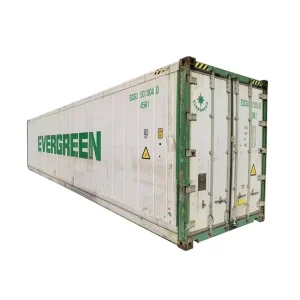
Buy Used 40ft HC Shipping Reefer Container Manufacturers, Exporters
View Specifications & Quote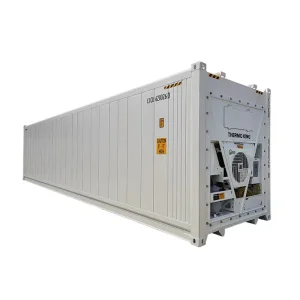
OEM New 40ft High-Cube Certified Reefer Shipping Cargo Container Pricelist
View Specifications & Quote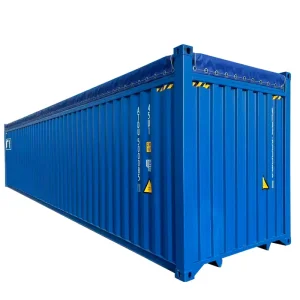
Buy 40ft High-Cube New Soft Open Top Shipping Container with Tarpaulin Cover
View Specifications & Quote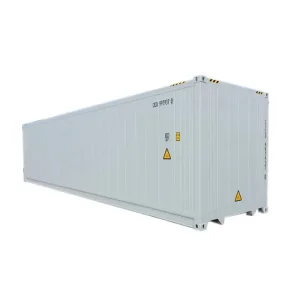
Buy New 40ft High Cube Thickened Foam Insulation Container Factory, Exporters
View Specifications & Quote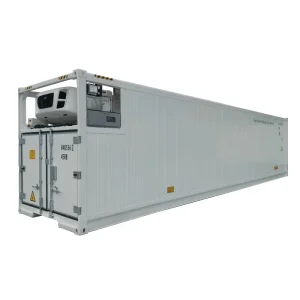
Famous New 40-foot High Cube & 45-foot Belt and Road Railway Refrigerated Container
View Specifications & Quote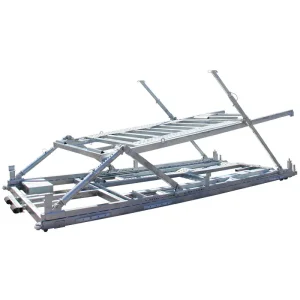
China Vehicle Transport Rack Logistics Product, Exporters
View Specifications & Quote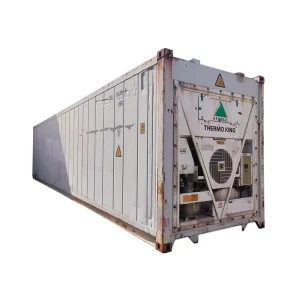
ODM New 40ft Refrigerated Freezer Container for Sale Factory, Exporter
View Specifications & Quote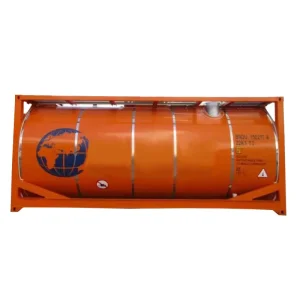
China 20 Foot ISO Liquid Tank Container for Water Manufacturer, Product
View Specifications & QuoteEngineering & Procurement FAQ: Solar Single-Phase Reefers
Definitive technical and commercial answers regarding single-phase conversions, battery autonomy, solar sizing, and logistics compatibility.
Why is single-phase 220V/240V refrigeration advantageous over standard 380V/460V 3-phase units?
Traditional marine refrigerated containers require 380V–460V 3-phase industrial power, which is entirely unavailable across rural farms, coastal fishing villages, remote medical clinics, and standard domestic grid locations. Installing 3-phase industrial lines typically costs between $15,000 and $60,000 in transformer infrastructure alone. Our single-phase 220V/240V systems utilize advanced DC inverter-driven scroll compressors that deliver identical cooling capacity with low inrush starting currents (<18A), enabling direct plug-in operation into standard utility outlets, residential solar microgrids, or standalone battery banks without phase imbalances.
How does the solar refrigeration unit operate at night or during heavy cloud cover?
The system incorporates a tri-hybrid power architecture: (1) Direct solar photovoltaic drive via MPPT controllers during daylight hours, (2) Industrial-grade Lithium Iron Phosphate (LiFePO4) energy storage packs providing 12 to 48 hours of autonomous operation depending on battery bank sizing, and (3) Automatic Transfer Switching (ATS) to single-phase AC grid power or an auxiliary generator whenever battery reserves fall below a 20% Depth of Discharge (DoD) threshold. Additionally, high-density cyclopentane PUF insulation ensures a passive thermal loss of less than 0.8°C to 1.5°C per 12 hours when the container is sealed.
Can these solar refrigerated containers be stacked and handled like standard ISO shipping containers?
Yes. All structural modifications maintain complete compliance with ISO 1496-1 and ISO 1496-2 standards. We offer two solar installation architectures: (A) Low-profile, walk-on marine-grade solar arrays mounted flush between container roof corrugations with armored conduits, fully certified for top-tier maritime vessel stacking; and (B) Slide-out, rapid-deployment solar wing kits that fold flush against the container roof during intermodal rail and sea transit, and slide out horizontally once positioned at the ground deployment site to maximize solar footprint.
What are the lead times, and where are units manufactured and inspected?
All units are manufactured at our ISO-certified facilities in Tianjin and Suzhou, China, situated less than 100 km from major international seaports. Standard production lead times range between 20 to 35 calendar days depending on OEM/ODM customization depth (e.g., side doors, partition walls, battery capacity). Every unit undergoes rigorous Pre-Shipment Inspection (PSI), including a continuous 48-hour refrigeration pull-down test to -20°C, high-pressure water seal testing, and Bureau Veritas (BV) electrical safety sign-offs prior to ocean release.
Can existing used reefer containers (Thermo King / Carrier / Daikin) be retrofitted to solar single-phase?
Yes. Our engineering division provides retrofit conversion kits and turnkey retrofitted units. We inspect and select CSC-certified used 20ft and 40ft high-cube shells from leading ocean carrier fleets (Carrier ThinLINE, Daikin LXE, Thermo King Magnum Plus), remove outdated 3-phase machinery, and integrate a custom 220V single-phase DC inverter refrigeration unit paired with roof-mounted photovoltaic arrays. This delivers an ultra-cost-effective solution at approximately 45% of the cost of an entirely new build.
Request an Engineered Specification & Custom Sourcing Quotation
Speak directly with our senior container architects in Tianjin. Supply your required cargo thermal envelope, destination port, off-grid autonomy targets, and fleet volume. We deliver detailed engineering schematics, solar generation calculations, and transparent CIF quotes within 24 hours.