
High-Priority 40ft & Specialized Logistics Inventory
Direct manufacturer allocations available for immediate ocean deployment, fleet leasing, and offshore industrial engineering.
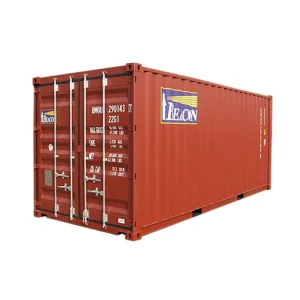
ODM 40ft New Certified Dry Shipping Container Pricelist, Exporters
View Specifications & Quote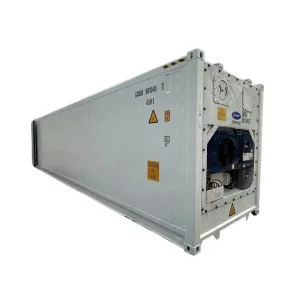
Buy Ninety Percent New Used 40ft HC Carrier Refrigerated Container Product, Quotes
View Specifications & Quote
Buy New Half Height Ore Carrier Container Offshore Container Manufacturers, Quotes
View Specifications & Quote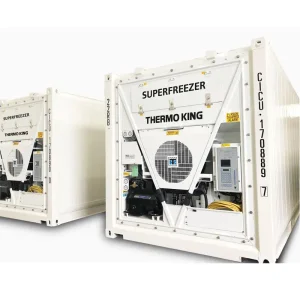
OEM New Deep Freezer Refrigerator Container For Sale Factory, Quotes
View Specifications & Quote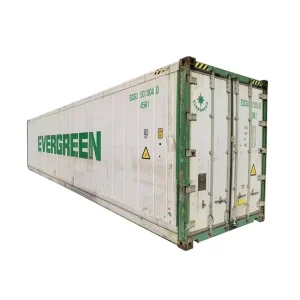
Buy Used 40ft HC Shipping Reefer Container Manufacturers, Exporters
View Specifications & Quote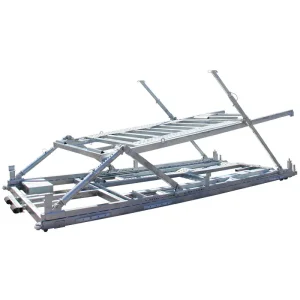
China vehicle transport rack Product, Exporters
View Specifications & Quote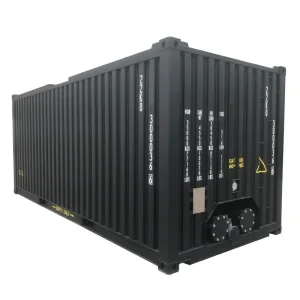
China 20 Feet Heated Shipping Asphalt Container Exporter, Manufacturers
View Specifications & Quote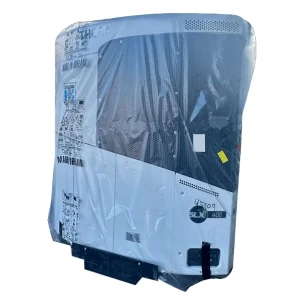
Famous TK SLXI Mobile power generation trailer cooling unit Product, Manufacturers
View Specifications & QuoteMacro Trends & Industrial Demand for 40 Ft Sea Containers
Navigating volatility in global trade routes, fleet replenishment cycles, and the structural transition to High-Cube intermodal units.
Intermodal High-Cube Primacy
The standard 40ft High Cube (9ft 6in external height) has officially superseded the standard 8ft 6in general purpose container as the undisputed backbone of international maritime logistics. Offering an additional 12% in internal volumetric capacity (76.3 m³ vs 67.7 m³), shipping lines and multinational cargo consolidators optimize their freight-per-cube ratios for lightweight e-commerce goods, automotive components, and palletized FMCG products.
- Elimination of broken stowage in high-cube dry cargo.
- Direct integration with automated European rail corridors.
- Optimized floor loading for 25 European pallet footprints.
SPA-H Corten Steel Chemistry
Longevity under harsh marine boundary layer conditions demands rigorous metallurgical control. Industrial-grade 40 ft sea containers fabricated by certified Chinese factories employ SPA-H weathering steel, enriched with copper (Cu), chromium (Cr), and nickel (Ni). Upon atmospheric exposure, SPA-H develops an adherent, dense rust-like protective patina that drastically retards oxidation compared to standard mild structural carbon steels.
- Minimum yield strength exceeding 345 MPa.
- Superior cyclic marine corrosion resistance (C5-M environment).
- Extended coating adhesion for waterborne zinc-rich primers.
Decarbonization & Low-VOC Shift
Global environmental mandates—including the EU ETS maritime inclusion and IMO Net-Zero targets—have transformed container production facilities. Chinese manufacturing hubs in Tianjin and Suzhou now universally deploy automated waterborne coating systems, eliminating more than 85% of volatile organic compound (VOC) emissions during the shot-blasting and multi-coat application process.
- Automated high-pressure spray finishing with zinc silicates.
- FSC-certified sustainable bamboo/hardwood composite floors.
- 100% recyclable end-of-life structural circularity.
2025 Factory Pricelist & Capital Expenditure Benchmarks
Indicative FOB factory-gate pricing matrices for certified 40ft maritime containers, cold-chain reefers, and specialized offshore modules.
| Equipment Classification | Dimensions (L × W × H) | Structural Metallurgy / Specs | Tare Weight (kg) | FOB China Factory Baseline | Primary Certification |
|---|---|---|---|---|---|
| 40ft Standard Dry (40GP) | 12.192 × 2.438 × 2.591 m | Corten-A SPA-H, 28mm Plywood Floor | 3,750 kg | $2,100 – $2,450 | ISO 1496-1, BV, ABS, CSC |
| 40ft High Cube Dry (40HC) | 12.192 × 2.438 × 2.896 m | Corten-A SPA-H, High-cube 9'6" clearance | 3,900 kg | $2,250 – $2,650 | ISO 1496-1, BV, CCS, CSC |
| 40ft HC Reefer (New, Carrier/TK) | 12.192 × 2.438 × 2.896 m | SS304 / MGX liner, Cyclopentane PU foam | 4,520 kg | $11,800 – $14,500 | ATP, BV, ISO 1496-2, CSC |
| 40ft HC Reefer (Certified Used, 90%) | 12.192 × 2.438 × 2.896 m | Refurbished Carrier/Daikin unit, PTI tested | 4,600 kg | $5,400 – $7,200 | IICL-6, Cargo Worthy (CW) |
| 40ft Side Open / Double Door | 12.192 × 2.438 × 2.896 m | Reinforced portal headers, bi-fold side leafs | 5,100 kg | $4,200 – $5,400 | ISO Standard, BV Marine |
| Offshore DNV Certified Half-Height | 12.192 × 2.438 × 1.295 m | High-yield structural steel, integrated padeyes | 4,200 kg | $6,800 – $8,900 | DNV 2.7-1 / EN 12079 |
Raw Material Volatility & Hedging
Steel plate accounts for 58% to 64% of a standard dry box's factory cost. Tier-1 Chinese container manufacturing plants in Tianjin hedge hot-rolled Corten coil prices in rolling quarterly brackets. Volume procurement agreements (>50 TEU) allow enterprise buyers to lock fixed production gate rates, insulating international fleet budgets from localized raw metal spot market spikes.
Residual Asset Valuation (TCO)
Certified ISO 40ft Corten containers display outstanding residual equity retention over a 15-year lifecycle. Even after a decade of continuous maritime chartering, a Cargo Worthy (CW) 40HC container commands 52% to 65% of its original capitalization cost on the secondary market, functioning as secondary static dry storage, modular conversion shells, or edge data centers.
Drayage & Seaport Synergy
Factory location dictates total landed procurement expenditures. Manufacturing facilities positioned within 100 km of deepwater terminals (such as Tianjin Xingang Port or Shanghai/Taicang) save purchasers between $250 and $450 per box in initial drayage and positioning expenses, allowing immediate "one-trip" revenue loading with partner freight forwarders.
Precision Fabrication Workflow at Factory Scale
Inside our BV and ISO 9001 certified production lines: automated stamping, robotic submerged-arc welding, and structural stress validation.
01. Profiling & Corrugation
High-precision hydraulic presses stamp 1.6mm to 2.0mm Corten steel sheets into deep-corrugated side and front wall panels, maximizing geometric moment of inertia and shear load resistance under full ocean stack weight.
02. Robotic Jig Jig Assembly
Corner posts (6.0mm cold-formed steel) and ISO 1161 casting blocks are clamped in heavy rigid assembly jigs. Multi-axis automated robotic welders perform CO2 gas-shielded fillet and butt welds to prevent thermal frame distortion.
03. SA 2.5 Shot Blasting
Assembled steel shells undergo automatic centrifugal steel-grit blasting to Swedish Standard SA 2.5, eradicating mill scale, rust, and surface oils, achieving an optimum anchor profile of 25–45 microns for multi-layer epoxy adhesion.
04. Rigorous NDT & Type Testing
Every batch undergoes non-destructive weld testing, water-tightness jet testing at 100 kPa nozzle pressure, and 9-high stacking load tests (transmitting up to 86,400 kg per corner post) certified directly by Bureau Veritas or ABS surveyors.
Enterprise Deployment Scenarios for 40ft Equipment
Engineered structural modifications and cargo-specific designs engineered for critical global sectors.
Pharma & Cold Logistics
Integrated with Carrier Transicold PrimeLINE or Thermo King Magnum Plus units, maintaining pinpoint cold chain stabilization down to -35°C (or -65°C for specialized deep-freeze units) with real-time GPS telemetry.
Heavy Mining & Minerals
Custom half-height containers and open-top ore hoppers reinforced with Hardox wear plates. Engineered specifically for dense concentrates, allowing rapid turnover, bottom-dumping, and rotatable spreader discharge.
Modular Edge Computing & BESS
Modified 40HC steel shells outfitted with thermal insulation panels, high-voltage battery racks (BESS), HVAC fire suppression systems, and certified floor load structures supporting dynamic loads exceeding 32,000 kg.
Offshore Energy (DNV 2.7-1)
Severe-environment lifting frames and cargo baskets built in strict compliance with EN 12079 / DNV 2.7-1 offshore standards, featuring Charpy V-notch tested steels capable of offshore platform crane lifting at -20°C sea states.
Marine Compliance, Classification & Safety Accreditations
Ensuring zero border stoppages, frictionless port entry, and total safety compliance across all international maritime routes.
CSC Approval Plate
Under the International Convention for Safe Containers (CSC 1972), every 40 ft sea container leaving our factory is fitted with a corrosion-proof stainless steel CSC plate. This documents maximum operating gross weight, allowable stacking weight (minimum 216,000 kg for 9-high marine stack), transverse racking test load values, and Approved Continuous Examination Programme (ACEP) designation.
TIR & UIC Intermodal Approval
For cross-border intermodal rail and road transit (Trans-Eurasian corridors, North American inland drayage), containers feature Customs TIR certification (Customs Convention on the International Transport of Goods). Door hardware is precision-stamped with anti-tamper locking hasps and TIR wire cable eyelets, meeting international customs sealing mandates.
Classification Societies (BV, ABS, CCS)
All production drawings, metallurgical test reports, weld schedules, and paint adhesion tests are formally stamped and verified on-site by accredited classification society surveyors. Buyers receive official manufacturer certificates alongside individual equipment data plates bearing recognized society hallmarks.
Technological Roadmap: Connected Smart Containers
The transformation of standard intermodal steel boxes into intelligent, real-time telemetry nodes across the maritime internet of things.
Autonomous Solar IoT Telematics
Next-generation 40ft sea containers integrate flush-mounted, anti-vandal solar photovoltaic panels wired to internal low-power cellular/satellite transceivers. These transmit dynamic interior temperature, humidity, tri-axial shock incidents, and door-opening optical sensor alerts directly to enterprise supply chain control towers.
Advanced Composite Floor Systems
To reduce overall tare weight and eradicate chemical pesticide treatments (such as Radish tail treatment protocols required by Australian Biosecurity), traditional tropical hardwood floor planks are being systematically replaced by recyclable closed-cell thermoplastic composite and hybrid aluminum honeycomb floor designs.
Digital Twins & Predictive Maintenance
Leveraging continuous strain gauge arrays and acoustic sensors embedded during primary factory assembly, shipping fleet operators can monitor localized fatigue stress in corner castings and bottom side rails. Digital twin algorithms forecast maintenance intervals long before structural failure occurs at terminal cranes.
Certified Special Containers, Reefers & Modular Assemblies
Explore heavy-duty bulk containers, offshore liquid tanks, expandable modules, and certified multi-temp reefer systems.
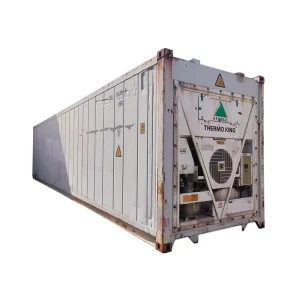
ODM New 40ft Refrigerated Freezer Container for Sale Factory, Exporter
View Specifications & Quote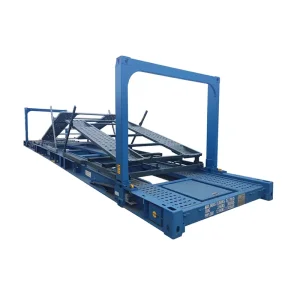
China New 20ft Car Carrier Container Special Container Exporter, Quotes
View Specifications & Quote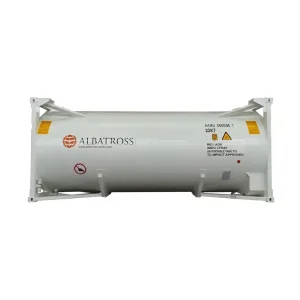
China 25000 Liters ISO 20ft Gas Tank Container for Sale Product, Factories
View Specifications & Quote
China Used 40ft High-Cube Certified Reefer Container Pricelist, Exporter
View Specifications & Quote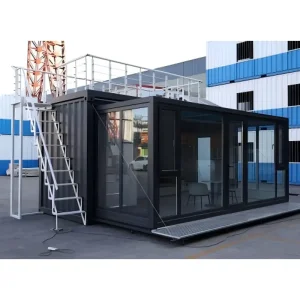
Famous 20ft Foldable Prefab Modular Homes Mobile Expandable Container House Prefabricated House with Bathroom Manufacturer, Exporters
View Specifications & Quote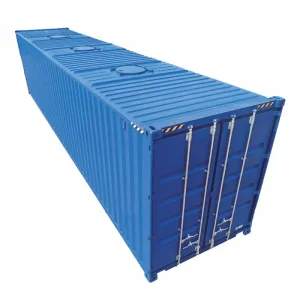
Buy 20 Feet Shipping Bulk Container Manufacturer, Exporters
View Specifications & Quote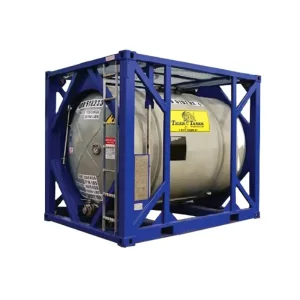
Buy New DNV Certification 10ft Offshore Tank Container Factory, Products
View Specifications & Quote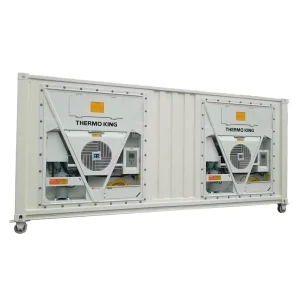
High-Quality The new blast reefer containers are certified by classification societies Manufacturers, Factories
View Specifications & QuoteEnterprise Sourcing & Procurement FAQ
In-depth responses authored by certified container naval architects and export supply chain directors.
What are the critical dimensional and volume differences between a 40ft Standard (GP) and 40ft High Cube (HC)?
While both configurations share the identical external length of 40 feet (12.192 m) and width of 8 feet (2.438 m), the primary differentiator lies in the vertical profile. A standard 40ft General Purpose (GP) container possesses an exterior height of 8 feet 6 inches (2.591 m), yielding an internal cubic volume of approximately 67.7 m³ (2,390 cu ft). In contrast, a 40ft High Cube (HC) features an exterior height of 9 feet 6 inches (2.896 m), which expands the interior clear height from 2.393 m to 2.698 m. This vertical extension provides 76.3 m³ (2,694 cu ft) of usable space—representing a ~12.7% volume gain. For palletized cargo, this additional foot enables double-stacking of standard ISO pallets (1,000 × 1,200 mm) or European Euro-pallets (800 × 1,200 mm) without top clearance damage.
Why is Corten-A (SPA-H) steel universally mandated for 40ft ISO shipping containers?
Corten steel (specifically JIS G3125 SPA-H specification) is an atmospheric corrosion-resistant copper-chromium-nickel alloy. When exposed to ocean salt spray, alternating wet/dry cycles, and extreme UV radiation, standard mild carbon steel forms a flaky, porous iron oxide layer that perpetually spalls away, accelerating wall thinning. In contrast, SPA-H develops an impermeable, chemically stable barrier patina of basic sulfates and phosphates that seals the underlying steel matrix. This self-healing surface property prevents micro-cracks around corrugation folds and ensures the container safely sustains severe 9-high fully loaded stacking loads (transmitting 86,400 kg per post) throughout a 25-year operational lifespan.
How do FOB factory pricing, "One-Trip" positioning, and empty drayage costs interact?
Procuring containers directly from factories in China typically presents three delivery mechanisms:
1) FOB Factory/CY (Container Yard): The buyer takes possession at the factory depot or seaport terminal and arranges their own sea carriage.
2) One-Trip (Shipper Owned Container - SOC): The newly fabricated container is leased or consigned to a shipping line or freight forwarder carrying revenue-generating cargo toward the purchaser's destination port. This dramatically offsets repositioning ocean freight, frequently reducing delivered equipment costs by $800 to $1,500 per TEU.
3) Empty Positioning: If no export freight is available along that specific trade corridor, empty repositioning slot charges apply. Purchasing from factories situated within 100 km of major container ports (e.g., Tianjin or Taicang) reduces initial road drayage to the vessel quay down to $80–$150 per container.
What specific quality control certifications must be verified before releasing factory payment?
Professional procurement teams must demand the complete factory dossier prior to final settlement:
• Classification Society Certificate: Stamped by Bureau Veritas (BV), ABS, CCS, or DNV, certifying full compliance with ISO 1496-1 (Series 1 freight containers — Specification and testing).
• CSC Safety Approval Plate: High-grade stainless steel plate affixed to the door documenting design stack load (minimum 216,000 kg), transverse racking force (150 kN), and approved timber treatment (complying with Australian Department of Agriculture, Fisheries and Forestry biosecurity rules).
• Mill Test Certificates (MTC): Proving the SPA-H chemical composition (Cu, Cr, Ni percentages) and mechanical yield strengths (>345 MPa).
• Light & Water Ingress Test Report: Individual verification using high-intensity interior lamp inspection followed by a 100 kPa pressure nozzle water jet test across all door EPDM gaskets and seam welds.
What is the difference between IICL-6, Cargo Worthy (CW), and As-Is condition for used 40ft units?
Secondary market 40ft sea containers are categorized according to rigorous international structural criteria:
• IICL-6 (Institute of International Container Lessors): The most demanding commercial lease-return standard. Requires strict tolerances on sidewall dent depth (<25mm on corrugations), zero floor delamination, immaculate corner casting apertures, and intact door gasket sealing. Ideal for immediate international ocean export under valid CSC plating.
• Cargo Worthy (CW): Structurally sound, certified watertight, and meets basic ISO stacking requirements. May exhibit minor surface oxidation, exterior scuffs, and patches, but maintains structural integrity capable of passing a third-party surveyor's inspection for valid CSC recertification.
• Wind and Watertight (WWT): Guaranteed dry interior without light leaks; suitable for static on-site storage, construction offices, or architectural modification, but lacks certified structural stack ratings for vessel stowage.
• As-Is / Where-Is: Retired equipment that may possess major structural deformation, floor rot, or deep corrosion. Suitable strictly for low-cost scrap recovery or static non-critical agricultural uses.
Can 40ft sea containers be customized with OEM/ODM modifications directly on the production line?
Yes. Customizing a container directly on the automated factory line prior to painting and final floor layment is significantly cheaper and structurally superior to retrofitting standard units post-production. Common factory-engineered modifications include:
• Alternative Door Geometries: Full-length bi-fold side access doors, heavy-duty overhead roller shutters, or dual-end tunnel doors.
• Industrial Shell Reinforcement: Integration of internal unistrut channel framing, electrical cable penetrations, explosion-proof ventilation louvers, and reinforced floor steel plate (replacing timber) for Battery Energy Storage Systems (BESS) or generator enclosures.
• Custom Coating Schedules: Marine C5-M high-durability 3-coat paint schedules (zinc-rich primer, epoxy micaceous iron oxide intermediate coat, polyurethane topcoat) totaling >200 microns dry film thickness (DFT) for extreme chemical or offshore environments.
What are the mechanical and refrigeration specs of 40ft High Cube Reefer containers?
A certified 40ft High Cube Reefer incorporates a high-efficiency electro-mechanical refrigeration machinery unit (predominantly Carrier Transicold PrimeLINE, Thermo King Magnum Plus, or Daikin LXE10E) housed in the front frame recess. Key specifications include:
• Temperature Control Range: -30°C to +30°C (-22°F to +86°F) under external ambients up to 50°C (special deep-freeze blast models achieve -65°C).
• Insulation Architecture: High-density polyurethane (PU) foam blown with zero-ODP cyclopentane agents (wall thickness 60–75mm; thermal conductivity U-value < 0.38 W/m²K).
• Interior Lining: Food-grade SUS 304 stainless steel or heavy-gauge food-safe aluminum sheeting with deep-groove aluminum T-bar flooring designed to facilitate 5,500 m³/h conditioned bottom-air ventilation through palletized cargo.