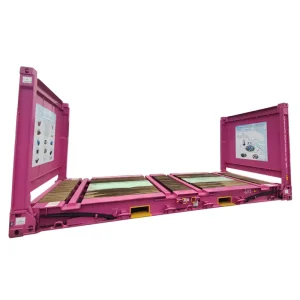
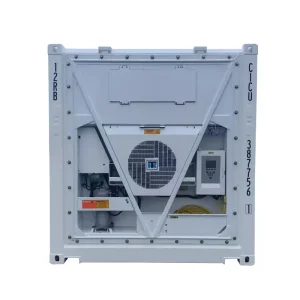
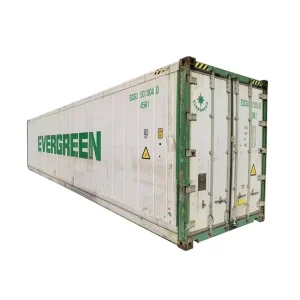
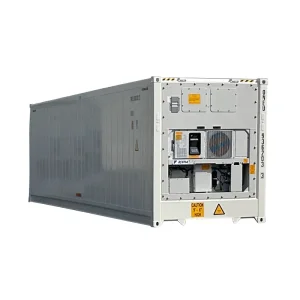
Featured Intermodal & Special Containment Units
Engineered for seamless trailer coupling, offshore deployment, and cold chain preservation across complex supply routes.
Strategic Macro Industry Solutions & Global Trade Integration
Bridging port terminals, rail heads, and inland highways through ultra-resilient chassis and container configurations.
Intermodal Drayage Efficiency
Global container chassis fleets must balance tare-weight optimization with high structural yield points. By leveraging high-tensile weathering steel and lightweight aluminum crossmembers, our chassis and modular trailer configurations maximize payload capacity while minimizing fuel draw-ratios on tier-1 freight corridors.
Cold Chain Integrity Architecture
The transport of pharmaceutical products, biologics, and premium perishables demands unbroken micro-climates. Our solar-integrated hybrid units and advanced insulation protocols prevent thermal bridge phenomena, ensuring compliance with strict global temperature parameters even across sub-Saharan routes.
Harsh Environment Survivability
Offshore exploration, wet mining bulk handling, and trans-continental desert logistics accelerate structural wear. Our systems integrate DNV 2.7-1 certifications, anti-abrasive linings, and zinc-rich fluorocarbon coatings capable of withstanding beyond 3,000 hours in standard salt spray tests.
Engineered Across Mission-Critical Operating Landscapes
Tailored container-trailer interfaces designed for specific infrastructure constraints, regulatory limits, and rough terrain.
Port Terminal Shuttle Run
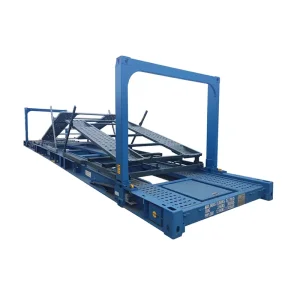
Optimized for repeated automated twists, side-lifter docking, and container yard shuttle cycling with high-durability landing gears and corner casting locks.
Mining & Heavy Slurry
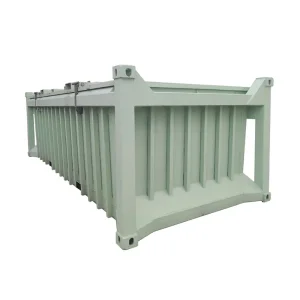
Reinforced half-height ore containers and side-dump platform trailers fabricated to withstand concentrated weight profiles and abrasive rock payloads.
Agri-Cold Regional Corridors
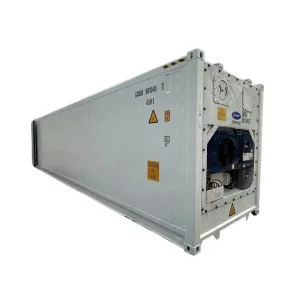
Dual-discharge airflow reefers connected to smart telematics for long-haul highway corridors where consistent temperatures safeguard perishables.
Offshore Energy Platforms
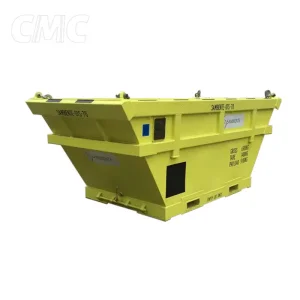
DNV 2.7-1 approved containers and rig-supply baskets equipped with certified sling sets, structural pad-eyes, and heavy corrosion barriers.
Standard Dimensioning & Intermodal Chassis Compatibility
Technical metrics certified by Bureau Veritas (BV) and ISO protocols for multi-modal cross-border deployment.
| Equipment Model | Dimensions (L × W × H) | Cubic Vol (m³) | Max Gross (kg) | Chassis & Trailer Pin Compatibility |
|---|---|---|---|---|
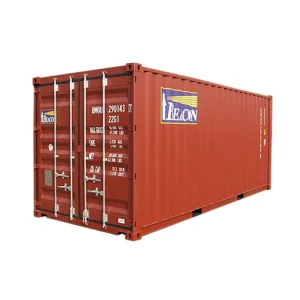
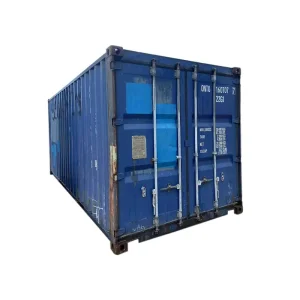
| 20ft ISO Heavy-Duty Dry | 6,058 × 2,438 × 2,591 mm | 33.2 m³ | 30,480 kg | 20ft 2-Axle / 3-Axle Skeletal Trailer Standard Twistlocks |
| 40ft High Cube Intermodal | 12,192 × 2,438 × 2,896 mm | 76.3 m³ | 30,480 kg | 40ft Gooseneck Chassis / 3-Axle Drop-Deck Intermodal Flatbed |
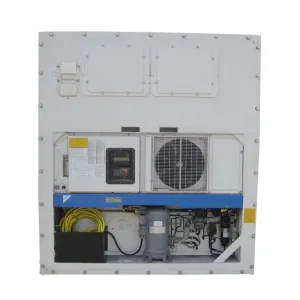
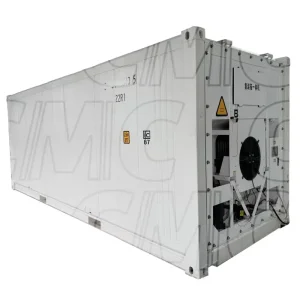
| 40ft HC Dual-Temp Reefer | 12,192 × 2,438 × 2,896 mm | 67.6 m³ | 34,000 kg | 40ft Gooseneck with Undermount Genset Power Harness |
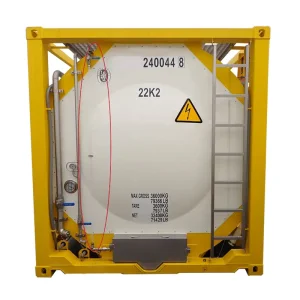
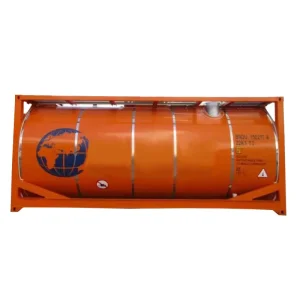
| 20ft ISO Stainless Tank T11 | 6,058 × 2,438 × 2,591 mm | 24,000 Liters | 36,000 kg | Drop-Center Tank Chassis / Spread-Axle Heavy Hauler |
| Offshore Half-Height Ore Unit | 6,058 × 2,438 × 1,280 mm | 14.8 m³ | 25,000 kg | Heavy-Duty Lowbed Chassis & Certified DNV 4-Point Slings |
Technical Roadmap: Telematics & Composite Modularization
Driving total cost of ownership (TCO) reductions through materials science and autonomous logistics monitoring.
IoT Telematics Integration
Next-gen builds integrate embedded sensor arrays in corner castings, continuous temperature profiling nodes, real-time GPS coordinates, and axle-load indicators delivering data via low-orbit satellite links directly to fleet dashboards.
Lightweight High-Tensile Composites
By transitioning inner liners to fiber-reinforced polymers (FRP) and structural chassis frames to high-yield micro-alloy steels, tare weight is reduced by up to 14%, directly increasing legal payload thresholds and decreasing carbon output.
Closed-Loop Zero Emission Cooling
Development of direct solar-coupled secondary phase change materials (PCM) along with ultra-low GWP refrigerants ensures reefer trailer bodies maintain temperature holdover for up to 18 hours in the event of primary generator shutdown.
Frequently Asked Questions for Fleet Engineers
Clear answers addressing international standards, chassis interfaces, production timelines, and pricing factors.
How do container tare weights affect highway trailer payload limits?
Highway regulations (such as DOT in North America or European axle load norms) restrict the gross combined vehicle weight (GCVW). Specifying high-tensile steel container bodies reduces tare weight by 300–600 kg, directly converting deadweight into profitable payload capacity per haul cycle.
Can standard ISO container chassis haul custom side-opening and open-top units?
Yes. All specialized containers manufactured by CIMIC adhere to standard ISO corner casting distances (ISO 1161). Whether using side-opening doors, roll-up gates, or open tops, the structural pick points match standard skeletal and gooseneck container trailers.
What certifications accompany offshore containers intended for marine trailer transit?
Our offshore units are built under Bureau Veritas (BV) or DNV certifications complying with EN 12079 and DNV 2.7-1 regulations. They include full material traceability certificates, non-destructive test (NDT) weld reports, and certified 4-point wire rope lifting slings.
What is the typical production lead time and port staging process?
Standard builds run in 3 to 4 weeks. With manufacturing facilities situated just 100 km from Tianjin seaport, units clear pre-shipment inspections (PSI) and container freight station (CFS) customs documentation rapidly, ensuring direct roll-on loading onto ocean vessels.
Which refrigeration compressor options can be integrated on mobile reefer bodies?
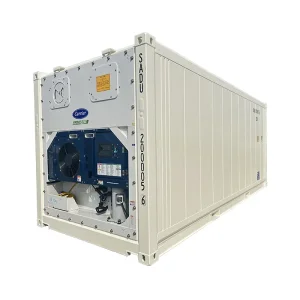
We provide Carrier Transicold, Thermo King, and Daikin machinery. Units can be equipped with undermount diesel gensets (clip-on or chassis-mount) allowing unbroken continuous cooling during long-haul road freight operations.
How are used shipping containers graded before customer purchase?
Used shipping containers are classified under Cargo Worthy (CW) and IICL-5 standards. Units undergo thorough inspection of corner posts, floorboards, roof panels, and door gaskets to guarantee they are wind and watertight (WWT) before dispatch from Chinese port yards.
Special Platform & Engineered Intermodal Fleet Catalog
Browse our certified modular platforms, multi-cube reefers, and specialized offshore silt management containers.