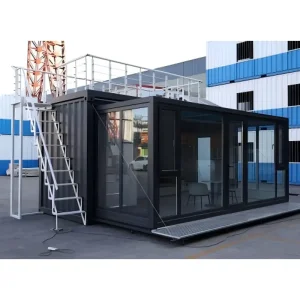
Engineered Chemical & Intermodal Cargo Solutions
Review our heavy-duty certified industrial units, specialized liquid containers, and offshore equipment engineered directly by CIMIC Group with full classification verification.
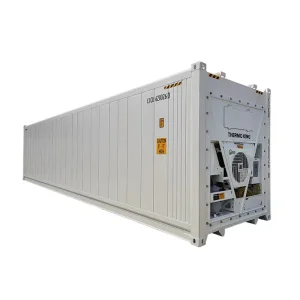
OEM New 40ft High-Cube Certified Reefer Shipping Cargo Container
Request Factory Quote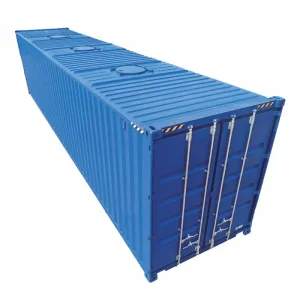
Buy 20 Feet Shipping Bulk Container Manufacturer, Exporters
Request Factory Quote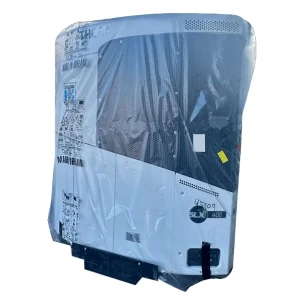
Famous TK SLXI Mobile power generation trailer cooling unit Product, Manufacturers
Request Factory Quote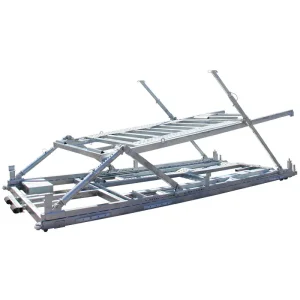
China vehicle transport rack Product, Exporters
Request Factory Quote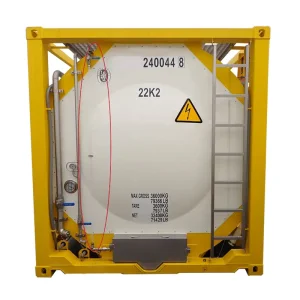
ODM 20ft Tank Container for Alcohol Manufacturer, Quotes
Request Factory Quote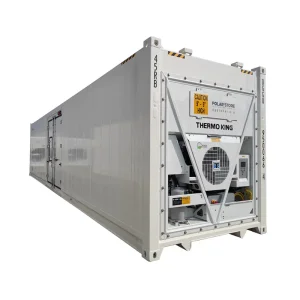
Famous 40ft High-Cube Side Open Door Reefer Container Manufacturer, Factories
Request Factory Quote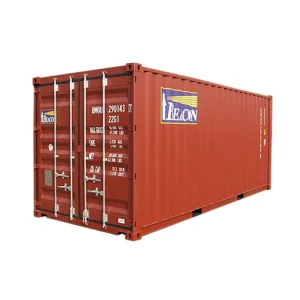
ODM 40ft New Certified Dry Shipping Container Pricelist, Exporters
Request Factory Quote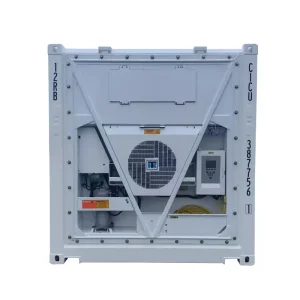
OEM 20ft Offshore Refrigerated Container DNV Certification Is More Durable Exporter, Exporters
Request Factory QuoteGlobal Chemical Container Landscape: Supply Chains, Safety, & Compliance
Navigating the transition toward high-density intermodal bulk systems, zero-discharge containment, and severe regulatory regimes across trans-oceanic shipping corridors.
The global carriage of hazardous and non-hazardous industrial chemicals is undergoing a structural paradigm shift. Traditionally reliant on intermediate bulk containers (IBCs) and steel drums within general dry freight boxes, global chemical conglomerates, petrochemical refiners, and pharmaceutical precursors distributors are aggressively transitioning to standardized intermodal chemical ISO tank containers (T-codes T1 through T23 under the UN Portable Tank instruction). This transition is propelled by stringent environmental mandates under the International Maritime Dangerous Goods (IMDG) Code, the European Agreement concerning the International Carriage of Dangerous Goods by Road (ADR), and the Regulations concerning the International Carriage of Dangerous Goods by Rail (RID).
Purchasing chemical containers requires a rigorous understanding of the total asset lifecycle. Unlike dry cargo or basic reefer containers, a chemical container factory operates at the nexus of metallurgical engineering, precision automated welding, and pressure vessel certification under ASME Section VIII Division 1 and ISO 1496-3. Whether conveying volatile aromatic hydrocarbons, fuming mineral acids, food-grade alcohols, or cryogenic liquefied technical gases, containment integrity determines operational safety, cargo purity, and environmental liability.
Global ISO Tank Container Fleet in Service
Projected Bulk Liquid Chemical CAGR (2024-2030)
Radiographic NDT Weld Verification on Pressure Shells
Years CIMIC Engineering Legacy (Since 1983)
The UN Portable Tank System: Decoding Tank Codes for Direct Procurement
When engineering and quoting chemical container vessels, the UN Tank Code dictates the required shell thickness, minimum design pressure, relief valve configurations, and bottom opening arrangements. A failure in specifying these variables risks catastrophic cargo degradation, customs rejection, or violent failure during sea transit accelerations:
| UN Tank Code | Minimum Test Pressure | Minimum Shell Thickness | Discharge System | Primary Industrial Chemical Cargoes |
|---|---|---|---|---|
| UN T11 | 6.0 Bar | 6 mm Reference Steel | Bottom Openings (3 Redundant Closures) | Flammable liquids, alcohols, non-toxic petrochemical solvents, biodiesel, organic oils |
| UN T14 | 6.0 Bar | 6 mm Reference Steel + Shell Plating | Top Discharge Only (Zero Bottom Penetration) | Corrosive mineral acids, chlorosilanes, hydrochloric acid (rubber/PTFE lined) |
| UN T20 | 10.0 Bar | 8 mm – 10 mm High-Tensile Steel | Top Only with High-Integrity Gas Phase | Organometallic catalysts, highly toxic volatile compounds, pyrophoric reagents |
| UN T50 | Up to 27.5 Bar | 12 mm – 16 mm Boiler Quality Steel | Specialized Dual Liquid/Vapor Outlets | Non-refrigerated liquefied gases: LPG, ammonia, refrigerant blends (R134a, R32) |
CIMIC Group evaluates chemical safety profiles according to their physical-chemical safety data sheets (SDS). From vapor pressure margins at 50°C and thermal expansion coefficients to metallurgical corrosion curves, our factory designs optimize the delicate equilibrium between structural tare weight and maximum legal intermodal payloads.
Barrier Linings, Advanced Alloys, and Thermal Systems
Chemical containment vessels are subjected to severe internal chemical attack and external oceanic salt spray. Our factory integrates specialized metallurgical grades and fluoropolymer lining systems.
Austenitic & Duplex Steels
Vessels are fabricated from premium cold-rolled 316L (EN 1.4404) stainless steel, stabilized 316Ti (EN 1.4571), or 2205 Duplex (EN 1.4462). 2205 Duplex offers yield strengths exceeding 450 MPa, allowing for lighter tare weights and higher resistance against chloride-induced stress corrosion cracking.
Fluoropolymer Linings (PTFE / PFA / ETFE)
For aggressive inorganic acids (HCl, HF, concentrated H2SO4) where austenitic stainless fails, our cleanrooms apply 3.0 mm to 4.5 mm seamless bonded PTFE or rotational molded PFA/ECTFE linings, validated via 15,000-volt holiday spark testing for zero porosity.
Thermal Management & Steam Heating
Equipped with 6 to 12 longitudinal steam heating channels or dimpled heating jackets with a working pressure of 4.0 Bar. Insulation options include 50 mm rock wool or closed-cell polyurethane encased in marine-grade aluminum or GRP cladding to limit temperature drift below 1.5°C/day.
Precision Clean Electropolishing
To safeguard semiconductor-grade solvents and ultra-pure fine chemicals from metallic leaching, our vessels undergo mechanized mirror-electropolishing to achieve internal surface finishes below Ra 0.25 µm, followed by automated nitric/citric acid passivation baths.
CIMIC Factory Infrastructure: 40+ Years of Manufacturing Integrity
Tianjin Cimic Imp&Exp Co., Ltd. operates high-throughput manufacturing complexes located 100 km from Tianjin seaport, streamlining export logistics directly to Africa, Europe, the Americas, and Australasia.
Founded in 1983, CIMIC Group brings over four decades of dedicated structural container, pressure vessel, and logistics equipment manufacturing expertise. Operating advanced production bases in Tianjin and Suzhou, our manufacturing processes are backed by Bureau Veritas (BV) classification approvals, ISO 9001 quality management systems, and documented EN 10204 3.1 material traceability for every heat number of steel utilized on the factory floor.
The manufacturing process for chemical containment assets follows a continuous inspection protocol:
01. Automated Welding Systems
Longitudinal and circumferential seams are executed using automated submerged arc welding (SAW) and pulsed gas tungsten arc welding (GTAW). Consistent penetration depth minimizes heat-affected zone (HAZ) sensitization, preventing intergranular corrosion along weld beads.
02. Non-Destructive Testing (NDT)
100% of weld intersections are verified through direct digital radiography (X-ray) and ultrasonic testing (UT). Hydraulic pressure tests at 1.5x design pressure are performed under the physical witness of independent BV classification surveyors.
03. High-Integrity Valve Assemblies
Valves, relief devices, and rupture discs are sourced from Fort Vale, Perolo, and Girard. Standard assemblies feature 3-closure bottom discharge stations (internal footvalve, external butterfly or ball valve, and blind cap/flange) ensuring triple-containment security.
Engineered Deployment Across Key Geographic Sectors
Different geopolitical and climatic regions demand distinct container configurations. CIMIC structures chemical fleets tailored to local logistical constraints.
North America: Gulf Coast Chemical Intermodal Fleets
Tailored to AAR (Association of American Railroads) 600-impact buff tests and US DOT-51 rules. Designed for continuous long-haul double-stack rail from Houston to Midwest processing hubs, featuring heavy-gauge crash-protection frame structures and specialized bottom cabinet interlocks.
Western Europe: High-Purity Specialty Chemicals & ADR Compliance
Focusing on Antwerp-Rotterdam-Rhine-Ruhr industrial corridors, these lightweight 20ft and swap-body 26ft containers feature high-density polyurethane insulation, internal baffle designs conforming to the >80% or <20% fill rule to prevent surge forces, and full ADR/RID approvals.
North Sea & Middle East: Offshore Chemical Injection Skids
Manufactured strictly in alignment with DNV GL 2.7-1 / EN 12079 offshore certification. Engineered to withstand violent offshore dynamic wave impacts during crane transfer to oil rigs, featuring structural padeyes, four-leg wire rope slings, and full NACE MR0175 sulfide stress cracking resistance.
Africa & Latin America: Rugged Bulk Mining Reagent Transport
Customized for harsh inland arterial roads, carrying mining chemicals such as sodium cyanide solutions, frothers, and sulfuric acid. Strengthened carbon steel or structural stainless frames resist vibration fatigue across non-paved logistics lines from coastal ports to remote mining concessions.
Technology Roadmap: ATEX IoT Telematics & Decarbonization
The chemical container factory of the future converges structural metallurgy with cloud sensor networks and circular manufacturing paradigms.
The industrial internet of things (IIoT) has transformed chemical containers from passive physical shells into intelligent, real-time diagnostic nodes. Fleet operators procuring modern ISO tanks demand continuous visibility into cargo temperature profiles, vessel pressure differentials, fill levels, and shock events during transit. CIMIC integrates fully certified, ATEX Zone 1 / IECEx intrinsically safe telemetry modules directly during line assembly.
1. Real-Time Telemetry & Geo-Tracking Architecture
Battery-powered sensor suites with operational lives exceeding 10 years transmit encrypted data over satellite and cellular NB-IoT bands. If internal tank pressure spikes unexpectedly or thermal insulation is compromised in tropical climates, the system automatically flags alarms to logistics managers before pressure relief valves actuate into the atmosphere.
2. Eco-Efficiency: Reducing Chemical Logistics Scope 3 Emissions
Compared to one-way plastic drums and intermediate bulk containers that end up in landfills, an intermodal chemical container is an intrinsically circular asset. Built for a 20-to-30-year operational life, an ISO tank eliminates up to 95% of packaging waste. Furthermore, CIMIC engineers optimize chassis frames with low-weight structural profiles, allowing an extra 1.5 to 2.2 metric tons of liquid product to be conveyed per journey, directly lowering transport CO2 emissions per ton-kilometer.
How to Evaluate Chemical Container Factory Quotes
A detailed technical quotation must reflect more than a headline FOB price. Procurement teams must scrutinize bill of materials, weld standards, and certification inclusions.
Procuring chemical storage and shipping containers directly from a Chinese manufacturing facility requires rigorous comparison across core technical parameters. When evaluating competitive factory quotes, prioritize the following audit vectors:
1. Steel Origin and Mill Test Certificates (MTC): Verify whether the quoted price specifies prime steel sourced from Tier-1 mills (e.g., Baosteel, TISCO) with EN 10204 3.1 certification, including verified yield strength, elongation, and Charpy impact values down to -40°C.
2. Valve and Fitting Provenance: Unscrupulous brokers often substitute OEM Fort Vale or Perolo valves with unlicensed generic copies. Ensure the quotation specifies explicit valve manufacturer brands, seal elastomers (PTFE, Chemraz, or FKM), and rupture disc burst tolerances.
3. Paint and Coating Specifications: External marine environments demand high-performance coating systems conforming to ISO 12944 C5-M (Very High Marine Corrosivity). Our factory implements an automated zinc-rich epoxy primer, polyaspartic/epoxy intermediate barrier, and high-gloss polyurethane topcoat totaling at least 240 µm dry film thickness (DFT).
| Evaluation Parameter | Standard Commercial Spec | CIMIC Industrial Heavy-Duty Spec | Procurement Impact |
|---|---|---|---|
| Shell Steel Material | Commercial 304 / 316 Stainless | Certified 316L / 316Ti / 2205 Duplex | Prevents chloride pitting and increases asset lifespan by 10+ years |
| Frame Coating System | Single coat alkyd enamel (120 µm) | 3-Coat Zinc/Epoxy/Polyurethane (240+ µm) | Survives aggressive offshore marine salt fog without blistering |
| Weld Seam Verification | Spot X-Ray (10% to 20%) | 100% Digital Radiography + Ultrasonic Testing | Guarantees zero micro-fissures in hazardous pressurized operations |
| Logistics to Tianjin Port | Long-distance inland transit (>600 km) | Factory Base 100 km from Tianjin Port | Reduces inland trucking freight, prevents handling road shocks |
Frequently Asked Questions: Chemical Container Sourcing
Authoritative answers on regulatory certifications, minimum order quantities, custom coatings, and lifecycle inspections.
For standard UN T11 316L tank containers, baseline production spans 35 to 45 working days following engineering drawing sign-off. Highly customized containers—such as fluoropolymer-lined tanks (PTFE/PFA), high-pressure T50 gas vessels, or units requiring specialized heating/insulation jackets—generally require 50 to 65 working days, inclusive of independent third-party BV/LR hydro-testing and certification audits.
Our engineering division works directly with our clients' Chemical Safety Data Sheets (SDS). We evaluate CAS numbers, concentration percentages, transport temperature windows, and potential agitation kinetics. From this data, we specify the ideal containment medium: unlined passivated 316L, mirror-polished high-purity duplex steel, bonded PTFE, or heavy elastomeric vulcanized rubber lining systems.
Under the International Maritime Dangerous Goods (IMDG) Code and CSC Convention, intermodal chemical tank containers must undergo a 2.5-year intermediate inspection (air pressure leak test, external survey, and functional valve overhaul) and a comprehensive 5-year periodic inspection (full hydrostatic water pressure test, internal visual examination, and relief valve bench test).
For standard production lines, our MOQ is typically 1 to 2 units for specialized chemical ISO containers, making fleet prototypes accessible. For high-volume fleet replenishment or multi-unit custom lease fleets, production batches scale cleanly up to several hundred units per calendar month at our Tianjin and Suzhou manufacturing plants.
Yes. In addition to custom new builds, CIMIC maintains stocks of inspected, certified used tank containers located at major Chinese ports. Prior to dispatch, each second-hand unit undergoes structural thickness gauge verification, clean tank vapor tests, valve refurbishment, and updated classification surveyor certificates to guarantee seamless cargo readiness.
Inland transport of heavy container equipment over hundreds of kilometers inside China accumulates substantial heavy-haul transit fees and risks minor road shock damage prior to export. Operating roughly 100 km from Tianjin Port allows CIMIC to deliver factory-fresh assets onto ocean staging terminals quickly, minimizing drayage overhead and expediting Bill of Lading releases.
Specialized Modular, Liquid & Refrigerated Systems
Explore our expanded equipment lines: square liquid tanks, modular expandable steel houses, open-top haulers, and precision cooling units engineered for global delivery.
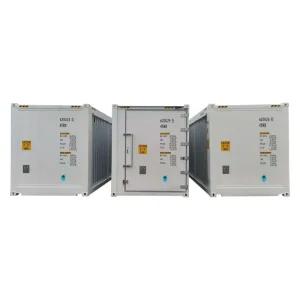
China OEM 40ft High-Cube Customized Three-in-One Combination Reefer Storage Container Manufacturer, Quotes
Request Factory Quote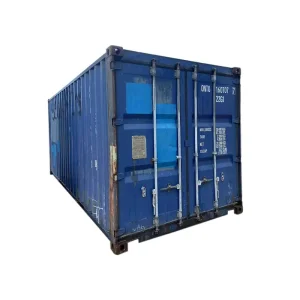
ODM 40ft Used Dry Cargo Shipping Container Manufacturers, Quotes
Request Factory Quote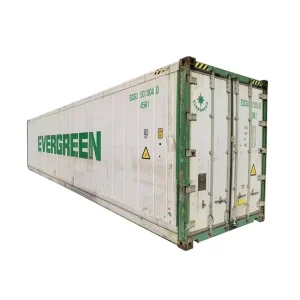
Buy Used 40ft HC Shipping Reefer Container Manufacturers, Exporters
Request Factory Quote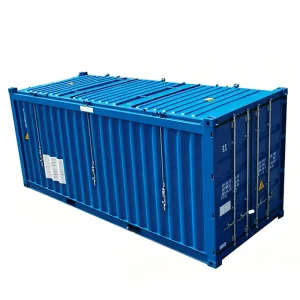
China 20ft New Hard Open Top Shipping Container Manufacturer, Factories
Request Factory Quote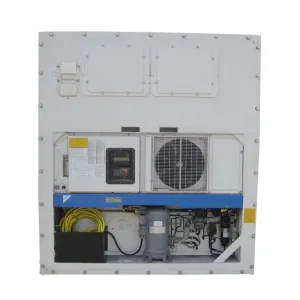
Buy Refrigeration Equipment /Cooling Unit For Refrigerated Containers Products, Exporters
Request Factory Quote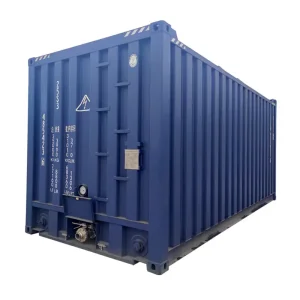
Buy New 20ft Square Liquid Container Factory, Product
Request Factory Quote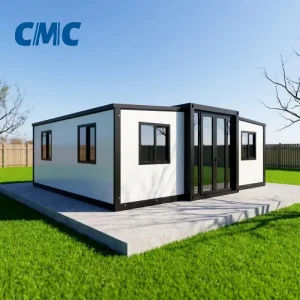
OEM 20ft Modular Container Houses Expandable Steel Container House Excellent Thermal Insulation and Sealing Performance Manufacturer, Manufacturers
Request Factory Quote