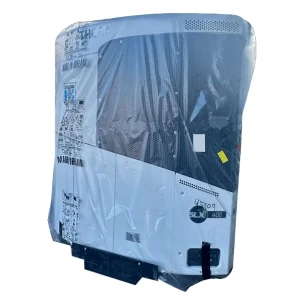
Featured Industrial Container Solutions: Batch 01
Precision-fabricated Corten-A steel containers certified by Bureau Veritas (BV), ISO, and DNV GL, optimized for international multimodal shipping, onshore bulk cold storage, and heavy offshore oilfield logistical assignments.
China 40ft High-Cube Roll Up Reefer Container Customized Shipping Containers Factory, Manufacturers
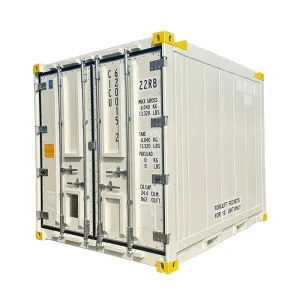
High-Quality New 10ft Certified Thermo King Freezer Container Exporter, Manufacturers
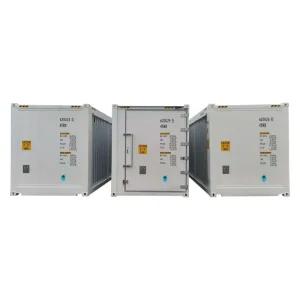
China OEM 40ft High-Cube Customized Three-in-One Combination Reefer Storage Container Manufacturer, Quotes
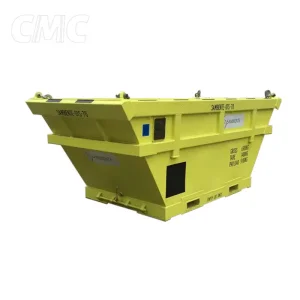
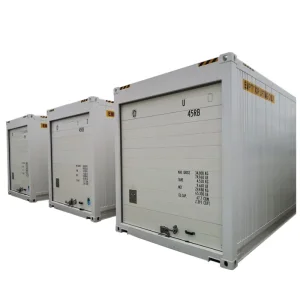
Famous DNV Certification Silt Basket Container Used in Offshore Operations Factories, Exporters
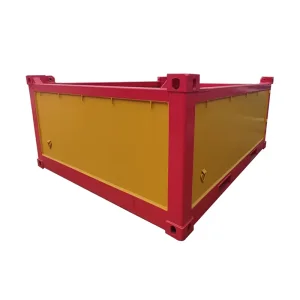
High-Quality New Offshore Basket Container for Offshore Operations Exporter, Exporters
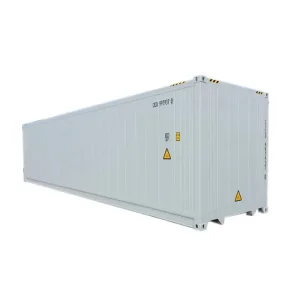
Buy New 40ft High Cube Thickened Foam Insulation Container Factory, Exporters

China Used 40ft High-Cube Certified Reefer Container Pricelist, Exporter
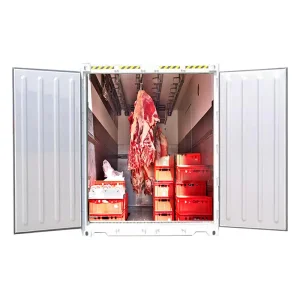
High-Quality Brand new hanging meat container for low temperature fresh transportation Pricelist, Products
Engineering Integrity in the Modern Intermodal Container Industry
Analyzing international intermodal standardization, material metallurgy, robotic welding precision, and structural life-cycle economics across global supply chains.
SPA-H Corten Steel Metallurgy
Standardization in intermodal shipping relies entirely on structural longevity. High-specification shipping and offshore containers manufactured in China utilize JIS G3125 SPA-H (Corten-A) weathering steel. When exposed to maritime atmospheres, Corten steel produces an adherent copper-phosphorus oxide passivation layer.
This metallurgical characteristic drastically reduces corrosion propagation, outperforming ordinary carbon structural steels (Q235/SS400) by over 400% in continuous saline splash zones and high-humidity equatorial crossings.
Robotic Automated Tolerance Control
Dimensional accuracy is the foundational pillar of ISO 668 and ISO 1496 compliance. Modern Tianjin and coastal manufacturing facilities integrate multi-axis robotic submerged arc welding and fiber-laser CNC profile cutting.
Corner casting squareness and diagonal variances are restricted to within ±2.0 mm tolerances across full 40-foot lengths. This precision ensures seamless interoperability with container ship cell guides, straddle carriers, reachstackers, and railway intermodal well-cars without chassis binding.
Eco-Friendly Surface Passivation
Global environmental guidelines demand drastic volatile organic compound (VOC) abatement. Leading Chinese production facilities have completed retrofits transition to waterborne zinc-rich epoxy primers paired with heavy-duty polyurethane topcoats.
This advanced multi-tier coating system provides an abrasive resistance barrier exceeding 250 microns dry film thickness (DFT), passing stringent 1,500-hour neutral salt spray (ASTM B117) certification while eliminating harmful solvent emissions into local ecosystems.
Industrial Engineering Legacy
Port Proximity (Tianjin / Suzhou)
Dual Marine Society Verification
Corten-A Grade Steel Sourcing
Why Global Enterprises Source Containers from Chinese Industrial Clusters
Examining the end-to-end supply chain infrastructure, raw material integration, and direct port connectivity that empower China's container manufacturing dominance.
Hyper-Integrated Upstream Ecosystem
China produces over 85% of global shipping containers due to an integrated industrial network found nowhere else. Sourcing bases in northern industrial hubs (such as Tianjin) operate within immediate reach of major domestic metallurgical giants (Baosteel, Shougang).
This geographical concentration ensures guaranteed batch allocations of hot-rolled Corten coils, specialized marine hardware, EPDM dual-lip door gaskets, and APITONG structural hardwood flooring without import tariff markups or extended transit bottlenecks.
Custom OEM/ODM Engineering Depth
Unlike standard mass-production assembly lines that resist modifications, leading Chinese export specialists excel at complex bespoke customization. From custom roll-up shutter access for mini-storage depots to triple-compartment multi-temperature reefer configurations, in-house technical drawing offices convert architectural schematics into BV/CSC approved production schedules in days.
Engineers optimize structural loading calculations, finite element stress analysis (FEA), and refrigeration airflow fluid dynamics prior to high-volume tooling.
Direct Pier-Side Export Logistics
Proximity to international maritime hubs is an indispensable operational advantage. Having major production and storage yards situated within 100 kilometers of the Port of Tianjin and Port of Shanghai dramatically shrinks domestic inland drayage expenditures.
Units can be released directly under "One-Way Cargo Free Use" repositioning arrangements or loaded directly onto breakbulk / container vessels, yielding tangible savings of $400–$1,200 per unit in baseline mobilization fees for international buyers.
Future Trends: Smart Cold Chains, Solar Integration & Modularization
How digitalization, IoT telematics, energy transition imperatives, and industrial decarbonization are altering the baseline requirements for modern intermodal container equipment.
IoT Telematics & AI Cold Chain Tracking
The era of disconnected dry boxes is rapidly terminating. Reefer units and sensitive dry cargo containers are increasingly fitted with integrated satellite and 5G cellular telematics. Microprocessor controllers continuously record internal temperatures, relative humidity, oxygen/CO2 levels, and power phase status.
Cloud-connected sensors interface with enterprise supply chain management software (SAP, Oracle) via API, giving logistics directors automated predictive defrost warnings, real-time geofencing, and verified temperature provenance compliance reports.
Solar-Augmented Off-Grid Refrigeration
With diesel fuel surcharges escalating and remote logistics nodes lacking steady 380V/440V 3-phase grid infrastructure, solar-assisted refrigerated units represent the cutting edge of off-grid cold chain hardware.
Integrating roof-mounted monocrystalline PV arrays with DC variable-frequency brushless inverter compressors allows modern refrigerated containers to operate hybrid electrical setups. Units autonomously transition between solar, lithium battery banks, and shore power, reducing agricultural post-harvest spoilage across developing regions.
Modular BESS & Data Center Conversions
The container form factor has evolved beyond standard freight into high-tech modular utility housing. Battery Energy Storage Systems (BESS) and containerized edge computing micro-data centers utilize reinforced 20ft and 40ft high cube structural shells.
These specialized industrial units feature engineered internal structural mezzanine framing, aerosol fire suppression manifolds (Novec 1230 / FM-200), rockwool acoustic fireproofing (A60 fire class), and customized NEMA/IP rated weather louvers.
Localized Application Scenarios: Cross-Industry Deployments
Examining rigorous on-site deployments spanning subsea offshore energy operations, intermodal transcontinental cold chains, automotive transit, and rapid-deployment modular facilities.
Offshore Exploration & DNV Operations
Standard ISO freight containers are categorically prohibited on offshore oil platforms and drilling ships due to extreme dynamic lifting forces and dynamic sea wave motions. Specialized cargo carrying units (CCUs), such as DNV 2.7-1 / EN 12079 certified silt baskets and dry tool cargo units, solve this logistical hurdle.
Fabricated with low-temperature impact tested steel (-20°C charpy V-notch verification), specialized internal tie-down eyes, and dedicated four-part wire rope slings, these units survive severe crane handling in harsh North Sea and Gulf of Guinea offshore environments.
Pharmaceutical & Perishable Transit
Transporting frozen biological vaccines, high-value proteins, and hanging sides of fresh beef requires rigorous thermal uniformity. Utilizing 40ft High Cube reefers equipped with high-efficiency scroll compressors (Thermo King Magnum Plus, Carrier PrimELINE, Daikin LXE), internal temperatures maintain accurate stability from -35°C to +30°C.
Deep T-bar aluminum extrusion sub-floors channel continuous micro-filtered laminar airflow under loaded pallets, avoiding hot-spot pockets and moisture accumulation throughout intercontinental shipping corridors.
Specialized Automotive & Bulk Logistics
Automotive manufacturers shipping complete knock-down (CKD) assemblies or luxury electric vehicles require bespoke racking hardware. 20ft and 40ft car-carrier container systems employ integrated hydraulic lift frames and multi-tier wheel cradles, enabling safe double-stacking of passenger vehicles within standard ISO shipping profiles.
Similarly, specialized bulk containers equipped with roof loading hatches and front discharging discharge flaps allow rapid, contamination-free bulk transport of grain, mineral sand, and chemical pellets.
Macro Logistics Solutions: Sourcing Architecture for Global Enterprises
How international shipping conglomerates, leasing organizations, mining conglomerates, and government infrastructure agencies orchestrate container asset acquisition.
Fleet Renewal & Modernization
Mitigate soaring container maintenance expenditures (M&R) by transitioning depreciated aging inventory (15+ year operational age) into newly built, low-tare Corten ISO containers that satisfy International Convention for Safe Containers (CSC) guidelines.
Remote Cold Hub Logistics
Erect modular cold storage facilities without civil construction delays. Three-in-one multi-compartment reefers and portable walk-in freezer containers deploy instantaneously at agricultural hubs, retail distribution centers, and field base camps.
Offshore Energy Supply Chains
Ensure platform safety during severe marine weather. Supplying fully certified DNV silt baskets, offshore open baskets, and specialized offshore transport boxes equipped with Lloyd’s Register / DNV inspection dossiers for immediate deployment.
Secondary Repurposing Stock
Cost-conscious projects leverage certified IICL-6 / Cargo Worthy (CW) inspected second-hand reefers and dry containers stored strategically at major Chinese coastal terminals, reducing equipment capital expenditure by up to 55%.
The Strategic Procurement Framework: Critical Quality Checkpoints
Professional quality assurance managers must mandate rigorous verification procedures during container contract finalization and pre-shipment inspection.
1. International Classification Society Badging
Always inspect classification societies' approval plaques affixed to the CSC plate (Bureau Veritas, Lloyd's Register, ABS, or China Classification Society - CCS). For offshore applications, verify DNV 2.7-1 / EN 12079 type-approval design certificates and non-destructive testing (NDT) magnetic particle weld reports.
2. Light Tightness & Gasket Seal Integrity
Conduct visual light testing (internal cabin darkness inspection) alongside exterior water deluge jet testing (minimum 1.0 bar nozzle pressure according to ISO 1496-1 procedures). Inspect continuous double-lip EPDM door seals and cam-lock engagements to prevent marine vapour contamination.
3. Pre-Trip Inspection (PTI) on Reefer Machinery
For refrigerated units, enforce a certified Pre-Trip Inspection (PTI) report. The automated PTI cycles through high/low speed fan operation, defrost cycle heater performance, variable cooling ramp-down, and microprocessor self-diagnostics to verify zero active fault codes prior to export handover.
Frequently Asked Questions: Container Exporters & Procurement
Authoritative technical, commercial, and regulatory guidance address the practical questions encountered by procurement professionals sourcing containers from China.
What standard certifications must an industrial container hold for ocean and rail shipping?
All intermodal containers intended for international shipping must comply with ISO 668 (classification and external dimensions), ISO 1496-1 (structural specifications and testing for general dry cargo), and hold a valid CSC (International Convention for Safe Containers) safety approval plate issued by recognized societies such as Bureau Veritas (BV), ABS, Lloyd's Register, or CCS. For hazardous or offshore installations, DNV 2.7-1 / EN 12079 certifications are required.
What is the key difference between standard ISO containers and DNV certified offshore containers?
Standard ISO containers are engineered for land-based intermodal and container vessel cell guide handling using standard vertical lifting spreaders. Offshore containers (built to DNV 2.7-1 / EN 12079) are engineered for dynamic marine open-sea environments. They feature heavy-duty structural perimeter framing, certified lifting pad eyes, primary structural steels certified down to -20°C charpy impact resistance, and dedicated rated wire rope slings to withstand severe ocean crane operations without structural failure.
What refrigeration brands can be integrated into custom reefer builds?
Depending on operational profiles, client maintenance familiarity, and target cargo requirements, custom refrigerated containers can be fitted with industry-leading machinery from Thermo King (e.g., Magnum Plus), Carrier Transicold (e.g., PrimeLINE), and Daikin (e.g., LXE10E). Units can be specified with multi-temperature internal bulkheads, solar-augmented electrical converters, or hanging rail meat transportation systems.
How does container positioning and ocean transport work for empty container purchases?
Buyers purchasing containers from China have several freight mechanisms available. The most cost-efficient option is "One-Way Free Use", wherein shipping carriers load commercial cargo into your purchased containers for repositioning to your destination port, saving you container positioning ocean freight fees. Alternatively, specialized or customized containers can be moved as "Shipper Owned Containers" (SOC) as empty units or on flat-rack / breakbulk carriers.
What are the primary indicators of quality when purchasing used / second-hand shipping containers?
Used containers are generally graded by IICL-6 (International Institute of Container Lessors), Cargo Worthy (CW), or Wind and Water Tight (WWT). Buyers should evaluate the presence of straight corner posts, fully functioning door hinge pins and cam-lock locking bars, intact continuous door gaskets without ozone dry-rot, and an absence of major corrugated sidewall oil-canning or through-rust holes that would compromise structural stacking capacity.
Can Chinese container manufacturers provide engineering design drawings before mass fabrication?
Yes. A reputable industrial exporter operates a comprehensive engineering drawing office. Following requirement briefings, engineers provide detailed 2D CAD production drawings and 3D step model assemblies specifying structural steel thicknesses, insulation cross-sections, corner casting metallurgical grades, and door clearances. Formal manufacturing commences only upon client sign-off on the approved engineering drawing pack.
Featured Industrial Container Solutions: Batch 02
Expanding specialized operations with car carriers, side/roll-up door dry units, bulk grain containers, certified offshore dry units, and cutting-edge solar-powered smart cold chain assets.
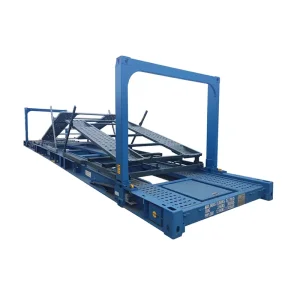
China New 20ft Car Carrier Container Special Container Exporter, Quotes
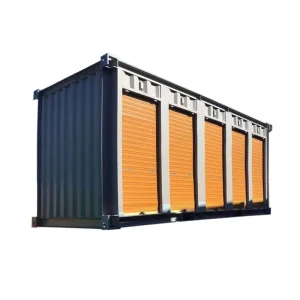
OEM New 20ft Storage Roll-Up Door Dry Cargo Container Pricelist, Product
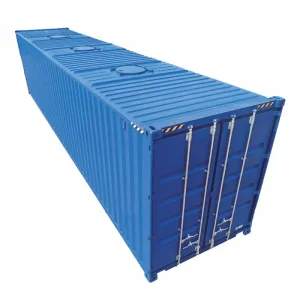
Buy 20 Feet Shipping Bulk Container Manufacturer, Exporters
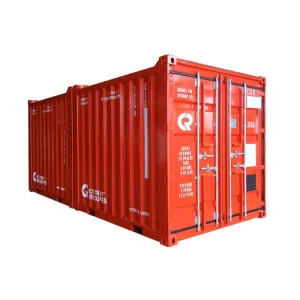
Buy New DNV Certification Offshore Dry Cargo Container Factory, Product
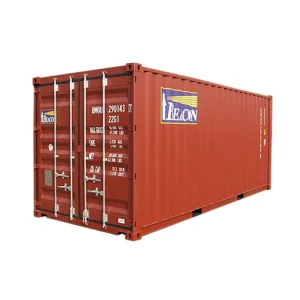
ODM 40ft New Certified Dry Shipping Container Pricelist, Exporters
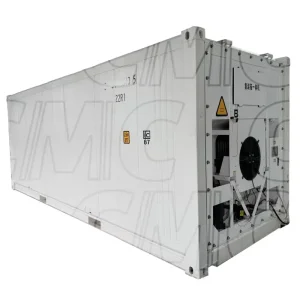
ODM The Smart Chain Cold Storage 20ft/40ft Solar Refrigerated Container 220V With DC Inverter Unit Pricelist, Exporters
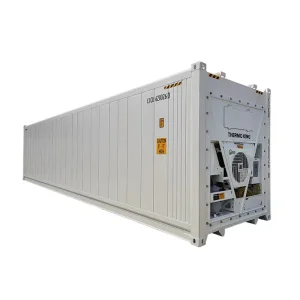
OEM New 40ft High-Cube Certified Reefer Shipping Cargo Container Pricelist, Product