Buy Containers International Products & Factories
A strategic industry whitepaper & architectural procurement guide detailing precision-engineered ISO reefers, DNV offshore modules, high-cube dry freight systems, and advanced China manufacturing efficiency.
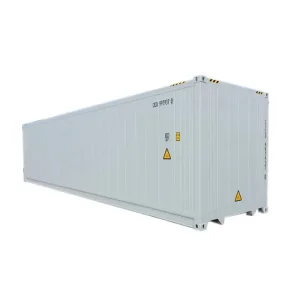
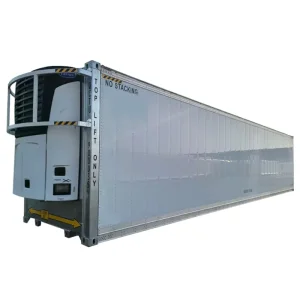
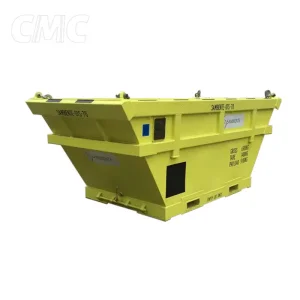
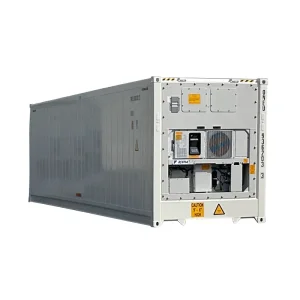
Featured Product Units (Batch 01)
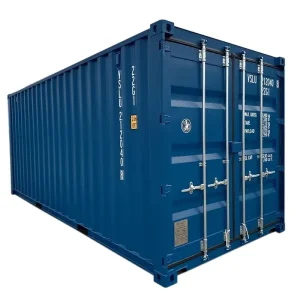
Direct manufacturer deployment of cold-chain, hazardous goods, and offshore certified container structures.
The Global Intermodal Container Landscape
Structural realignments across multi-modal freight routes demand enhanced durability, thermal efficiency, and standardized certifications.
Supply Chain Regionalization
Global logistics corridors are shifting from single-route dependence to decentralized intermodal networks. International container operators require versatile fleets capable of seamless transfers across deep-sea liners, rail systems, and rough road infrastructures across Europe, Africa, and the Americas.
Total Cost of Ownership (TCO)
Procurement directors increasingly look beyond initial capital expenditure. Equipment longevity is defined by Corten-A steel anti-corrosion properties, Marine Grade paints, low-power refrigeration machinery (Thermo King, Daikin, Carrier), and low-friction floorboards that withstand intensive continuous cycles.
Stringent Regulatory Baselines
Stringent IMO, CSC, and DNV standardizations enforce strict limits on dynamic load tolerances, side-wall deflection, corner-casting stress distribution, and explosive environment ratings. Procuring containers international directly from verified factories mitigates operational failure risks.
Industrial Automation & Scale in Container Production
Why procurement teams internationally leverage Chinese specialized manufacturing hubs for bespoke and fleet-level container procurement.
The manufacturing infrastructure of container manufacturing in China represents a confluence of complete raw material integration, high-precision automated robotics, and proximity to high-throughput maritime hubs. Concentrated industrial corridors—primarily located in Tianjin and Jiangsu—have revolutionized the way international shipping companies, resource extractors, and intermodal carriers manage fleet expansion.
Integrated Supply Chain Matrix
From primary hot-rolled Corten-A steel coil suppliers to specialized polyisocyanurate (PIR) foam formulators, all necessary auxiliary materials sit within a tight geographical footprint, radically shrinking production cycles and raw material lead times.
Automated Continuous Seam Welding
Robotic multi-axis welding arrays guarantee hermetic consistency across corrugated side panels and perimeter structural frames. This continuous precision eliminates microscopic structural vulnerabilities, ensuring maximum integrity under severe twist-lock loads.
Eco-Compliant Coating Technology
Advanced high-solid and waterborne zinc-rich epoxy paint application cells meet stringent international environmental regulations without compromising marine anti-corrosion benchmarks, successfully passing 1,000-hour continuous salt spray durability testing.
Furthermore, the physical proximity of facilities located roughly 100 km from major export hubs such as Tianjin Port enables low-friction inland movement. Containers avoid inland drayage wear-and-tear, can be pre-inspected by independent surveying agencies (e.g., Bureau Veritas, DNV, Lloyd's Register), and are quickly loaded onto outbound liner services.
Enterprise Application Scenarios & Operational Fit
Engineered structural implementations addressing extreme environmental and logistical challenges across five continents.
Deep-Sea Cold Chains & Food Security
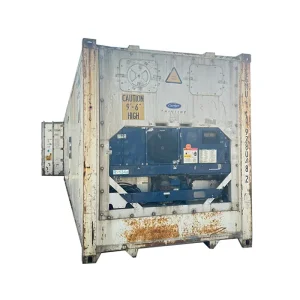
40ft High-Cube reefer systems integrated with Daikin, Carrier, or Thermo King compressor suites preserve perishable agricultural and pharmaceutical cargoes over multi-week maritime voyages, sustaining constant -30°C to +30°C operating set-points regardless of ambient tropical heat.
Offshore Exploration & Dynamic Lifting
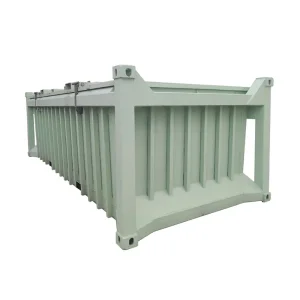
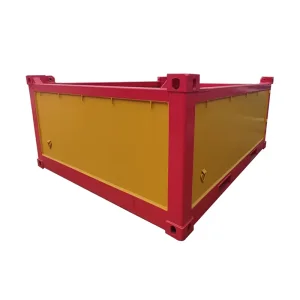
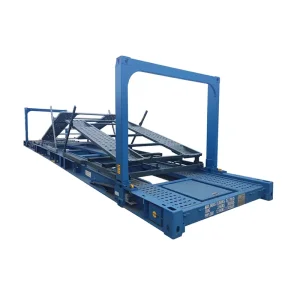
DNV-certified offshore cargo baskets, silt containers, and 10ft offshore tank modules are engineered specifically to withstand heavy wave pounding, continuous salt spray, and extreme dynamic impact during platform resupply transfers in the North Sea, Gulf of Guinea, and Southeast Asia.
Modular Infrastructure & Rapid Habitats
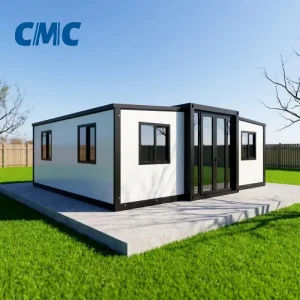
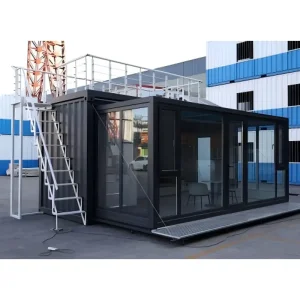
Expandable and foldable modular container houses built with certified high-tensile steel frames and fireproof insulated core panels enable immediate accommodation deployment for resource mining camps, temporary construction sites, and remote disaster relief installations.
Hazardous Cargo & Specialized Bulk
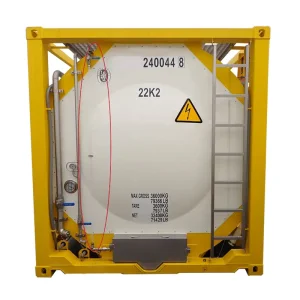
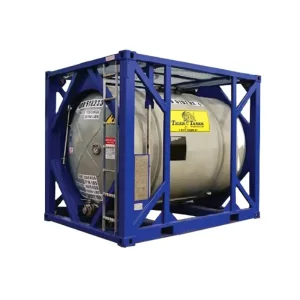
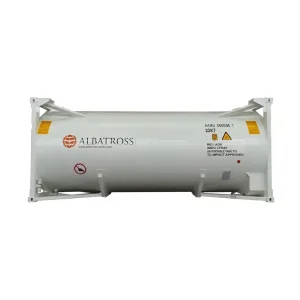
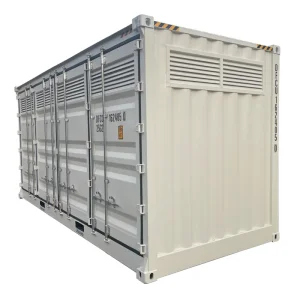
Ventilated hazardous goods containers, side-open units, and 25,000L ISO gas/chemical tanks ensure absolute compliance with ADR, RID, and IMDG codes for high-risk chemical, automotive, and heavy mineral transport across cross-border rail and road corridors.
The Evolution of Containers International
Key technological disruptions defining the next generation of shipping containers and intermodal assets.
Autonomous IoT Telematics
Containers are rapidly transforming from inert boxes into smart network nodes. Solar-powered sensors now monitor real-time interior humidity, shock events, door breaches, and precise reefer performance metrics, streaming analytics via satellite directly to enterprise dashboards.
Carbon-Neutral Materials & Eco-Finishes
As global ESG accountability tightens, factories are transitioning toward recycled alloy steels, sustainable composite flooring to replace traditional hardwood timber, and ultra-low VOC coatings that lower the total lifecycle carbon footprint of each fleet unit.
Intermodal Decarbonization Design
Aerodynamic exterior contours and lightweight high-strength alloys are being deployed to minimize drag and reduce fuel consumption in rail and road transport, directly supporting net-zero intermodal transport targets globally.
| Container Classification | Primary Structure Material | Key Standard / Certification | Standard Payload Range | Optimal Industry Application |
|---|---|---|---|---|
| ISO Dry Freight (20GP / 40HC) | Corten-A Weathering Steel | ISO 1496-1, CSC, BV | 28,000 - 30,480 kg | General ocean freight, dry commodities, palletized cargo |
| Refrigerated Units (Reefers) | Stainless Outer, MG Alloy, PIR Foam | ISO 1496-2, ATP, TIR | 27,000 - 34,000 kg | Cold storage, food commodities, biologicals, flowers |
| Offshore Modules & Baskets | High-Grade Structural Steel Plate | DNV 2.7-1 / EN 12079 | 5,000 - 18,000 kg | Offshore platform resupply, subsea equipment, rough sea lifting |
| ISO Tank Containers (T11 / T50) | 316L Stainless Steel / Carbon Alloy | ASME, IMDG, ADR, RID | 20,000 - 25,000 Liters | Bulk chemicals, food-grade liquid, LNG/LPG industrial gas |
| Modular Foldable Structures | Galvanized Cold-Formed Steel | CE, ISO Modular Housing | Variable / Structural | On-site commercial offices, field hospitals, worker camps |
Global Enterprise Sourcing Framework
Critical verification parameters every procurement director must review before executing an international purchase order.
1. Material Test Reports (MTR)
Always verify mill test certifications for the steel grades used. Confirm that Corten-A weathering steel is genuinely deployed for frame members and side corrugated panels to assure long-term resistance to atmospheric corrosion.
2. CSC & Class Society Approval
Ensure that units hold valid International Convention for Safe Containers (CSC) plates stamped by approved classification societies (e.g., Bureau Veritas, DNV, ABS, or CCS), validating stack load and transverse rack test adherence.
3. Pre-Shipment Inspection (PSI)
Require pre-dispatch inspection protocols covering dimensional checks, light leakage tests, floor screw torque tests, and marine-seal watertightness before port drayage begins.
Frequently Asked Questions (FAQ)
Comprehensive engineering and procurement inquiries clarified by our senior technical export engineers.
Specialized & High-Cube Product Portfolio (Batch 02)
Complete product range featuring Daikin freezer cold rooms, mining carrier units, and expandable modular structures.